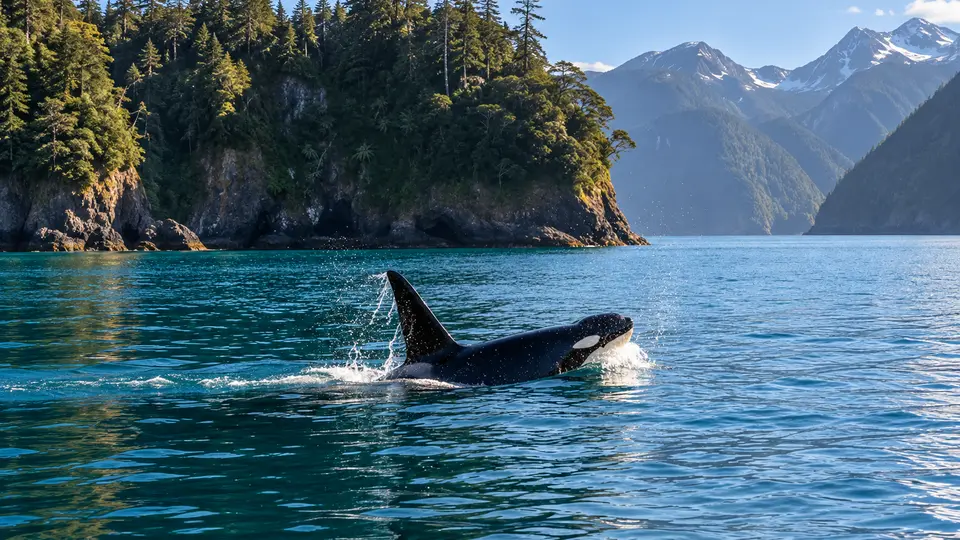
Orca in its natural habitat, AI illustration

OrcaOrcinus orcaWhere and when to see them

Orca at a glance

The orca is the largest member of the dolphin family, a powerful marine predator found from polar seas to tropical waters. Its familiar black-and-white appearance conceals considerable ecological diversity: different populations specialize in fish, marine mammals or other prey. These specializations are learned within social groups and can persist across generations. Distribution is exceptionally broad, but abundance, movements and conservation pressures differ sharply between regional populations.

Behaviour & reproduction

Size
5-8 m long
Weight
3-6 tonnes
Lifespan
Females 50-80 years; males 30-50 years
Status
Data Deficient

Orcas communicate through clicks, whistles and pulsed calls, with some communities maintaining distinctive vocal traditions. Many live in enduring family groups, although social organization varies with feeding ecology. Hunting can involve coordinated pursuit, careful searching or remarkably quiet approaches to acoustically sensitive prey. At the surface they may travel steadily, rest in close formation or briefly breach. A passing group can disappear quickly, making distant shore or deck observations unpredictable. Pod movements can be observed from a distance as they travel in coordinated lines or spread out to hunt. Spyhopping, where an orca raises its head vertically out of the water, allows them to look around above the surface.

Top wildlife locations

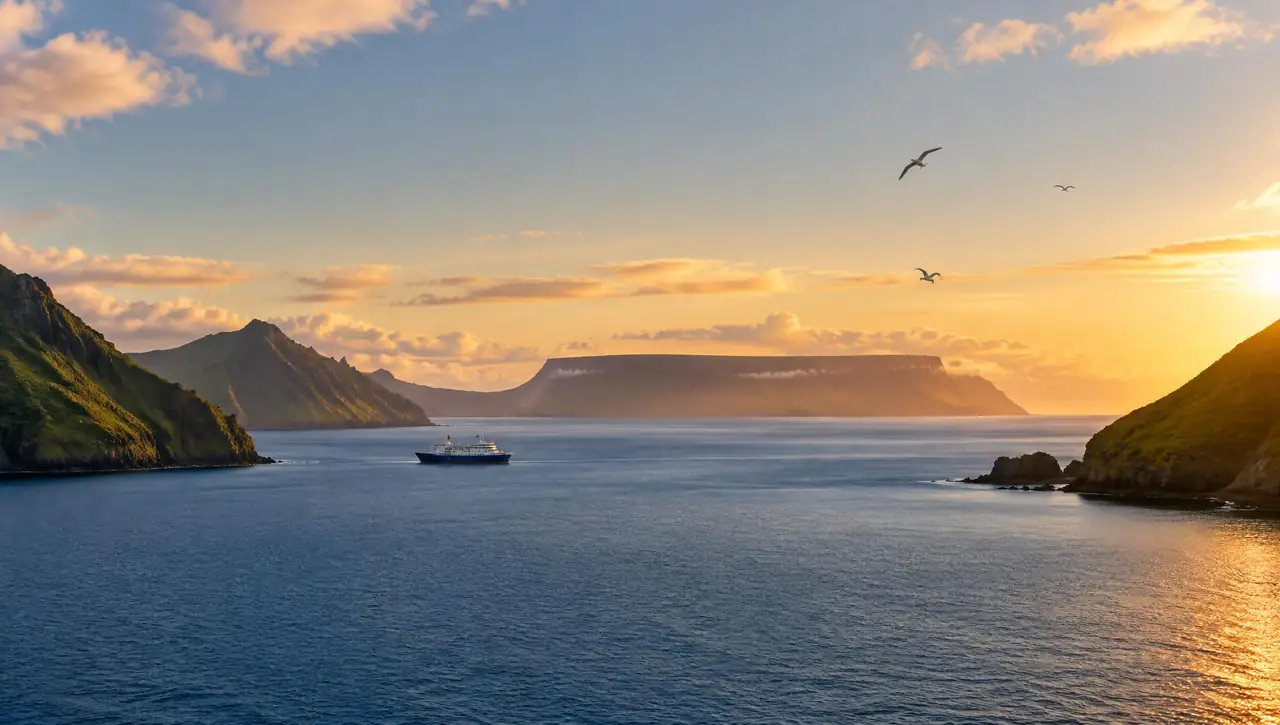
Costa Rica wildlife habitat

Costa Rica

Pacific headlands and offshore vessel decks offer broad ocean views, but orcas are rare and unpredictable visitors. Standard coastal outings should not be planned around finding this species.

Mexico wildlife habitat

Mexico

Baja California headlands and decks overlooking the Gulf of California provide plausible observation settings. Orcas occur regionally, but movements are irregular and most reports do not translate into reliable shore sightings.

Portugal wildlife habitat

Portugal

Southern coastal headlands overlooking approaches to the Strait of Gibraltar provide possible distant viewpoints. Orcas are scarce and mobile in Portuguese waters, with no dependable standard shore-viewing location.

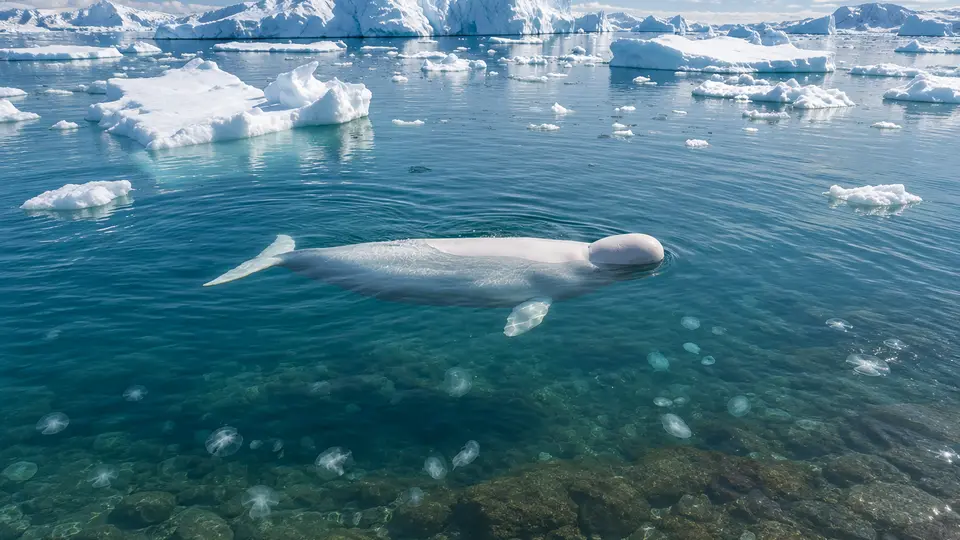
Arctic wildlife habitat

Arctic

Accessible fjord shores and permitted vessel decks can overlook productive Arctic coastal channels. Northern Norwegian winter concentrations differ from remote summer Arctic waters, where access limitations and highly variable occurrence dominate.

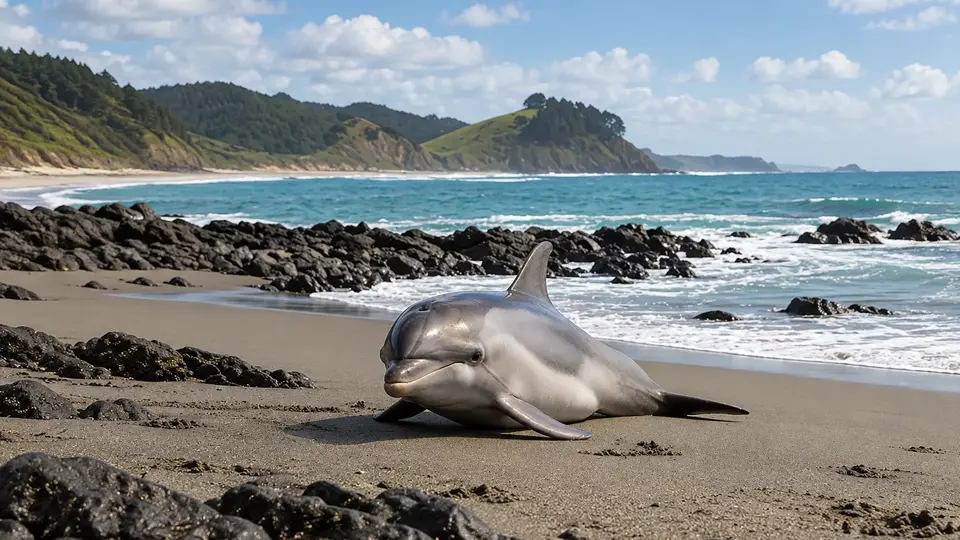
New Zealand wildlife habitat

New Zealand

Harbour entrances, coastal headlands and sheltered bays sometimes provide distant views of travelling orcas. Coastal visits can be brief and irregular, so accessible shores do not imply predictable encounters.

Destinations describe the species' habitat, not guaranteed cruise stops. Some animals require an optional inland excursion or are found in restricted reserves.

Fun facts about the Orca

  • An adult male's dorsal fin can approach 1.8 m in height.
  • Orcas belong to Delphinidae, the oceanic dolphin family.
  • Some resident populations retain both sons and daughters in their maternal family groups.
  • Researchers recognize individuals from dorsal-fin outlines and saddle-patch markings.

Best time to see the Orca

There is no worldwide viewing season. Northern Norwegian coastal waters may attract orcas during winter herring concentrations, while other Arctic areas become accessible in summer. Tropical appearances are generally irregular, and New Zealand coastal movements occur throughout the year without dependable local timing. In Costa Rica and Mexico, sightings are generally opportunistic and less predictable, often linked to seasonal migrations of their prey. The Arctic summer allows access to areas where pack ice breaks up, potentially revealing orca hunting grounds.

Orca: season matrix by destination

Travel and observation windows vary by region. Highlighted months are an orientation for planning, not confirmed sightings or a guarantee of access.

Costa Rica

No dependable Costa Rican shore-observation season is established; dry-season travel conditions do not predict orca presence.

JanFebMarAprMayJunJulAugSepOctNovDec
Cruise ships in Costa Rica

Mexico

Occurrence varies by region and prey; no single defensible shore-viewing window applies across Mexico.

JanFebMarAprMayJunJulAugSepOctNovDec
Cruise ships in Mexico

Portugal

Seasonal movements of Iberian orcas do not establish a reliable Portuguese shore-observation calendar.

JanFebMarAprMayJunJulAugSepOctNovDec
Cruise ships in Portugal

Arctic

These months indicate broad summer access to Arctic coasts, not a universal orca season; northern Norway has a separate, variable winter herring association.

JanFebMarAprMayJunJulAugSepOctNovDec
Cruise ships in Arctic

New Zealand

Coastal occurrence is possible year-round, but no month guarantees local presence or a shore sighting.

JanFebMarAprMayJunJulAugSepOctNovDec
Cruise ships in New Zealand

Where the Orca lives

Orcas occupy open ocean, continental shelves, fjords and coastal channels. Productive waters concentrating suitable prey are particularly important, but habitat use depends on population traditions rather than water temperature alone. Some groups regularly approach coasts, while others remain largely offshore. They are found in all oceans, from polar regions to the equator, making them the most widely distributed marine mammal. While specific groups may favor certain regions, their overall adaptability allows them to thrive in diverse marine environments.

What the Orca eats

Prey includes fish, squid, seals, sea lions, dolphins and whales, but individual populations do not necessarily eat this entire range. Many are highly specialized. Local prey availability, inherited hunting knowledge and social learning shape what a particular group pursues. Specific populations, such as those in the Pacific Northwest, are known for specializing in salmon, while others primarily hunt marine mammals. Their teeth are large and conical, perfectly adapted for grasping and tearing prey.

Species at a glance

Common name
Orca
Scientific name
Orcinus orca
Animal group
Marine life
Size
5-8 m long
Weight
3-6 tonnes
Lifespan
Females 50-80 years; males 30-50 years
Status
Data Deficient
Identification
The combination of black body, white eye patch, pale saddle and exceptionally tall dorsal fin distinguishes an orca from smaller blackfish such as false killer whales. The saddle patch, a gray or white area behind the dorsal fin, varies in shape and size among individuals and populations, aiding in photographic identification. Orcas also possess a distinct countershading pattern, with a white underside contrasting their dark dorsal surface.

Orca: frequently asked questions

Where can I see the Orca?
Costa Rica, Mexico, Portugal, Arctic, New Zealand. Watch from a stable coastal lookout or a vessel maintaining legally required separation. Never encourage an approach, feed animals or follow a group into confined water. Large dorsal fins may be visible at distance, but sightings remain uncertain. Be prepared for sudden appearances and disappearances, as these powerful animals can cover large distances quickly. Use binoculars to scan the horizon, especially along current lines or near areas with abundant bird activity, which may indicate prey.
When is the best time to see the Orca?
There is no worldwide viewing season. Northern Norwegian coastal waters may attract orcas during winter herring concentrations, while other Arctic areas become accessible in summer. Tropical appearances are generally irregular, and New Zealand coastal movements occur throughout the year without dependable local timing. In Costa Rica and Mexico, sightings are generally opportunistic and less predictable, often linked to seasonal migrations of their prey. The Arctic summer allows access to areas where pack ice breaks up, potentially revealing orca hunting grounds.
How big does the Orca get?
5-8 m long. Adult weight: 3-6 tonnes. Size varies with age, sex and population.
How should I behave around the Orca?
Watch from a stable coastal lookout or a vessel maintaining legally required separation. Never encourage an approach, feed animals or follow a group into confined water. Large dorsal fins may be visible at distance, but sightings remain uncertain. Be prepared for sudden appearances and disappearances, as these powerful animals can cover large distances quickly. Use binoculars to scan the horizon, especially along current lines or near areas with abundant bird activity, which may indicate prey.
What does the Orca eat?
Prey includes fish, squid, seals, sea lions, dolphins and whales, but individual populations do not necessarily eat this entire range. Many are highly specialized. Local prey availability, inherited hunting knowledge and social learning shape what a particular group pursues. Specific populations, such as those in the Pacific Northwest, are known for specializing in salmon, while others primarily hunt marine mammals. Their teeth are large and conical, perfectly adapted for grasping and tearing prey.
Are wildlife sightings guaranteed on an adventure cruise?
No. Animals move freely and routes, weather, access restrictions and local conditions influence every outing. Confirm the actual itinerary and shore program before booking.

Compare wildlife in the same destinations

Explore other marine life recorded in these destinations. Similar surroundings do not mean the animals share the same habits or viewing season.

Species comparison by animal group and destination
OrcaOrcaBeluga WhaleBeluga WhaleDusky dolphinDusky dolphin
Animal groupMarine lifeAnimal groupMarine lifeAnimal groupMarine life
DestinationsCosta Rica, Mexico, Portugal, Arctic, New ZealandDestinationsNorway, ArcticDestinationsNew Zealand
All wildlife destinations
Plan your trip

Find your next wildlife adventure

Compare destinations, shore programs and dates with the animals and habitats you would love to see.

  • Naturalist-led shore excursions
  • Responsible wildlife watching
  • Small expedition ships

Newsletter

Take Blue Rides with you

Adventure cruise offers, last-minute deals and trip inspiration.

Free, unsubscribe anytime. Details: Privacy Policy

Partner with Blue Rides

Affiliate Program

Recommend adventure cruises and earn commission on every confirmed booking.

Share. Track. Earn.

Your footage, our stage

Send us your videos or pictures.

Captured remarkable nature or wildlife on your journey? Share it with us, we may feature it on Blue Rides.