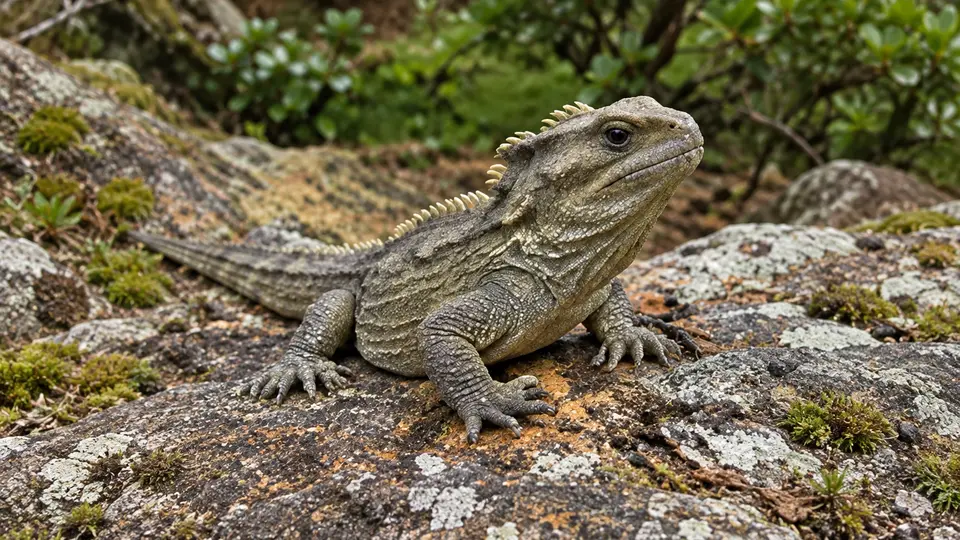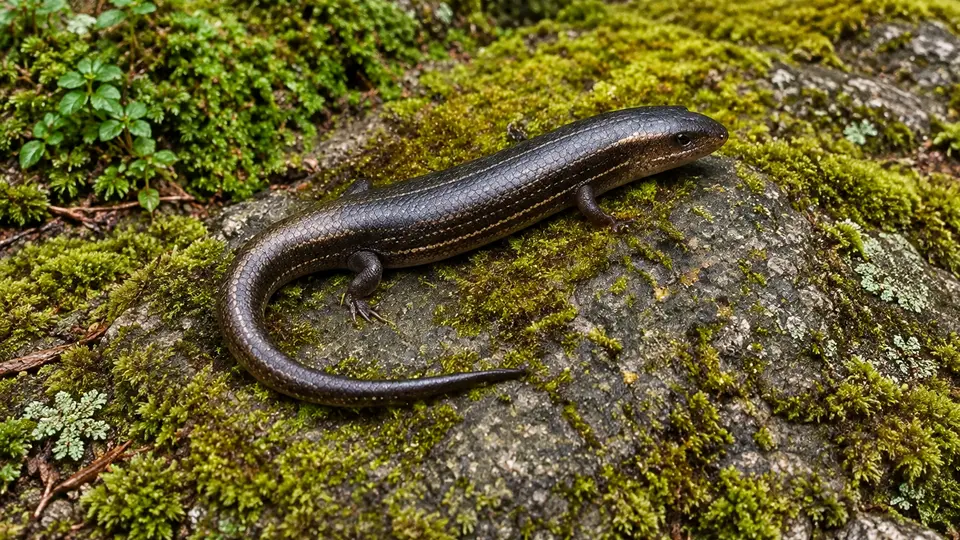
Shore skink in its natural habitat, AI illustration

Shore skink: where and when to see them

Oligosoma smithi

Shore skink at a glance

The shore skink is a small New Zealand lizard associated with northern coastal habitats. Its accepted scientific name is Oligosoma smithi, rather than the doubled final letter used in this catalog key. Individuals vary greatly in color, from pale sandy shades to dark brown or nearly black, often matching local substrates. Despite living close to the sea, it is a land-dwelling reptile that depends on safe cover above regular tidal inundation.

Behaviour & reproduction

Size
5-8 cm snout-to-vent length
Weight
Not reliably established
Lifespan
Not reliably established
Status
Check current assessment

Shore skinks emerge to bask and forage when conditions are warm, frequently staying close to vegetation, stones or driftwood. They can move rapidly through tangled beach debris and disappear into narrow gaps. Their exposure changes with temperature and disturbance, so a quiet observer may notice animals missed by a passing walker. Females give birth to live young, a reproductive strategy shared by New Zealand's native skinks rather than laying exposed nests of eggs. They are diurnal, actively foraging and basking during daylight hours, retreating to sheltered crevices at night or during adverse weather. Shore skinks exhibit site fidelity, often remaining within a relatively small home range if suitable habitat and resources are available.

Top wildlife locations

New Zealand wildlife habitat

New Zealand

Northern North Island coastal vegetation, rocky beach margins and some offshore islands offer suitable habitat. Mainland shore access can avoid inland excursions, but populations are localized and island visits may be restricted.

Adventure cruises in New Zealand
Destinations describe the species' habitat, not guaranteed cruise stops. Some animals require an optional inland excursion or are found in restricted reserves.

Fun facts about the Shore skink

  • The accepted species epithet is smithi, not smithii.
  • Females give birth to live young.
  • Color can vary markedly between nearby coastal populations.
  • Natural beach debris provides both shelter and a supply of prey.

Best time to see the Shore skink

November through April generally provides warmer conditions for coastal skink activity in northern New Zealand. Sunny intervals can be useful outside that period too. Visibility depends on local weather and available cover, not simply the season or the number of skinks present. Peak activity for mating and foraging typically occurs during the warmer months, making late spring and summer ideal for observations. During cooler periods, skinks may still be seen basking on sunny, sheltered surfaces but are generally less active.

Shore skink: season matrix by destination

Travel and observation windows vary by region. Highlighted months are an orientation for planning, not confirmed sightings or a guarantee of access.

New Zealand

Warmer months are a practical activity window, not a guarantee; local weather, predator pressure and permitted access determine observation opportunities.

JanFebMarAprMayJunJulAugSepOctNovDec
Cruise ships in New Zealand

Where the Shore skink lives

Typical habitat includes rocky shores, coastal turf, dunes, gravel margins and beach debris above the normal tide line. The species occurs in northern North Island coastal districts and on offshore islands. Dense cover and refuge from introduced predators strongly influence local persistence. The species shows a strong preference for coastal environments, rarely found more than a few hundred meters inland. They are particularly abundant where a mosaic of open basking sites and dense shelter is available, including under logs and within dense ground cover.

What the Shore skink eats

Shore skinks eat small invertebrates found in coastal vegetation, litter and strandline habitats. They also consume some fruit and may exploit other plant foods. Beach wrack can support abundant tiny prey, making retained natural debris valuable even where it looks untidy. Their diet primarily consists of small invertebrates like amphipods, isopods, and insects, which are often abundant in coastal litter. This generalist insectivorous diet allows them to adapt to variations in prey availability across their diverse coastal habitats.

Species at a glance

Common name
Shore skink
Scientific name
Oligosoma smithi
Animal group
Reptiles
Size
5-8 cm snout-to-vent length
Weight
Not reliably established
Lifespan
Not reliably established
Status
Check current assessment
Identification
Its smooth scales, elongated body and variable coastal coloration distinguish it from geckos, but separation from related northern skinks often requires expert examination of scale patterns. Key distinguishing features include a relatively robust body, a moderately long tail often longer than the body, and typically a coppery-brown or greyish-brown coloration with darker flecks or stripes along the flanks. The smooth, shiny scales are a consistent trait that helps differentiate them from other reptile groups.

Shore skink: frequently asked questions

Where can I see the Shore skink?
New Zealand. Watch quietly beside coastal vegetation without moving driftwood or stones. Native lizards are protected: do not catch them, keep dogs controlled, and follow island biosecurity rules before visiting sensitive sites. When observing, maintaining a low profile and slow movements will increase the chances of spotting these often cryptic lizards. Consider using binoculars from a short distance to minimize disturbance and observe natural behaviours.
When is the best time to see the Shore skink?
November through April generally provides warmer conditions for coastal skink activity in northern New Zealand. Sunny intervals can be useful outside that period too. Visibility depends on local weather and available cover, not simply the season or the number of skinks present. Peak activity for mating and foraging typically occurs during the warmer months, making late spring and summer ideal for observations. During cooler periods, skinks may still be seen basking on sunny, sheltered surfaces but are generally less active.
How big does the Shore skink get?
5-8 cm snout-to-vent length. Adult weight: Not reliably established. Size varies with age, sex and population.
How should I behave around the Shore skink?
Watch quietly beside coastal vegetation without moving driftwood or stones. Native lizards are protected: do not catch them, keep dogs controlled, and follow island biosecurity rules before visiting sensitive sites. When observing, maintaining a low profile and slow movements will increase the chances of spotting these often cryptic lizards. Consider using binoculars from a short distance to minimize disturbance and observe natural behaviours.
What does the Shore skink eat?
Shore skinks eat small invertebrates found in coastal vegetation, litter and strandline habitats. They also consume some fruit and may exploit other plant foods. Beach wrack can support abundant tiny prey, making retained natural debris valuable even where it looks untidy. Their diet primarily consists of small invertebrates like amphipods, isopods, and insects, which are often abundant in coastal litter. This generalist insectivorous diet allows them to adapt to variations in prey availability across their diverse coastal habitats.
Are wildlife sightings guaranteed on an adventure cruise?
No. Animals move freely and routes, weather, access restrictions and local conditions influence every outing. Confirm the actual itinerary and shore program before booking.

Compare wildlife in the same destinations

Explore other reptiles recorded in these destinations. Similar surroundings do not mean the animals share the same habits or viewing season.

Species comparison by animal group and destination
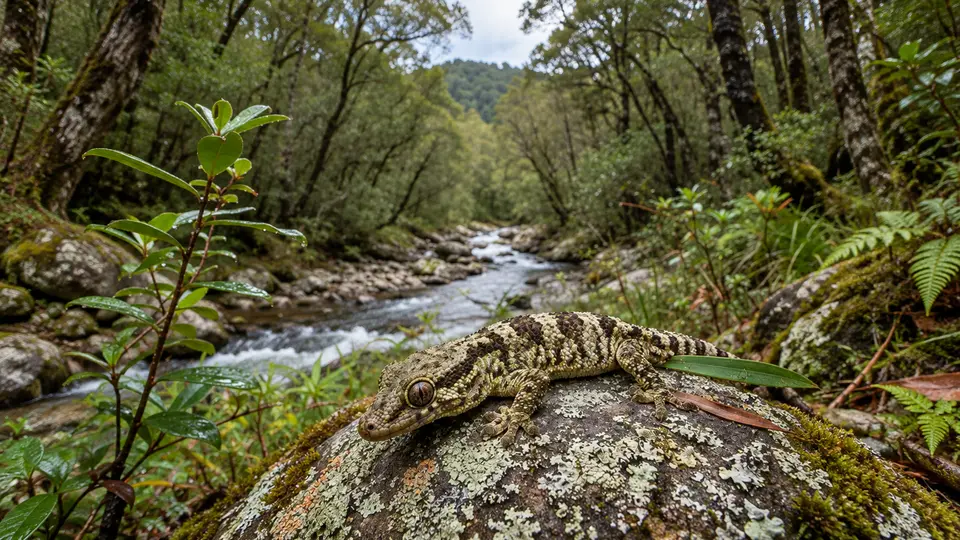
Shore skinkShore skinkCommon geckoCommon geckoTuataraTuatara
Animal groupReptilesAnimal groupReptilesAnimal groupReptiles
DestinationsNew ZealandDestinationsNew ZealandDestinationsNew Zealand
All wildlife destinations
Plan your trip

Find your next wildlife adventure

Compare destinations, shore programs and dates with the animals and habitats you would love to see.

  • Naturalist-led shore excursions
  • Responsible wildlife watching
  • Small expedition ships

Newsletter

Take Blue Rides with you

Adventure cruise offers, last-minute deals and trip inspiration.

Free, unsubscribe anytime. Details: Privacy Policy

Partner with Blue Rides

Affiliate Program

Recommend adventure cruises and earn commission on every confirmed booking.

Share. Track. Earn.