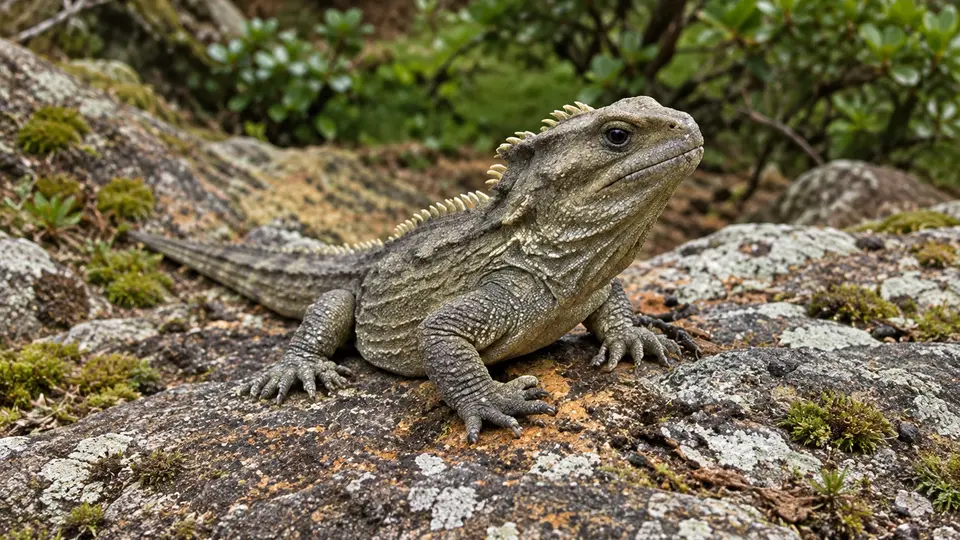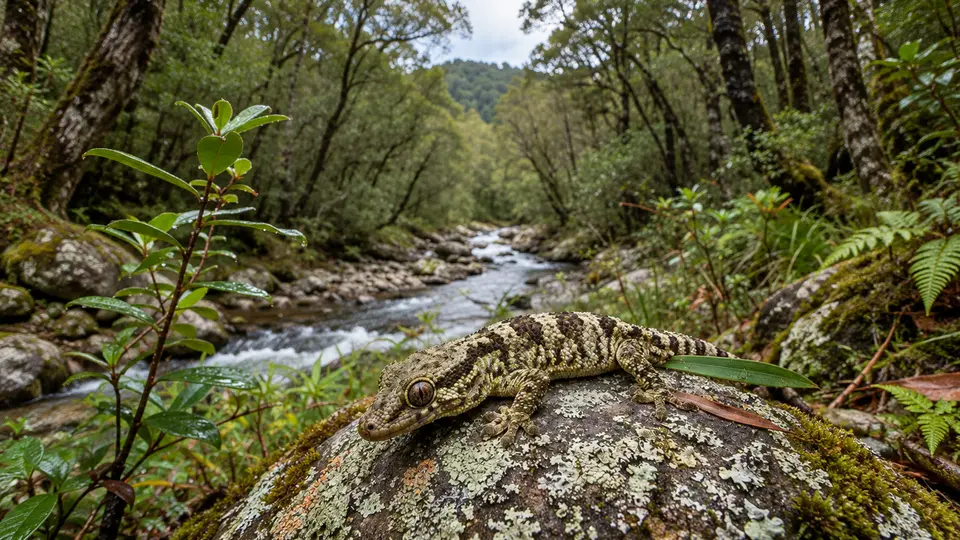
Common gecko in its natural habitat, AI illustration

Common geckoWhere and when to see them

Common gecko at a glance

In New Zealand, the name common gecko is not a secure modern species identification. It has historically been applied to a complex of related native geckos now separated into multiple taxa. Those animals differ in range, conservation status and ecological details, so a single scientific name or adult measurement would be misleading. A locality and, ideally, expert identification are needed before this catalog entry can become a genuinely species-specific profile.

Behaviour & reproduction

Size
Not reliably established
Weight
Not reliably established
Lifespan
Not reliably established
Status
Assessment varies

Geckos historically grouped under this label are generally secretive, often sheltering by day and becoming more active at night, although some bask near cover. Movement and visibility depend on temperature, moisture and the particular species involved. New Zealand's native geckos give birth to live young, but reproductive schedules should not be assigned to this ambiguous key. Handling or exposing retreats can harm animals and may breach wildlife protection rules. Many New Zealand geckos are primarily nocturnal, emerging after dark to forage and socialize. Some species are also heliothermic, actively basking in sunlight to raise their body temperature before becoming active. They are largely solitary animals, although they may share communal retreats during the day.

Top wildlife locations

New Zealand wildlife habitat

New Zealand

Coastal rocks and scrub may suit some geckos formerly given this name, but identity and occurrence remain unresolved. Sensitive island populations may be inaccessible, and an inland excursion cannot resolve ambiguity.
Destinations describe the species' habitat, not guaranteed cruise stops. Some animals require an optional inland excursion or are found in restricted reserves.

Fun facts about the Common gecko

  • The historical New Zealand common gecko concept has been split into several species.
  • New Zealand's native geckos give birth to live young.
  • Native geckos are legally protected in New Zealand.
  • Gecko identification may require details that casual photographs do not reveal.

Best time to see the Common gecko

No species-specific season can be justified from this key alone. Warmer conditions may increase surface activity in many New Zealand geckos, but locality, weather and species identity are essential. A national summer travel window would not establish a credible observation opportunity. Activity levels in New Zealand geckos are highest during the warmer months, typically from late spring through early autumn, when temperatures are more favorable for foraging and reproduction. During this period, geckos may be more visible, especially at night or in sunny spots. Cooler conditions or adverse weather significantly reduce their surface activity and observation opportunities.

Common gecko: season matrix by destination

Travel and observation windows vary by region. Highlighted months are an orientation for planning, not confirmed sightings or a guarantee of access.

New Zealand

The key covers an unresolved historical species complex, so no defensible species-specific shore observation window can be supplied.

JanFebMarAprMayJunJulAugSepOctNovDec
Cruise ships in New Zealand

Where the Common gecko lives

Depending on the actual species, relevant habitat may include coastal rock piles, scrub, forest margins or inland rocky country. These possibilities cannot establish presence at a particular shore. Some populations occupy protected islands or sensitive sites with tightly controlled access. Coastal populations of some New Zealand gecko species, including those historically grouped as 'Common gecko', can be found in a narrow band along shorelines. These geckos utilize natural rock crevices, coastal vegetation, or debris as shelter. Their presence may be indicated by suitable cover on rocky beaches or cliffs near the high-tide line.

What the Common gecko eats

Related New Zealand geckos commonly consume small invertebrates and may also take nectar or fruit. The importance of each food varies among species and locations. A precise dietary account requires resolving which animal the historical common name represents here. In addition to invertebrates, some New Zealand geckos are known to feed on fruit, pollen, and nectar from native plants, acting as important pollinators. This omnivorous diet allows them to exploit diverse food resources across their range. Their foraging habits are primarily nocturnal, aligning with the activity of many small invertebrates and flowering plants.

Species at a glance

Common name
Common gecko
Scientific name
Name covers more than one taxon
Animal group
Reptiles
Size
Not reliably established
Weight
Not reliably established
Lifespan
Not reliably established
Status
Assessment varies
Identification
The label cannot distinguish a species reliably, so locality and expert assessment of scale patterns and other diagnostic features are required. Distinguishing between New Zealand gecko species often requires close examination of scale patterns on the head and body, such as the arrangement of scales around the nostril. Tail shape and color patterns can also be diagnostic, but these features vary among species and even within populations. Consulting a local field guide or expert is crucial for accurate identification, as many species are cryptic.

Common gecko: frequently asked questions

Where can I see the Common gecko?
New Zealand. Seek identification advice before planning a search. Observe only animals visible from permitted paths; never lift rocks, strip bark, handle geckos or disclose sensitive locations. Many populations require specialist, authorised survey access. Geckos are generally well-camouflaged, making them difficult to spot even when present in an area. Binoculars can be useful for scanning rocky outcrops or tree trunks from a distance without disturbance. Look for them around dusk or dawn when they might be transitioning to or from their nocturnal activities.
When is the best time to see the Common gecko?
No species-specific season can be justified from this key alone. Warmer conditions may increase surface activity in many New Zealand geckos, but locality, weather and species identity are essential. A national summer travel window would not establish a credible observation opportunity. Activity levels in New Zealand geckos are highest during the warmer months, typically from late spring through early autumn, when temperatures are more favorable for foraging and reproduction. During this period, geckos may be more visible, especially at night or in sunny spots. Cooler conditions or adverse weather significantly reduce their surface activity and observation opportunities.
How big does the Common gecko get?
Not reliably established. Adult weight: Not reliably established. Size varies with age, sex and population.
How should I behave around the Common gecko?
Seek identification advice before planning a search. Observe only animals visible from permitted paths; never lift rocks, strip bark, handle geckos or disclose sensitive locations. Many populations require specialist, authorised survey access. Geckos are generally well-camouflaged, making them difficult to spot even when present in an area. Binoculars can be useful for scanning rocky outcrops or tree trunks from a distance without disturbance. Look for them around dusk or dawn when they might be transitioning to or from their nocturnal activities.
What does the Common gecko eat?
Related New Zealand geckos commonly consume small invertebrates and may also take nectar or fruit. The importance of each food varies among species and locations. A precise dietary account requires resolving which animal the historical common name represents here. In addition to invertebrates, some New Zealand geckos are known to feed on fruit, pollen, and nectar from native plants, acting as important pollinators. This omnivorous diet allows them to exploit diverse food resources across their range. Their foraging habits are primarily nocturnal, aligning with the activity of many small invertebrates and flowering plants.
Are wildlife sightings guaranteed on an adventure cruise?
No. Animals move freely and routes, weather, access restrictions and local conditions influence every outing. Confirm the actual itinerary and shore program before booking.

Compare wildlife in the same destinations

Explore other reptiles recorded in these destinations. Similar surroundings do not mean the animals share the same habits or viewing season.

Species comparison by animal group and destination
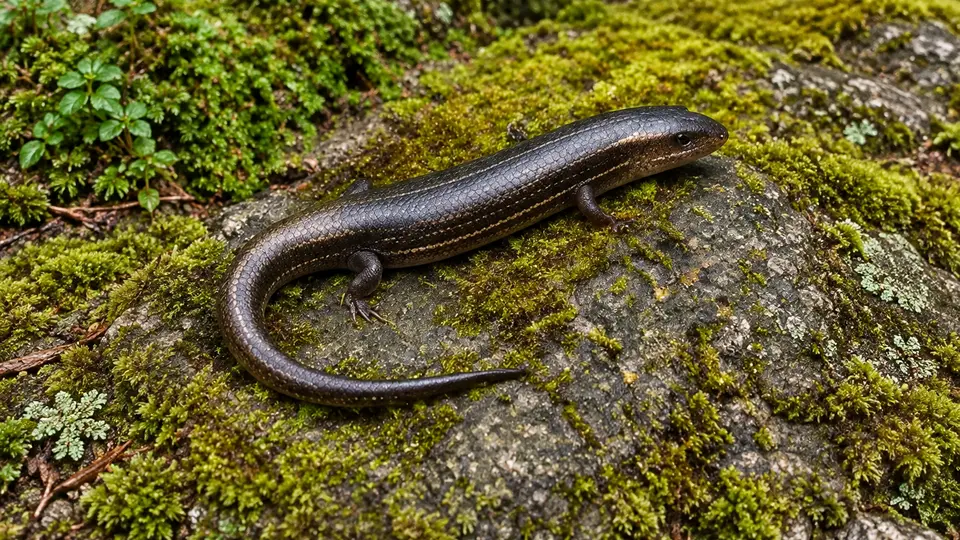
Common geckoCommon geckoShore skinkShore skinkTuataraTuatara
Animal groupReptilesAnimal groupReptilesAnimal groupReptiles
DestinationsNew ZealandDestinationsNew ZealandDestinationsNew Zealand
All wildlife destinations
Plan your trip

Find your next wildlife adventure

Compare destinations, shore programs and dates with the animals and habitats you would love to see.

  • Naturalist-led shore excursions
  • Responsible wildlife watching
  • Small expedition ships

Newsletter

Take Blue Rides with you

Adventure cruise offers, last-minute deals and trip inspiration.

Free, unsubscribe anytime. Details: Privacy Policy

Partner with Blue Rides

Affiliate Program

Recommend adventure cruises and earn commission on every confirmed booking.

Share. Track. Earn.

Your footage, our stage

Send us your videos or pictures.

Captured remarkable nature or wildlife on your journey? Share it with us, we may feature it on Blue Rides.