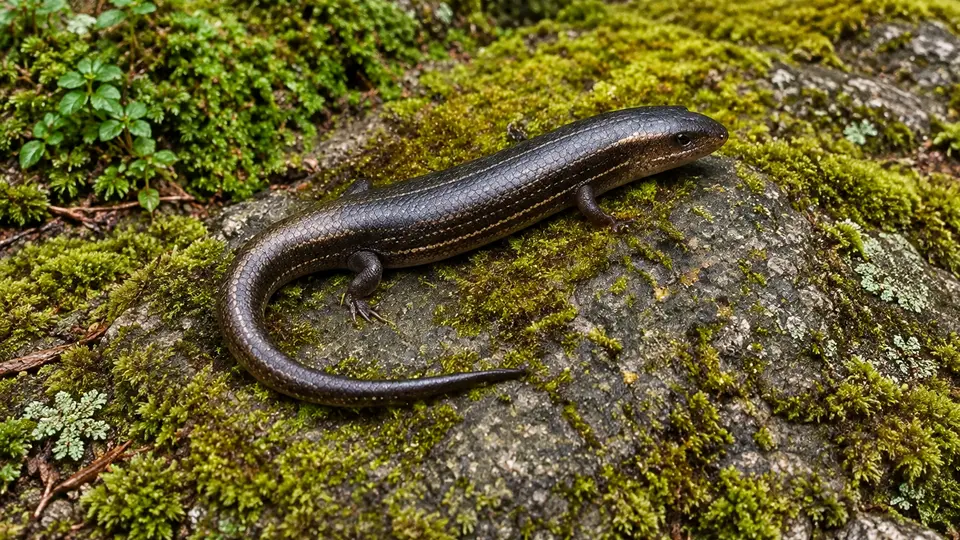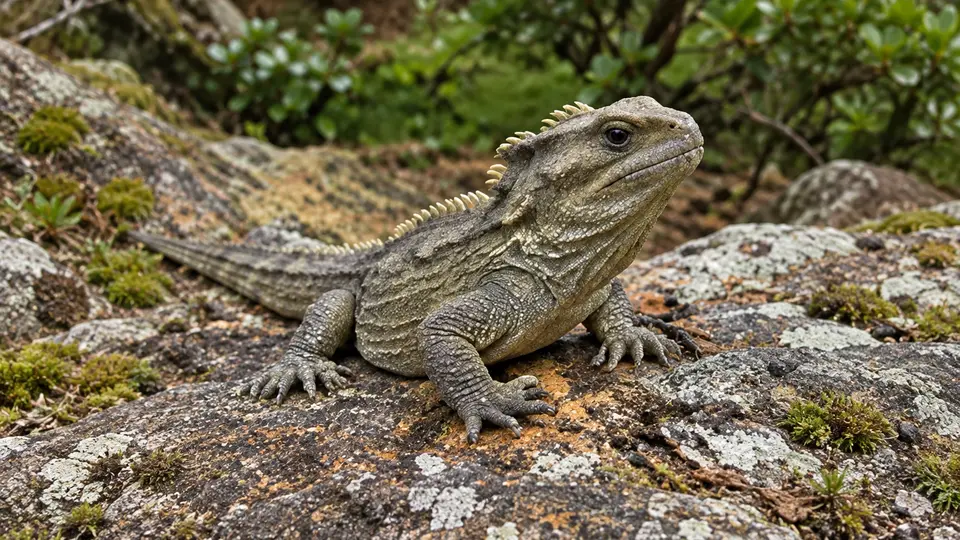
Tuatara in its natural habitat, AI illustration

Tuatara: where and when to see them

Sphenodon punctatus

Tuatara at a glance

The tuatara is a New Zealand reptile belonging to an ancient lineage separate from lizards and snakes. Although superficially lizard-like, it has distinctive skull anatomy and a unique arrangement of teeth. Wild populations survive chiefly on predator-free islands, with additional populations established through conservation transfers. Slow growth, late maturity and exceptional longevity characterize its life history. Its continued survival depends on preventing introduced mammals from reaching refuges and maintaining carefully managed habitats.

Behaviour & reproduction

Size
40–60 cm total length
Weight
0.3–1 kg
Lifespan
60–100+ years
Status
Least Concern

Tuatara spend much of their time in burrows, emerging to forage mainly at dusk or after dark, although they also bask by day. They remain active at lower temperatures than many reptiles. Adults defend space with displays, and males may fight during the breeding season. Reproduction is unusually slow: females breed infrequently, and eggs commonly take more than a year to hatch. Burrows may occur within seabird colonies. Tuatara are known for their exceptionally long lifespan, with individuals often living for over 60 years, and some even exceeding 100 years in captivity. They are primarily nocturnal or crepuscular, using their excellent night vision to hunt for prey after sunset.

Top wildlife locations

New Zealand wildlife habitat

New Zealand

Authorized predator-free island visits and managed sanctuaries offer terrestrial viewing beside scrub or burrow habitat. Many natural island populations are inaccessible to ordinary visitors; mainland sanctuary visits may require a separate inland excursion.

Adventure cruises in New Zealand
Destinations describe the species' habitat, not guaranteed cruise stops. Some animals require an optional inland excursion or are found in restricted reserves.

Fun facts about the Tuatara

  • Tuatara are the only living representatives of the order Rhynchocephalia.
  • Their upper jaw has two tooth rows that fit around one lower row.
  • Incubation temperature influences the sex of hatchlings.
  • A light-sensitive parietal eye is most evident in young animals.

Best time to see the Tuatara

Warmer months generally offer more opportunities to see tuatara active or basking at authorized sanctuaries. Local temperature, cloud and opening hours matter more than a national calendar. Many wild islands remain closed regardless of season, and breeding timing is not a visitor-access guide. The relatively slow metabolism of tuatara means their activity is less influenced by daily temperature fluctuations than many other reptiles, allowing for some activity even on cooler days. Optimal viewing conditions often coincide with warmer, settled weather, particularly in late spring and summer, encouraging them to bask.

Tuatara: season matrix by destination

Travel and observation windows vary by region. Highlighted months are an orientation for planning, not confirmed sightings or a guarantee of access.

New Zealand

Warmer spring-to-autumn conditions can favor surface activity, but access and visibility depend on the individual sanctuary rather than a guaranteed seasonal appearance.

JanFebMarAprMayJunJulAugSepOctNovDec
Cruise ships in New Zealand

Where the Tuatara lives

Natural strongholds are predator-free offshore islands with coastal scrub, grassland, forest and suitable burrowing ground. Seabird colonies can provide both burrows and food resources. Managed mainland sanctuaries also support tuatara, but ordinary unfenced coastal habitat should not be assumed to contain them. While naturally restricted to predator-free offshore islands, several mainland enclosures have been established to reintroduce and protect tuatara populations. These mainland sanctuaries provide secure, managed habitats, often with specially designed fencing to exclude invasive predators.

What the Tuatara eats

Beetles, crickets, spiders and other invertebrates make up much of the diet. Larger individuals also take small vertebrates, including lizards and occasionally seabird eggs or chicks. Juvenile tuatara can themselves be eaten by adults, encouraging younger animals to avoid close encounters. Their diet primarily consists of insects and other invertebrates found within their burrow systems or on the ground surface. They are opportunistic predators, and the specific composition of their diet can vary based on local prey availability.

Species at a glance

Common name
Tuatara
Scientific name
Sphenodon punctatus
Animal group
Reptiles
Size
40–60 cm total length
Weight
0.3–1 kg
Lifespan
60–100+ years
Status
Least Concern
Identification
Unlike New Zealand lizards, tuatara have a crest of soft spines along the back and lack visible external ear openings. A unique characteristic is the presence of a 'parietal eye' or 'third eye' on the top of their head, though it is covered by scales in adults and not outwardly visible. Their skin is rough and pebbled, offering camouflage within their rocky and vegetated surroundings.

Tuatara: frequently asked questions

Where can I see the Tuatara?
New Zealand. Use authorized sanctuary paths and allow basking animals an unobstructed retreat. Never touch or feed them, and follow strict footwear and baggage biosecurity instructions. A tuatara can deliver a painful bite if handled. When viewing tuatara, always maintain a respectful distance to avoid disturbing their natural behaviors or causing stress. Strict biosecurity protocols are crucial to prevent the accidental introduction of pests or diseases to their sensitive habitats.
When is the best time to see the Tuatara?
Warmer months generally offer more opportunities to see tuatara active or basking at authorized sanctuaries. Local temperature, cloud and opening hours matter more than a national calendar. Many wild islands remain closed regardless of season, and breeding timing is not a visitor-access guide. The relatively slow metabolism of tuatara means their activity is less influenced by daily temperature fluctuations than many other reptiles, allowing for some activity even on cooler days. Optimal viewing conditions often coincide with warmer, settled weather, particularly in late spring and summer, encouraging them to bask.
How big does the Tuatara get?
40–60 cm total length. Adult weight: 0.3–1 kg. Size varies with age, sex and population.
How should I behave around the Tuatara?
Use authorized sanctuary paths and allow basking animals an unobstructed retreat. Never touch or feed them, and follow strict footwear and baggage biosecurity instructions. A tuatara can deliver a painful bite if handled. When viewing tuatara, always maintain a respectful distance to avoid disturbing their natural behaviors or causing stress. Strict biosecurity protocols are crucial to prevent the accidental introduction of pests or diseases to their sensitive habitats.
What does the Tuatara eat?
Beetles, crickets, spiders and other invertebrates make up much of the diet. Larger individuals also take small vertebrates, including lizards and occasionally seabird eggs or chicks. Juvenile tuatara can themselves be eaten by adults, encouraging younger animals to avoid close encounters. Their diet primarily consists of insects and other invertebrates found within their burrow systems or on the ground surface. They are opportunistic predators, and the specific composition of their diet can vary based on local prey availability.
Are wildlife sightings guaranteed on an adventure cruise?
No. Animals move freely and routes, weather, access restrictions and local conditions influence every outing. Confirm the actual itinerary and shore program before booking.

Compare wildlife in the same destinations

Explore other reptiles recorded in these destinations. Similar surroundings do not mean the animals share the same habits or viewing season.

Species comparison by animal group and destination
TuataraTuataraCommon geckoCommon geckoShore skinkShore skink
Animal groupReptilesAnimal groupReptilesAnimal groupReptiles
DestinationsNew ZealandDestinationsNew ZealandDestinationsNew Zealand
All wildlife destinations
Plan your trip

Find your next wildlife adventure

Compare destinations, shore programs and dates with the animals and habitats you would love to see.

  • Naturalist-led shore excursions
  • Responsible wildlife watching
  • Small expedition ships

Newsletter

Take Blue Rides with you

Adventure cruise offers, last-minute deals and trip inspiration.

Free, unsubscribe anytime. Details: Privacy Policy

Partner with Blue Rides

Affiliate Program

Recommend adventure cruises and earn commission on every confirmed booking.

Share. Track. Earn.

Your footage, our stage

Send us your videos or pictures.

Captured beautiful landscapes or wildlife? Share your videos and pictures with us, we may feature them on Blue Rides.