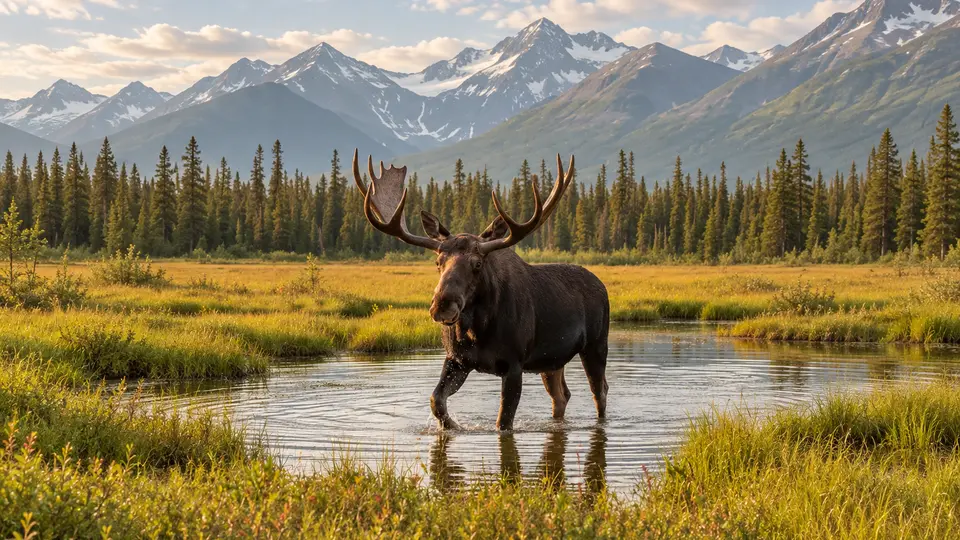
Moose in its natural habitat, AI illustration

Moose: where and when to see them

Alces alces

Moose at a glance

The moose is the largest living deer, distinguished by long legs, an elongated muzzle and a hanging throat flap called a bell. Males grow broad, palmate antlers, while females lack antlers. Its long limbs help it move through snow and wetlands, and its flexible upper lip gathers woody browse. Populations in Alaska and New England occupy different climatic settings, with heat stress, parasites and habitat conditions influencing their local fortunes.

Behaviour & reproduction

Size
1.4-2.1 m at shoulder
Weight
200-700 kg
Lifespan
10-20 years
Status
Least Concern

Moose are usually solitary or found in small family associations rather than large herds. They browse slowly through woodland and wetlands, resting for long periods to digest food. Cows can defend calves forcefully, and bulls become less predictable during the autumn rut. Despite their size and sometimes unhurried appearance, moose can run rapidly and kick in several directions, making close roadside or trail encounters potentially dangerous. Moose often seek shade and cooler temperatures during the hottest parts of summer, frequently resting in water or dense cover. During the rut, bulls will spar with rivals and establish dominance, sometimes leading to dramatic displays of strength.

Top wildlife locations

Alaska wildlife habitat

Alaska

Willow-lined riverbanks, wetland edges and wooded coastal lowlands provide plausible habitat. Some viewing is possible near coastal communities, although inland excursions often offer better habitat and animals may also enter roads or settlements.

Adventure cruises in Alaska
New England wildlife habitat

New England

Northern forest lakeshores, marsh edges and regenerating woodland offer suitable habitat, usually requiring an inland excursion from coastal ports. Moose are scarce along most populated shores, and roadside viewing must not obstruct traffic.

Adventure cruises in New England

Destinations describe the species' habitat, not guaranteed cruise stops. Some animals require an optional inland excursion or are found in restricted reserves.

Fun facts about the Moose

  • Bulls shed and regrow their antlers each year.
  • The throat flap is traditionally called a bell.
  • Moose can feed on aquatic plants as well as woody browse.
  • Calves can stand and follow their mothers soon after birth.

Best time to see the Moose

Late spring and summer offer long daylight and opportunities near wetlands, particularly during cool morning or evening hours. Autumn brings rutting activity but additional safety concerns. Local weather, hunting seasons and road access should guide plans rather than assumptions of predictable appearances. Prime viewing for calves with their mothers is typically late spring to early summer. Winter can offer clearer viewing opportunities due to reduced foliage and moose often congregating in more accessible valley bottoms.

Moose: season matrix by destination

Travel and observation windows vary by region. Highlighted months are an orientation for planning, not confirmed sightings or a guarantee of access.

Alaska

Long daylight and generally accessible roads support observation; autumn rutting increases the need for distance, not the certainty of sightings.

JanFebMarAprMayJunJulAugSepOctNovDec
Cruise ships in Alaska

New England

This is a practical inland travel window; cool conditions favor activity, while summer heat and regional population differences affect observation prospects.

JanFebMarAprMayJunJulAugSepOctNovDec
Cruise ships in New England

Where the Moose lives

They use boreal and northern temperate forests, willow thickets, regenerating woodland and wetlands. Lakeshores and river margins can offer feeding habitat, but moose are not specifically coastal animals. In New England especially, suitable observation areas often require a substantial inland excursion. Though not coastal, some populations, particularly in Alaska, utilize coastal plain and taiga habitats where available. They require large home ranges, often moving between different seasonal feeding grounds.

What the Moose eats

Moose browse willow, birch, aspen and other woody plants, adding leaves, herbs and aquatic vegetation seasonally. Summer wetland feeding provides nutrient-rich foods. Winter diets become woodier, with twigs and shrubs sustaining animals when green vegetation is unavailable beneath snow. In summer, aquatic plants such as water lilies and pondweed are a crucial part of their diet, providing essential sodium. Their unique digestive system allows them to process large quantities of tough woody material during winter.

Species at a glance

Common name
Moose
Scientific name
Alces alces
Animal group
Mammals
Size
1.4-2.1 m at shoulder
Weight
200-700 kg
Lifespan
10-20 years
Status
Least Concern
Identification
Long legs, a pendulous muzzle and, in adult males, broad palmate antlers distinguish moose from elk and other North American deer. The dewlap, a flap of skin hanging from the throat, is more prominent in bulls and can help identify mature animals. Antler size and shape vary with age and nutritional status, typically reaching their largest spread around 8-12 years of age.

Moose: frequently asked questions

Where can I see the Moose?
Alaska, New England. Use binoculars from a generous distance and never stand between a cow and calf. Retreat behind solid cover if a moose approaches with ears pinned back. Keep dogs restrained and avoid blocking escape routes. Be mindful that moose may approach vehicles or people out of curiosity or habit, but this should not be interpreted as friendliness. Always ensure you have an escape route and are not cornering the animal, especially on narrow trails.
When is the best time to see the Moose?
Late spring and summer offer long daylight and opportunities near wetlands, particularly during cool morning or evening hours. Autumn brings rutting activity but additional safety concerns. Local weather, hunting seasons and road access should guide plans rather than assumptions of predictable appearances. Prime viewing for calves with their mothers is typically late spring to early summer. Winter can offer clearer viewing opportunities due to reduced foliage and moose often congregating in more accessible valley bottoms.
How big does the Moose get?
1.4-2.1 m at shoulder. Adult weight: 200-700 kg. Size varies with age, sex and population.
How should I behave around the Moose?
Use binoculars from a generous distance and never stand between a cow and calf. Retreat behind solid cover if a moose approaches with ears pinned back. Keep dogs restrained and avoid blocking escape routes. Be mindful that moose may approach vehicles or people out of curiosity or habit, but this should not be interpreted as friendliness. Always ensure you have an escape route and are not cornering the animal, especially on narrow trails.
What does the Moose eat?
Moose browse willow, birch, aspen and other woody plants, adding leaves, herbs and aquatic vegetation seasonally. Summer wetland feeding provides nutrient-rich foods. Winter diets become woodier, with twigs and shrubs sustaining animals when green vegetation is unavailable beneath snow. In summer, aquatic plants such as water lilies and pondweed are a crucial part of their diet, providing essential sodium. Their unique digestive system allows them to process large quantities of tough woody material during winter.
Are wildlife sightings guaranteed on an adventure cruise?
No. Animals move freely and routes, weather, access restrictions and local conditions influence every outing. Confirm the actual itinerary and shore program before booking.

Compare wildlife in the same destinations

Explore other mammals recorded in these destinations. Similar surroundings do not mean the animals share the same habits or viewing season.

Species comparison by animal group and destination
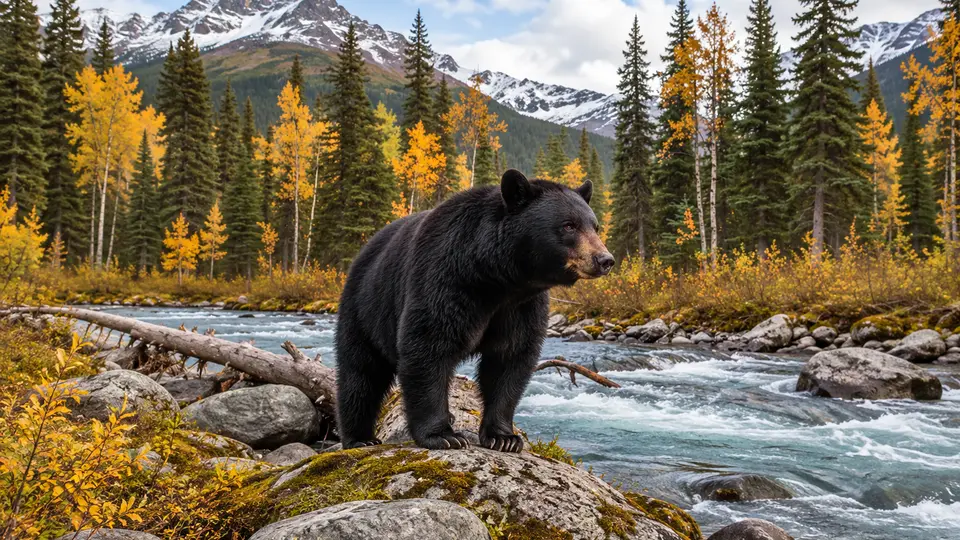
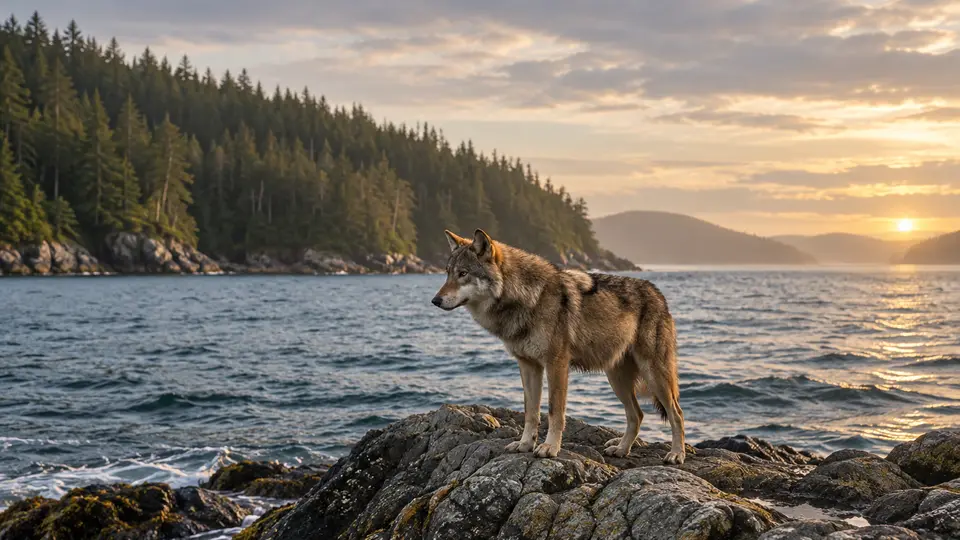
MooseMooseAlexander Archipelago WolfAlexander Archipelago WolfAmerican Black BearAmerican Black Bear
Animal groupMammalsAnimal groupMammalsAnimal groupMammals
DestinationsAlaska, New EnglandDestinationsAlaskaDestinationsAlaska, New England
All wildlife destinations
Plan your trip

Find your next wildlife adventure

Compare destinations, shore programs and dates with the animals and habitats you would love to see.

  • Naturalist-led shore excursions
  • Responsible wildlife watching
  • Small expedition ships

Newsletter

Take Blue Rides with you

Adventure cruise offers, last-minute deals and trip inspiration.

Free, unsubscribe anytime. Details: Privacy Policy

Partner with Blue Rides

Affiliate Program

Recommend adventure cruises and earn commission on every confirmed booking.

Share. Track. Earn.

Your footage, our stage

Send us your videos or pictures.

Captured beautiful landscapes or wildlife? Share your videos and pictures with us, we may feature them on Blue Rides.