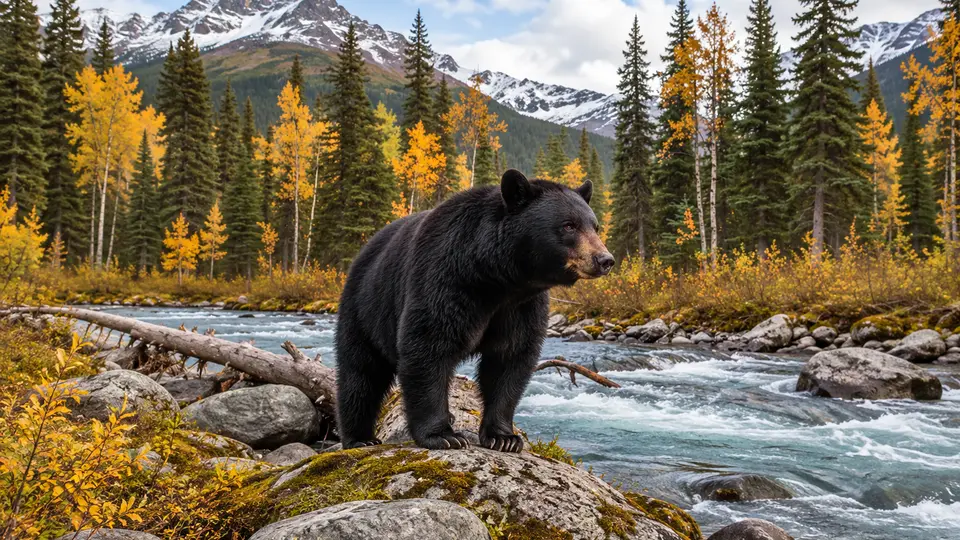
American Black Bear in its natural habitat, AI illustration
Size1.2-1.9 m longLifespan15-25 yearsStatusLeast Concern

American Black Bear: where and when to see them

Ursus americanus

American Black Bear at a glance

The American black bear is a widespread North American omnivore, occupying forests from Alaska to the southeastern United States. Despite its name, its coat may be black, brown, cinnamon or, in certain coastal populations, much paler. It is usually smaller and less heavily shouldered than a brown bear. Regional diets and seasonal movements vary greatly, so an Alaskan shoreline bear and a New England woodland bear may be exploiting very different resources.

Behaviour & reproduction

Size
1.2-1.9 m long
Weight
40-250 kg
Lifespan
15-25 years
Status
Least Concern

Black bears are mostly solitary except for mothers with cubs and temporary gatherings at abundant foods. They climb readily, investigate their surroundings with an excellent sense of smell and can become strongly attracted to unsecured human food. Feeding intensifies before winter denning, when suitable fat reserves are crucial. Denning duration varies with climate and food supply. Females give birth while denned, and cubs remain dependent on their mother well beyond their first summer. They possess an acute sense of hearing and a relatively good sense of sight, though smell is their primary sense for locating food. Black bears are excellent swimmers and often cross bodies of water, particularly in coastal and wetland areas. Their ability to adapt to human presence and exploit human-provided food sources can lead to habituation, posing challenges for both bears and people.

Top wildlife locations

Alaska wildlife habitat

Alaska

Forested southeastern Alaskan shores and salmon-stream margins sometimes allow distant deck or managed viewpoint observation. Access to suitable shores varies, sightings are uncertain, and brown bears may occur in the same broader region.

Adventure cruises in Alaska
New England wildlife habitat

New England

Black bears mainly occupy inland forests, wetlands and wooded foothills rather than exposed coasts. An inland excursion is normally required, and ordinary trails offer only chance sightings rather than dependable bear viewing.

Adventure cruises in New England

Destinations describe the species' habitat, not guaranteed cruise stops. Some animals require an optional inland excursion or are found in restricted reserves.

Fun facts about the American Black Bear

  • Black bears can have cinnamon or brown coats.
  • Their curved claws are effective for climbing trees.
  • Cubs are born while the mother is in her winter den.
  • Autumn feeding can focus heavily on a locally abundant berry or nut crop.

Best time to see the American Black Bear

May through September generally covers active-season travel in Alaska, with local salmon timing affecting some coastal opportunities. In New England, spring through autumn is suitable for woodland excursions. Neither region has a universal viewing peak, and food availability can shift activity substantially. Prime viewing opportunities often coincide with berry ripening in summer or the salmon runs in Alaska, which concentrate bears along rivers and streams. Autumn leaf fall in New England can make bears more visible before they den, as they forage extensively to build fat reserves. Early morning and late evening are generally the most active times for foraging.

American Black Bear: season matrix by destination

Travel and observation windows vary by region. Highlighted months are an orientation for planning, not confirmed sightings or a guarantee of access.

Alaska

This active-season travel window is broad; local salmon runs and food conditions, not the calendar alone, determine coastal bear use.

JanFebMarAprMayJunJulAugSepOctNovDec
Cruise ships in Alaska

New England

These months broadly overlap activity outside winter dens; elevation, food supplies and weather change local timing and visibility.

JanFebMarAprMayJunJulAugSepOctNovDec
Cruise ships in New England

Where the American Black Bear lives

Forests with dense cover, varied plant foods and secure resting areas are central habitat. Bears also use wetlands, meadows and coastal margins. In Alaska they may forage beside salmon streams, while New England sightings more often involve inland woodland and forest edges. They are highly adaptable and can be found in a wide variety of habitats from sea level to high elevations. Proximity to human development is not a deterrent if cover and food sources are available. In Alaska, they often inhabit temperate rainforests and glacial valleys, while in New England, they frequent mixed hardwood forests and swampy areas.

What the American Black Bear eats

Plants supply much of the diet, including young shoots, berries, nuts and other seasonal foods. Bears also eat insects, carrion and occasional vertebrate prey. Salmon can be important locally in Alaska, whereas mast crops such as acorns strongly influence autumn feeding in New England. Their diet is highly opportunistic and varies seasonally, reflecting local food availability. They consume a broad spectrum of items, ranging from grasses and forbs in spring to a variety of fruits and insects in summer. In New England, agricultural crops like corn can also be a significant food source during certain times of the year.

Species at a glance

Common name
American Black Bear
Scientific name
Ursus americanus
Animal group
Mammals
Size
1.2-1.9 m long
Weight
40-250 kg
Lifespan
15-25 years
Status
Least Concern
Identification
Compared with a brown bear, it generally lacks a prominent shoulder hump and has taller ears and a straighter facial profile, regardless of coat colour. Despite the name, their fur color can vary from jet black to cinnamon, light brown, or even bluish-black, and they often have a white chest patch. A key identifier is their short, rounded claws, which are well-suited for climbing trees. Adults typically weigh between 200 and 600 pounds, but size can vary greatly with region and food availability.

American Black Bear: frequently asked questions

Where can I see the American Black Bear?
Alaska, New England. Use distant viewpoints and secure all food and scented items. Never approach cubs or crowd a feeding bear. If a bear notices you at close range, remain calm, do not run and follow local bear-safety guidance. Always maintain a safe distance of at least 100 yards (90 meters) from bears. If viewing from a vessel, use binoculars to observe without disturbing their natural activities. Look for signs of bear activity such as scat, tracks, or overturned rocks indicating foraging.
When is the best time to see the American Black Bear?
May through September generally covers active-season travel in Alaska, with local salmon timing affecting some coastal opportunities. In New England, spring through autumn is suitable for woodland excursions. Neither region has a universal viewing peak, and food availability can shift activity substantially. Prime viewing opportunities often coincide with berry ripening in summer or the salmon runs in Alaska, which concentrate bears along rivers and streams. Autumn leaf fall in New England can make bears more visible before they den, as they forage extensively to build fat reserves. Early morning and late evening are generally the most active times for foraging.
How big does the American Black Bear get?
1.2-1.9 m long. Adult weight: 40-250 kg. Size varies with age, sex and population.
How should I behave around the American Black Bear?
Use distant viewpoints and secure all food and scented items. Never approach cubs or crowd a feeding bear. If a bear notices you at close range, remain calm, do not run and follow local bear-safety guidance. Always maintain a safe distance of at least 100 yards (90 meters) from bears. If viewing from a vessel, use binoculars to observe without disturbing their natural activities. Look for signs of bear activity such as scat, tracks, or overturned rocks indicating foraging.
What does the American Black Bear eat?
Plants supply much of the diet, including young shoots, berries, nuts and other seasonal foods. Bears also eat insects, carrion and occasional vertebrate prey. Salmon can be important locally in Alaska, whereas mast crops such as acorns strongly influence autumn feeding in New England. Their diet is highly opportunistic and varies seasonally, reflecting local food availability. They consume a broad spectrum of items, ranging from grasses and forbs in spring to a variety of fruits and insects in summer. In New England, agricultural crops like corn can also be a significant food source during certain times of the year.
Are wildlife sightings guaranteed on an adventure cruise?
No. Animals move freely and routes, weather, access restrictions and local conditions influence every outing. Confirm the actual itinerary and shore programme before booking.

Compare wildlife in the same destinations

Explore other mammals recorded in these destinations. Similar surroundings do not mean the animals share the same habits or viewing season.

Species comparison by animal group and destination
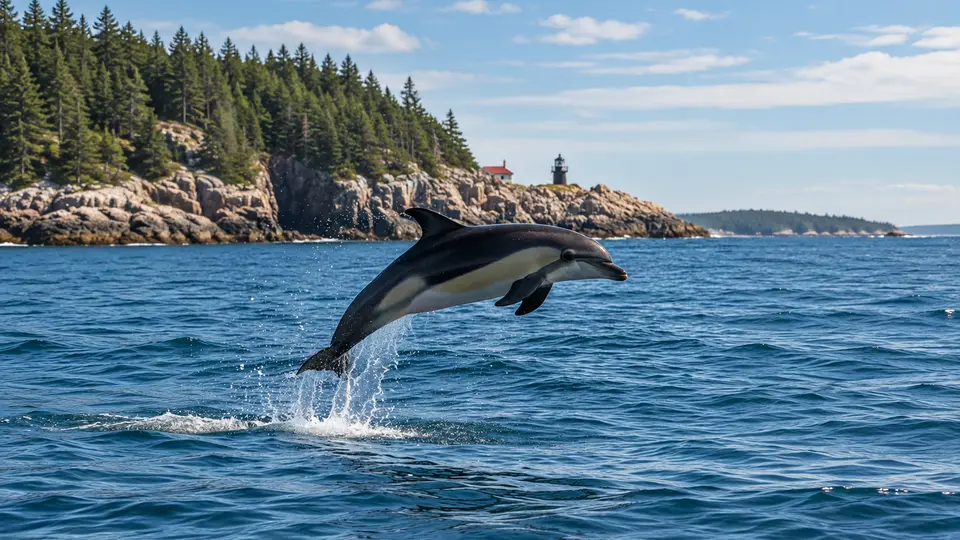
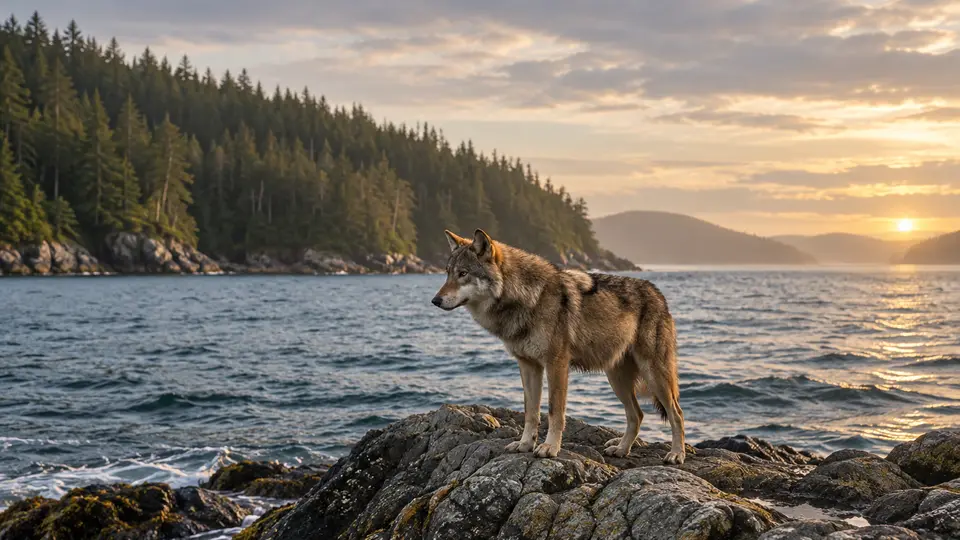
American Black BearAmerican Black BearAlexander Archipelago WolfAlexander Archipelago WolfAtlantic White-sided DolphinAtlantic White-sided Dolphin
Animal groupMammalsAnimal groupMammalsAnimal groupMammals
DestinationsAlaska, New EnglandDestinationsAlaskaDestinationsNew England
All wildlife destinations
Plan your trip

Find your next wildlife adventure

Compare destinations, shore programmes and dates with the animals and habitats you would love to see.

  • Naturalist-led shore excursions
  • Responsible wildlife watching
  • Small expedition ships

Newsletter

Take Blue Rides with you

Adventure cruise offers, last-minute deals and trip inspiration.

Free, unsubscribe anytime. Details: Privacy Policy

Partner with Blue Rides

Affiliate Program

Recommend adventure cruises and earn commission on every confirmed booking.

Share. Track. Earn.