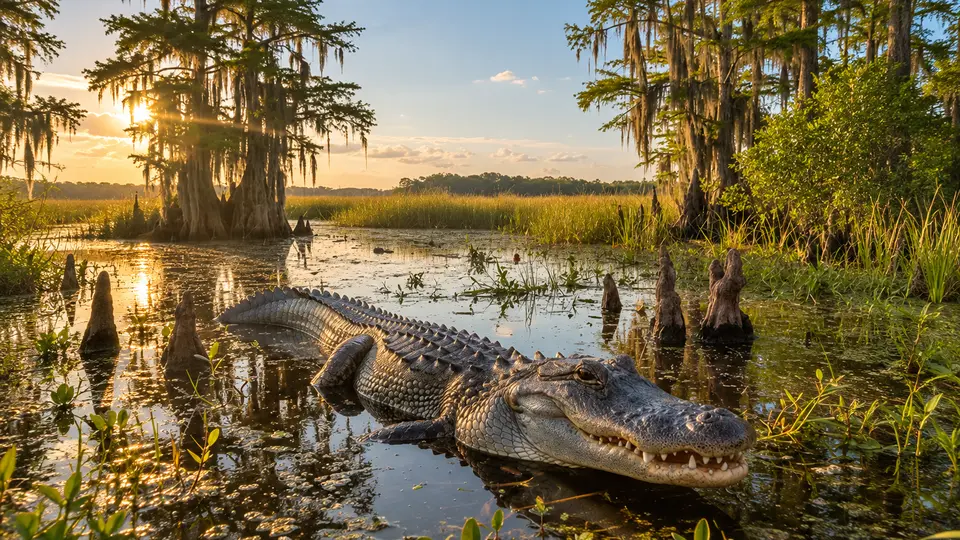
American Alligator in its natural habitatAI-modified

American AlligatorAlligator mississippiensisWhere and when to see them

American Alligator at a glance

The American alligator is a large freshwater crocodilian native to the southeastern United States. Its broad snout, armoured body and muscular tail suit an amphibious life in wetlands. Once severely depleted by hunting, it recovered following legal protection and regulated management. Alligators also shape their surroundings: excavated depressions can retain water during dry periods and provide refuges for other wetland animals, making this predator an important participant in ecosystem structure.

Behaviour & reproduction

Size
2.6-4.3 m (8.5-14.1 ft) long
Weight
90-360 kg (198-794 lb)
Lifespan
35-50 years
Status
Least Concern

Alligators regulate body temperature by moving between water, sun and shade. They often remain nearly motionless, but can react rapidly at close range. During courtship, males bellow and produce conspicuous vibrations in the water. Females build vegetation nests, guard them and may help newly hatched young reach water. Juveniles sometimes remain near their mother for an extended period. Seasonal water levels and temperature strongly influence movements, feeding activity and the places where animals become visible. Alligators are territorial, especially during breeding season, and males will defend their preferred areas. They are known for their powerful jaws and tail, which are used for both propulsion in water and defense.

Top wildlife locations

Florida wildlife habitatAI-modified

Florida

Freshwater marsh boardwalks, lake overlooks and managed wetland trails offer shore-based observation. Inland excursions are often needed from coastal ports; alligators can also occur in urban waters, where close bank approaches are unsafe.
Destinations describe the species' habitat, not guaranteed cruise stops. Some animals require an optional inland excursion or are found in restricted reserves.

Fun facts about the American Alligator

  • Females build nests from vegetation and other material.
  • Nest temperature influences the sex of developing young.
  • Alligator holes can retain water as surrounding wetlands dry.
  • Males produce low-frequency bellows during courtship.

Best time to see the American Alligator

Florida’s cooler dry-season months, roughly November through April, often provide comfortable boardwalk visits and opportunities to see basking animals. Alligators remain present year-round, but hot weather can shift visible activity toward cooler hours. Water levels influence their concentration and visibility. In the drier months, reduced water levels can concentrate alligators in deeper pools, making them easier to spot along water edges. Cooler temperatures also lead to increased basking behavior, as they seek external warmth to regulate their body temperature.

American Alligator: season matrix by destination

Travel and observation windows vary by region. Highlighted months are an orientation for planning, not confirmed sightings or a guarantee of access.

Florida

Cooler, generally drier months suit visitor access and basking observation; local water levels and cold spells can still reduce visibility.

JanFebMarAprMayJunJulAugSepOctNovDec
Cruise ships in Florida

Where the American Alligator lives

Freshwater marshes, swamps, lakes, ponds and slow rivers are core habitats. Alligators also use canals and occasionally brackish wetlands, but tolerate prolonged salt exposure less well than crocodiles. In Florida, suitable habitat can occur close to roads, housing and recreation areas. They dig 'gator holes' which can provide critical water and refuge for other species during dry periods. These holes expand into larger ponds over time, creating diverse microhabitats within wetlands.

What the American Alligator eats

Adults eat fish, turtles, birds and mammals, taking prey according to size and opportunity. Young alligators consume insects, crustaceans and small fish before shifting toward larger animals. Carrion is also eaten, and feeding intensity generally declines during cooler weather. Despite their formidable appearance, adults are opportunistic feeders, consuming almost anything they can overpower, including snakes and even smaller alligators. They are apex predators, playing a crucial role in controlling populations of prey species within their ecosystems.

Species at a glance

Common name
American Alligator
Scientific name
Alligator mississippiensis
Animal group
Reptiles
Size
2.6-4.3 m (8.5-14.1 ft) long
Weight
90-360 kg (198-794 lb)
Lifespan
35-50 years
Status
Least Concern
Identification
Its broad U-shaped snout and usually concealed lower fourth tooth distinguish it from the narrower-snouted American crocodile when the mouth is closed. Beyond the snout shape, their skin is typically dark, often olive, brown, or black, providing excellent camouflage in their wetland environments. Their teeth are peg-like and numerous, designed for grasping and crushing rather than slicing.

American Alligator: frequently asked questions

Where can I see the American Alligator?
Florida. Observe from boardwalks or well back from the bank. Never feed an alligator, approach a nest or allow pets near the water. A motionless animal can move quickly, so maintain the distance required by site staff. Always use binoculars for a closer look, maintaining a safe and respectful distance from all wildlife. Pay attention to interpretive signs at parks and preserves, as they often provide specific safety guidelines for that location.
When is the best time to see the American Alligator?
Florida’s cooler dry-season months, roughly November through April, often provide comfortable boardwalk visits and opportunities to see basking animals. Alligators remain present year-round, but hot weather can shift visible activity toward cooler hours. Water levels influence their concentration and visibility. In the drier months, reduced water levels can concentrate alligators in deeper pools, making them easier to spot along water edges. Cooler temperatures also lead to increased basking behavior, as they seek external warmth to regulate their body temperature.
How big does the American Alligator get?
2.6-4.3 m (8.5-14.1 ft) long. Adult weight: 90-360 kg (198-794 lb). Size varies with age, sex and population.
How should I behave around the American Alligator?
Observe from boardwalks or well back from the bank. Never feed an alligator, approach a nest or allow pets near the water. A motionless animal can move quickly, so maintain the distance required by site staff. Always use binoculars for a closer look, maintaining a safe and respectful distance from all wildlife. Pay attention to interpretive signs at parks and preserves, as they often provide specific safety guidelines for that location.
What does the American Alligator eat?
Adults eat fish, turtles, birds and mammals, taking prey according to size and opportunity. Young alligators consume insects, crustaceans and small fish before shifting toward larger animals. Carrion is also eaten, and feeding intensity generally declines during cooler weather. Despite their formidable appearance, adults are opportunistic feeders, consuming almost anything they can overpower, including snakes and even smaller alligators. They are apex predators, playing a crucial role in controlling populations of prey species within their ecosystems.
Are wildlife sightings guaranteed on an adventure cruise?
No. Animals move freely and routes, weather, access restrictions and local conditions influence every outing. Confirm the actual itinerary and shore program before booking.

Compare wildlife in the same destinations

Explore other reptiles recorded in these destinations. Similar surroundings do not mean the animals share the same habits or viewing season.

Species comparison by animal group and destination
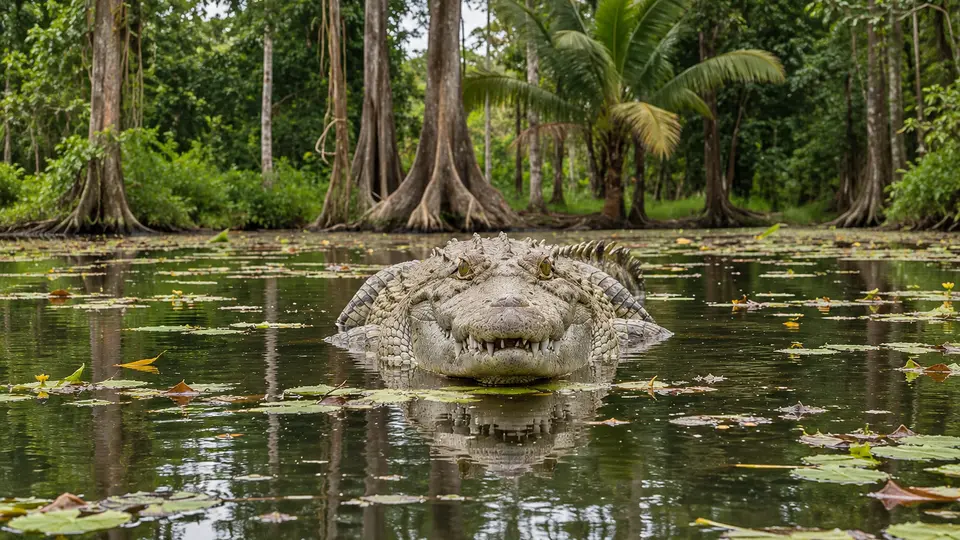
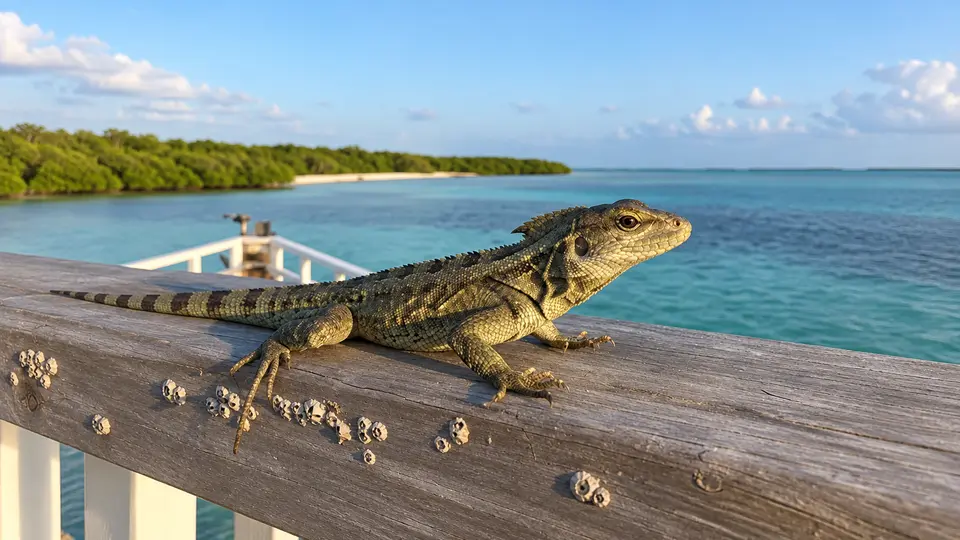
American AlligatorAI-modifiedAmerican AlligatorAmerican CrocodileAI-modifiedAmerican CrocodileBrown BasiliskAI-modifiedBrown Basilisk
Animal groupReptilesAnimal groupReptilesAnimal groupReptiles
DestinationsFloridaDestinationsCosta Rica, FloridaDestinationsFlorida
Scientific nameAlligator mississippiensisScientific nameScientific name
All wildlife destinations
AI-modified
Plan your trip

Find your next wildlife adventure

Compare destinations, shore programs and dates with the animals and habitats you would love to see.

  • Naturalist-led shore excursions
  • Responsible wildlife watching
  • Small expedition ships