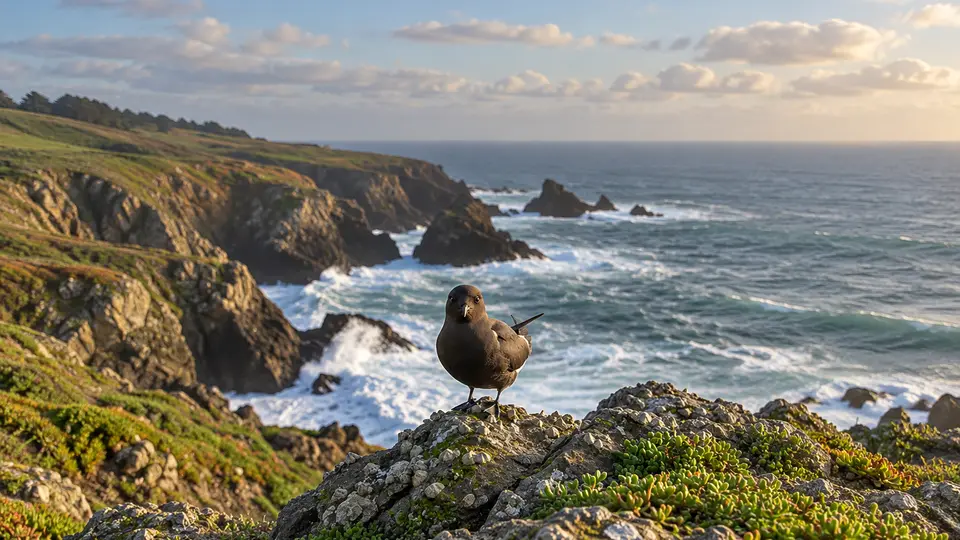
Monteiro's Storm Petrel in its natural habitatAI-modified

Monteiro's Storm PetrelHydrobates monteiroiWhere and when to see them

Monteiro's Storm Petrel at a glance

Monteiro's storm petrel is a small, dark seabird whose known breeding range is restricted to the Azores. Recognized as a separate species in 2008, it was previously confused with the band-rumped storm petrel complex. Its tiny breeding range makes colony protection especially important. Most of its life is spent at sea, and ordinary shore visitors are unlikely to obtain the close, sustained views needed to distinguish it confidently from similar storm petrels.

Behaviour & reproduction

Size
18-20 cm (7.1-7.9 in) long
Weight
35-60 g (1.2-2.1 oz)
Lifespan
Not reliably established
Status
Vulnerable

At sea, it searches for food close to the surface, combining fluttering flight with brief dipping and pattering movements. Breeding adults return to rocky nesting crevices mainly after dark, reducing exposure to predators. Pairs rear a single chick during the warm-season breeding cycle. Its seasonal separation from similar storm petrels breeding in the cooler part of the year helped researchers recognize that two distinct species were involved. Courtship displays and pair bonding occur prior to egg-laying within their concealed nesting sites. Adults show strong fidelity to their breeding colonies and often reuse the same nest site in subsequent years. They spend the non-breeding season widely dispersed across the tropical and subtropical Atlantic Ocean.

Top wildlife locations

Portugal wildlife habitatAI-modified

Portugal

The relevant destination is the Azores, especially waters near Graciosa's breeding islets. Colonies are sensitive and restricted, not standard landings; distant coastal or deck views are possible but rarely sufficient for confident identification.
Destinations describe the species' habitat, not guaranteed cruise stops. Some animals require an optional inland excursion or are found in restricted reserves.

Fun facts about the Monteiro's Storm Petrel

  • The species was formally described in 2008.
  • Its name honors Portuguese seabird researcher Luís Monteiro.
  • It lays only one egg in a breeding attempt.
  • Different seasonal breeding schedules helped reveal its separation from similar Azorean storm petrels.

Best time to see the Monteiro's Storm Petrel

Late spring through summer overlaps the species' warm-season breeding presence around the Azores. This improves regional relevance, not the reliability of shore identification. Calm conditions and expert guidance may help with distant deck observations, while colony access remains restricted. While generally elusive, calm sea conditions during summer months can increase the chances of encountering them further offshore. Specialized pelagic trips during this period are the most effective way to observe this species. The extended daylight hours in summer also facilitate offshore observation opportunities.

Monteiro's Storm Petrel: season matrix by destination

Travel and observation windows vary by region. Highlighted months are an orientation for planning, not confirmed sightings or a guarantee of access.

Portugal

These months overlap warm-season colony attendance; they do not imply accessible colonies or confirmed sightings from particular shores.

JanFebMarAprMayJunJulAugSepOctNovDec
Cruise ships in Portugal

Where the Monteiro's Storm Petrel lives

It breeds in cavities and crevices on a very small number of Azorean islets and forages across surrounding oceanic waters. Breeding habitat is sensitive and access may be restricted. Mainland Portuguese coasts are not a realistic substitute for its Azorean range. This restricted distribution makes it particularly vulnerable to introduced predators such as cats and rats on its breeding islets. Conservation efforts often focus on eradicating these invasive species to protect nesting success. The species is endemic to the Azores archipelago.

What the Monteiro's Storm Petrel eats

Small fish, squid and marine crustaceans form its food supply, collected at or near the sea surface. Some prey become more accessible after dark through vertical migration. Much feeding occurs far from land, limiting what shore observers can learn directly. It is known to forage actively both during the day and at night, adapting to the availability of prey items. The petrel employs a characteristic surface-seizing feeding method, picking food directly from the water's surface while in flight. While often feeding over deep waters, it may occasionally exploit upwelling zones closer to shore.

Species at a glance

Common name
Monteiro's Storm Petrel
Scientific name
Hydrobates monteiroi
Animal group
Birds
Size
18-20 cm (7.1-7.9 in) long
Weight
35-60 g (1.2-2.1 oz)
Lifespan
Not reliably established
Status
Vulnerable
Identification
It closely resembles the band-rumped storm petrel, with a white rump and dark body, and usually cannot be separated reliably by a casual distant view alone. Key identification features to look for in good light include subtle differences in the wing panel and tail shape compared to similar species. At sea, its flight pattern and overall jizz can sometimes aid in distinguishing it from other storm petrels, especially when observed by experienced birders. The presence of other storm petrel species in the same area often complicates visual identification.

Monteiro's Storm Petrel: frequently asked questions

Where can I see the Monteiro's Storm Petrel?
Portugal. Observe only from legal coastal viewpoints or vessel decks, accepting that identification may remain uncertain. Never illuminate nesting crevices, use calls near colonies or seek unauthorized access to breeding islets. Specialized pelagic birdwatching tours departing from the Azores are the primary means of observing this species at sea. Keep binoculars ready for low-flying birds exhibiting characteristic storm petrel flight patterns over the waves. Respect all local regulations regarding marine wildlife and protected areas.
When is the best time to see the Monteiro's Storm Petrel?
Late spring through summer overlaps the species' warm-season breeding presence around the Azores. This improves regional relevance, not the reliability of shore identification. Calm conditions and expert guidance may help with distant deck observations, while colony access remains restricted. While generally elusive, calm sea conditions during summer months can increase the chances of encountering them further offshore. Specialized pelagic trips during this period are the most effective way to observe this species. The extended daylight hours in summer also facilitate offshore observation opportunities.
How big does the Monteiro's Storm Petrel get?
18-20 cm (7.1-7.9 in) long. Adult weight: 35-60 g (1.2-2.1 oz). Size varies with age, sex and population.
How should I behave around the Monteiro's Storm Petrel?
Observe only from legal coastal viewpoints or vessel decks, accepting that identification may remain uncertain. Never illuminate nesting crevices, use calls near colonies or seek unauthorized access to breeding islets. Specialized pelagic birdwatching tours departing from the Azores are the primary means of observing this species at sea. Keep binoculars ready for low-flying birds exhibiting characteristic storm petrel flight patterns over the waves. Respect all local regulations regarding marine wildlife and protected areas.
What does the Monteiro's Storm Petrel eat?
Small fish, squid and marine crustaceans form its food supply, collected at or near the sea surface. Some prey become more accessible after dark through vertical migration. Much feeding occurs far from land, limiting what shore observers can learn directly. It is known to forage actively both during the day and at night, adapting to the availability of prey items. The petrel employs a characteristic surface-seizing feeding method, picking food directly from the water's surface while in flight. While often feeding over deep waters, it may occasionally exploit upwelling zones closer to shore.
Are wildlife sightings guaranteed on an adventure cruise?
No. Animals move freely and routes, weather, access restrictions and local conditions influence every outing. Confirm the actual itinerary and shore program before booking.

Compare wildlife in the same destinations

Explore other birds recorded in these destinations. Similar surroundings do not mean the animals share the same habits or viewing season.

Species comparison by animal group and destination
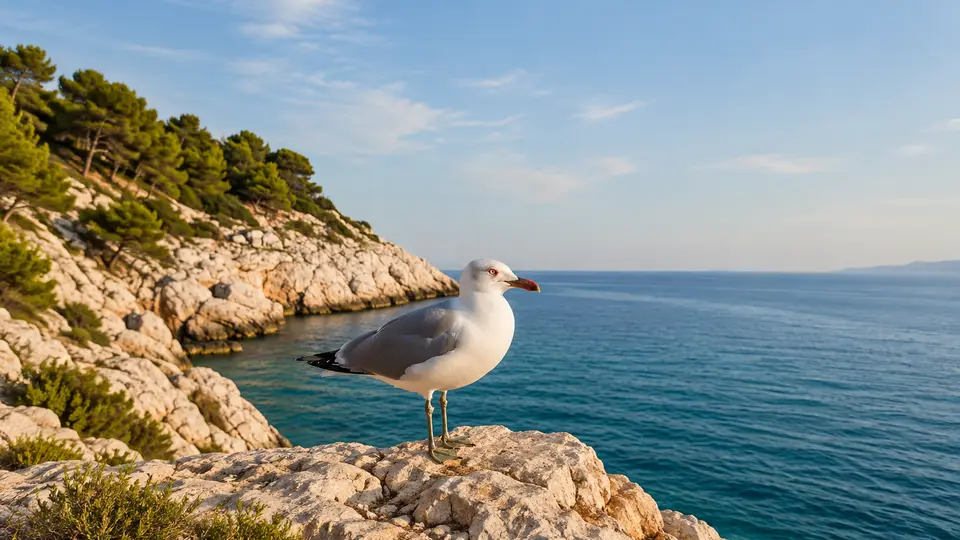
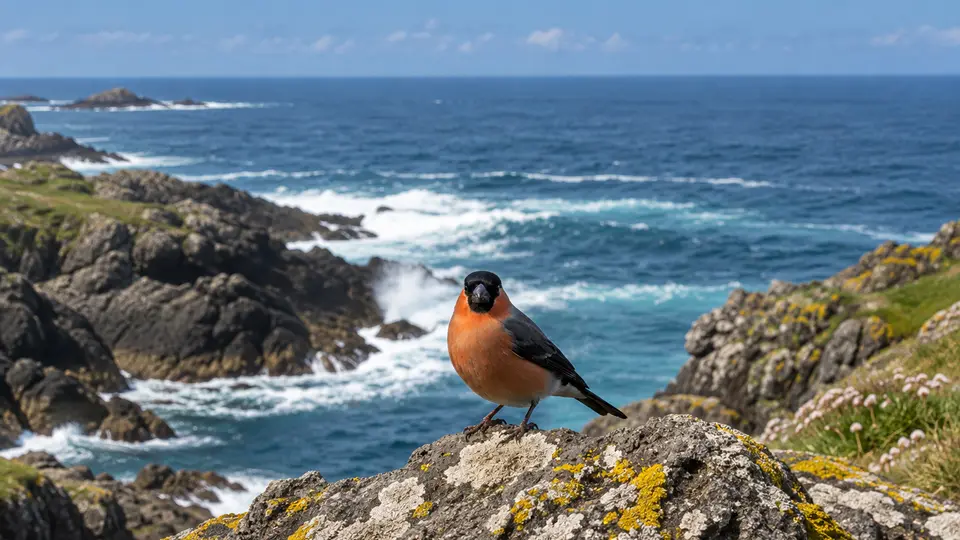
Monteiro's Storm PetrelAI-modifiedMonteiro's Storm PetrelAudouin's GullAI-modifiedAudouin's GullAzores BullfinchAI-modifiedAzores Bullfinch
Animal groupBirdsAnimal groupBirdsAnimal groupBirds
DestinationsPortugalDestinationsCroatia, Greece, Portugal, TurkeyDestinationsPortugal
Scientific nameHydrobates monteiroiScientific nameScientific name
All wildlife destinations
AI-modified
Plan your trip

Find your next wildlife adventure

Compare destinations, shore programs and dates with the animals and habitats you would love to see.

  • Naturalist-led shore excursions
  • Responsible wildlife watching
  • Small expedition ships