Marbled Murrelet in its natural habitat, AI illustration

Marbled Murrelet: where and when to see them

Brachyramphus marmoratus

Marbled Murrelet at a glance

The marbled murrelet is a small North Pacific seabird with an unusual connection between coastal waters and terrestrial nesting habitat. Across much of its range, it lays its single egg on a broad, mossy branch in an old tree. In parts of Alaska it also nests on the ground. Its understated appearance conceals a demanding life divided between marine feeding areas and secluded nesting sites.

Behaviour & reproduction

Size
24–25 cm long
Weight
190–270 g
Lifespan
Not reliably established
Status
Endangered

Murrelets often appear as singles or pairs on sheltered coastal water, floating low and repeatedly disappearing while feeding. Breeding adults commute between the sea and nests, frequently around dawn or dusk. Their swift flights through forest corridors can be difficult to follow. Pairs share incubation and deliver individual fish to the chick, while secrecy and camouflage help reduce the risk of predators finding the nest. They are highly pelagic, spending most of their life at sea, only coming to land to nest. Courtship displays can involve aerial chases and synchronized swimming, though these are rarely observed. Adults are known for their high speed flights, sometimes reaching up to 100 km per hour, particularly when commuting to nests.

Top wildlife locations

Alaska wildlife habitat

Alaska

Sheltered coastal bays and fjord overlooks, especially near forested shores, offer plausible distant viewing. Nesting sites are concealed and unsuitable visitor targets; some coastal stretches are inaccessible without authorized transport.

Adventure cruises in Alaska
Destinations describe the species' habitat, not guaranteed cruise stops. Some animals require an optional inland excursion or are found in restricted reserves.

Fun facts about the Marbled Murrelet

  • The first widely recognized tree nest was discovered in California in 1974.
  • Tree-nesting birds use existing branch platforms rather than constructing a conventional nest.
  • The clutch consists of a single egg.
  • Alaskan birds can nest on the ground where suitable large trees are absent.

Best time to see the Marbled Murrelet

May through August offers long daylight and broadly practical coastal travel in Alaska. Breeding-plumaged birds may be visible from sheltered shores, though distribution varies with food and weather. Some remain in coastal waters outside summer, when access and identification can become harder. The summer months provide the best chance to see birds in their distinctive breeding plumage, which features mottled brown and black tones. During this period, their foraging activities are highest, making them more frequently visible on the water. Observing them requires calm weather for stable viewing from a vessel or shoreline.

Marbled Murrelet: season matrix by destination

Travel and observation windows vary by region. Highlighted months are an orientation for planning, not confirmed sightings or a guarantee of access.

Alaska

A practical daylight and coastal-access window, not a promise of local presence; prey movements and weather affect shore observations.

JanFebMarAprMayJunJulAugSepOctNovDec
Cruise ships in Alaska

Where the Marbled Murrelet lives

Nearshore bays, fjords, channels and protected coastal waters provide feeding habitat. Nesting often requires large old-growth trees with suitable platforms, although treeless ground sites occur in Alaska. This linkage makes both marine conditions and the condition of nearby terrestrial habitat important. Coastal forests up to 80 km inland can provide suitable nesting trees, demonstrating a unique dual dependency on both marine and terrestrial environments. This species primarily uses older growth coniferous trees such as Sitka spruce or western hemlock for nesting platforms. In Alaska, some populations nest on treeless mountaintops or cliffs, offering adaptation to regions with limited old growth.

What the Marbled Murrelet eats

Small fish such as sand lance, herring and capelin are important, alongside marine crustaceans. Diet varies geographically and seasonally with prey availability. Adults transport fish individually to chicks, making the accessibility and energy content of local prey especially significant during nesting. Prey is typically captured in shallow nearshore waters, often close to kelp beds or other productive marine habitats. Energy rich fish are crucial for provisioning growing chicks, with adults making numerous trips daily. The specific fish species consumed can vary significantly based on local oceanic conditions and prey migrations.

Species at a glance

Common name
Marbled Murrelet
Scientific name
Brachyramphus marmoratus
Animal group
Birds
Size
24–25 cm long
Weight
190–270 g
Lifespan
Not reliably established
Status
Endangered
Identification
Compared with Kittlitz’s murrelet, it generally has a longer bill and darker breeding plumage, while nonbreeding birds show a contrasting white neck collar. Its size is similar to a robin, making it a relatively small seabird. The bill is short, stout, and black. In nonbreeding plumage, the white belly extends up into a prominent white collar around the back of the neck.

Marbled Murrelet: frequently asked questions

Where can I see the Marbled Murrelet?
Alaska. Use a telescope from a quiet bay overlook or binoculars from a designated deck. Do not pursue feeding pairs or approach suspected nests. Cold, slippery shorelines require caution, and distant birds may need prolonged viewing for reliable identification. Scanning the water's surface from a stationary boat or a quiet shore will often reveal these birds, especially during early morning or late evening. Pay attention to areas where currents might concentrate small fish, as murrelets will often feed there. Using high magnification binoculars or a spotting scope will enhance details for positive identification.
When is the best time to see the Marbled Murrelet?
May through August offers long daylight and broadly practical coastal travel in Alaska. Breeding-plumaged birds may be visible from sheltered shores, though distribution varies with food and weather. Some remain in coastal waters outside summer, when access and identification can become harder. The summer months provide the best chance to see birds in their distinctive breeding plumage, which features mottled brown and black tones. During this period, their foraging activities are highest, making them more frequently visible on the water. Observing them requires calm weather for stable viewing from a vessel or shoreline.
How big does the Marbled Murrelet get?
24–25 cm long. Adult weight: 190–270 g. Size varies with age, sex and population.
How should I behave around the Marbled Murrelet?
Use a telescope from a quiet bay overlook or binoculars from a designated deck. Do not pursue feeding pairs or approach suspected nests. Cold, slippery shorelines require caution, and distant birds may need prolonged viewing for reliable identification. Scanning the water's surface from a stationary boat or a quiet shore will often reveal these birds, especially during early morning or late evening. Pay attention to areas where currents might concentrate small fish, as murrelets will often feed there. Using high magnification binoculars or a spotting scope will enhance details for positive identification.
What does the Marbled Murrelet eat?
Small fish such as sand lance, herring and capelin are important, alongside marine crustaceans. Diet varies geographically and seasonally with prey availability. Adults transport fish individually to chicks, making the accessibility and energy content of local prey especially significant during nesting. Prey is typically captured in shallow nearshore waters, often close to kelp beds or other productive marine habitats. Energy rich fish are crucial for provisioning growing chicks, with adults making numerous trips daily. The specific fish species consumed can vary significantly based on local oceanic conditions and prey migrations.
Are wildlife sightings guaranteed on an adventure cruise?
No. Animals move freely and routes, weather, access restrictions and local conditions influence every outing. Confirm the actual itinerary and shore program before booking.

Compare wildlife in the same destinations

Explore other birds recorded in these destinations. Similar surroundings do not mean the animals share the same habits or viewing season.

Species comparison by animal group and destination
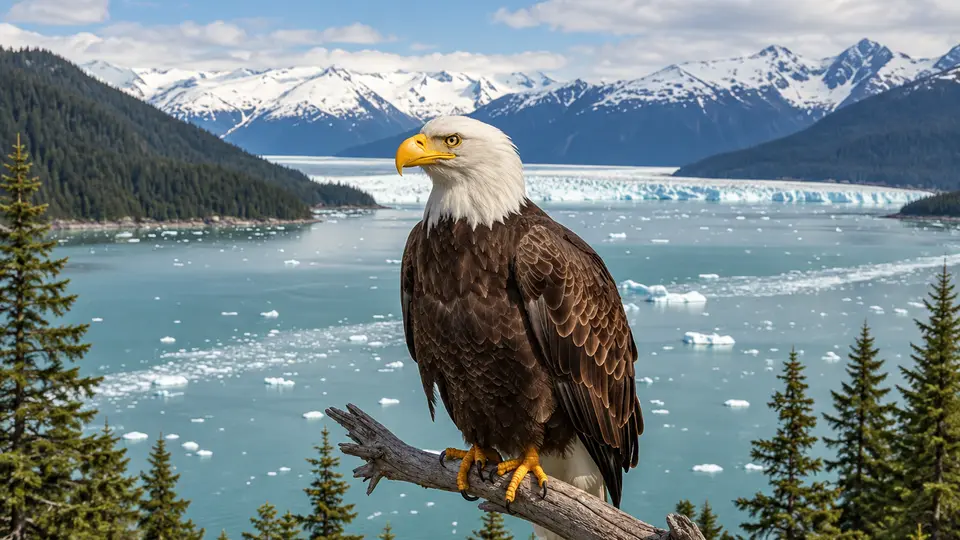
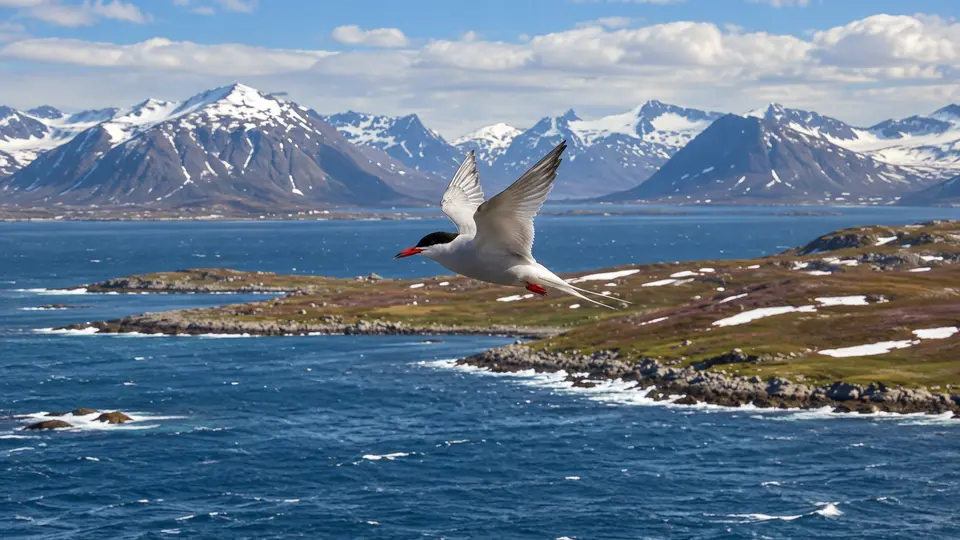
Marbled MurreletMarbled MurreletArctic TernArctic TernBald EagleBald Eagle
Animal groupBirdsAnimal groupBirdsAnimal groupBirds
DestinationsAlaskaDestinationsAlaska, Norway, ArcticDestinationsAlaska, Florida, New England
All wildlife destinations
Plan your trip

Find your next wildlife adventure

Compare destinations, shore programs and dates with the animals and habitats you would love to see.

  • Naturalist-led shore excursions
  • Responsible wildlife watching
  • Small expedition ships

Newsletter

Take Blue Rides with you

Adventure cruise offers, last-minute deals and trip inspiration.

Free, unsubscribe anytime. Details: Privacy Policy

Partner with Blue Rides

Affiliate Program

Recommend adventure cruises and earn commission on every confirmed booking.

Share. Track. Earn.

Your footage, our stage

Send us your videos or pictures.

Captured beautiful landscapes or wildlife? Share your videos and pictures with us, we may feature them on Blue Rides.