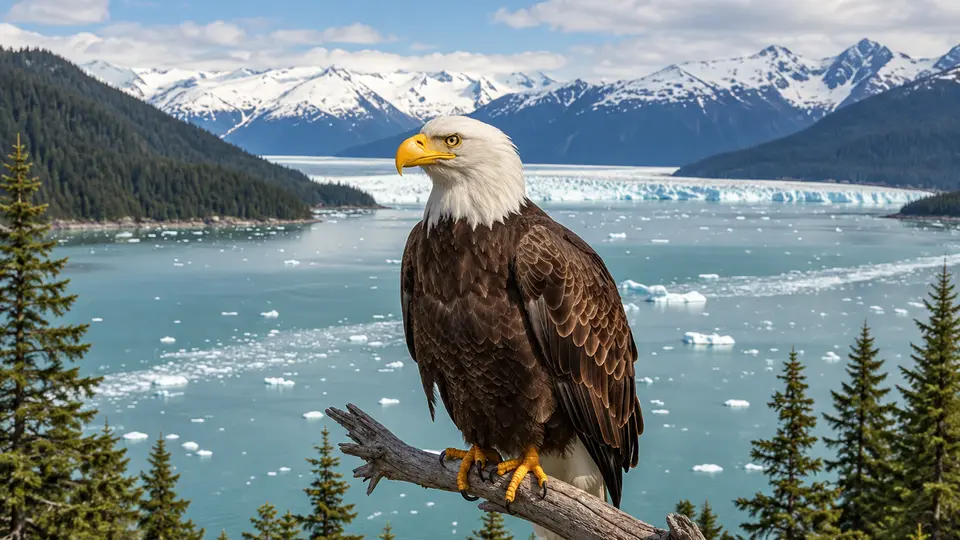
Bald Eagle in its natural habitat, AI illustration
Size70–102 cm long; 180–230 cm wingspanLifespan20–30 yearsStatusLeast Concern

Bald Eagle: where and when to see them

Haliaeetus leucocephalus

Bald Eagle at a glance

The bald eagle is a large North American fish eagle associated with productive waters and substantial nesting trees. Adults acquire the familiar white head and tail only after several years, while younger birds are mottled brown. Recovery following protection and restrictions on harmful pesticides is a major conservation success. Nevertheless, disturbance, lead poisoning, collisions and loss of nesting habitat remain important threats at local and regional scales.

Behaviour & reproduction

Size
70–102 cm long; 180–230 cm wingspan
Weight
3–6.3 kg
Lifespan
20–30 years
Status
Least Concern

Bald eagles hunt from perches or in flight, seize food near the water's surface and readily scavenge. They also steal prey from other birds when an opportunity arises. Pairs maintain large stick nests, often adding material over successive seasons. Outside breeding territories, abundant food can draw many individuals together. Migration varies geographically: some birds remain near dependable food, while others travel substantial distances as waters freeze or prey shifts. Bald eagles mate for life, typically returning to the same nesting territory year after year. They are known for their impressive aerial displays during courtship, including synchronized flights and talon-locking dives. Their nests, called eyries, can be massive, reaching up to six feet wide and ten feet deep.

Top wildlife locations

Alaska wildlife habitat

Alaska

Coastal forest edges, estuaries and river mouths can offer shore or deck views. Some feeding concentrations are remote or seasonal, so accessible waterfront habitat is an opportunity rather than a promise.

Adventure cruises in Alaska
Florida wildlife habitat

Florida

Look across large lakes, estuaries and wooded coastal wetlands from public viewpoints. Some territories require an inland excursion, and nest buffers must be respected even where eagles tolerate nearby development.

Adventure cruises in Florida
New England wildlife habitat

New England

Open rivers, reservoirs and sheltered estuaries offer possible views from established overlooks. Winter concentrations depend on ice and food, while some coastal visits may require an additional inland river excursion.

Adventure cruises in New England

Destinations describe the species' habitat, not guaranteed cruise stops. Some animals require an optional inland excursion or are found in restricted reserves.

Fun facts about the Bald Eagle

  • Adult head and tail coloration usually develops around the fifth year.
  • Females are generally larger than males.
  • Pairs can enlarge the same nest over many seasons.
  • Its characteristic calls are much higher and thinner than many cinematic eagle sound effects.

Best time to see the Bald Eagle

Timing depends strongly on region. Alaska's warmer months offer accessible coastal watching, Florida supports conspicuous nesting activity during its cooler season, and New England can offer winter river concentrations. These different patterns should not be treated as one continent-wide breeding season. In Alaska, late summer offers chances to see eagles congregating at salmon spawning rivers. Florida's nesting season typically runs from October to May, with peak activity in the winter months. During New England winters, eagles can be found along major unfrozen rivers, often concentrating near dams or open water.

Bald Eagle: season matrix by destination

Travel and observation windows vary by region. Highlighted months are an orientation for planning, not confirmed sightings or a guarantee of access.

Alaska

A broad coastal travel window; local food runs and resident populations create different peaks, including some outside these months.

JanFebMarAprMayJunJulAugSepOctNovDec
Cruise ships in Alaska

Florida

Cooler months overlap much local nesting activity, but nest access restrictions and regional timing vary.

JanFebMarAprMayJunJulAugSepOctNovDec
Cruise ships in Florida

New England

Winter can concentrate birds near unfrozen water; resident breeding birds also occur outside this window.

JanFebMarAprMayJunJulAugSepOctNovDec
Cruise ships in New England

Where the Bald Eagle lives

Coasts, estuaries, large rivers, lakes and wetlands provide feeding habitat. Nesting usually requires large trees or other secure elevated structures near food. Exposed shoreline perches and quiet stretches of water can be useful viewing areas without approaching a nest. They often choose tall trees with strong branches to support their large nests, frequently near water bodies that provide ample food. Artificial structures like communication towers or power poles are sometimes used for nesting or perching where natural sites are scarce.

What the Bald Eagle eats

Fish dominate many populations' diets, but waterbirds, mammals and carrion are also important. Eagles exploit locally abundant foods, including stranded fish and salmon carcasses. Their scavenging habits expose them to lead fragments in contaminated animal remains and discarded fishing tackle. Eagles possess excellent eyesight, allowing them to spot fish and other prey from great heights. While fish is a primary food source, they are opportunistic and will also hunt small mammals such as rabbits and muskrats.

Species at a glance

Common name
Bald Eagle
Scientific name
Haliaeetus leucocephalus
Animal group
Birds
Size
70–102 cm long; 180–230 cm wingspan
Weight
3–6.3 kg
Lifespan
20–30 years
Status
Least Concern
Identification
Adults have a white head and tail with a massive yellow bill, while immature birds differ from golden eagles through their heavier bill and irregular white mottling. Juvenile birds, often mottled brown and white, can take up to five years to develop the full adult plumage. The heavy, hooked bill and powerful talons are distinctive features, even at a distance.

Bald Eagle: frequently asked questions

Where can I see the Bald Eagle?
Alaska, Florida, New England. Watch with binoculars from shore or a deck, avoiding repeated approaches to perched birds. Give nests and feeding groups generous space, and never provide bait; disturbance can interrupt feeding or cause adults to leave vulnerable young. When viewing from a boat, maintain a slow, steady course to minimize disturbance. Look for eagles perched on tall snags or flying high overhead, scanning for prey. Early mornings and late afternoons are often the best times for observing active hunting or feeding.
When is the best time to see the Bald Eagle?
Timing depends strongly on region. Alaska's warmer months offer accessible coastal watching, Florida supports conspicuous nesting activity during its cooler season, and New England can offer winter river concentrations. These different patterns should not be treated as one continent-wide breeding season. In Alaska, late summer offers chances to see eagles congregating at salmon spawning rivers. Florida's nesting season typically runs from October to May, with peak activity in the winter months. During New England winters, eagles can be found along major unfrozen rivers, often concentrating near dams or open water.
How big does the Bald Eagle get?
70–102 cm long; 180–230 cm wingspan. Adult weight: 3–6.3 kg. Size varies with age, sex and population.
How should I behave around the Bald Eagle?
Watch with binoculars from shore or a deck, avoiding repeated approaches to perched birds. Give nests and feeding groups generous space, and never provide bait; disturbance can interrupt feeding or cause adults to leave vulnerable young. When viewing from a boat, maintain a slow, steady course to minimize disturbance. Look for eagles perched on tall snags or flying high overhead, scanning for prey. Early mornings and late afternoons are often the best times for observing active hunting or feeding.
What does the Bald Eagle eat?
Fish dominate many populations' diets, but waterbirds, mammals and carrion are also important. Eagles exploit locally abundant foods, including stranded fish and salmon carcasses. Their scavenging habits expose them to lead fragments in contaminated animal remains and discarded fishing tackle. Eagles possess excellent eyesight, allowing them to spot fish and other prey from great heights. While fish is a primary food source, they are opportunistic and will also hunt small mammals such as rabbits and muskrats.
Are wildlife sightings guaranteed on an adventure cruise?
No. Animals move freely and routes, weather, access restrictions and local conditions influence every outing. Confirm the actual itinerary and shore programme before booking.

Compare wildlife in the same destinations

Explore other birds recorded in these destinations. Similar surroundings do not mean the animals share the same habits or viewing season.

Species comparison by animal group and destination
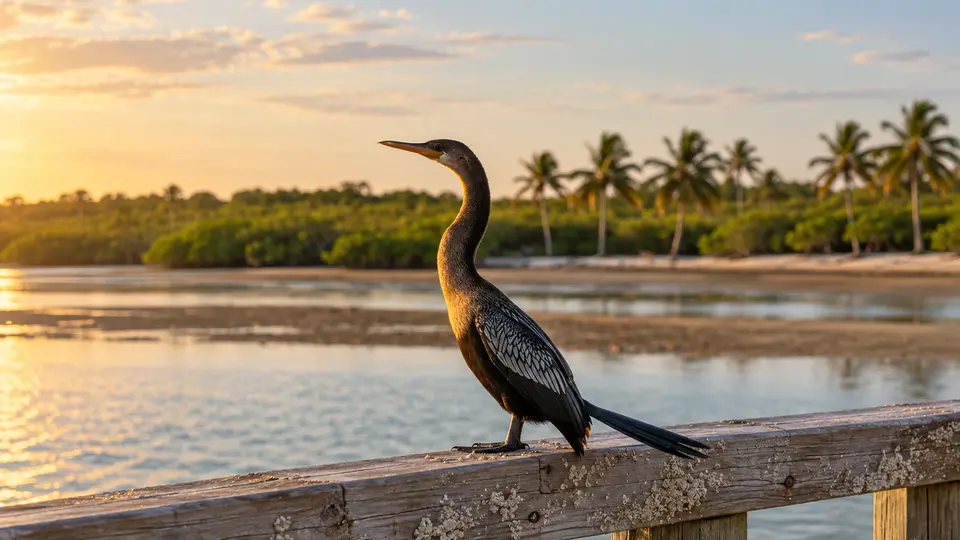
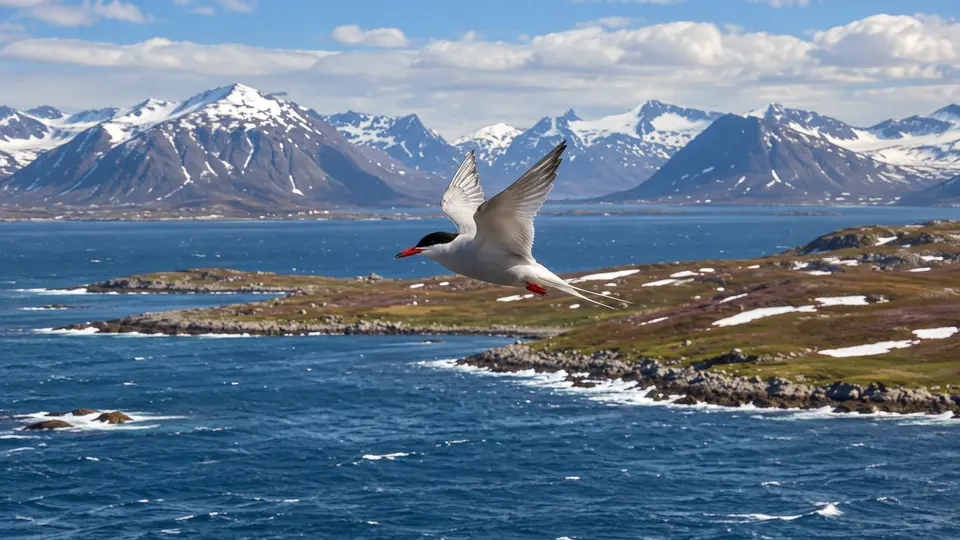
Bald EagleBald EagleAnhingaAnhingaArctic TernArctic Tern
Animal groupBirdsAnimal groupBirdsAnimal groupBirds
DestinationsAlaska, Florida, New EnglandDestinationsFloridaDestinationsAlaska, Norway, Arctic
All wildlife destinations
Plan your trip

Find your next wildlife adventure

Compare destinations, shore programmes and dates with the animals and habitats you would love to see.

  • Naturalist-led shore excursions
  • Responsible wildlife watching
  • Small expedition ships

Newsletter

Take Blue Rides with you

Adventure cruise offers, last-minute deals and trip inspiration.

Free, unsubscribe anytime. Details: Privacy Policy

Partner with Blue Rides

Affiliate Program

Recommend adventure cruises and earn commission on every confirmed booking.

Share. Track. Earn.