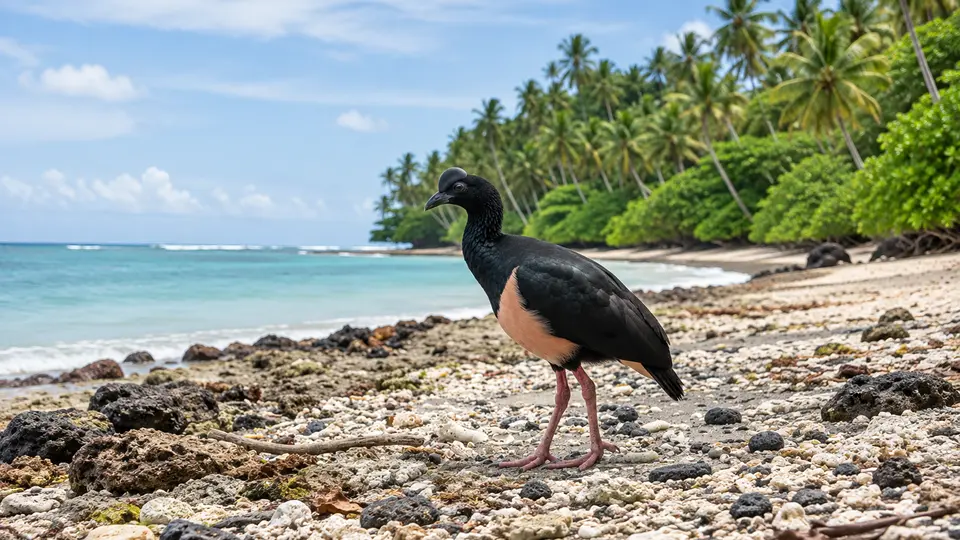
Maleo in its natural habitat, AI illustration
Size55–60 cm longLifespanNot reliably establishedStatusCritically Endangered

Maleo: where and when to see them

Macrocephalon maleo

Maleo at a glance

The maleo is a striking megapode endemic to Sulawesi and nearby Buton, distinguished by its dark upperparts, pale rosy underparts and helmet-like crown. Unlike most birds, it does not incubate eggs with body heat. Instead, pairs bury eggs in naturally heated ground, using sun-warmed beaches or geothermal sites. This unusual dependence on particular nesting grounds makes habitat connectivity, egg protection and careful management crucial to the survival of its severely depleted populations.

Behaviour & reproduction

Size
55–60 cm long
Weight
1.4–1.8 kg
Lifespan
Not reliably established
Status
Critically Endangered

Maleos forage in forest but travel to communal nesting grounds where pairs excavate deep pits. After laying and covering an egg, the adults leave it to develop without further care. The chick eventually digs to the surface fully feathered and capable of flight, beginning an independent life immediately. Adults may assess ground conditions while selecting a site. Disturbance at exposed nesting grounds can interrupt digging or prevent birds from approaching. Maleos exhibit monogamous pair bonds, with both sexes participating in the excavation of the nest pit. They lay their unusually large eggs, which can be up to five times the size of a chicken egg, deep in the warm substrate. The incubation period is exceptionally long, lasting up to 75-80 days, due to the complete reliance on external heat sources.

Top wildlife locations

Indonesia wildlife habitat

Indonesia

Conservation-managed nesting grounds on Sulawesi may offer concealed viewing beside coastal sand or inland geothermal habitat. An inland excursion is often required, and sensitive grounds are restricted rather than standard coastal landing attractions.

Adventure cruises in Indonesia
Destinations describe the species' habitat, not guaranteed cruise stops. Some animals require an optional inland excursion or are found in restricted reserves.

Fun facts about the Maleo

  • Maleo eggs are several times heavier than typical domestic chicken eggs.
  • Heat from sunlight or geothermal activity replaces parental incubation.
  • Chicks emerge fully feathered and can fly without being taught by adults.
  • Parents provide no feeding or brooding care after burying the egg.

Best time to see the Maleo

Viewing should be arranged through an established conservation program with current information about attendance and access. Some nesting grounds are used across much of the year, but local rainfall and heat sources influence activity. Indonesia's general dry season is not a universal maleo breeding season. Engaging with local communities involved in conservation efforts can offer unique insights into Maleo activity and ethical viewing. Always confirm the best times with local conservation guides, as nesting activity can vary locally even within a single season. Monitoring efforts often focus on peak nesting periods when birds are most reliably observed at communal sites.

Maleo: season matrix by destination

Travel and observation windows vary by region. Highlighted months are an orientation for planning, not confirmed sightings or a guarantee of access.

Indonesia

Access and attendance are site-specific; arrange dates directly with a conservation program rather than assuming a national travel season predicts nesting activity.

JanFebMarAprMayJunJulAugSepOctNovDec
Cruise ships in Indonesia

Where the Maleo lives

Maleos require lowland or foothill forest connected to suitable incubation grounds. These may be sun-heated coastal sands or inland soils warmed by geothermal activity. A beach alone is insufficient if surrounding forest corridors have been cleared or nesting disturbance is severe. Maleos are endemic to the island of Sulawesi and a few nearby smaller islands in Indonesia. Their habitat selection demonstrates a unique dependence on specific geological features for reproduction. This reliance makes them highly vulnerable to habitat fragmentation and degradation, particularly of coastal forests.

What the Maleo eats

Maleos feed on fallen fruit, seeds and forest-floor invertebrates, including insects and other small animals. They search mainly on the ground, using varied natural foods. Adults do not provision their offspring, so newly emerged chicks must immediately obtain food for themselves. They have a broad diet, consuming various fruit species, especially figs, and often large arthropods. These dietary needs necessitate access to diverse forest habitats within their foraging range. The chicks' precocial nature means they must be capable of foraging efficiently from birth.

Species at a glance

Common name
Maleo
Scientific name
Macrocephalon maleo
Animal group
Birds
Size
55–60 cm long
Weight
1.4–1.8 kg
Lifespan
Not reliably established
Status
Critically Endangered
Identification
The maleo's black helmet-like crown, bare yellow facial skin and pale pinkish belly distinguish it from the browner, unhelmeted megapodes of the region. Juvenile maleos resemble adults but have a less developed casque, which grows with age. Their large feet and short wings are adaptations for their ground-dwelling and digging lifestyle. The species is the sole member of its genus, making its unique features diagnostically distinct.

Maleo: frequently asked questions

Where can I see the Maleo?
Indonesia. Use conservation-managed hides and remain silent and concealed while birds approach nesting grounds. Never walk across egg-laying areas, dig into sand or handle chicks. Follow staff decisions if observation is suspended to protect breeding activity. Always maintain a respectful distance, using binoculars or telephoto lenses for close-up views. Be aware of your group's size and noise level, as large or boisterous groups can deter shy birds. Flash photography is strictly prohibited as it can disorient and stress wildlife.
When is the best time to see the Maleo?
Viewing should be arranged through an established conservation program with current information about attendance and access. Some nesting grounds are used across much of the year, but local rainfall and heat sources influence activity. Indonesia's general dry season is not a universal maleo breeding season. Engaging with local communities involved in conservation efforts can offer unique insights into Maleo activity and ethical viewing. Always confirm the best times with local conservation guides, as nesting activity can vary locally even within a single season. Monitoring efforts often focus on peak nesting periods when birds are most reliably observed at communal sites.
How big does the Maleo get?
55–60 cm long. Adult weight: 1.4–1.8 kg. Size varies with age, sex and population.
How should I behave around the Maleo?
Use conservation-managed hides and remain silent and concealed while birds approach nesting grounds. Never walk across egg-laying areas, dig into sand or handle chicks. Follow staff decisions if observation is suspended to protect breeding activity. Always maintain a respectful distance, using binoculars or telephoto lenses for close-up views. Be aware of your group's size and noise level, as large or boisterous groups can deter shy birds. Flash photography is strictly prohibited as it can disorient and stress wildlife.
What does the Maleo eat?
Maleos feed on fallen fruit, seeds and forest-floor invertebrates, including insects and other small animals. They search mainly on the ground, using varied natural foods. Adults do not provision their offspring, so newly emerged chicks must immediately obtain food for themselves. They have a broad diet, consuming various fruit species, especially figs, and often large arthropods. These dietary needs necessitate access to diverse forest habitats within their foraging range. The chicks' precocial nature means they must be capable of foraging efficiently from birth.
Are wildlife sightings guaranteed on an adventure cruise?
No. Animals move freely and routes, weather, access restrictions and local conditions influence every outing. Confirm the actual itinerary and shore programme before booking.

Compare wildlife in the same destinations

Explore other birds recorded in these destinations. Similar surroundings do not mean the animals share the same habits or viewing season.

Species comparison by animal group and destination
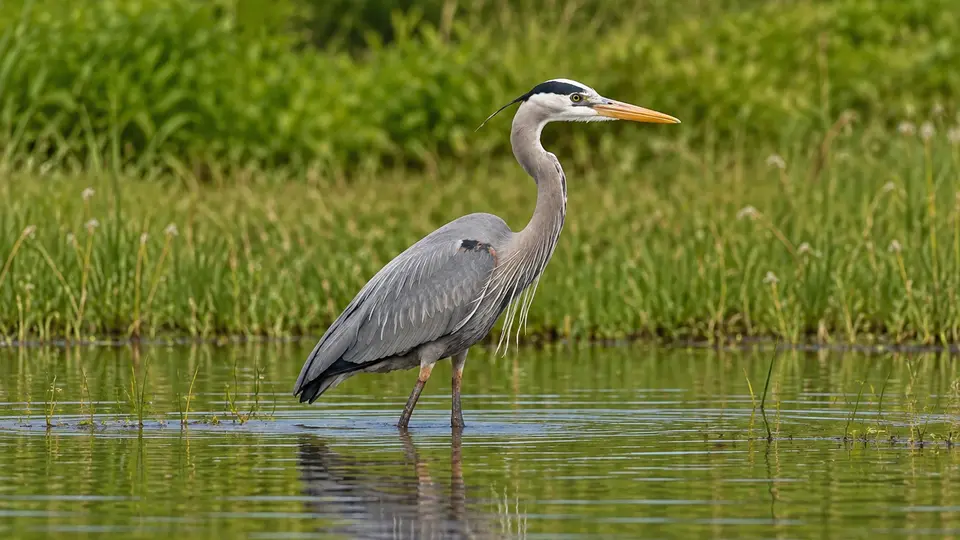
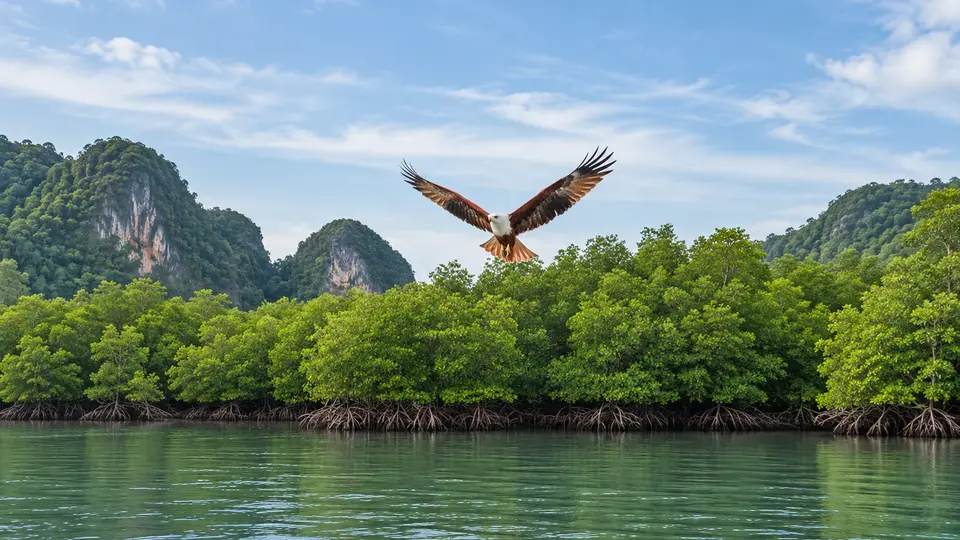
MaleoMaleoBrahminy kiteBrahminy kiteGreat-billed heronGreat-billed heron
Animal groupBirdsAnimal groupBirdsAnimal groupBirds
DestinationsIndonesiaDestinationsIndonesia, Thailand, VietnamDestinationsIndonesia, Thailand
All wildlife destinations
Plan your trip

Find your next wildlife adventure

Compare destinations, shore programmes and dates with the animals and habitats you would love to see.

  • Naturalist-led shore excursions
  • Responsible wildlife watching
  • Small expedition ships

Newsletter

Take Blue Rides with you

Adventure cruise offers, last-minute deals and trip inspiration.

Free, unsubscribe anytime. Details: Privacy Policy

Partner with Blue Rides

Affiliate Program

Recommend adventure cruises and earn commission on every confirmed booking.

Share. Track. Earn.