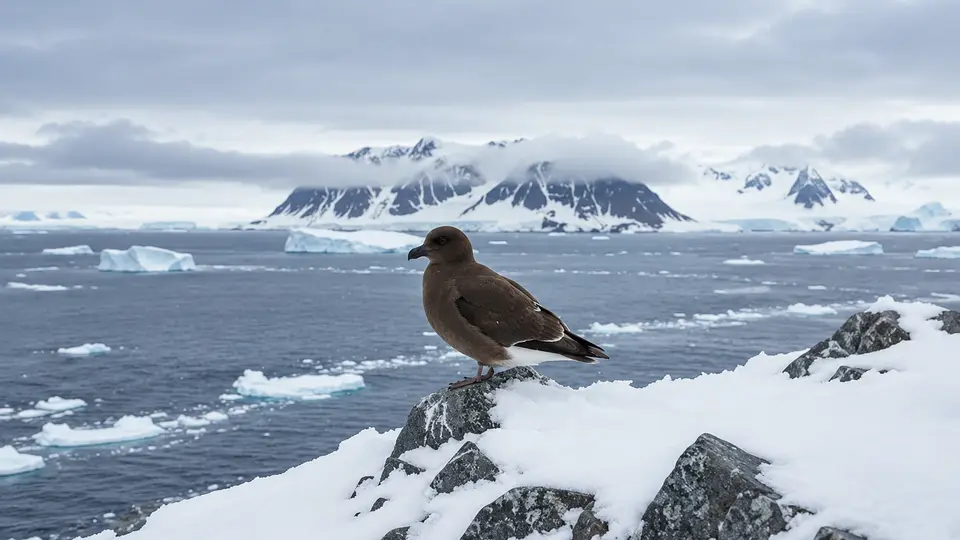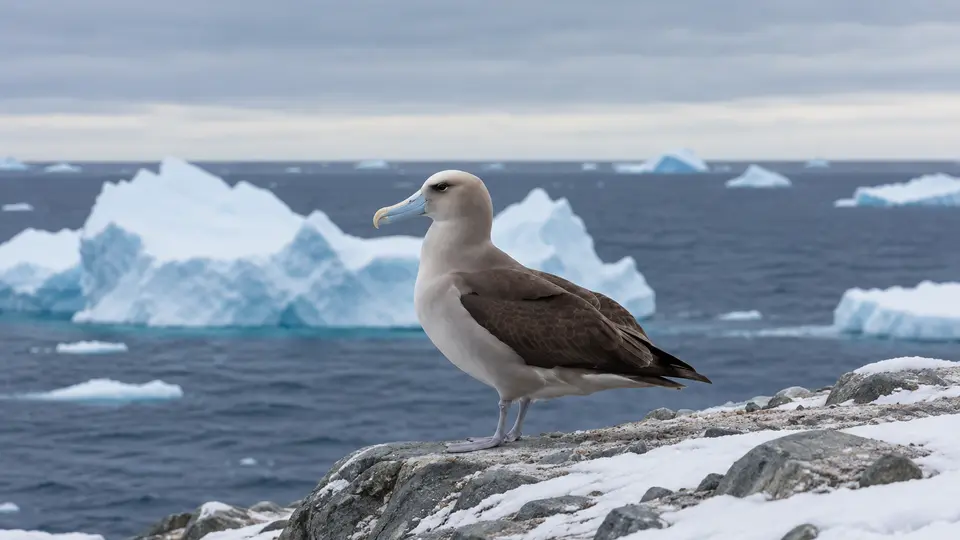
Light-mantled Albatross in its natural habitat, AI illustration

Light-mantled AlbatrossPhoebetria palpebrataWhere and when to see them

Light-mantled Albatross at a glance

The light-mantled albatross is an elegant Southern Ocean seabird with smoky plumage, a pale grey mantle and a fine white crescent around the eye. Its long, narrow wings are adapted to travelling enormous distances over windy seas. Breeding occurs on subantarctic islands rather than the Antarctic mainland. Like other albatrosses, it reproduces slowly, making adult survival especially important and mortality in fisheries a significant conservation concern.

Behaviour & reproduction

Size
78-90 cm long; 1.8-2.2 m wingspan
Weight
2.5-3.7 kg
Lifespan
Not reliably established
Status
Near Threatened

Pairs perform graceful synchronized flights along breeding cliffs, turning and gliding together in close formation. At sea, individuals use wind gradients to travel with relatively little flapping and often forage alone. A single egg is laid on a raised nest of soil and vegetation. Parents alternate long feeding journeys with nest attendance, and successful breeders generally do not raise another chick in the immediately following year. Courtship rituals involve head-bowing and mutual preening, strengthening pair bonds that can last for many years. Fledglings embark on extensive pelagic journeys lasting several years before returning to their natal colonies to breed. Their efficient soaring flight allows them to cover vast distances with minimal energy expenditure, making them true masters of the open ocean.

Top wildlife locations

Antarctica wildlife habitat

Antarctica

Distant deck views are possible in Southern Ocean approach waters, especially near subantarctic island regions. Mainland shore encounters are uncommon, and breeding cliffs are remote, often restricted and not standard Antarctic landings.
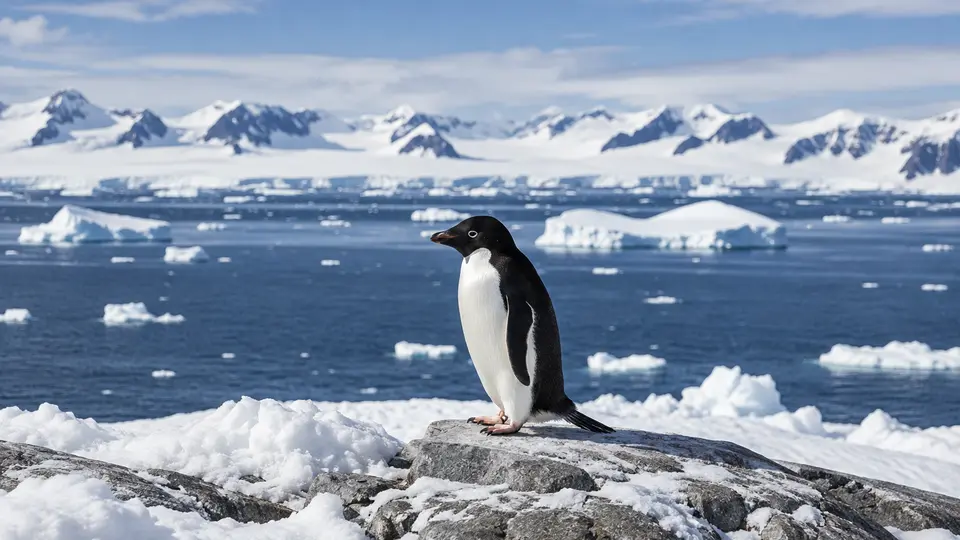
Destinations describe the species' habitat, not guaranteed cruise stops. Some animals require an optional inland excursion or are found in restricted reserves.

Fun facts about the Light-mantled Albatross

  • Pairs are known for closely synchronized aerial courtship.
  • A successful breeding attempt typically occupies enough time to prevent annual breeding.
  • Its nest is usually placed on a steep island slope or ledge.
  • Dynamic soaring allows long journeys with relatively little wing flapping.

Best time to see the Light-mantled Albatross

November to March is the main Antarctic travel window and offers long daylight for deck observation in Southern Ocean transit areas. It overlaps much of the breeding cycle, but the species is not a dependable sight along mainland Antarctic shores. While present during the Antarctic summer, they are more reliably encountered further north around Subantarctic islands during ship transits. Peak breeding activity, including chick hatching and early rearing, falls within the later part of the November to March travel window. Observing their full breeding cycle, from egg laying to fledgling, requires a longer presence than most cruises allow.

Light-mantled Albatross: season matrix by destination

Travel and observation windows vary by region. Highlighted months are an orientation for planning, not confirmed sightings or a guarantee of access.

Antarctica

This is the main Antarctic travel window; route, wind and proximity to subantarctic waters strongly affect opportunities, with no assured sightings.

JanFebMarAprMayJunJulAugSepOctNovDec
Cruise ships in Antarctica

Where the Light-mantled Albatross lives

Open Southern Ocean waters provide the main feeding habitat, including cold fronts and waters near the Antarctic ice zone. Nesting sites are steep, vegetated slopes and cliff ledges on remote subantarctic islands. Most colonies are inaccessible to ordinary visitors. Though widely distributed across the Southern Ocean, the species shows a preference for colder, higher latitudes near the Antarctic Convergence. Juveniles and non-breeders range even further north during the non-breeding season, utilizing different oceanographic zones. They are colonial nesters, but colonies are often widely dispersed, reflecting the isolation of suitable island sites.

What the Light-mantled Albatross eats

Squid, fish and crustaceans form the principal diet, with carrion also taken opportunistically. Prey is collected mainly near the surface, sometimes during short dives. The proportions vary by region and season, reflecting food availability across immense oceanic feeding ranges. Despite their wide diet, krill can form a significant portion of their intake in certain areas, particularly around the Antarctic Peninsula. They are considered effective scavengers, sometimes following fishing vessels to consume discards, though this is not their primary feeding strategy. Their feeding range can extend hundreds to thousands of kilometers from nesting sites during chick-rearing.

Species at a glance

Common name
Light-mantled Albatross
Scientific name
Phoebetria palpebrata
Animal group
Birds
Size
78-90 cm long; 1.8-2.2 m wingspan
Weight
2.5-3.7 kg
Lifespan
Not reliably established
Status
Near Threatened
Identification
The pale grey back and mantle, white eye crescent and bluish lower-bill groove distinguish it from the more uniformly dark sooty albatross. The overall body plumage is a smoky grey to brown, contrasting with the much paler grey mantle and back, giving a distinct two-toned appearance. Their slender, dark bill with the blue sulcus is a key feature, especially when seen in good light. Juveniles are similar to adults but may have less defined white eye crescents and slightly darker grey plumage.

Light-mantled Albatross: frequently asked questions

Where can I see the Light-mantled Albatross?
Antarctica. Look from a stable deck position using binoculars, without baiting or encouraging birds toward the vessel. Keep clear of working deck areas, and do not seek access to fragile, steep breeding slopes. Be prepared for sudden changes in direction and height as they expertly maneuver in the wind currents, often appearing to 'surf' the waves. Binoculars are essential for appreciating their subtle plumage details and characteristic flight patterns at a distance. When conditions permit, observing them from an open deck or stern area can offer excellent photographic opportunities, especially during smooth sea passages.
When is the best time to see the Light-mantled Albatross?
November to March is the main Antarctic travel window and offers long daylight for deck observation in Southern Ocean transit areas. It overlaps much of the breeding cycle, but the species is not a dependable sight along mainland Antarctic shores. While present during the Antarctic summer, they are more reliably encountered further north around Subantarctic islands during ship transits. Peak breeding activity, including chick hatching and early rearing, falls within the later part of the November to March travel window. Observing their full breeding cycle, from egg laying to fledgling, requires a longer presence than most cruises allow.
How big does the Light-mantled Albatross get?
78-90 cm long; 1.8-2.2 m wingspan. Adult weight: 2.5-3.7 kg. Size varies with age, sex and population.
How should I behave around the Light-mantled Albatross?
Look from a stable deck position using binoculars, without baiting or encouraging birds toward the vessel. Keep clear of working deck areas, and do not seek access to fragile, steep breeding slopes. Be prepared for sudden changes in direction and height as they expertly maneuver in the wind currents, often appearing to 'surf' the waves. Binoculars are essential for appreciating their subtle plumage details and characteristic flight patterns at a distance. When conditions permit, observing them from an open deck or stern area can offer excellent photographic opportunities, especially during smooth sea passages.
What does the Light-mantled Albatross eat?
Squid, fish and crustaceans form the principal diet, with carrion also taken opportunistically. Prey is collected mainly near the surface, sometimes during short dives. The proportions vary by region and season, reflecting food availability across immense oceanic feeding ranges. Despite their wide diet, krill can form a significant portion of their intake in certain areas, particularly around the Antarctic Peninsula. They are considered effective scavengers, sometimes following fishing vessels to consume discards, though this is not their primary feeding strategy. Their feeding range can extend hundreds to thousands of kilometers from nesting sites during chick-rearing.
Are wildlife sightings guaranteed on an adventure cruise?
No. Animals move freely and routes, weather, access restrictions and local conditions influence every outing. Confirm the actual itinerary and shore program before booking.

Compare wildlife in the same destinations

Explore other birds recorded in these destinations. Similar surroundings do not mean the animals share the same habits or viewing season.

Species comparison by animal group and destination
Light-mantled AlbatrossLight-mantled AlbatrossAdélie PenguinAdélie PenguinAntarctic PetrelAntarctic Petrel
Animal groupBirdsAnimal groupBirdsAnimal groupBirds
DestinationsAntarcticaDestinationsAntarcticaDestinationsAntarctica
All wildlife destinations
Plan your trip

Find your next wildlife adventure

Compare destinations, shore programs and dates with the animals and habitats you would love to see.

  • Naturalist-led shore excursions
  • Responsible wildlife watching
  • Small expedition ships

Newsletter

Take Blue Rides with you

Adventure cruise offers, last-minute deals and trip inspiration.

Free, unsubscribe anytime. Details: Privacy Policy

Partner with Blue Rides

Affiliate Program

Recommend adventure cruises and earn commission on every confirmed booking.

Share. Track. Earn.

Your footage, our stage

Send us your videos or pictures.

Captured remarkable nature or wildlife on your journey? Share it with us, we may feature it on Blue Rides.