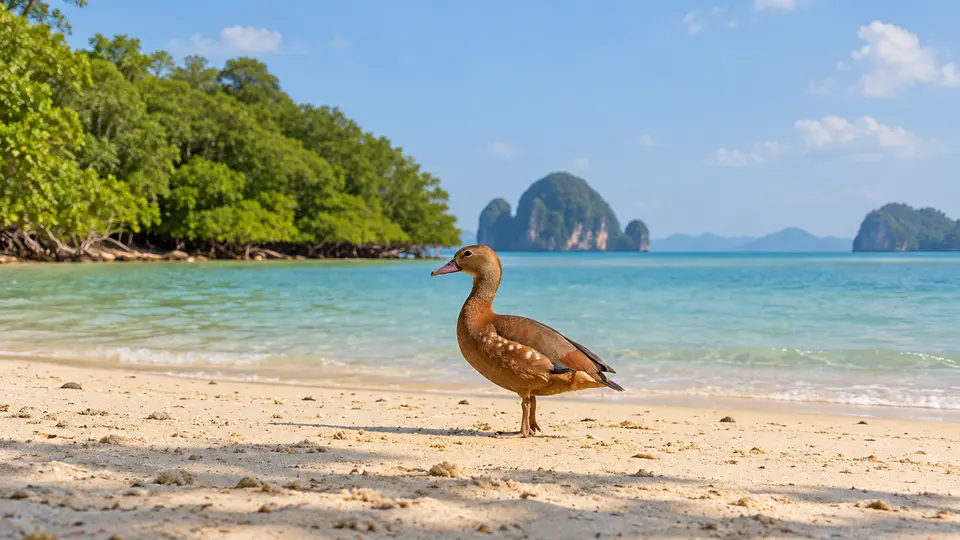
Lesser whistling duck in its natural habitatAI-modified

Lesser whistling duckDendrocygna javanicaWhere and when to see them

Lesser whistling duck at a glance

The lesser whistling duck is a warm-brown Asian waterbird with a long neck, rounded head and distinctive whistled calls. Despite its name, it belongs to a distinctive lineage of ducks that often stand upright and perch readily. It is widespread in suitable Thai wetlands, including some urban lakes. Floating vegetation and quiet margins are especially valuable, providing food, daytime shelter and cover for broods of small ducklings.

Behaviour & reproduction

Size
38-42 cm (15-16.5 in) long
Weight
450-600 g (15.9-21.2 oz)
Lifespan
Not reliably established
Status
Least Concern

These ducks are highly social and may gather in sizeable daytime flocks on banks, islands or floating plants. Feeding often increases around dusk and during the night, although undisturbed birds also feed by day. Pairs may nest in tree cavities or concealed vegetation, depending on available sites. Both parents can accompany the brood, guiding ducklings between sheltered feeding patches and responding closely to nearby threats. They are largely nocturnal or crepuscular feeders, becoming more active at twilight. Whistling ducks are known for perching in trees, a behavior less common in many other duck species.

Top wildlife locations

Thailand wildlife habitatAI-modified

Thailand

Vegetated freshwater lakes, marsh boardwalks and quiet park ponds offer accessible bank-side viewing. A short inland excursion is generally needed from marine coastlines, and flock locations change with water levels and disturbance.
Destinations describe the species' habitat, not guaranteed cruise stops. Some animals require an optional inland excursion or are found in restricted reserves.

Fun facts about the Lesser whistling duck

  • Its calls are often heard from flocks flying at dusk.
  • It can perch in trees despite its strong association with wetlands.
  • Both parents may remain with the ducklings.
  • The chestnut rump is a useful feature on a bird seen in flight.

Best time to see the Lesser whistling duck

Thailand offers potential viewing throughout the year where suitable freshwater remains. November to February often provides comfortable conditions for walking wetland margins, while local rainfall and water management alter flock distribution. Breeding frequently follows favourable wet conditions rather than a single national timetable. During the dry season, ducks congregate in larger numbers around permanent water bodies. While many species are resident, local movements occur in response to water availability and food resources.

Lesser whistling duck: season matrix by destination

Travel and observation windows vary by region. Highlighted months are an orientation for planning, not confirmed sightings or a guarantee of access.

Thailand

These cooler months favour comfortable wetland visits; the species is resident in suitable areas, and this is not an exclusive occurrence or breeding window.

JanFebMarAprMayJunJulAugSepOctNovDec
Cruise ships in Thailand

Where the Lesser whistling duck lives

Freshwater ponds, marshes, rice-growing landscapes and shallow lakes with abundant vegetation are typical habitats. Sheltered urban wetlands can also support flocks. It is not principally a marine duck, so coastal visitors usually need to seek freshwater habitat slightly inland. The species can also be found in flooded grasslands, paddy fields, and slow-moving rivers. Its adaptability allows it to thrive in both natural and human-modified aquatic environments across its range.

What the Lesser whistling duck eats

Seeds, aquatic plants and other vegetable material form much of its food, supplemented by insects, molluscs and small aquatic animals. Birds feed among floating vegetation and in shallow water, taking items from the surface or reaching below it. They often filter small invertebrates from the water and graze on submerged and emergent aquatic plants. Ducklings primarily consume small insects and larvae, growing quickly on this protein-rich diet.

Species at a glance

Common name
Lesser whistling duck
Scientific name
Dendrocygna javanica
Animal group
Birds
Size
38-42 cm (15-16.5 in) long
Weight
450-600 g (15.9-21.2 oz)
Lifespan
Not reliably established
Status
Least Concern
Identification
Its small size, chestnut rump and rather plain brown plumage distinguish it from the larger fulvous whistling duck, which has a conspicuous pale rump band. In flight, its slow wingbeats and the absence of a speculum distinguish it from other ducks. Juveniles resemble adults but have duller plumage and less distinct markings.

Lesser whistling duck: frequently asked questions

Where can I see the Lesser whistling duck?
Thailand. Watch quietly from wetland paths or hides without feeding the ducks. Keep dogs away from resting flocks and broods, and avoid entering floating vegetation or reed margins where nests and ducklings may be concealed. Listen for their distinctive, whistling calls, especially at dawn and dusk, which often reveal their presence before they are seen. Binoculars are highly recommended for observing their subtle plumage details and behaviors from a distance.
When is the best time to see the Lesser whistling duck?
Thailand offers potential viewing throughout the year where suitable freshwater remains. November to February often provides comfortable conditions for walking wetland margins, while local rainfall and water management alter flock distribution. Breeding frequently follows favourable wet conditions rather than a single national timetable. During the dry season, ducks congregate in larger numbers around permanent water bodies. While many species are resident, local movements occur in response to water availability and food resources.
How big does the Lesser whistling duck get?
38-42 cm (15-16.5 in) long. Adult weight: 450-600 g (15.9-21.2 oz). Size varies with age, sex and population.
How should I behave around the Lesser whistling duck?
Watch quietly from wetland paths or hides without feeding the ducks. Keep dogs away from resting flocks and broods, and avoid entering floating vegetation or reed margins where nests and ducklings may be concealed. Listen for their distinctive, whistling calls, especially at dawn and dusk, which often reveal their presence before they are seen. Binoculars are highly recommended for observing their subtle plumage details and behaviors from a distance.
What does the Lesser whistling duck eat?
Seeds, aquatic plants and other vegetable material form much of its food, supplemented by insects, molluscs and small aquatic animals. Birds feed among floating vegetation and in shallow water, taking items from the surface or reaching below it. They often filter small invertebrates from the water and graze on submerged and emergent aquatic plants. Ducklings primarily consume small insects and larvae, growing quickly on this protein-rich diet.
Are wildlife sightings guaranteed on an adventure cruise?
No. Animals move freely and routes, weather, access restrictions and local conditions influence every outing. Confirm the actual itinerary and shore program before booking.

Compare wildlife in the same destinations

Explore other birds recorded in these destinations. Similar surroundings do not mean the animals share the same habits or viewing season.

Species comparison by animal group and destination
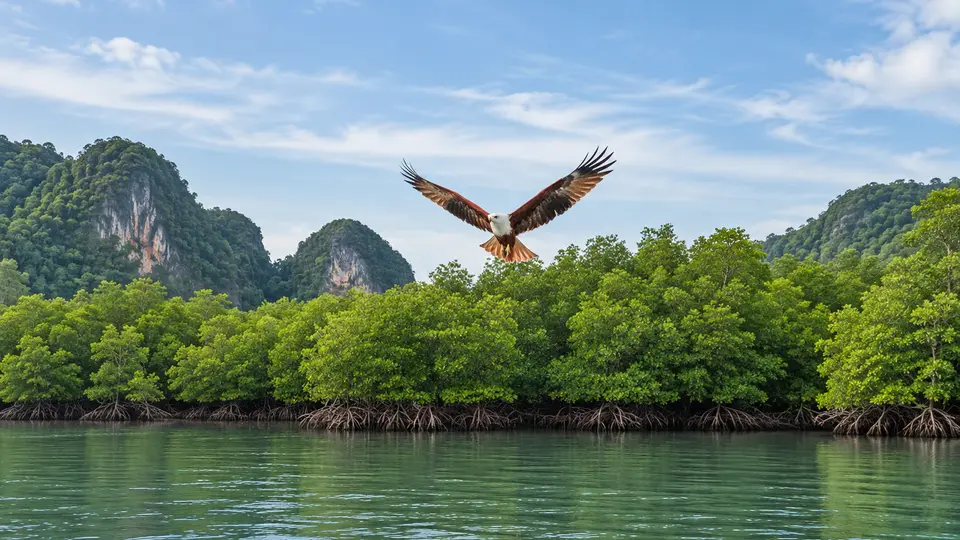
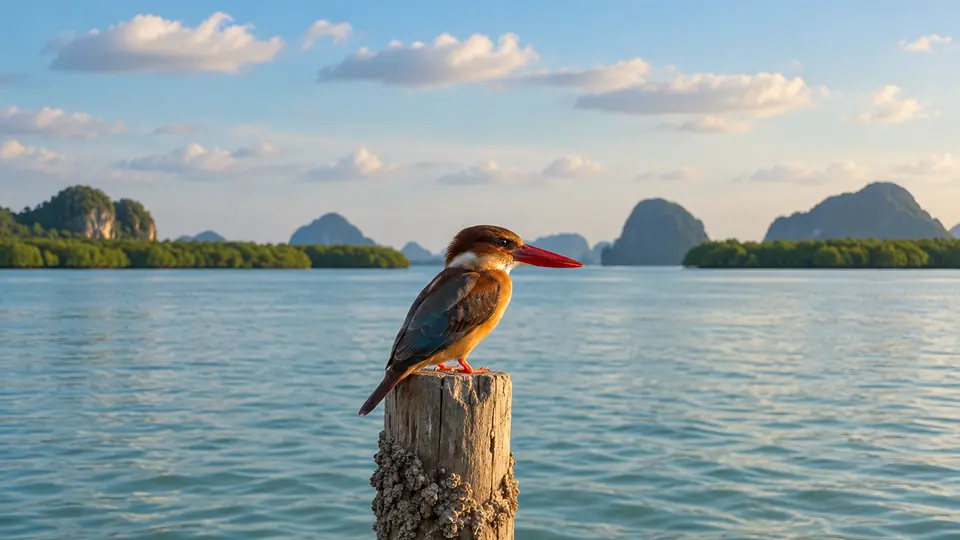
Lesser whistling duckAI-modifiedLesser whistling duckBrahminy kiteAI-modifiedBrahminy kiteBrown-winged kingfisherAI-modifiedBrown-winged kingfisher
Animal groupBirdsAnimal groupBirdsAnimal groupBirds
DestinationsThailandDestinationsIndonesia, Thailand, VietnamDestinationsThailand
Scientific nameDendrocygna javanicaScientific nameScientific name
All wildlife destinations
AI-modified
Plan your trip

Find your next wildlife adventure

Compare destinations, shore programs and dates with the animals and habitats you would love to see.

  • Naturalist-led shore excursions
  • Responsible wildlife watching
  • Small expedition ships