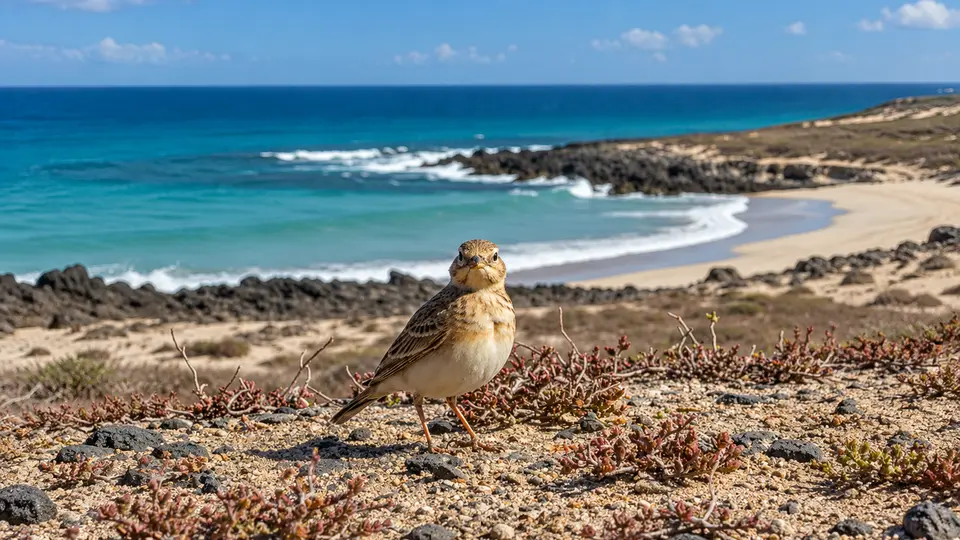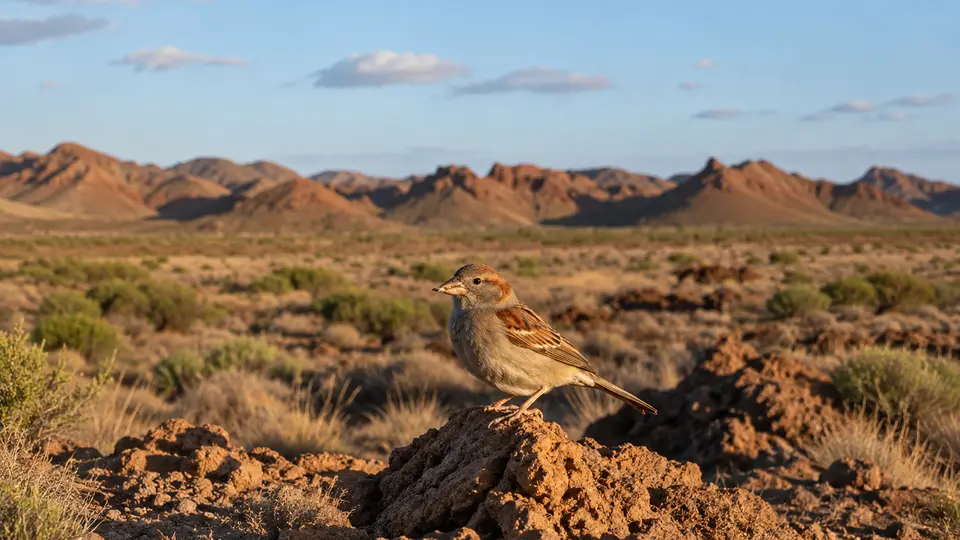
Cape Verde Sparrow in its natural habitat, AI illustration

Cape Verde Sparrow: where and when to see them

Passer iagoensis

Cape Verde Sparrow at a glance

Also called the Iago sparrow, the Cape Verde sparrow is an endemic songbird found across much of the archipelago. Its ability to use dry scrub, farmland and settlements makes it more accessible than many island endemics. Males combine a dark crown and bib with warm chestnut and pale areas, while females are subtler. Despite its familiarity around people, it remains a distinct native species shaped by the islands' dry climate and variable resources.

Behaviour & reproduction

Size
12-13 cm long
Weight
20-25 g
Lifespan
Not reliably established
Status
Least Concern

Cape Verde sparrows forage actively on the ground and among low vegetation, often gathering in small flocks outside nesting activity. They exploit scattered seeds and insects and may visit courtyards or agricultural areas where food is available. Nests are placed in cavities or sheltered sites, including structures. Breeding responds to favorable local conditions, particularly food availability following rain, so activity can differ between islands and years rather than following one rigid archipelago-wide calendar. They are generally sedentary, with individuals tending to remain in their natal areas. Social preening and dust bathing are common behaviours observed within their small flocks.

Top wildlife locations

Cape Verde wildlife habitat

Cape Verde

Coastal village edges, public gardens and nearby dry scrub offer plausible viewing habitat on several islands. Inland travel is not always necessary, although occurrence should be checked locally rather than assumed at every waterfront.

Adventure cruises in Cape Verde
Destinations describe the species' habitat, not guaranteed cruise stops. Some animals require an optional inland excursion or are found in restricted reserves.

Fun facts about the Cape Verde Sparrow

  • It is also known as the Iago sparrow.
  • Its scientific name refers to Santiago, historically called St Iago.
  • It is native only to Cape Verde.
  • It can nest in buildings as well as natural cavities.

Best time to see the Cape Verde Sparrow

Resident birds can be sought throughout the year. November to April often provides comfortable conditions for walking through settlements and dry scrub, but this is a visitor-weather window. Rainfall and subsequent food growth influence breeding, and timing can vary substantially among islands. Breeding activity is often triggered by the onset of the rainy season, typically between August and November, when food resources peak. This timing can lead to increased visibility of adult birds with food and fledglings.

Cape Verde Sparrow: season matrix by destination

Travel and observation windows vary by region. Highlighted months are an orientation for planning, not confirmed sightings or a guarantee of access.

Cape Verde

Comfortable walking months for a resident species; this window does not define breeding, which responds partly to local rainfall and food.

JanFebMarAprMayJunJulAugSepOctNovDec
Cruise ships in Cape Verde

Where the Cape Verde Sparrow lives

Dry scrub, rocky slopes, cultivated ground, villages and urban gardens all provide habitat. Coastal settlements can support birds where vegetation, nesting cavities and food occur together. Bare shorelines without plants or buildings are less useful than nearby streets, field margins and scrub-covered slopes. They are often found in close association with human habitation, but also thrive in natural, arid landscapes. Nests are typically constructed within rock crevices, tree hollows, or artificial structures like walls and roofs.

What the Cape Verde Sparrow eats

Seeds and grains form much of the adult diet, supplemented by insects and other small invertebrates. Animal prey becomes especially important when feeding growing chicks. Birds forage around grasses, agricultural plots and settlements, but deliberate feeding is unnecessary and can encourage unhealthy concentrations. They display opportunistic foraging, readily consuming human scraps and discarded food items in villages. Beyond seeds and insects, they also consume nectar from flowering plants when available, adding to their diverse diet.

Species at a glance

Common name
Cape Verde Sparrow
Scientific name
Passer iagoensis
Animal group
Birds
Size
12-13 cm long
Weight
20-25 g
Lifespan
Not reliably established
Status
Least Concern
Identification
Males show a black crown and bib with a conspicuous pale neck-side patch and chestnut areas, unlike the grey-crowned male house sparrow. Females and juveniles are duller, lacking the distinct black cap and bib, presenting a more uniformly streaky brown appearance. The overall size is small, typical of sparrows, with a relatively stout bill for seed cracking.

Cape Verde Sparrow: frequently asked questions

Where can I see the Cape Verde Sparrow?
Cape Verde. Watch quietly in public gardens, village edges and scrub without feeding birds. Respect homes and courtyards, and avoid lingering beside occupied wall cavities, where repeated attention can interrupt adults carrying food to chicks. Focus on areas with scattered trees, bushes, and a mix of open ground and human structures. Early morning and late afternoon are generally the best times for observing active foraging and social interactions.
When is the best time to see the Cape Verde Sparrow?
Resident birds can be sought throughout the year. November to April often provides comfortable conditions for walking through settlements and dry scrub, but this is a visitor-weather window. Rainfall and subsequent food growth influence breeding, and timing can vary substantially among islands. Breeding activity is often triggered by the onset of the rainy season, typically between August and November, when food resources peak. This timing can lead to increased visibility of adult birds with food and fledglings.
How big does the Cape Verde Sparrow get?
12-13 cm long. Adult weight: 20-25 g. Size varies with age, sex and population.
How should I behave around the Cape Verde Sparrow?
Watch quietly in public gardens, village edges and scrub without feeding birds. Respect homes and courtyards, and avoid lingering beside occupied wall cavities, where repeated attention can interrupt adults carrying food to chicks. Focus on areas with scattered trees, bushes, and a mix of open ground and human structures. Early morning and late afternoon are generally the best times for observing active foraging and social interactions.
What does the Cape Verde Sparrow eat?
Seeds and grains form much of the adult diet, supplemented by insects and other small invertebrates. Animal prey becomes especially important when feeding growing chicks. Birds forage around grasses, agricultural plots and settlements, but deliberate feeding is unnecessary and can encourage unhealthy concentrations. They display opportunistic foraging, readily consuming human scraps and discarded food items in villages. Beyond seeds and insects, they also consume nectar from flowering plants when available, adding to their diverse diet.
Are wildlife sightings guaranteed on an adventure cruise?
No. Animals move freely and routes, weather, access restrictions and local conditions influence every outing. Confirm the actual itinerary and shore program before booking.

Compare wildlife in the same destinations

Explore other birds recorded in these destinations. Similar surroundings do not mean the animals share the same habits or viewing season.

Species comparison by animal group and destination
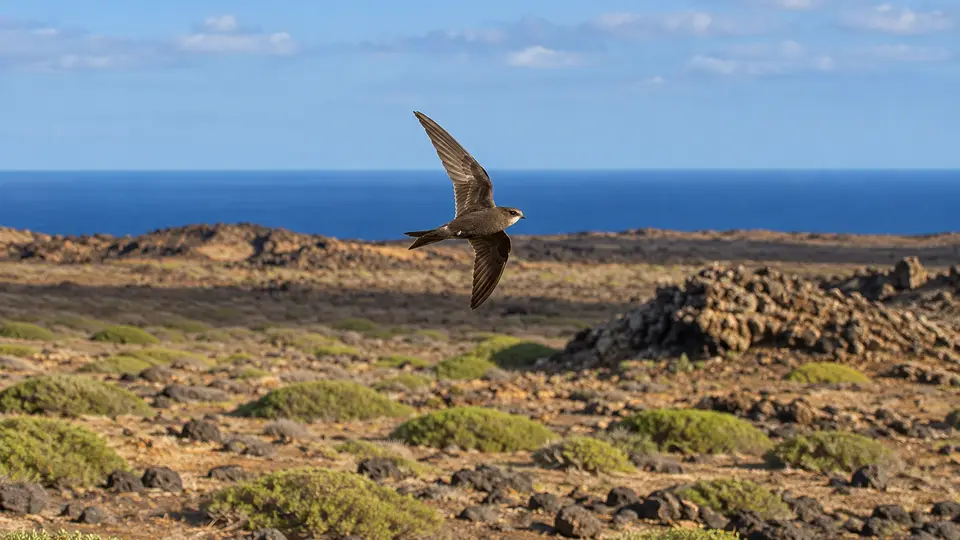
Cape Verde SparrowCape Verde SparrowAlexander's SwiftAlexander's SwiftBar-tailed LarkBar-tailed Lark
Animal groupBirdsAnimal groupBirdsAnimal groupBirds
DestinationsCape VerdeDestinationsCape VerdeDestinationsCape Verde
All wildlife destinations
Plan your trip

Find your next wildlife adventure

Compare destinations, shore programs and dates with the animals and habitats you would love to see.

  • Naturalist-led shore excursions
  • Responsible wildlife watching
  • Small expedition ships

Newsletter

Take Blue Rides with you

Adventure cruise offers, last-minute deals and trip inspiration.

Free, unsubscribe anytime. Details: Privacy Policy

Partner with Blue Rides

Affiliate Program

Recommend adventure cruises and earn commission on every confirmed booking.

Share. Track. Earn.

Your footage, our stage

Send us your videos or pictures.

Captured beautiful landscapes or wildlife? Share your videos and pictures with us, we may feature them on Blue Rides.