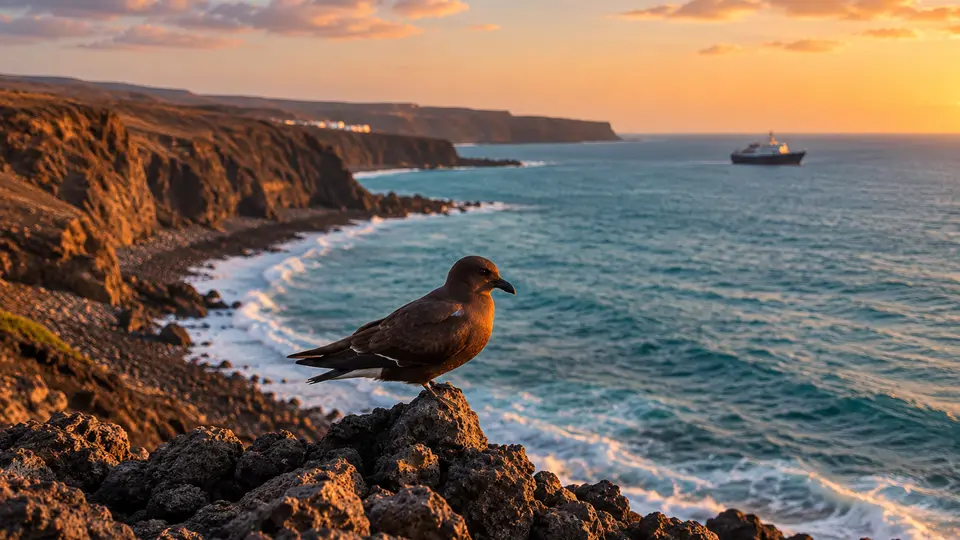
Cape Verde Storm Petrel in its natural habitatAI-modified

Cape Verde Storm PetrelHydrobates jabejabeWhere and when to see them

Cape Verde Storm Petrel at a glance

The Cape Verde storm petrel is a small, dark seabird endemic to the archipelago as a breeder. Once treated within the band-rumped storm petrel complex, it is now recognized as a separate species by major taxonomic authorities. Its tiny size, offshore habits and nocturnal colony attendance make it a challenging observation target. Ordinary coastal visits rarely provide diagnostic views, and apparent familiarity with similar storm petrels elsewhere should not substitute for careful local identification.

Behaviour & reproduction

Size
18-20 cm (7.1-7.9 in) long
Weight
Not reliably established
Lifespan
Not reliably established
Status
Check current assessment

Birds search low over the sea with quick wingbeats and gliding intervals, picking small prey from the surface. Their movements can look erratic as they respond to wind and food patches. Nest visits occur mainly in darkness, reducing exposure to some predators but complicating population monitoring. Breeding activity across the archipelago is not confined to one simple visitor season, and distant daytime birds are usually better recorded cautiously than assigned a confident species name. Nestlings are fed regurgitated oily stomach contents by both parents, allowing them to grow quickly in a short period. Adults tend to visit nests during the darkest hours of the night to avoid aerial predators like gulls and raptors.

Top wildlife locations

Cape Verde wildlife habitatAI-modified

Cape Verde

Exposed headlands overlooking offshore waters provide a slim shore-viewing possibility, but most useful views are distant and identification is difficult. Nesting islets and rocky cavities may be inaccessible or restricted, not standard visitor landings.
Destinations describe the species' habitat, not guaranteed cruise stops. Some animals require an optional inland excursion or are found in restricted reserves.

Fun facts about the Cape Verde Storm Petrel

  • It was formerly grouped with the band-rumped storm petrel.
  • Its breeding range is confined to Cape Verde.
  • Adults attend concealed nests primarily at night.
  • It is now placed in Hydrobates rather than the formerly used genus Oceanodroma.

Best time to see the Cape Verde Storm Petrel

There is no simple, well-supported shore-viewing peak for this species across Cape Verde. Breeding records span different parts of the year, while offshore distribution and weather govern visibility. A general dry-season holiday window should not be presented as evidence of increased storm petrel occurrence. Peak breeding activity on some islands is concentrated during the wet season, from August to October, when ocean productivity may be higher. While sightings are possible year-round, specific island breeding schedules vary, making a single 'best season' misleading.

Cape Verde Storm Petrel: season matrix by destination

Travel and observation windows vary by region. Highlighted months are an orientation for planning, not confirmed sightings or a guarantee of access.

Cape Verde

Complex breeding timing and limited shore-detection evidence do not support a dependable archipelago-wide observation window.

JanFebMarAprMayJunJulAugSepOctNovDec
Cruise ships in Cape Verde

Where the Cape Verde Storm Petrel lives

It feeds in offshore tropical Atlantic waters and nests in concealed rocky cavities on Cape Verde islands and islets. Breeding places can be remote, fragile and inaccessible. From land, exposed headlands overlooking deep water offer only a limited possibility of seeing passing birds. Though primarily nesting in rocky cavities, some individuals may also use burrows dug into soft earth, especially on smaller islets. Their oceanic foraging grounds extend far from the nesting islands into the vast tropical Atlantic.

What the Cape Verde Storm Petrel eats

Small marine crustaceans, tiny fish and other suitably sized marine organisms are taken near the surface. Detailed species-specific dietary information remains limited compared with that available for larger seabirds. It is inappropriate to assume that every feeding behavior described for related storm petrels applies equally. Prey often includes small crustaceans like copepods and amphipods, along with fish larvae and other zooplankton. They employ a 'pattering' flight style, dipping their feet to the surface while hovering to snatch prey.

Species at a glance

Common name
Cape Verde Storm Petrel
Scientific name
Hydrobates jabejabe
Animal group
Birds
Size
18-20 cm (7.1-7.9 in) long
Weight
Not reliably established
Lifespan
Not reliably established
Status
Check current assessment
Identification
Its dark body, white rump and relatively square tail fit the band-rumped storm petrel group, but separation from close relatives often requires more than a distant visual impression. Key identification features include its all-dark plumage except for a clear white rump and a shallow fork to the tail, which is less pronounced than in some other storm petrels. The flight is typically buoyant and erratic, with frequent changes in direction.

Cape Verde Storm Petrel: frequently asked questions

Where can I see the Cape Verde Storm Petrel?
Cape Verde. Use binoculars or a telescope from a secure headland or stable deck. Do not enter nesting crevices or illuminate colonies, and accept an unidentified storm petrel record when distance prevents reliable separation from relatives. Scanning the horizon from a stable boat deck, especially around dawn or dusk, can improve chances of seeing birds returning to or leaving colonies. Patience is key, as these small, fast-moving birds can be challenging to track over open water.
When is the best time to see the Cape Verde Storm Petrel?
There is no simple, well-supported shore-viewing peak for this species across Cape Verde. Breeding records span different parts of the year, while offshore distribution and weather govern visibility. A general dry-season holiday window should not be presented as evidence of increased storm petrel occurrence. Peak breeding activity on some islands is concentrated during the wet season, from August to October, when ocean productivity may be higher. While sightings are possible year-round, specific island breeding schedules vary, making a single 'best season' misleading.
How big does the Cape Verde Storm Petrel get?
18-20 cm (7.1-7.9 in) long. Adult weight: Not reliably established. Size varies with age, sex and population.
How should I behave around the Cape Verde Storm Petrel?
Use binoculars or a telescope from a secure headland or stable deck. Do not enter nesting crevices or illuminate colonies, and accept an unidentified storm petrel record when distance prevents reliable separation from relatives. Scanning the horizon from a stable boat deck, especially around dawn or dusk, can improve chances of seeing birds returning to or leaving colonies. Patience is key, as these small, fast-moving birds can be challenging to track over open water.
What does the Cape Verde Storm Petrel eat?
Small marine crustaceans, tiny fish and other suitably sized marine organisms are taken near the surface. Detailed species-specific dietary information remains limited compared with that available for larger seabirds. It is inappropriate to assume that every feeding behavior described for related storm petrels applies equally. Prey often includes small crustaceans like copepods and amphipods, along with fish larvae and other zooplankton. They employ a 'pattering' flight style, dipping their feet to the surface while hovering to snatch prey.
Are wildlife sightings guaranteed on an adventure cruise?
No. Animals move freely and routes, weather, access restrictions and local conditions influence every outing. Confirm the actual itinerary and shore program before booking.

Compare wildlife in the same destinations

Explore other birds recorded in these destinations. Similar surroundings do not mean the animals share the same habits or viewing season.

Species comparison by animal group and destination
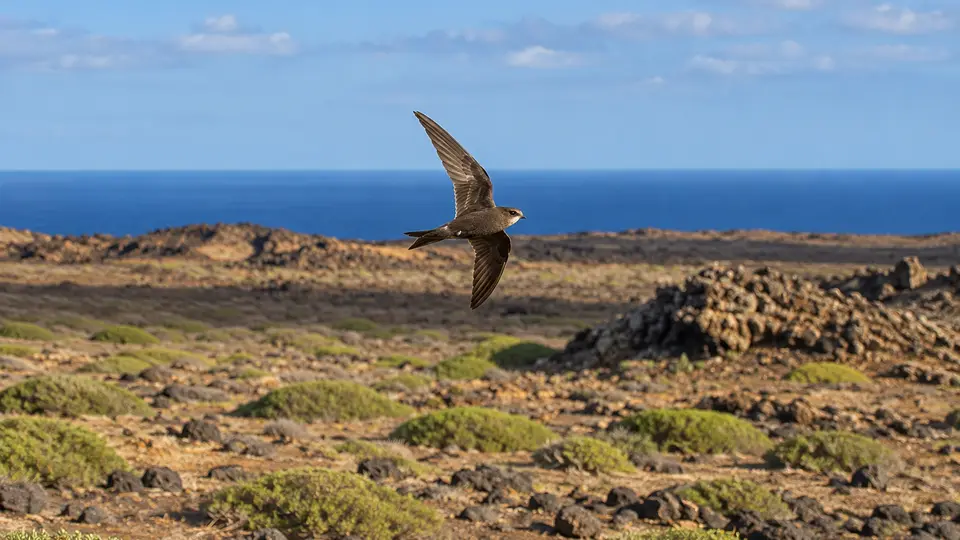
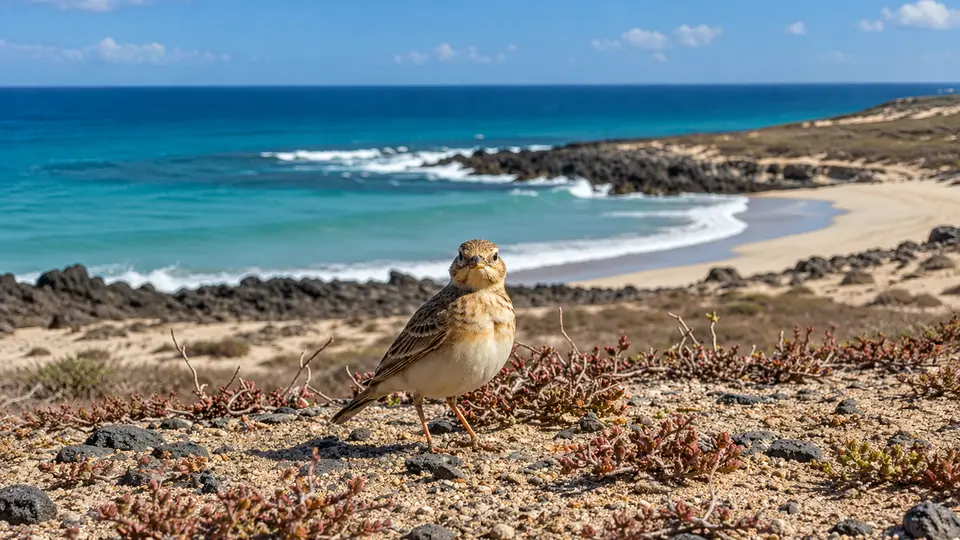
Cape Verde Storm PetrelAI-modifiedCape Verde Storm PetrelAlexander's SwiftAI-modifiedAlexander's SwiftBar-tailed LarkAI-modifiedBar-tailed Lark
Animal groupBirdsAnimal groupBirdsAnimal groupBirds
DestinationsCape VerdeDestinationsCape VerdeDestinationsCape Verde
Scientific nameHydrobates jabejabeScientific nameScientific name
All wildlife destinations
AI-modified
Plan your trip

Find your next wildlife adventure

Compare destinations, shore programs and dates with the animals and habitats you would love to see.

  • Naturalist-led shore excursions
  • Responsible wildlife watching
  • Small expedition ships