Rejsy w regionie Antarctic Peninsula łączą eksplorację z pokładu statku, wycieczki pontonami Zodiac i starannie organizowane zejścia na ląd. Nie ma gwarancji stałej listy odwiedzanych miejsc: każdego dnia o programie decyduje pogoda, warunki lodowe, obecność dzikich zwierząt oraz zasady ekspedycji.
Podróż wzdłuż lodowych brzegów Antarktydy i po okolicznym regionie pozwala z bliska przyjrzeć się krajobrazom. Twój statek przemieszcza się między nadmorskimi zakątkami, a wycieczki z przewodnikiem pozwalają dostrzec detale, które łatwo przeoczyć z pokładu.
Wybieraj konkretne przystanki w programie, a nie tylko samą nazwę kierunku. Trasy obejmujące kanały regionu Peninsula mogą oferować inny balans między naturą a kulturą niż te skupione wokół historycznych miejsc ekspedycji. Dostępne aktywności, pozwolenia i wymagania dotyczące kondycji podczas wędrówek różnią się w zależności od rejsu.
When to go
Best time to travel: seasons & weather
Match your Antarctica route to the season, the shore experiences you want and local conditions. Coastal regions can differ considerably within the same destination.
Shore-excursion season in Antarctica at a glance
JanFebMarAprMayJunJulAugSepOctNovDec
ExcellentGoodOff-season
Excellent, peak season (Dec – Feb)
Peak summer: penguin chicks, seal pups, long daylight and the most reliable landings and Zodiac cruises.
Good, shoulder season (Mar & Nov)
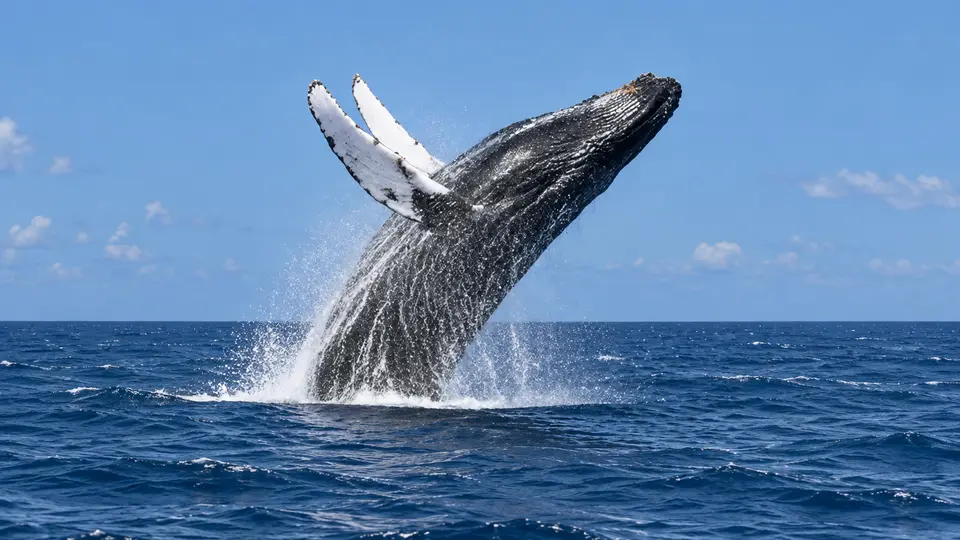
Early season brings pristine snow and courting penguins; late season brings whales and fledging chicks.
Off-season (Apr – Oct)
Sea ice and darkness; no visitor season.
Typical patterns for planning shore excursions; weather varies year to year and is never guaranteed.
Peak season · Dec – Feb
Peak summer: penguin chicks, seal pups, long daylight and the most reliable landings and Zodiac cruises.
Shoulder season · Mar & Nov
Early season brings pristine snow and courting penguins; late season brings whales and fledging chicks.
Season & shore-walk conditions
Jan
Peak
59 mm
Seasonal
Feb
Peak
46 mm
Seasonal
Mar
Variable
62 mm
Seasonal
Apr
Limited
63 mm
Limited
May
Limited
59 mm
Limited
Jun
Limited
54 mm
Limited
Jul
Limited
59 mm
Limited
Aug
Limited
62 mm
Limited
Sep
Limited
81 mm
Limited
Oct
Limited
65 mm
Limited
Nov
Variable
57 mm
Seasonal
Dec
Peak
53 mm
Seasonal
Season & shore-walk conditions
Typical pattern
Jan
Feb
Mar
Apr
May
Jun
Jul
Aug
Sep
Oct
Nov
Dec
Shore conditions
Peak
Peak
Variable
Limited
Limited
Limited
Limited
Limited
Limited
Limited
Variable
Peak
Rain / snow · mm
59
46
62
63
59
54
59
62
81
65
57
53
Cruises
Seasonal
Seasonal
Seasonal
Limited
Limited
Limited
Limited
Limited
Limited
Limited
Seasonal
Seasonal
Temperatures describe the northern Antarctic Peninsula. Landing weather and wind chill can be much harsher. Cruise operation depends on the published itinerary, not the weather rating.
Air temperatures through the year
Average daily highAverage daily low
Temperatures in Esperanza, Półwysep Antarktyczny shift clearly through the year: February is the warmest month with average highs near 1°C, while July is the coolest at around -7°C, a swing of roughly 9°C. Nights typically run about 3°C below the daytime high, so a layer for evenings is worth packing. The months between these extremes warm up and cool down gradually rather than abruptly.
Esperanza, Półwysep Antarktyczny · 2015–2024. Monthly averages, rounded for planning; not a forecast or a local station measurement. Rainfall includes water-equivalent snowfall where relevant.
Wildlife on land & along the coast
Meet the locals
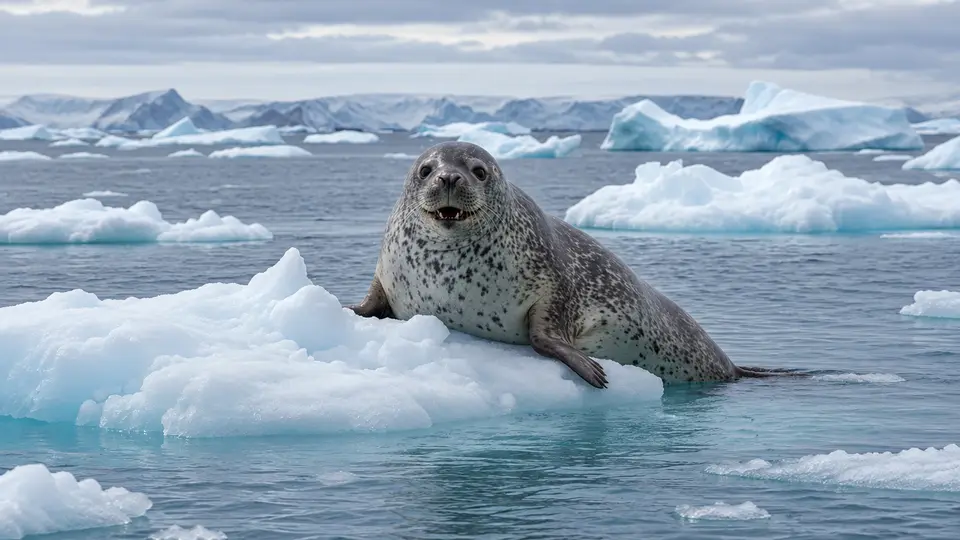
The most memorable encounters often happen at walking pace. Animals live in specific habitats, so the places on your route matter as much as the month. Follow local wildlife distances and your guide.
Wildlife is wild: sightings, courtship displays and nesting activity cannot be guaranteed. Species occur in different parts of the region, not at every landing.
These are examples of places and experiences, not a promised itinerary. Look for the actual landing names and included transfers in your ship’s day-by-day program.
01 · Nadmorskie krajobrazy
Lodowe brzegi Antarktydy
Lodowe klify i dryfujące góry lodowe zapewniają niesamowite widoki na wybrzeże z wyznaczonych punktów widokowych i małych łodzi.
Sprawdź dostępność, poziom aktywności i świadczenia w swoim potwierdzonym planie podróży.
02 · Lokalne dziedzictwo
Cieśniny Półwyspu
Wąskie cieśniny między górzystymi wyspami stanowią niezwykle malownicze trasy, o ile pozwalają na to warunki lodowe.
Sprawdź dostępność, poziom aktywności i świadczenia w swoim potwierdzonym planie podróży.
03 · Eksploracja z przewodnikiem
Zatoki pełne gór lodowych
Rejsy łodziami Zodiac pozwalają na odkrywanie bezpiecznych wód wśród osiadłego i dryfującego lodu pod nadzorem zespołu ekspedycyjnego.
Sprawdź dostępność, poziom aktywności i świadczenia w swoim potwierdzonym planie podróży.
04 · Przyroda na lądzie
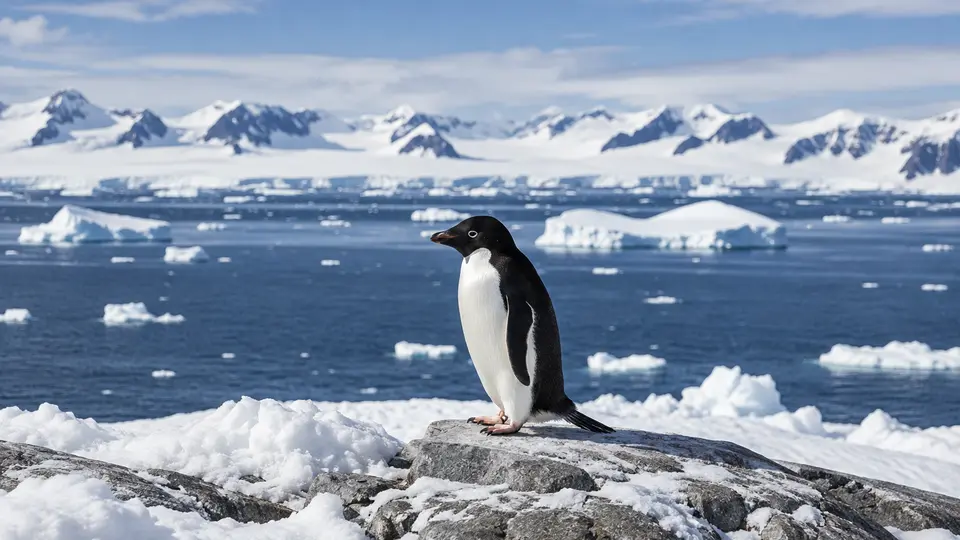
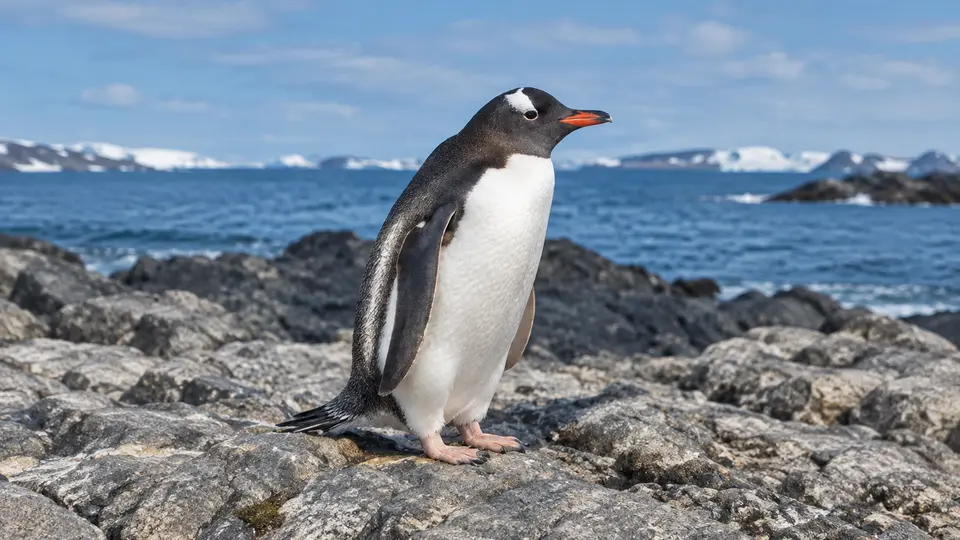
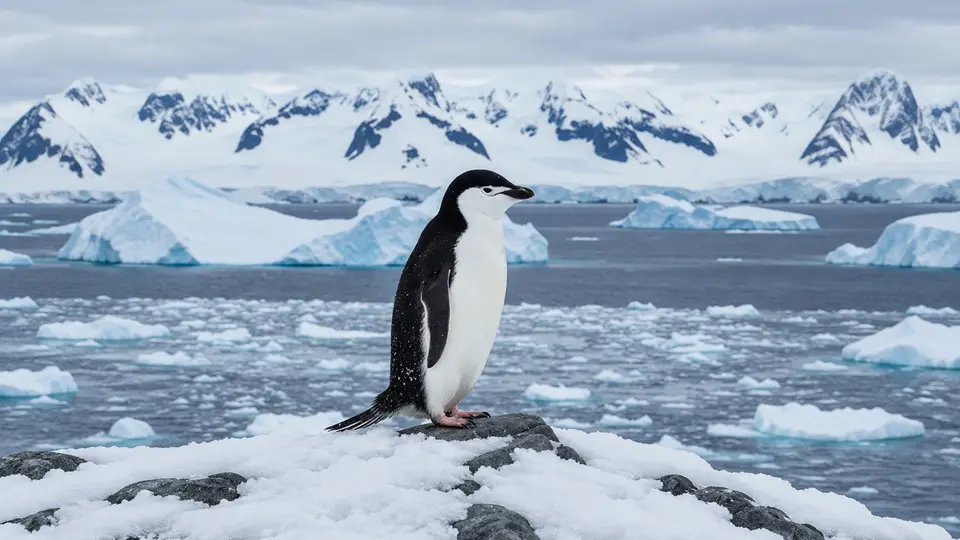
Kolonie pingwinów
Do sezonowych miejsc lęgowych należy zbliżać się z zachowaniem rygorystycznego dystansu, nie blokując przy tym ścieżek przemieszczania się zwierząt.
Sprawdź dostępność, poziom aktywności i świadczenia w swoim potwierdzonym planie podróży.
05 · Wyspiarskie doświadczenia
Historyczne miejsca ekspedycji
Niektóre trasy obejmują autoryzowane wizyty w historycznych chatach lub stacjach. Dostęp zależy od zaproszenia i zasad ochrony przyrody.
Sprawdź dostępność, poziom aktywności i świadczenia w swoim potwierdzonym planie podróży.
06 · Najważniejsze punkty trasy
Skaliste miejsca zejścia na ląd w Antarktyce
Czyszczenie butów, ostrożne poruszanie się i stosowanie się do instrukcji przewodnika są absolutnie konieczne na śliskich brzegach.
Sprawdź dostępność, poziom aktywności i świadczenia w swoim potwierdzonym planie podróży.
Krajobrazy ukształtowane przez lód
Dominują lodowce, śnieg i lód morski; odsłonięte skały ukazują krajobraz ukształtowany przez lód.
Rzadka roślinność polarna
Mchy, porosty i nieliczne rośliny kwiatowe łatwo ulegają zniszczeniu, dlatego nie wolno po nich deptać.
Zasady dla odwiedzających Antarktydę
Wytyczne IAATO ograniczają liczbę osób schodzących na ląd, wymagają przestrzegania procedur bioasekuracyjnych i określają minimalny dystans od dzikich zwierząt.
Choose places before cabins
Which Antarctica route is right for you?
Route labels vary between operators. Compare the actual ports, landings and shore programs, not just the regional name.
Półwysep Antarktyczny
Klasyczny cel wielu rejsów rozpoczynających się w Ushuaia, oferujący elastyczne plany zejść na ląd.
Półwysep i Szetlandy Południowe
Pobliskie archipelagi mogą wzbogacić trasę o inne kolonie i wulkaniczne krajobrazy.
Dłuższe trasy po Oceanie Południowym
Przedłużenie rejsu o Falklandy lub Georgię Południową wiąże się z odwiedzeniem dodatkowych krajów, większymi odległościami i koniecznością uzyskania pozwoleń.
Explore the cruise ships already in our collection. Compare cabins, guest numbers and day-by-day routes; daily prices appear only when current pricing is available.
Loading Antarctica cruise ships…
Flights & arrival
How to get to Antarctica
Most voyages start in Ushuaia (USH), reached via Buenos Aires (EZE/AEP); fly-cruise trips start in Punta Arenas (PUQ).
USH
Flight gateway
Ushuaia · Malvinas Argentinas
Choose this airport only if it suits your confirmed embarkation port. Confirm the onward flight or harbour transfer from Ushuaia with your operator before booking.
EZE
Flight gateway
Buenos Aires · Ministro Pistarini
International gateway to Buenos Aires. Your onward flight may use Jorge Newbery (AEP), requiring a road transfer between airports. Allow a generous connection or an overnight stay.
AEP
Flight gateway
Buenos Aires · Jorge Newbery
Used for many domestic connections, including southern Argentina. Check the airport on your onward ticket and allow for any transfer from Ezeiza (EZE).
PUQ
Flight gateway
Punta Arenas · Presidente Carlos Ibáñez del Campo
Gateway for some Antarctic fly-cruises. Follow the operator’s required hotel nights and pre-departure briefing schedule rather than planning a same-day connection.
Connections & onward transfers
Onward journey
Allow at least one buffer night in Buenos Aires or Ushuaia, as weather can delay flights.
Arrive early, protect your departure
We recommend reaching the embarkation town at least one day before departure. Allow more time for remote destinations, separate flights, ferries or long transfers, and follow any earlier arrival or briefing required by your operator.
Confirm the embarkation town, harbour meeting point and check-in time before buying flights.
Ask which airport transfer, ferry or domestic connection is included in the cruise.
Book flexible connections where possible and allow extra time for remote routes.
The airports listed are alternatives for different routes, not confirmed flights for this ship. Check the port, meeting time and transfers in your final travel documents.
Flight schedules and entry requirements change. Confirm current arrangements with your operator before booking.
Before you set sail
A little preparation makes a big difference
Pack for the landings
Waterproof outer layers and warm insulating clothing
Operator-approved boots for wet landings, with clean soles
Warm gloves, hat and sun protection for snow and ice
Binoculars, camera protection and spare batteries
Personal medication and motion-sickness advice before departure
Respect the destination
Follow local guides, landing permissions and protected-area rules
Keep the required distance from wildlife and avoid nesting or resting areas
Never feed or touch animals; do not collect natural objects
Clean footwear and equipment before sensitive island landings
Respect local dress, community invitations and photography permission
Discuss health, mobility and dietary needs before choosing a route. Remote areas may have limited medical facilities; travel insurance should cover your activities and any necessary evacuation.
Good to know
Antarctica cruise questions
When is the best time for a Antarctica cruise?
Peak summer: penguin chicks, seal pups, long daylight and the most reliable landings and Zodiac cruises. Early season brings pristine snow and courting penguins; late season brings whales and fledging chicks. The climate chart describes Esperanza, Półwysep Antarktyczny; conditions elsewhere on the route can differ.
Which Antarctica route should I choose?
Półwysep Antarktyczny: Klasyczny cel wielu rejsów rozpoczynających się w Ushuaia, oferujący elastyczne plany zejść na ląd. Półwysep i Szetlandy Południowe: Pobliskie archipelagi mogą wzbogacić trasę o inne kolonie i wulkaniczne krajobrazy. Dłuższe trasy po Oceanie Południowym: Przedłużenie rejsu o Falklandy lub Georgię Południową wiąże się z odwiedzeniem dodatkowych krajów, większymi odległościami i koniecznością uzyskania pozwoleń.
Are shore excursions included?
Check the inclusions and actual day-by-day program. Visits such as Lodowe brzegi Antarktydy or Cieśniny Półwyspu require the right route; park entry, transfers and optional activities may cost extra.
What wildlife can I see in Antarctica?
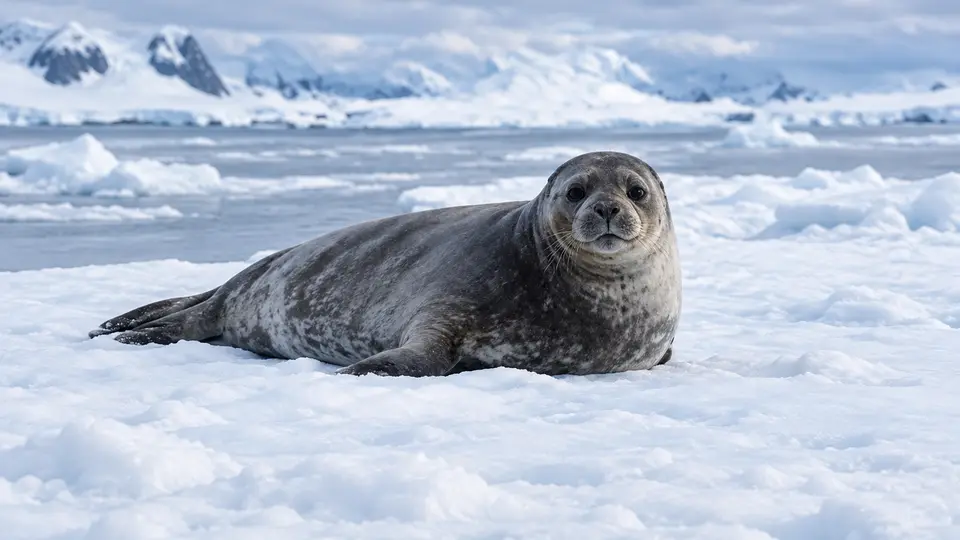
The region supports species such as Pingwin białooki, Pingwin białobrewy, Pingwin maskowy. Different species use different habitats; not every animal occurs at every port. Sightings are never guaranteed.
Do I need to be an experienced hiker?
Not necessarily, but uneven paths, steps and wet transfers can be demanding. Ask about the exact walking distances, terrain and assistance before choosing your voyage.
Can the itinerary change?
Yes. Weather, sea state, tides, ice, permits and wildlife protection can change landings. Your captain and expedition team determine safe alternatives.
What entry documents do I need for Antarctica?
Check the entry requirements for every country on your itinerary, including embarkation, disembarkation and transit countries. Requirements depend on your nationality and travel documents. Ask the relevant consulates about visas, electronic travel authorisations and passport validity before travelling.
Polar regions are not a single immigration jurisdiction. The countries on your confirmed route determine the entry rules; check your departure gateway and every landing country separately.
When should I arrive before the cruise?
Reach the confirmed embarkation town at least one day early, or earlier if your operator requires briefing nights. Allow extra time for domestic flights, ferries and remote gateways.
Zaplanuj podróż
Your Antarctica story starts here
Find the ship, route and travel dates that suit you.