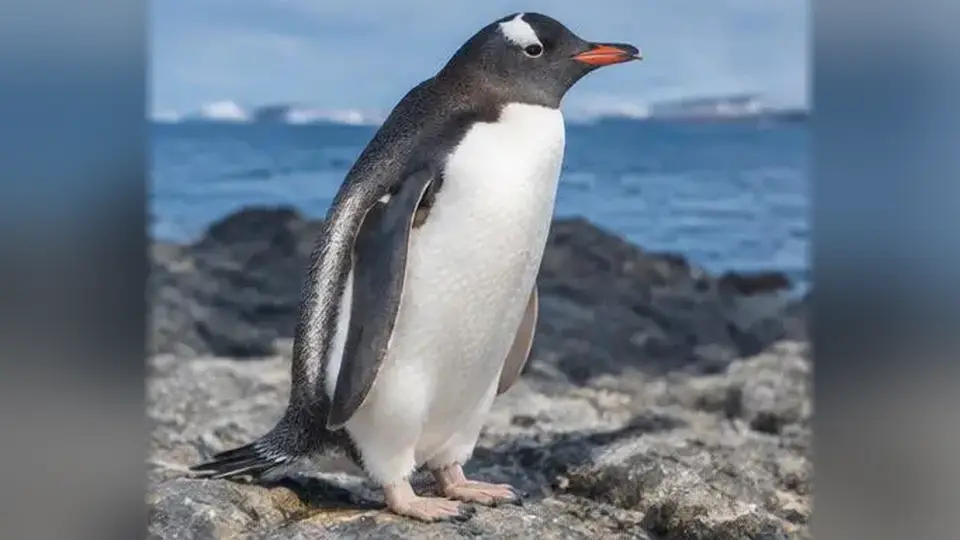
Gentoo Penguin in its natural habitat, AI illustration
Size70-90 cm tallLifespan15-20 yearsStatusLeast Concern

Gentoo Penguin: where and when to see them

Pygoscelis papua

Gentoo Penguin at a glance

The gentoo penguin is a robust, orange-billed seabird of Antarctic and subantarctic coasts. In the Antarctic Peninsula region, colonies are closely associated with accessible, ice-free ground and nearby marine feeding areas. Its conspicuous white head markings and long tail help distinguish it among mixed penguin gatherings. Although globally assessed as Least Concern, local populations experience differing trends, and disturbance, changing sea conditions and competition for marine food remain important management concerns.

Behaviour & reproduction

Size
70-90 cm tall
Weight
4.5-8.5 kg
Lifespan
15-20 years
Status
Least Concern

Gentoos form breeding colonies on exposed ground, constructing low nests from stones and other available material. Partners exchange calls and displays, and both incubate eggs and feed chicks. Birds follow regular routes between nests and the sea, sometimes creating deeply worn tracks. Chicks eventually gather in groups while adults forage. Stone stealing between neighboring nests is frequent, and returning birds often pause at the colony edge before locating their partners. Courtship displays involve bowing and trumpeting calls, often accompanied by stone-presenting rituals during nest building. Chicks form crèches, or groups, for protection against predators and the elements while adults are away foraging, a common behavior among many penguin species.

Top wildlife locations

Antarctica wildlife habitat

Antarctica

Authorized ice-free Peninsula and nearby island shores provide plausible colony views, with distant deck observation where landings are unavailable. Access is weather-dependent, and many Antarctic coastlines lack suitable gentoo breeding habitat.

Adventure cruises in Antarctica

Destinations describe the species' habitat, not guaranteed cruise stops. Some animals require an optional inland excursion or are found in restricted reserves.

Fun facts about the Gentoo Penguin

  • Both parents incubate the usual two-egg clutch.
  • Nest stones are valuable enough to provoke repeated thefts between neighbors.
  • Its stiff tail often sweeps sideways as it walks.
  • Gentoo penguins breed across both Antarctic and subantarctic environments.

Best time to see the Gentoo Penguin

The austral summer, broadly November to March, provides the practical Antarctic visitor window. Courtship and incubation generally precede chick rearing and late-summer molting, but timing varies with locality and snow conditions. Permitted access and daily weather ultimately determine opportunities to observe colonies from shore. During the austral summer, visitors can observe the entire breeding cycle from courtship to chick rearing. Peak activity for chick feeding and creching is typically in January and February, offering dynamic viewing opportunities as adults ferry food to their young.

Gentoo Penguin: season matrix by destination

Travel and observation windows vary by region. Highlighted months are an orientation for planning, not confirmed sightings or a guarantee of access.

Antarctica

This is the main visitor-access window; nesting, chick development and molt vary among colonies and years.

JanFebMarAprMayJunJulAugSepOctNovDec
Cruise ships in Antarctica

Where the Gentoo Penguin lives

Breeding habitat consists of ice-free coastal slopes, gravel terraces, rocky headlands and, farther north, vegetated ground. Colonies need practical access to the sea without persistent blocking ice. In Antarctica, suitable terrain is concentrated along parts of the Peninsula and adjacent islands. Found on various subantarctic islands and the Antarctic Peninsula, Gentoo Penguins prefer areas free of permanent ice. Their distribution is closely tied to accessible, ice-free coastlines, particularly in the warmer northern reaches of the Antarctic continent.

What the Gentoo Penguin eats

Krill, fish and squid contribute to the diet in proportions that differ among colonies and seasons. Adults capture prey at sea and return to feed chicks by regurgitation. Compared with some neighboring penguins, gentoos can exploit a broad mixture of nearshore food resources. Their diet varies seasonally and geographically, reflecting opportunistic foraging on locally abundant prey. Krill often forms a significant portion of their intake, especially in areas with high krill concentrations, supplemented by various fish species like lanternfish and squid.

Species at a glance

Common name
Gentoo Penguin
Scientific name
Pygoscelis papua
Animal group
Birds
Size
70-90 cm tall
Weight
4.5-8.5 kg
Lifespan
15-20 years
Status
Least Concern
Identification
A broad white patch over the crown, bright orange-red bill and long tail distinguish it from the black-billed Adélie and chinstrap penguins. The prominent white 'bonnet' patch extending over the top of the head distinguishes it from other brush-tailed penguins. The bright red-orange bill and a relatively long, sweeping tail are key features to look for when identifying them in a mixed colony.

Gentoo Penguin: frequently asked questions

Where can I see the Gentoo Penguin?
Antarctica. Keep penguin routes between nests and shore completely open, and follow local wildlife distances. Stand still if birds approach, never surround chicks, and clean footwear as directed to reduce disease transfer between colonies. When viewing from shore, remain at least five meters from penguins, as per Antarctic wildlife guidelines. Observe from a respectful distance to avoid causing stress or altering natural behaviors, allowing penguins to move freely along their established paths.
When is the best time to see the Gentoo Penguin?
The austral summer, broadly November to March, provides the practical Antarctic visitor window. Courtship and incubation generally precede chick rearing and late-summer molting, but timing varies with locality and snow conditions. Permitted access and daily weather ultimately determine opportunities to observe colonies from shore. During the austral summer, visitors can observe the entire breeding cycle from courtship to chick rearing. Peak activity for chick feeding and creching is typically in January and February, offering dynamic viewing opportunities as adults ferry food to their young.
How big does the Gentoo Penguin get?
70-90 cm tall. Adult weight: 4.5-8.5 kg. Size varies with age, sex and population.
How should I behave around the Gentoo Penguin?
Keep penguin routes between nests and shore completely open, and follow local wildlife distances. Stand still if birds approach, never surround chicks, and clean footwear as directed to reduce disease transfer between colonies. When viewing from shore, remain at least five meters from penguins, as per Antarctic wildlife guidelines. Observe from a respectful distance to avoid causing stress or altering natural behaviors, allowing penguins to move freely along their established paths.
What does the Gentoo Penguin eat?
Krill, fish and squid contribute to the diet in proportions that differ among colonies and seasons. Adults capture prey at sea and return to feed chicks by regurgitation. Compared with some neighboring penguins, gentoos can exploit a broad mixture of nearshore food resources. Their diet varies seasonally and geographically, reflecting opportunistic foraging on locally abundant prey. Krill often forms a significant portion of their intake, especially in areas with high krill concentrations, supplemented by various fish species like lanternfish and squid.
Are wildlife sightings guaranteed on an adventure cruise?
No. Animals move freely and routes, weather, access restrictions and local conditions influence every outing. Confirm the actual itinerary and shore programme before booking.

Compare wildlife in the same destinations

Explore other birds recorded in these destinations. Similar surroundings do not mean the animals share the same habits or viewing season.

Species comparison by animal group and destination
Gentoo PenguinGentoo PenguinAdélie PenguinAdélie PenguinAntarctic PetrelAntarctic Petrel
Animal groupBirdsAnimal groupBirdsAnimal groupBirds
DestinationsAntarcticaDestinationsAntarcticaDestinationsAntarctica
All wildlife destinations
Plan your trip

Find your next wildlife adventure

Compare destinations, shore programmes and dates with the animals and habitats you would love to see.

  • Naturalist-led shore excursions
  • Responsible wildlife watching
  • Small expedition ships

Newsletter

Take Blue Rides with you

Adventure cruise offers, last-minute deals and trip inspiration.

Free, unsubscribe anytime. Details: Privacy Policy

Partner with Blue Rides

Affiliate Program

Recommend adventure cruises and earn commission on every confirmed booking.

Share. Track. Earn.