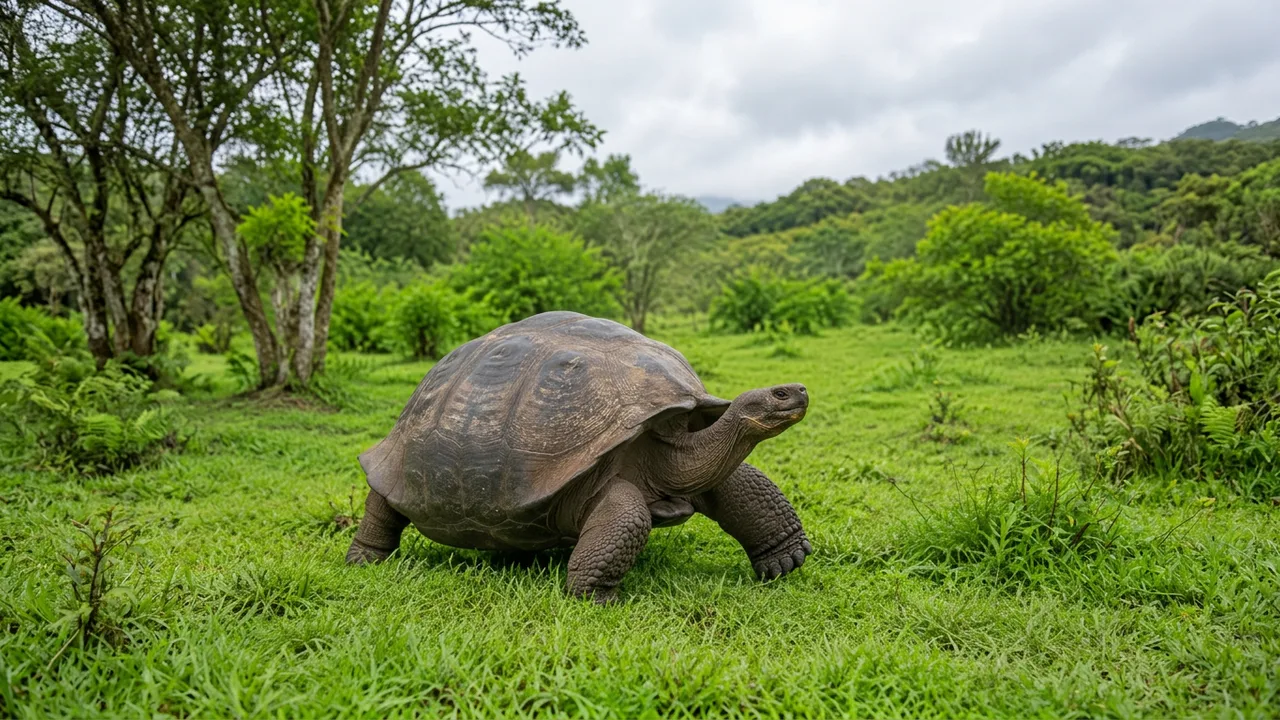
Galápagos Tortoise in its natural habitat, AI illustration
Size80-130 cm shell length, varying by speciesLifespan100-150 yearsStatusAssessment varies

Galápagos Tortoise: where and when to see them

Reptiles

Galápagos Tortoise at a glance

Galápagos tortoise is a collective name for several closely related giant tortoise species, not a single uniform animal. Different island populations have distinctive histories, shell shapes and ecological needs. These large herbivores influence vegetation by grazing, trampling and carrying seeds between feeding areas. Historical exploitation and introduced animals devastated many populations, while captive breeding, habitat protection and carefully managed restoration have helped some recover. Conservation status must be considered species by species.

Behaviour & reproduction

Size
80-130 cm shell length, varying by species
Weight
50-250 kg, varying by species and sex
Lifespan
100-150 years
Status
Assessment varies

Giant tortoises spend much of their time grazing, resting and moving between food, shade and water. Some undertake seasonal movements between humid highlands and drier lowlands. They may wallow in muddy pools and stretch their necks during social encounters, with body size and height influencing dominance. Females excavate nests in soil and leave their buried eggs to develop without parental care. Activity varies with temperature, moisture and the particular island population. They are ectothermic, regulating their body temperature by basking in the sun or seeking shade. Some populations undertake significant migrations, traveling miles between feeding and nesting grounds, often using established trails passed down through generations.

Top wildlife locations

Galapagos wildlife habitat

Galapagos

Authorized highland reserves and managed facilities offer terrestrial viewing, often requiring an inland excursion. Coastal habitat suits some populations, but many species occupy remote or restricted areas outside standard visitor access.

Adventure cruises in Galapagos
Destinations describe the species' habitat, not guaranteed cruise stops. Some animals require an optional inland excursion or are found in restricted reserves.

Fun facts about the Galápagos Tortoise

  • The catalog name covers multiple species with different conservation assessments.
  • Saddleback shells provide extra clearance for the neck when reaching elevated vegetation.
  • Some populations make repeated seasonal journeys along established routes.
  • Tortoises act as seed dispersers as well as grazers.

Best time to see the Galápagos Tortoise

Viewing at authorized reserves and managed visitor facilities is possible throughout the year. Wild tortoise distribution changes with rainfall, vegetation growth and seasonal movements, so the best local area can shift. Travel dates should not be interpreted as a universal nesting or migration season. Prime viewing opportunities often coincide with the cooler, dry season (June to November) when tortoises are more active in the lowlands. During the warm, wet season (December to May), many may move to higher, wetter elevations, making them less accessible.

Galápagos Tortoise: season matrix by destination

Travel and observation windows vary by region. Highlighted months are an orientation for planning, not confirmed sightings or a guarantee of access.

Galapagos

Year-round visitor opportunities apply to accessible sites, not every tortoise species; local movements, reserve permissions and weather determine practical access.

JanFebMarAprMayJunJulAugSepOctNovDec
Cruise ships in Galapagos

Where the Galápagos Tortoise lives

Habitats range from dry cactus scrub and open lava country to moist upland grassland and woodland. Domed and saddleback shell forms are associated with different environments, although relationships are not absolute. Individual species may have very limited distributions and tightly controlled access. Galápagos tortoises occupy diverse habitats across several islands, preferring areas with abundant vegetation and access to water. Their long lifespan means they can experience significant environmental changes over their individual lives.

What the Galápagos Tortoise eats

These herbivores eat grasses, leaves, herbs, fruits and cactus pads, with choices varying among islands and seasons. Their slow digestion helps process fibrous plants. Seeds can survive passage through the gut, allowing tortoises to disperse plants over substantial distances during their movements. Water is also obtained directly from succulent plants like prickly pear cacti. They are crucial seed dispersers, consuming fruits and then depositing seeds, which aids in plant regeneration across the islands.

Species at a glance

Common name
Galápagos Tortoise
Scientific name
Name covers more than one taxon
Animal group
Reptiles
Size
80-130 cm shell length, varying by species
Weight
50-250 kg, varying by species and sex
Lifespan
100-150 years
Status
Assessment varies
Identification
These are massive terrestrial tortoises with thick elephant-like legs and domed or saddleback shells; reliably separating the related Galápagos species usually requires locality and expert knowledge. Age can be estimated from the size and thickness of their carapaces, though this is not precise. The shape of the front opening of the shell and the length of the neck are key features for distinguishing between domed and saddleback forms.

Galápagos Tortoise: frequently asked questions

Where can I see the Galápagos Tortoise?
Galapagos. Stay on authorized paths and allow tortoises an unobstructed route. Do not touch shells, feed animals or crowd their heads; retreating defensively interrupts normal activity. Observe site biosecurity rules to avoid moving seeds or pathogens between populations. Be mindful of their slow movement and avoid startling them, as they can withdraw into their shells for extended periods. Maintain a respectful distance of at least six feet (two meters) to avoid disturbing these protected animals.
When is the best time to see the Galápagos Tortoise?
Viewing at authorized reserves and managed visitor facilities is possible throughout the year. Wild tortoise distribution changes with rainfall, vegetation growth and seasonal movements, so the best local area can shift. Travel dates should not be interpreted as a universal nesting or migration season. Prime viewing opportunities often coincide with the cooler, dry season (June to November) when tortoises are more active in the lowlands. During the warm, wet season (December to May), many may move to higher, wetter elevations, making them less accessible.
How big does the Galápagos Tortoise get?
80-130 cm shell length, varying by species. Adult weight: 50-250 kg, varying by species and sex. Size varies with age, sex and population.
How should I behave around the Galápagos Tortoise?
Stay on authorized paths and allow tortoises an unobstructed route. Do not touch shells, feed animals or crowd their heads; retreating defensively interrupts normal activity. Observe site biosecurity rules to avoid moving seeds or pathogens between populations. Be mindful of their slow movement and avoid startling them, as they can withdraw into their shells for extended periods. Maintain a respectful distance of at least six feet (two meters) to avoid disturbing these protected animals.
What does the Galápagos Tortoise eat?
These herbivores eat grasses, leaves, herbs, fruits and cactus pads, with choices varying among islands and seasons. Their slow digestion helps process fibrous plants. Seeds can survive passage through the gut, allowing tortoises to disperse plants over substantial distances during their movements. Water is also obtained directly from succulent plants like prickly pear cacti. They are crucial seed dispersers, consuming fruits and then depositing seeds, which aids in plant regeneration across the islands.
Are wildlife sightings guaranteed on an adventure cruise?
No. Animals move freely and routes, weather, access restrictions and local conditions influence every outing. Confirm the actual itinerary and shore programme before booking.

Compare wildlife in the same destinations

Explore other reptiles recorded in these destinations. Similar surroundings do not mean the animals share the same habits or viewing season.

Species comparison by animal group and destination
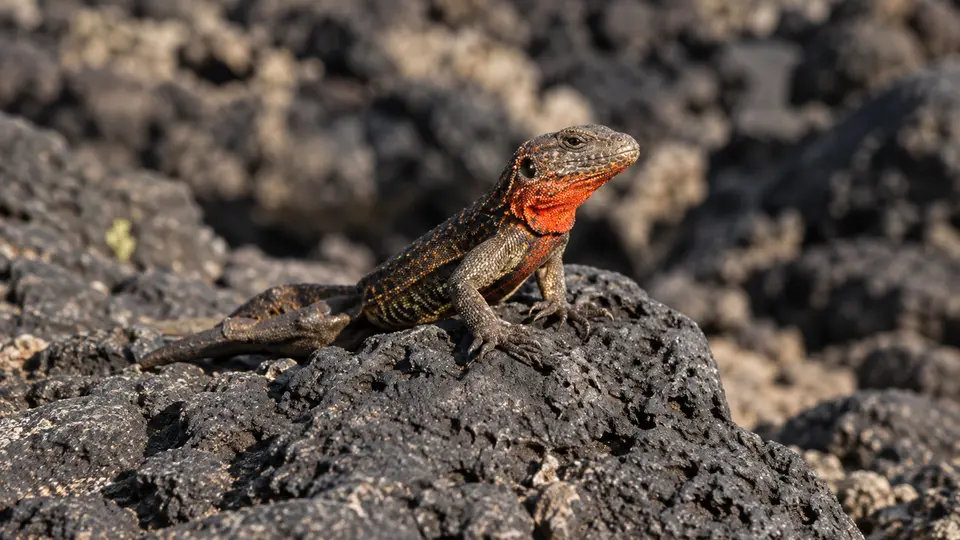
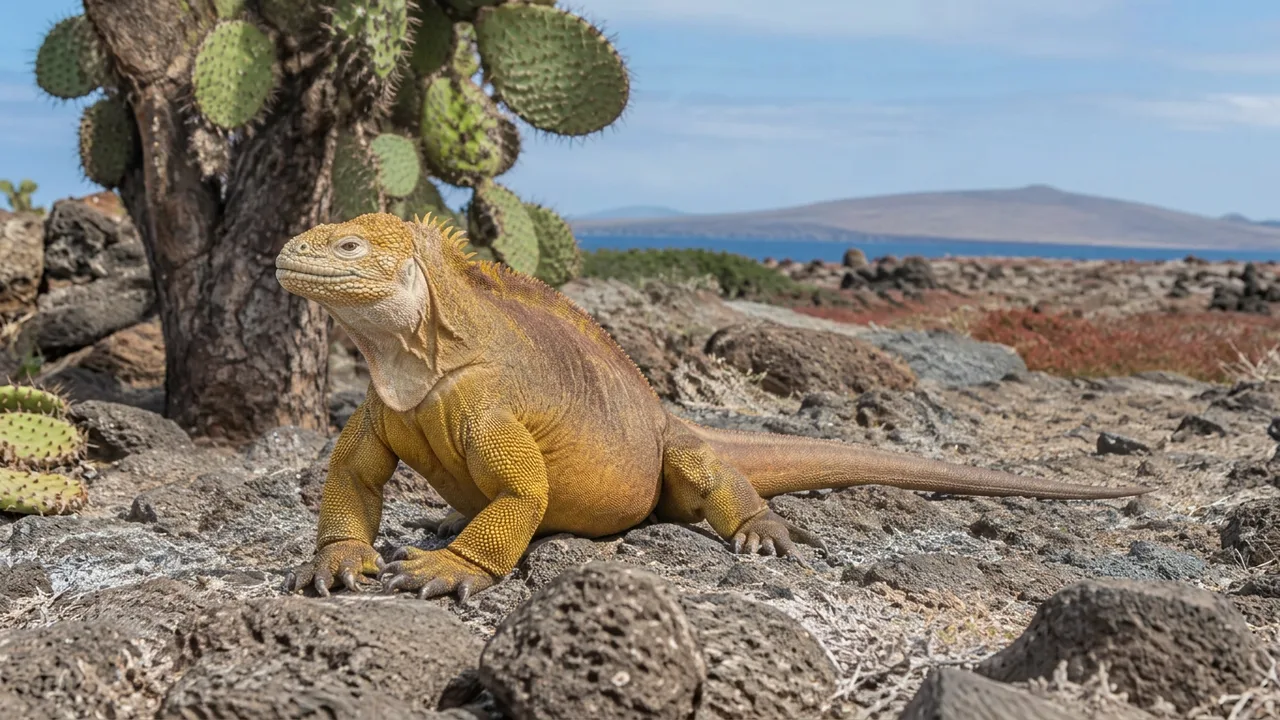
Galápagos TortoiseGalápagos TortoiseGalápagos Land IguanaGalápagos Land IguanaGalápagos Lava LizardGalápagos Lava Lizard
Animal groupReptilesAnimal groupReptilesAnimal groupReptiles
DestinationsGalapagosDestinationsGalapagosDestinationsGalapagos
All wildlife destinations
Plan your trip

Find your next wildlife adventure

Compare destinations, shore programmes and dates with the animals and habitats you would love to see.

  • Naturalist-led shore excursions
  • Responsible wildlife watching
  • Small expedition ships

Newsletter

Take Blue Rides with you

Adventure cruise offers, last-minute deals and trip inspiration.

Free, unsubscribe anytime. Details: Privacy Policy

Partner with Blue Rides

Affiliate Program

Recommend adventure cruises and earn commission on every confirmed booking.

Share. Track. Earn.