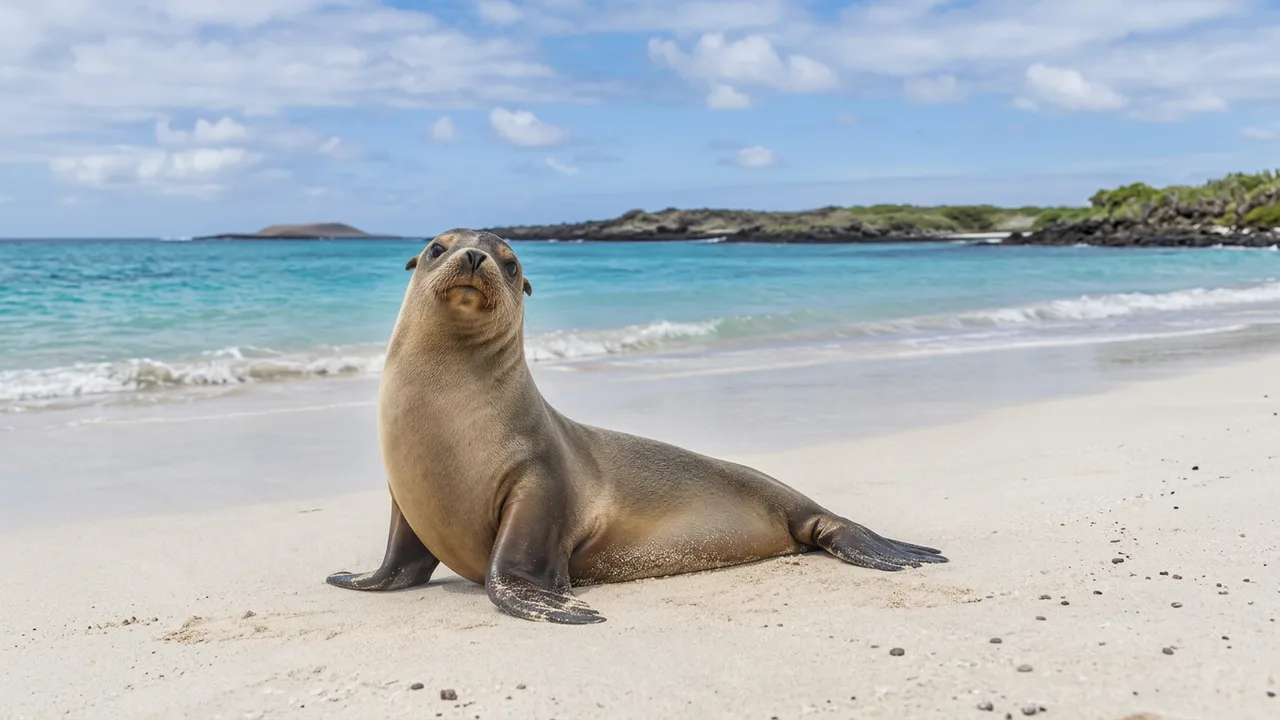
Galápagos Sea Lion in its natural habitatAI-modified

Galápagos Sea LionZalophus wollebaekiWhere and when to see them

Galápagos Sea Lion at a glance

The Galápagos sea lion is an endemic marine mammal whose life alternates between ocean feeding trips and resting or breeding ashore. Colonies occupy beaches, rocky shelves and sheltered bays throughout much of the archipelago. Females are considerably smaller than mature males, which develop a thick neck and prominent forehead. Despite its visibility around visitor areas, the species faces substantial pressures from changing ocean conditions, disease, fisheries interactions and human disturbance.

Behaviour & reproduction

Size
1.5-2.5 m (4.9-8.2 ft) long
Weight
50-250 kg (110-551 lb)
Lifespan
15-24 years
Status
Endangered

On land, sea lions rest in groups, vocalize frequently and move surprisingly well using their foreflippers and forward-rotated hind flippers. Territorial males defend access to breeding areas, while mothers locate their pups through voice and scent after returning from feeding trips. Pups play together near nursery areas. Breeding timing varies among islands, and animals may shift resting places with tides, heat, disturbance and the availability of nearby prey. Sea lions are highly social animals, forming large colonies on shore where they interact through a complex repertoire of barks, roars, and growls. Pups remain dependent on their mothers for nursing for up to a year, sometimes even longer, while developing crucial swimming and foraging skills.

Top wildlife locations

Galapagos wildlife habitatAI-modified

Galapagos

Permitted beaches and lava-edged bays provide shore-viewing habitat, with additional distant views possible from decks. Inland excursions are unnecessary, but resting groups shift and individual visitor sites may temporarily lack animals.
Destinations describe the species' habitat, not guaranteed cruise stops. Some animals require an optional inland excursion or are found in restricted reserves.

Fun facts about the Galápagos Sea Lion

  • Mothers recognize their pups through both calls and smell.
  • Its hind flippers can rotate forward to help it walk on land.
  • Females may nurse a pup for more than a year.
  • Strong El Niño events can sharply reduce food availability and pup survival.

Best time to see the Galápagos Sea Lion

Shore-based observation is possible year-round at permitted sites where animals choose to rest. Pup numbers and territorial activity vary locally, with many colonies showing increased breeding activity in the second half of the year. Ocean conditions influence colony attendance more than a simple tourist-season calendar. Breeding occurs year-round across the archipelago, but peaks from September to December, offering excellent opportunities to observe pups and territorial interactions. While there isn't a single 'best' season, the cooler garúa season generally brings more abundant marine life, potentially leading to more active foraging behaviors.

Galápagos Sea Lion: season matrix by destination

Travel and observation windows vary by region. Highlighted months are an orientation for planning, not confirmed sightings or a guarantee of access.

Galapagos

Year-round coastal travel can provide opportunities; local breeding peaks, colony attendance and access differ among islands.

JanFebMarAprMayJunJulAugSepOctNovDec
Cruise ships in Galapagos

Where the Galápagos Sea Lion lives

This species uses sandy beaches, lava platforms and sheltered coastal rocks for resting and reproduction, while obtaining food at sea. Shore colonies are closely connected to productive surrounding waters. Shade and convenient access to the water influence where animals gather during hot weather. They are endemic to the Galápagos Archipelago and some areas off the coast of Ecuador, preferring areas with rocky shores and sandy coves. While they spend significant time on land, they are highly aquatic and forage exclusively at sea, often within 10-15 km (6.2-9.3 mi) of shore.

What the Galápagos Sea Lion eats

Fish form the main diet, with sardines and other schooling species important where available. Squid and additional marine prey are also taken. Individuals use different feeding strategies, and prey choice changes with local conditions, particularly during warm-water events that reduce marine productivity. They are opportunistic feeders, consuming a wide variety of fish such as sardines, mullet, and anchovies, along with octopus. Their diet adapts dynamically to prey availability, which can fluctuate with ocean currents and El Niño Southern Oscillation events.

Species at a glance

Common name
Galápagos Sea Lion
Scientific name
Zalophus wollebaeki
Animal group
Mammals
Size
1.5-2.5 m (4.9-8.2 ft) long
Weight
50-250 kg (110-551 lb)
Lifespan
15-24 years
Status
Endangered
Identification
Compared with the Galápagos fur seal, it has a longer muzzle, less conspicuous ears and a sleeker coat, with adult males showing a pronounced forehead crest. Adult males (bulls) are significantly larger than females and possess a prominent, light-colored sagittal crest on their forehead, which darkens with age. Pups are born with a dark, fuzzy coat that lightens to a light brown as they mature.

Galápagos Sea Lion: frequently asked questions

Where can I see the Galápagos Sea Lion?
Galapagos. Watch from designated paths or a respectful deck distance, following the guide's minimum separation rules. Never approach pups, block access to the sea or pass close to a territorial male; even resting animals can move and bite quickly. Observe from a distance, remembering that these animals are wild and unpredictable. Never feed sea lions or leave unattended food, as this can alter their natural behavior and lead to dependence on human interaction.
When is the best time to see the Galápagos Sea Lion?
Shore-based observation is possible year-round at permitted sites where animals choose to rest. Pup numbers and territorial activity vary locally, with many colonies showing increased breeding activity in the second half of the year. Ocean conditions influence colony attendance more than a simple tourist-season calendar. Breeding occurs year-round across the archipelago, but peaks from September to December, offering excellent opportunities to observe pups and territorial interactions. While there isn't a single 'best' season, the cooler garúa season generally brings more abundant marine life, potentially leading to more active foraging behaviors.
How big does the Galápagos Sea Lion get?
1.5-2.5 m (4.9-8.2 ft) long. Adult weight: 50-250 kg (110-551 lb). Size varies with age, sex and population.
How should I behave around the Galápagos Sea Lion?
Watch from designated paths or a respectful deck distance, following the guide's minimum separation rules. Never approach pups, block access to the sea or pass close to a territorial male; even resting animals can move and bite quickly. Observe from a distance, remembering that these animals are wild and unpredictable. Never feed sea lions or leave unattended food, as this can alter their natural behavior and lead to dependence on human interaction.
What does the Galápagos Sea Lion eat?
Fish form the main diet, with sardines and other schooling species important where available. Squid and additional marine prey are also taken. Individuals use different feeding strategies, and prey choice changes with local conditions, particularly during warm-water events that reduce marine productivity. They are opportunistic feeders, consuming a wide variety of fish such as sardines, mullet, and anchovies, along with octopus. Their diet adapts dynamically to prey availability, which can fluctuate with ocean currents and El Niño Southern Oscillation events.
Are wildlife sightings guaranteed on an adventure cruise?
No. Animals move freely and routes, weather, access restrictions and local conditions influence every outing. Confirm the actual itinerary and shore program before booking.

Compare wildlife in the same destinations

Explore other mammals recorded in these destinations. Similar surroundings do not mean the animals share the same habits or viewing season.

Species comparison by animal group and destination
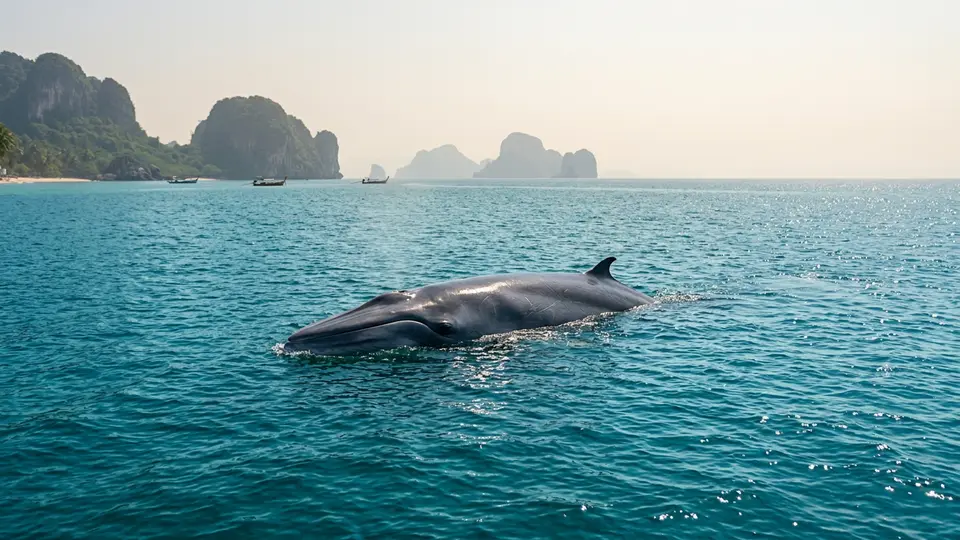
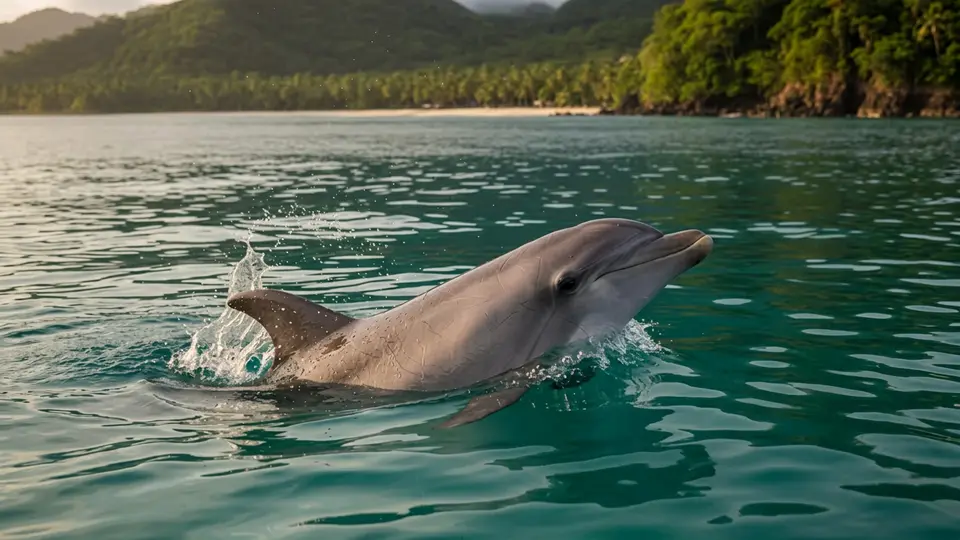
Galápagos Sea LionAI-modifiedGalápagos Sea LionBryde's WhaleAI-modifiedBryde's WhaleCommon Bottlenose DolphinAI-modifiedCommon Bottlenose Dolphin
Animal groupMammalsAnimal groupMammalsAnimal groupMammals
DestinationsGalapagosDestinationsGalapagos, Mexico, Egypt, Thailand, VietnamDestinationsCosta Rica, Florida, Galapagos, Mexico, Cape Verde, Croatia, Greece, Portugal, Scotland, Seychelles, Turkey, Maldives, Australia, New Zealand
Scientific nameZalophus wollebaekiScientific nameScientific name
All wildlife destinations
AI-modified
Plan your trip

Find your next wildlife adventure

Compare destinations, shore programs and dates with the animals and habitats you would love to see.

  • Naturalist-led shore excursions
  • Responsible wildlife watching
  • Small expedition ships