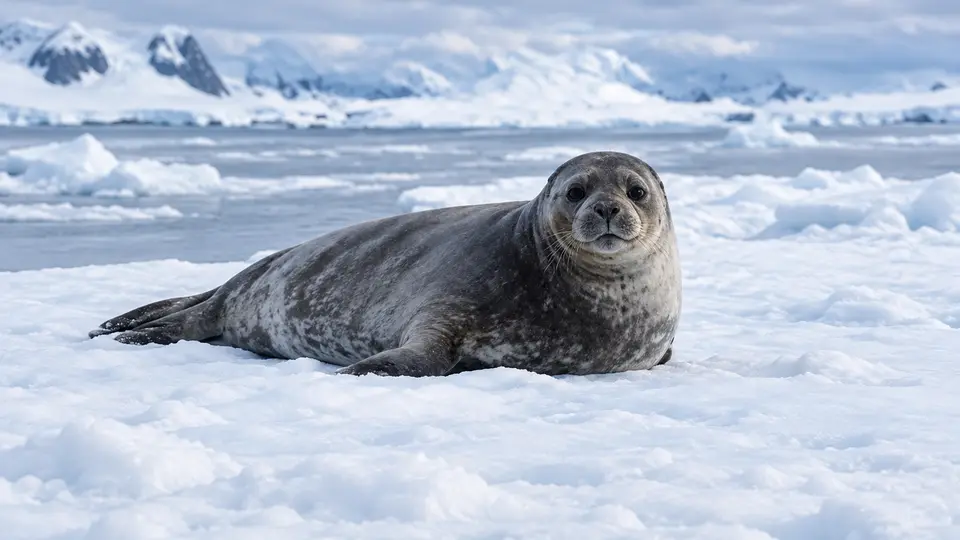
Weddell Seal in its natural habitatAI-modified

Weddell SealLeptonychotes weddelliiWhere and when to see them

Weddell Seal at a glance

The Weddell seal is a heavily built Antarctic seal closely associated with coastal fast ice. Its rounded face, short muzzle and mottled coat often make resting adults appear unusually gentle, but these remain powerful wild predators. The species lives farther south than any other mammal regularly does. Access to breathing openings allows it to occupy ice-covered coastal waters that exclude many competitors, while changing ice conditions can reshape local breeding and resting opportunities.

Behaviour & reproduction

Size
2.5–3.3 m (8.2–10.8 ft) total length
Weight
400–600 kg (880–1,320 lb)
Lifespan
20–30 years
Status
Least Concern

Weddell seals spend long periods resting on ice between feeding excursions, often lying quietly on their sides. They maintain breathing holes by working the ice with their teeth, a necessary activity that gradually wears the teeth down. Females give birth on sea ice in spring and nurse pups for several weeks. Adults produce varied whistles, trills and other calls beneath the ice, where sound is important for social and territorial communication. Weddell seals spend long periods resting on ice between feeding excursions, often lying quietly on their sides. They maintain breathing holes by working the ice with their teeth, a necessary activity that gradually wears the teeth down. Females give birth on sea ice in spring and nurse pups for several weeks. Pups are born with a soft, woolly lanugo coat that is shed after a few weeks. They are very vocal underwater, using a complex repertoire of trills, whistles, and chirps for communication.

Top wildlife locations

Antarctica wildlife habitatAI-modified

Antarctica

Coastal fast ice, sheltered ice margins and occasional beaches provide plausible viewing from permitted landing areas or decks. Many breeding sites are inaccessible, and changing ice can prevent approach to otherwise suitable coastlines.
Destinations describe the species' habitat, not guaranteed cruise stops. Some animals require an optional inland excursion or are found in restricted reserves.

Fun facts about the Weddell Seal

  • They keep breathing holes open using their teeth.
  • Some populations breed exceptionally close to the South Pole.
  • Females are generally slightly larger than males.
  • Their vocal repertoire includes long, descending calls that sound almost electronic.

Best time to see the Weddell Seal

November to March is the main Antarctic visitor season, when resting seals may be observed from permitted shores or vessel decks. Births occur mainly during the austral spring, often before or near the start of tourism. Ice conditions strongly influence accessible viewing habitat. November to March is the main Antarctic visitor season, when resting seals may be observed from permitted shores or vessel decks. Births occur mainly during the austral spring, often before or near the start of tourism. Ice conditions strongly influence accessible viewing habitat. Pups are born from late October through November, making this an ideal time to observe mother-pup pairs from a safe distance. Adults are often seen hauled out on ice floes throughout the austral summer.

Weddell Seal: season matrix by destination

Travel and observation windows vary by region. Highlighted months are an orientation for planning, not confirmed sightings or a guarantee of access.

Antarctica

This is the main visitor-access period, not a guarantee of nearby seals; spring pupping often begins earlier.

JanFebMarAprMayJunJulAugSepOctNovDec
Cruise ships in Antarctica

Where the Weddell Seal lives

They primarily occupy Antarctic coastal waters, especially areas of stable fast ice with accessible cracks and breathing holes. Resting animals also occur on floating ice and occasionally shores. Local abundance depends on sea-ice structure, prey and proximity to suitable breeding areas. They primarily occupy Antarctic coastal waters, especially areas of stable fast ice with accessible cracks and breathing holes. Resting animals also occur on floating ice and occasionally shores. Local abundance depends on sea-ice structure, prey and proximity to suitable breeding areas. Weddell seals are circumpolar in distribution around Antarctica, extending south to the continent's coast. Their preferred habitat includes sheltered bays, fjords, and ice-covered nearshore waters.

What the Weddell Seal eats

Fish form a major part of the diet, including Antarctic silverfish in many areas. Squid, octopuses and crustaceans are also taken. Diet varies regionally and with age, reflecting the prey available beneath coastal ice and over adjacent continental shelf waters. Fish form a major part of the diet, including Antarctic silverfish in many areas. Squid, octopuses and crustaceans are also taken. Diet varies regionally and with age, reflecting the prey available beneath coastal ice and over adjacent continental shelf waters. They are opportunistic predators, consuming a range of species depending on availability. Prey are typically caught at depths of 100 to 400 meters.

Species at a glance

Common name
Weddell Seal
Scientific name
Leptonychotes weddellii
Animal group
Mammals
Size
2.5–3.3 m (8.2–10.8 ft) total length
Weight
400–600 kg (880–1,320 lb)
Lifespan
20–30 years
Status
Least Concern
Identification
A small rounded head, short catlike muzzle and pale mottling distinguish Weddell seals from longer-headed leopard seals and generally slimmer crabeater seals. A small rounded head, short catlike muzzle and pale mottling distinguish Weddell seals from longer-headed leopard seals and generally slimmer crabeater seals. Their fur is typically dark grey to brown dorsally, with lighter, often yellowish-white mottling on the flanks and belly. Adults can reach lengths of up to 3.5 meters and weigh over 400 kilograms.

Weddell Seal: frequently asked questions

Where can I see the Weddell Seal?
Antarctica. Observe resting seals quietly from the required local distance and never approach breathing holes or mother-pup pairs. Avoid standing between a seal and the water. Follow guide instructions because apparently solid ice and resting animals can both be hazardous. Observe resting seals quietly from the required local distance and never approach breathing holes or mother-pup pairs. Avoid standing between a seal and the water. Follow guide instructions because apparently solid ice and resting animals can both be hazardous. Always maintain a respectful distance, typically at least 15 to 20 meters, to avoid disturbing them. Seals are often seen hauled out for extended periods, especially after feeding excursions.
When is the best time to see the Weddell Seal?
November to March is the main Antarctic visitor season, when resting seals may be observed from permitted shores or vessel decks. Births occur mainly during the austral spring, often before or near the start of tourism. Ice conditions strongly influence accessible viewing habitat. November to March is the main Antarctic visitor season, when resting seals may be observed from permitted shores or vessel decks. Births occur mainly during the austral spring, often before or near the start of tourism. Ice conditions strongly influence accessible viewing habitat. Pups are born from late October through November, making this an ideal time to observe mother-pup pairs from a safe distance. Adults are often seen hauled out on ice floes throughout the austral summer.
How big does the Weddell Seal get?
2.5–3.3 m (8.2–10.8 ft) total length. Adult weight: 400–600 kg (880–1,320 lb). Size varies with age, sex and population.
How should I behave around the Weddell Seal?
Observe resting seals quietly from the required local distance and never approach breathing holes or mother-pup pairs. Avoid standing between a seal and the water. Follow guide instructions because apparently solid ice and resting animals can both be hazardous. Observe resting seals quietly from the required local distance and never approach breathing holes or mother-pup pairs. Avoid standing between a seal and the water. Follow guide instructions because apparently solid ice and resting animals can both be hazardous. Always maintain a respectful distance, typically at least 15 to 20 meters, to avoid disturbing them. Seals are often seen hauled out for extended periods, especially after feeding excursions.
What does the Weddell Seal eat?
Fish form a major part of the diet, including Antarctic silverfish in many areas. Squid, octopuses and crustaceans are also taken. Diet varies regionally and with age, reflecting the prey available beneath coastal ice and over adjacent continental shelf waters. Fish form a major part of the diet, including Antarctic silverfish in many areas. Squid, octopuses and crustaceans are also taken. Diet varies regionally and with age, reflecting the prey available beneath coastal ice and over adjacent continental shelf waters. They are opportunistic predators, consuming a range of species depending on availability. Prey are typically caught at depths of 100 to 400 meters.
Are wildlife sightings guaranteed on an adventure cruise?
No. Animals move freely and routes, weather, access restrictions and local conditions influence every outing. Confirm the actual itinerary and shore program before booking.

Compare wildlife in the same destinations

Explore other mammals recorded in these destinations. Similar surroundings do not mean the animals share the same habits or viewing season.

Species comparison by animal group and destination
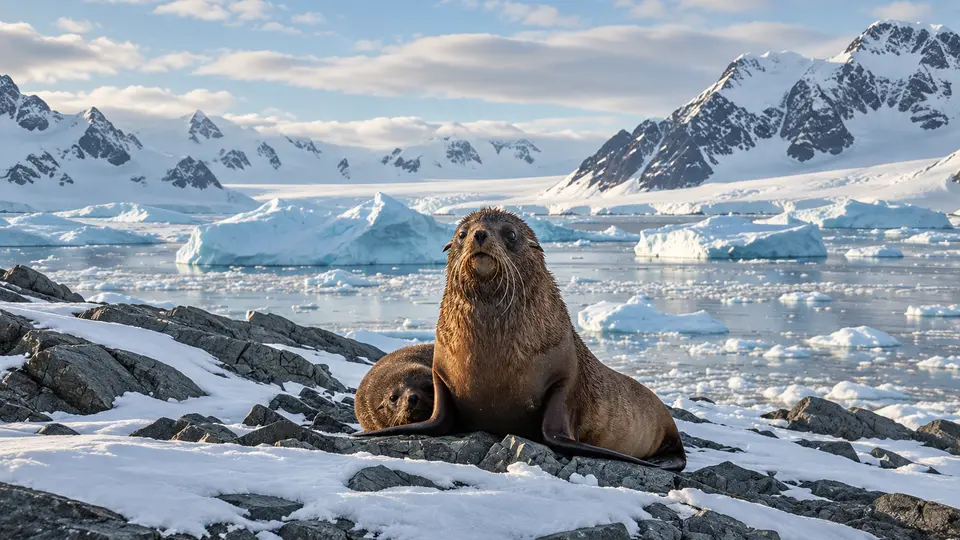
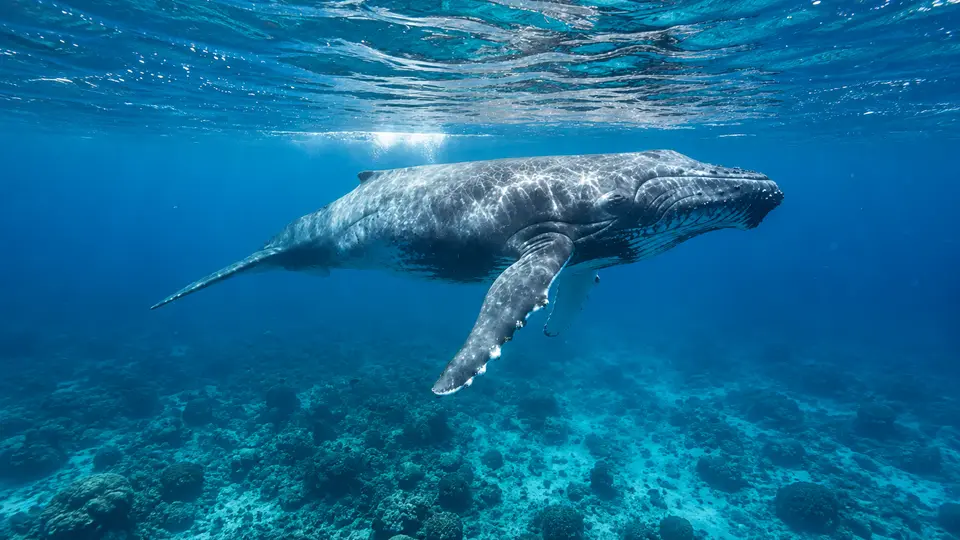
Weddell SealAI-modifiedWeddell SealAntarctic Fur SealAI-modifiedAntarctic Fur SealBlue WhaleAI-modifiedBlue Whale
Animal groupMammalsAnimal groupMammalsAnimal groupMammals
DestinationsAntarcticaDestinationsAntarcticaDestinationsMexico, Norway, Portugal, Antarctica, Arctic, Maldives, New Zealand
Scientific nameLeptonychotes weddelliiScientific nameScientific name
All wildlife destinations
AI-modified
Plan your trip

Find your next wildlife adventure

Compare destinations, shore programs and dates with the animals and habitats you would love to see.

  • Naturalist-led shore excursions
  • Responsible wildlife watching
  • Small expedition ships