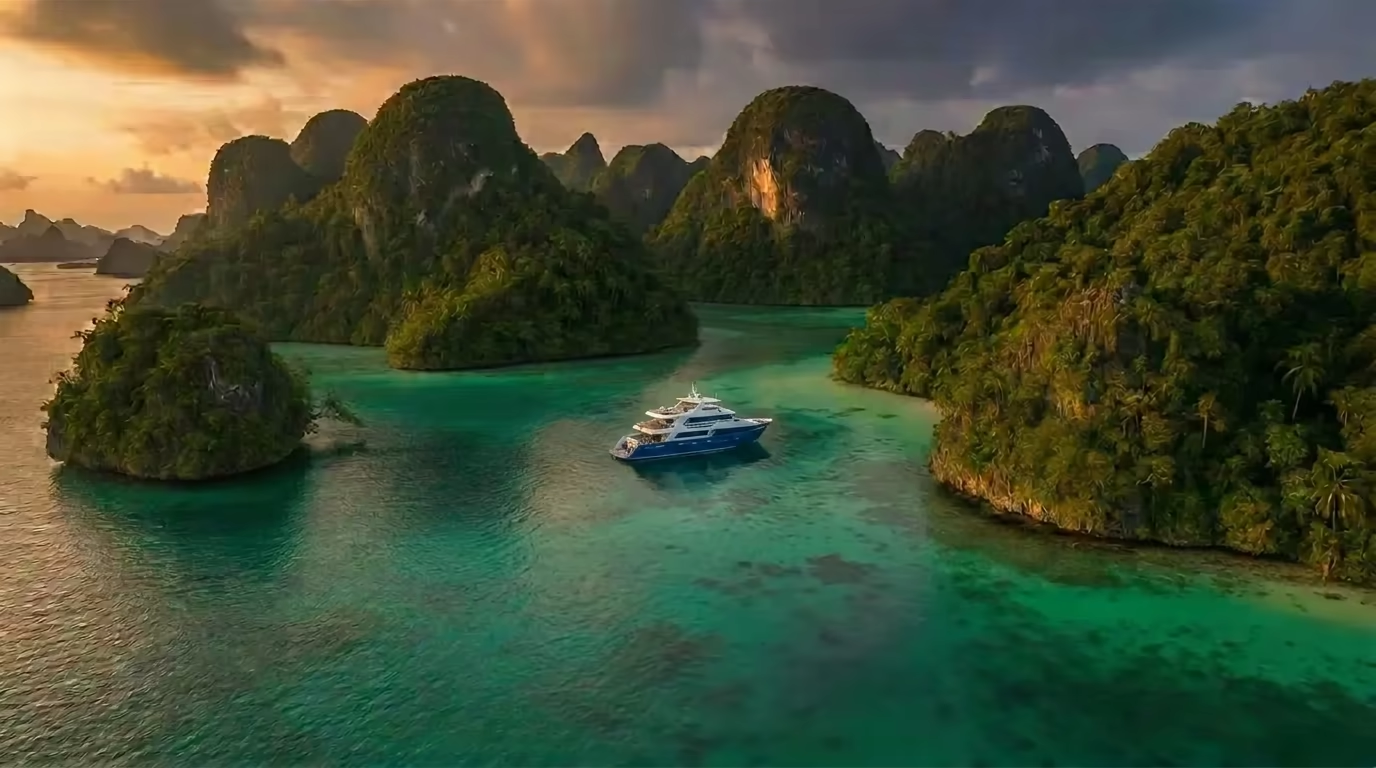
Tiare Cruise · Indonesia · 11D/10N
Explore the Lesser Sunda Islands on an incredible journey from Maumere to Komodo. This itinerary offers a diverse range of diving, transitioning from Indonesia's coral-rich eastern islands to the current-swept channels and dramatic topography of Komodo National Park. Expect vibrant reef scenery, potential sightings of pelagic species in deeper waters, and the chance to encounter the unique megafauna that thrive in these nutrient-rich currents. This expedition combines remote exploration with the iconic dive sites of Komodo, catering to experienced divers seeking a comprehensive Indonesian adventure.
Maumere - Embarkation. Check Dive.
The vessel offers 3-4 dives daily, including a night dive, if possible. When crossing, only 2 dives a day are scheduled. The remote and unspoiled islands of Adunara, Lembata, Pantar, and Alor are East of Flores. They are one of Indonesia’s best-kept diving secrets. The area features incredible muck dive sites, impressive walls, crystal clear water, black volcanic sand sites, and stronger currents with thousands of reef fish. The Indonesian government recently agrees to protect the area to secure a safe route for migrating cetaceans which pass through the straits on their migration to the feeding grounds in the deep waters of the Banda Sea.
After breakfast on board, guests check out and depart the Tiaré. Departure is from Labuan Bajo. Dive Areas: Castle Rock, Crystal Rock, Karang Makassar (Manta), Cannibal Rock, The Cauldron, The Shot Gun, Cannibal Rock, and more than 40 diving sites. Adunara Island: Eastern Flores features famous dive sites such as Magic Log where ribbon eels and frogfish are common. The very rare weedy scorpionfish (Rhinopias) is found here, as is the Wonderpus octopus. Many unchartered territories remain to be discovered in this region. Lembata Island: This area is well worth diving exploration. Schools of fusiliers, angelfish, and many different parrotfish species are common. Gorgonian sea fans host pygmy seahorses. The surrounding seas of Lamalera may also hold cetacean surprises. Alor: Dive spot-names like “The Bullet” indicate the nature of diving in Alor, which includes strong currents. These currents are sometimes so strong that divers must pay attention. Divemasters adjust diving to the abilities of their groups. Enos transmitters are provided for localization in the unlikely event a diver misses the group. As the direction and intensity of the currents change quite often, a relaxing dive in the morning may find the same spot in the afternoon resembling a washing machine. The strait between Pantar and Alor acts like a gigantic jet propelling waters from the Flores Sea in the north to the Savu Sea in the south. Similar conditions are found only around Komodo. In Komodo, dreams can come true. Komodo and Rinca are the only places where Komodo Dragons are found in the wild. These small, brown scorched-earth islands, fringed with sandy beaches, are lapped by the clear waves of the national park. Dragons are seen patrolling the beach or viewing from a high rocky outcrop. Below the surface, many wonderful creatures are found, such as the hobbit worm or a Rhynopia, a ladybug, or skeleton shrimp. Komodo is famous for its macro life and also features an abundance of fish and corals due to its mineral-rich waters. Beautiful pelagic species, like sharks or mantas, are often seen. The water is not always warm; it can be decidedly cool. The seas are not always calm, and the currents can rage. However, the abundance of pelagics, numerous critters, and interesting macro-action, along with dazzling colors and diversity, make scuba diving here truly legendary. Due to its geographic location, right between the Indian Ocean and the Flores Sea in the North, stronger currents are expected. Marine Life: reef fish, scorpionfish (Rhinopias), Wonderpus octopus, Fusiliers, angelfish, parrotfish, Gorgonian sea fans, pygmy seahorses, hobbit worm, ladybug, skeleton shrimp, fish, sharks, mantas, critters. The last dive of the trip occurs on the penultimate day at approximately 4 pm. Divers are recommended to wait 24 hours before flying after the last dive. Sample itineraries and maps are for illustrative purposes only. The exact route and sites visited are subject to change based on local regulations, guest experience, weather, and logistics and are at the Captain’s discretion.
No departures scheduled for this route right now.