
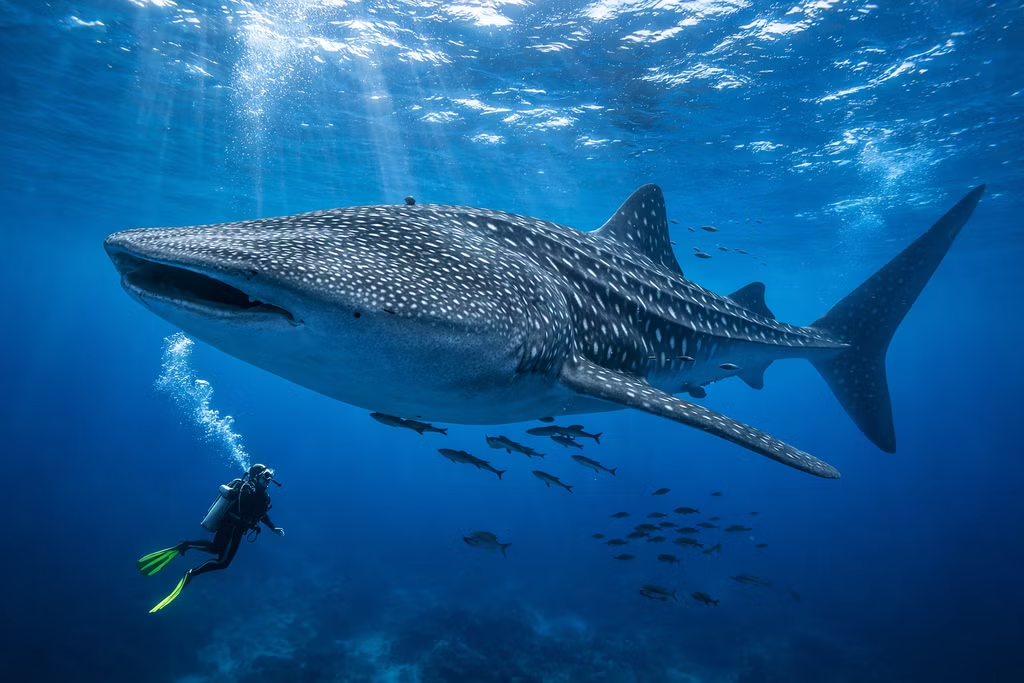
Dive into the ultimate guide for liveaboards that promise unforgettable encounters with the ocean's gentle giants.
Whale sharks, the largest fish in the sea, are a dream encounter for any diver. While these magnificent creatures are filter feeders and completely harmless, spotting one in its natural habitat is an awe-inspiring experience that stays with you long after the dive. Liveaboards offer an unparalleled opportunity to maximize your chances of these encounters, taking you to remote locations where these gentle giants congregate.
Choosing the right liveaboard for whale shark encounters isn't just about going where they are; it's about timing, expert guidance, and a vessel equipped to get you into the water quickly and comfortably. We've curated a list of the best liveaboards that consistently deliver incredible whale shark experiences, ensuring your expedition is as memorable as it is magical.
 #1
#1With an unparalleled staff-to-passenger ratio, the Adelaar offers exclusive access to Raja Ampat's whale shark hotspots. Its intimate setting ensures a tranquil, personalized encounter with these majestic creatures.
 #2
#2Encounter whale sharks in the rich Maldivian thilas and channels, with Adora's expert routing through nutrient-rich currents and stunning coral gardens.
 #4
#4Offering expert-guided expeditions in whale shark-rich Indonesian waters, the Akomo Isseki ensures focused diving with these magnificent pelagics, perfect for intimate encounters.
 #5
#5The Aliikai Voyage provides unparalleled access to Indonesia's richest underwater environments, increasing your chances of unforgettable whale shark encounters aboard a luxury phinisi.
 #7
#7Its remote access to biodiverse Indonesian waters, fueled by nutrient-rich currents, ensures remarkable whale shark encounters away from crowded sites.
 #8
#8Its Maldivian location is a prime whale shark habitat, and the Amba's design ensures divers can easily access and explore these areas, maximizing encounters.
 #9
#9The Ambai navigates Indonesia's nutrient-rich waters, providing exceptional access to prime whale shark feeding grounds and diverse marine encounters.
 #10
#10The Amira offers unparalleled access to Indonesia's richest whale shark aggregation sites, combining luxury with unique encounter opportunities in diverse ecosystems.
When searching for the best liveaboard for whale shark encounters, several factors are crucial for a successful trip. First, thoroughly research the reputation of the liveaboard company and the specific vessel. Look for recent reviews highlighting whale shark sightings and the crew's expertise in locating and interacting responsibly with these animals. Some liveaboards have dedicated spotters or routes specifically designed to optimize whale shark encounters.
Seasonality is paramount. Whale sharks are migratory, so timing your trip to coincide with their known aggregations in specific regions is key. For example, some areas consistently see whale sharks during certain months due to plankton blooms. Confirm the prime viewing season for your chosen destination. Don't be afraid to ask direct questions about the historical success rate of whale shark sightings on their trips during your intended travel window. A common mistake is booking a liveaboard to a 'whale shark destination' outside its peak season.
Consider the diving regulations concerning whale sharks in your chosen location. Many areas have strict guidelines on approach distance, group size, and whether flash photography is permitted, all designed to protect the animals. A reputable liveaboard will adhere to and educate guests on these guidelines. Finally, while whale sharks are a highlight, ensure the liveaboard also offers excellent diving for other marine life and has comfortable amenities, as no sighting is ever 100% guaranteed. Look for flexible dive schedules and a crew that understands the unique rhythms of whale shark encounters.
This heavily depends on the location. For example, the Maldives are great from May to December in the South Ari Atoll, while Mexico's Yucatán Peninsula sees them from June to September. Raja Ampat in Indonesia has them year-round. Always research the specific destination's peak season.
No, whale sharks are filter feeders and completely harmless to humans. They feed on plankton, small fish, and crustaceans. They are gentle giants and generally tolerant of divers and snorkelers, though respectful distance is always encouraged for their well-being.
Maintain a respectful distance (usually 3-4 meters). Avoid touching, chasing, or blocking their path. Move slowly and avoid sudden movements. Enjoy the moment. Your liveaboard dive guides will provide specific rules for the area to ensure responsible interaction.
Often, yes. Liveaboards can reach remote aggregation sites that day boats cannot, maximizing your time in prime whale shark habitats. They allow for multiple daily encounters and provide swift access to the water once a whale shark is spotted, optimizing your chances.
While some encounters are often snorkeling, most liveaboards require Open Water certification as they visit dive sites. However, specific advanced skills aren't typically needed for whale shark encounters themselves, which are usually relatively relaxed experiences in calm waters.

