
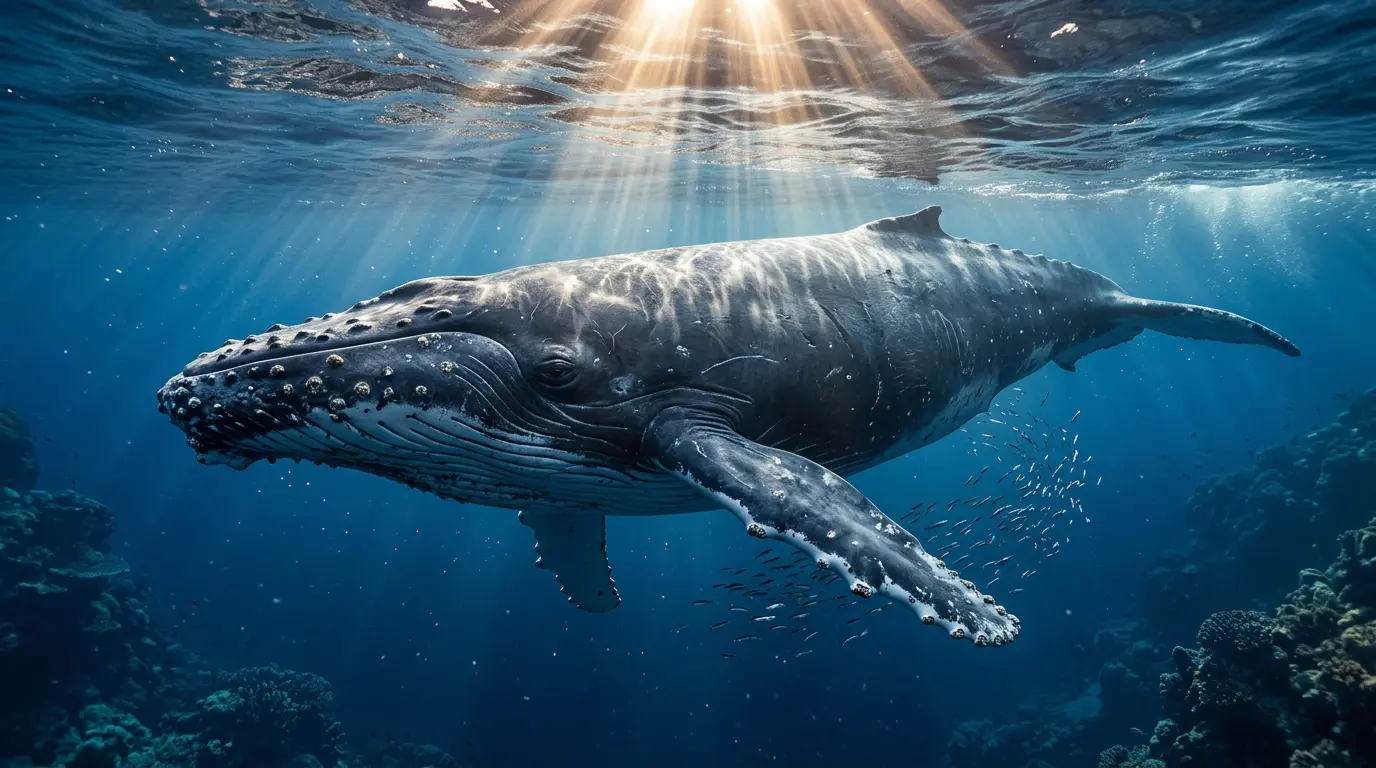
Giants of the Deep: Why This Encounter is Special
Sharing the water with a whale is a humbling and spiritual experience that stays with you forever. These are not just giant fish; they are highly intelligent, social mammals with complex communication and emotional lives. To witness a forty-ton humpback mother gently guiding her newborn calf, or to hear the powerful clicks of a hunting sperm whale, is to gain a new perspective on life itself.
Unlike observing from a boat, an in-water encounter creates a direct, personal connection. You are a guest in their world, observing them on their terms. The feeling of mutual curiosity, the sheer scale of their bodies gliding effortlessly past you, and the peacefulness of the interaction are simply unparalleled. It’s an emotional journey that transcends a simple wildlife sighting.
Best Destinations & Seasons for Whale Swims
Whale swimming is a highly seasonal and regulated activity, concentrated in just a few global hotspots. Each destination offers a unique experience, from the warm nurseries of the South Pacific to the frigid feeding grounds of the Arctic. Knowing where and when to go is the first step toward your dream encounter.
Liveaboards are often the best way to maximize your time in the water, reaching remote areas like the Silver Bank where whales congregate far from shore. Day trips are also an option in places like Tonga and Norway, but a liveaboard immerses you in the experience completely.
- Tonga (Vava'u): Witness humpback mothers and calves from August to October with government-licensed swim-with operators.
- Silver Bank, Dominican Republic: Experience 'soft-in-water' humpback encounters in their core breeding grounds from January to April.
- Northern Norway (Skjervøy/Tromsø): Snorkel with orcas and humpbacks as they feed on massive herring balls from November to January.
- French Polynesia (Moorea/Rurutu): Swim alongside humpbacks in crystal-clear water from August to November; a paradise for freedivers.
- Dominica: Encounter resident pods of sperm whales from November to March, an experience that requires a special government permit.
In-Water Rules: Dive, Snorkel, or Stay on the Boat?
Almost all whale encounters are conducted on snorkel or freedive only. SCUBA diving is generally forbidden as the exhaust bubbles from regulators are known to be disruptive and can startle the animals, especially mothers with young calves. The goal is to be as quiet and unobtrusive as possible, allowing for natural, curious interactions.
Operators use different approaches. A 'soft-in-water' encounter, common in the Silver Bank, involves sliding into the water and floating quietly, letting the whales approach. In Tonga, you may swim gently as a group towards the whales under the strict guidance of your guide. In all cases, the interactions are dictated by the animals; if they swim away, the encounter is over.
Ethics & How to Spot a Responsible Operator
Ethical conduct is the most critical aspect of any whale swimming trip. These are vulnerable populations, and tourism must not harm them. Many countries, including the USA and Australia, completely forbid in-water encounters to protect the animals. In places where it is permitted, it's done under strict government regulation.
Your choice of operator matters immensely. A responsible company prioritizes whale welfare above all else, contributes to local research, and educates its guests. Be wary of any operator that promises or guarantees an encounter, as this can lead to the harassment of animals to satisfy customers. True ethical tourism respects the whales' wild nature.
- Guarantees an in-water swim or touching experience.
- Actively chases or blocks the path of the whales.
- Uses multiple boats to crowd a single animal or pod.
- Lacks clear briefings on safety and respectful conduct.
- Operates without a visible license or permit where required.
- Encourages loud noises or excessive splashing to attract attention.
- Spends too long with one animal, preventing it from resting.
Costs, Certification & Gear
Whale swimming expeditions, especially via liveaboard, are a significant investment. Prices for a week-long trip typically range from $3,000 to over $6,000 USD, depending on the destination's remoteness and the vessel's comfort level. This usually includes your accommodation, food, and daily excursions. Flights are almost always an additional cost.
No scuba certification is required, but you must be a competent swimmer and comfortable in open water. A freediving certification can be a huge benefit, allowing you to have more comfortable and prolonged interactions. Essential gear includes a good mask, snorkel, and fins. Wetsuit thickness will vary dramatically, from a 3mm shorty in Tonga to a 7mm suit or even a drysuit for arctic trips in Norway.
How to Pick the Right Trip for You
Choosing your perfect whale trip depends on your priorities. Are you seeking the magic of mothers and calves in warm, clear water? Then Tonga or French Polynesia are your best bets. Do you crave a dramatic, high-energy spectacle of nature in action? Then the orca and humpback feeding frenzy in Norway is for you. For the sheer number of whales, the Silver Bank is hard to beat.
Consider your budget and travel style. A liveaboard offers total immersion and access to the most remote, pristine locations. Land-based options with daily boat trips can offer more flexibility and a chance to experience local culture. Read reviews, check the operator's ethical credentials, and book the adventure that speaks to your soul. This is a journey you will never forget.
Where to see them
Top destinations for this encounter — explore trips, seasons and dive sites.
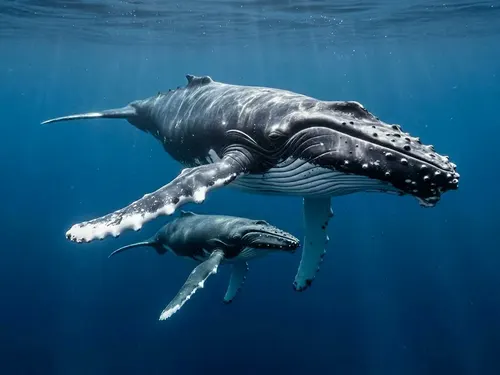
Madagascar
Pristine reefs, endemic marine life, and humpback whale encounters off Africa's largest island
Explore destination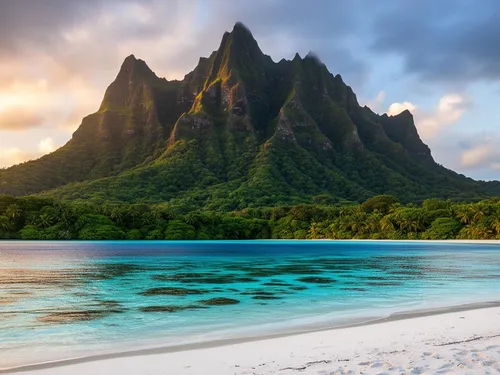
French Polynesia
Where Ocean Meets Paradise
Explore destination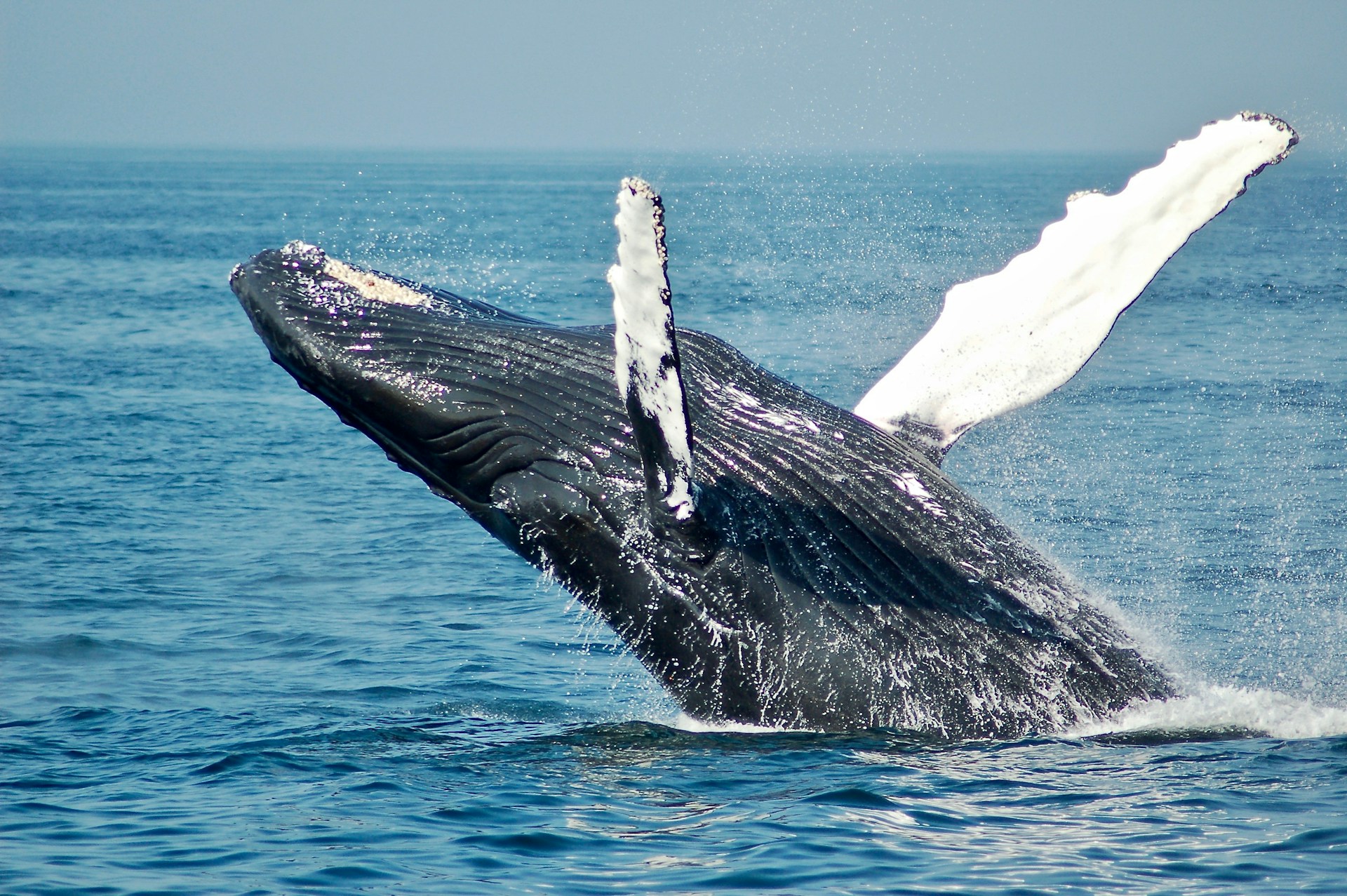
Dominican Republic
Humpback Whales & Caribbean Coral Gardens
Explore destination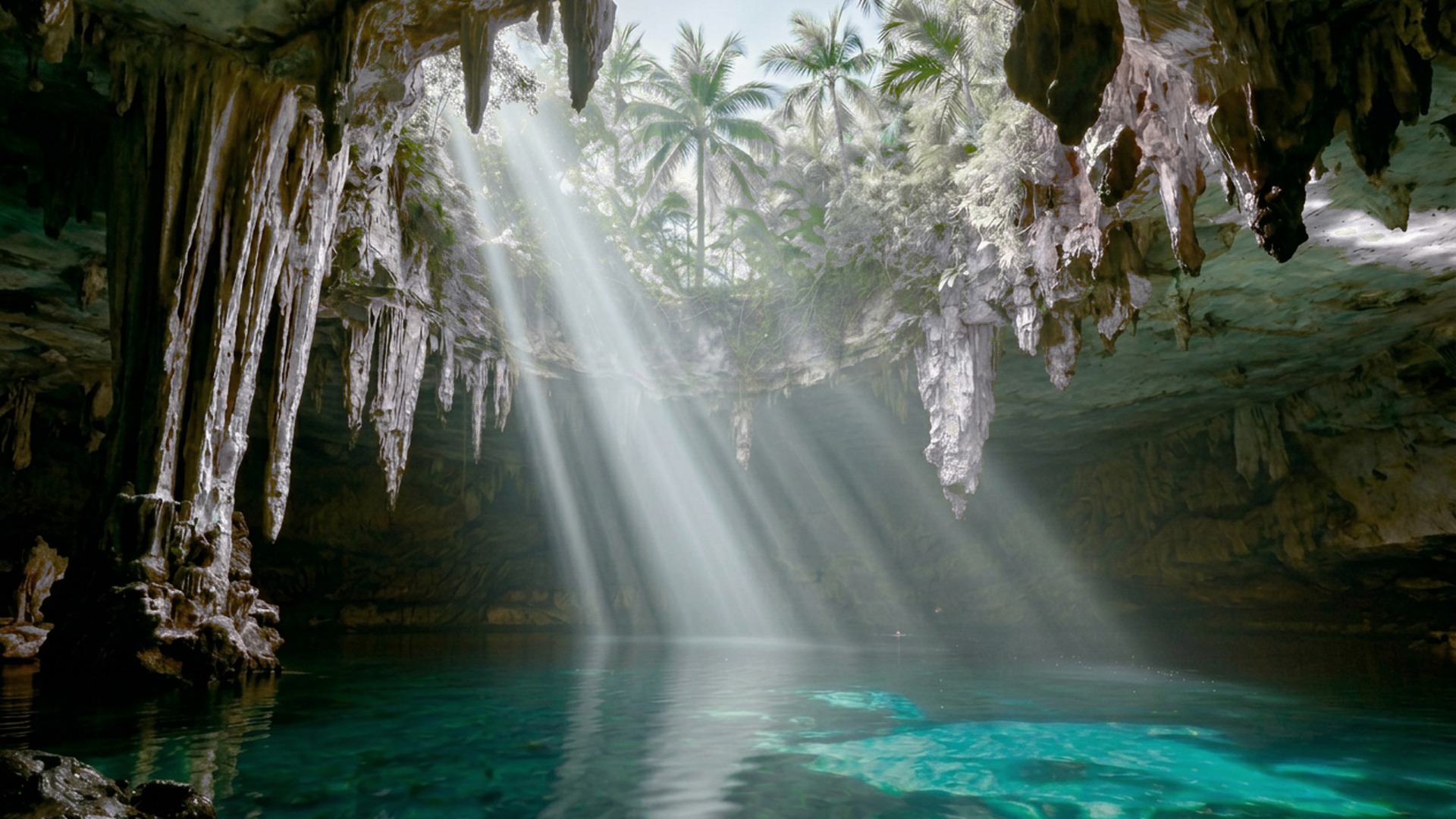
Mexico
Bull sharks, cenotes, and the world's best whale shark encounters
Explore destination
Antarctica
The Ultimate Polar Diving Adventure
Explore destination
Portugal
From the Azores' blue sharks to Algarve caves—Europe's most diverse diving
Explore destinationFrequently Asked Questions
How much does a whale swimming trip cost?
Costs vary widely based on location and duration. A single day trip might be a few hundred dollars. A week-long liveaboard to a remote location like the Silver Bank or Tonga typically ranges from $3,500 to $6,000 USD, usually including accommodation, meals, and excursions.
What is the absolute best time of year to swim with whales?
It depends on the species. For humpbacks in the South Pacific (Tonga, French Polynesia), aim for August to October. For the unique arctic experience with orcas and humpbacks in Norway, the season is November to January. Always check the specific seasonal guide for your chosen destination.
Is swimming with whales dangerous?
When following the strict rules of licensed operators, incidents are incredibly rare. The real danger is to the whales from unregulated tourism. Respectful conduct, like never touching or chasing the animals, ensures safety for both you and them. These are gentle giants, not monsters.
Do I need a diving certification to swim with whales?
No, scuba certification is not necessary. In fact, most operators forbid scuba as the bubbles can disturb the whales. The encounters are done while snorkeling or freediving, so you just need to be a confident swimmer comfortable in open water. A freediving certification can enhance the experience.
Can beginners swim with whales?
Absolutely. As long as you are comfortable swimming in the ocean, you can participate. Reputable operators provide thorough briefings on how to use snorkel gear and how to behave in the water for a safe and respectful encounter. The focus is on quiet observation, not athletic ability.
What's the best gear for photographing whales underwater?
A wide-angle lens is essential to capture the sheer scale of the animals. Given that flash photography is almost always banned, a camera with good low-light performance is key. Use a fast shutter speed to freeze motion, and remember to put the camera down and simply enjoy the moment.
Related Searches
Popular searches related to this guide