
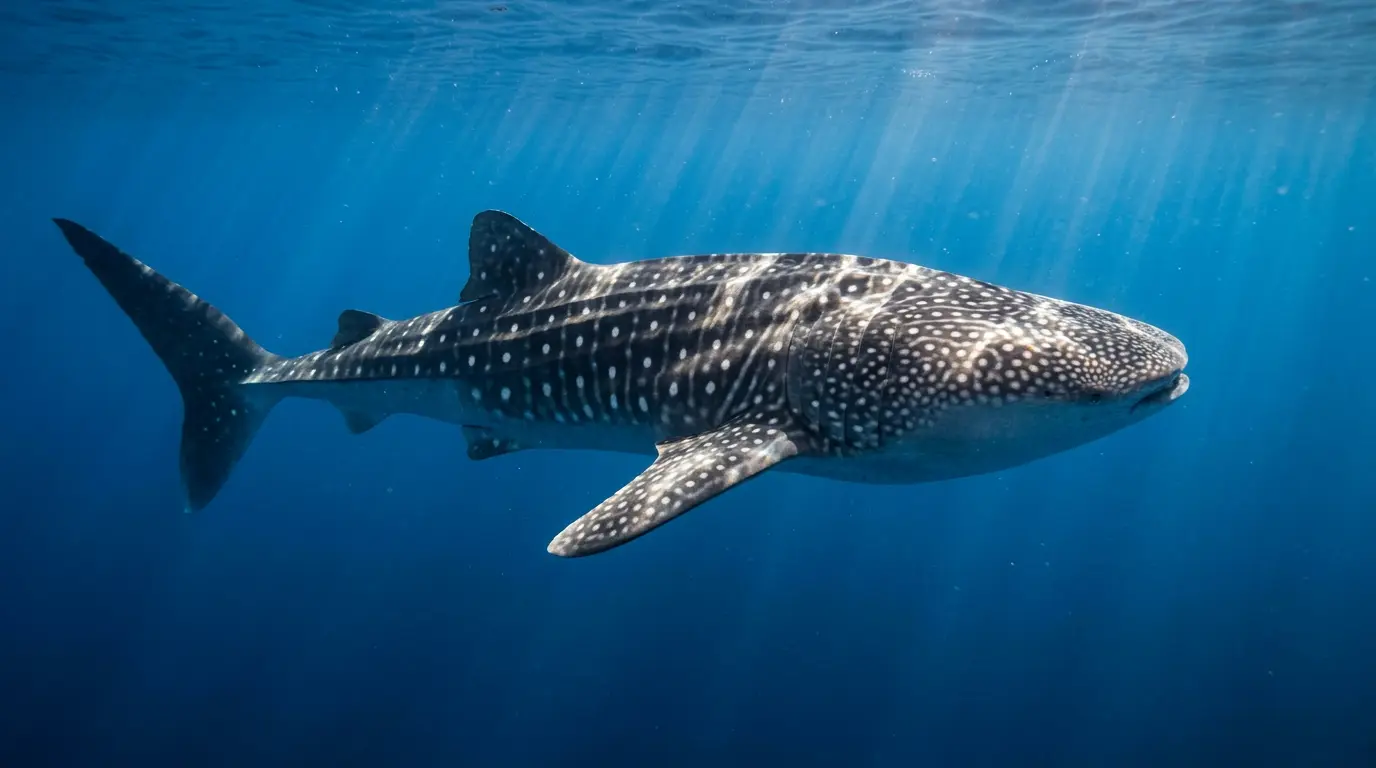
Quick comparison: where to swim with whale sharks
Mexican Holbox and Australian Ningaloo are the two most reliable whale-shark sightings on the planet.
- Mexico (Isla Mujeres / Holbox) — Jun–Sep · biggest aggregation on Earth (hundreds of animals), snorkel-only by law, ~$150–$250/day.
- Belize (Gladden Spit) — Apr–Jun full moon · sharks come to feed on snapper spawn, diving permitted, smaller crowds.
- Philippines (Donsol, Leyte) — Nov–May · wild non-fed encounters. Avoid Oslob, where animals are hand-fed and habituated.
- Maldives (South Ari Atoll) — year-round · resident population, snorkel from a liveaboard or dhoni.
- Australia (Ningaloo Reef) — Mar–Aug · spotter planes, world-class regulation, ~AUD 450/day.
- Mozambique (Tofo) — Oct–Mar · declining numbers but still possible.
Mexico — Isla Mujeres & Holbox (June to September)
Between June and September, the largest known whale-shark aggregation on the planet forms off the Yucatan Peninsula, feeding on bonito tuna spawn. Boats depart from Isla Mujeres, Cancun and Isla Holbox. Mexican law allows snorkelling only — no scuba, no touching, max two swimmers in the water per shark with a guide. Trips run 5–7 hours, cost $150–$250 per person and almost guarantee sightings in July–August. Holbox is the quieter, more sustainable base; Cancun is the cheapest but the most crowded.
Belize — Gladden Spit (April to June)
For 10 days around the full moons of April, May and June, cubera and dog snapper spawn at Gladden Spit Marine Reserve and whale sharks arrive to feed on the egg clouds. Belize is one of the few places where diving with whale sharks is legal — they appear at 20–25m. Trips run from Placencia. Sightings are NOT guaranteed (success rate ~60–70% on a full-moon trip), so plan 3–4 days minimum. Combine with the Blue Hole on a liveaboard for a complete Belize trip.
Philippines — Donsol & Southern Leyte (November to May)
Donsol in Sorsogon Province pioneered ethical, non-feeding whale shark tourism in 1998 and remains one of the best wild encounters in Asia. Boats use spotters, snorkellers enter in groups of six, and the animals come and go freely. Peak months are February to April. Southern Leyte (Pintuyan, Sogod Bay) offers a less crowded alternative from November to April. AVOID Oslob in Cebu — operators feed the sharks daily to guarantee tourist sightings, which alters migration, behaviour and health. Major conservation groups (WWF, Marine Megafauna Foundation) actively recommend skipping Oslob.
Maldives — South Ari Atoll (year-round)
South Ari Marine Protected Area hosts a resident population of roughly 200 juvenile males. Encounters happen year-round but May to December has clearer water on the western side, January to April on the eastern side. Most sightings are from liveaboards running the Central Atolls or South Ari route. Snorkel only — no scuba per Maldivian regulation. Drone-spotting and aggressive boat positioning are an increasing problem; choose a liveaboard signed up to the MWSRP code of conduct.
Australia — Ningaloo Reef (March to August)
Ningaloo on Australia's remote north-west coast offers the best-regulated whale shark experience anywhere. After the March coral spawning, plankton blooms attract whale sharks until early August, peak April–July. Operators from Exmouth and Coral Bay use spotter planes for near-100% in-water sighting rates. Strict 3m approach distance, single group of 10 swimmers, 90-minute interaction limit per shark. Expensive (~AUD 450) but unrivalled welfare standards.
How to choose an ethical operator
Five rules: 1) No feeding, ever — provisioned sharks (Oslob, parts of Cenderawasih) are habituated and underweight. 2) No touching, no chasing, no riding — even a fin brush damages the protective mucus layer. 3) Snorkel only where law requires it (Mexico, Maldives, Australia); diving is fine in Belize and Galapagos where biology allows. 4) Maximum 6–10 swimmers in the water per shark, parallel approach (never head-on). 5) Operators should contribute photo-ID data to research groups (Wildbook for Whale Sharks, MWSRP, ECOCEAN). If the operator can't answer these questions, walk away.
What to bring
Mask + snorkel + freediving fins (long blades help you keep pace — a 7m shark cruises at 5 km/h). Reef-safe mineral sunscreen (oxybenzone and octinoxate are banned in Mexico, Hawaii and Palau, and unhealthy for the sharks elsewhere). 3mm shorty in Mexico/Belize/Philippines, 5mm in Ningaloo (March water is 22°C). Underwater camera with a wide lens — 16mm full-frame or wider; whale sharks fill the frame fast. Sea-sickness tablets — Mexican boats run 90 minutes offshore in chop.
Where to see them
Top destinations for this encounter — explore trips, seasons and dive sites.
Djibouti
Where whale sharks gather in the warm waters of the Gulf of Tadjoura
Explore destination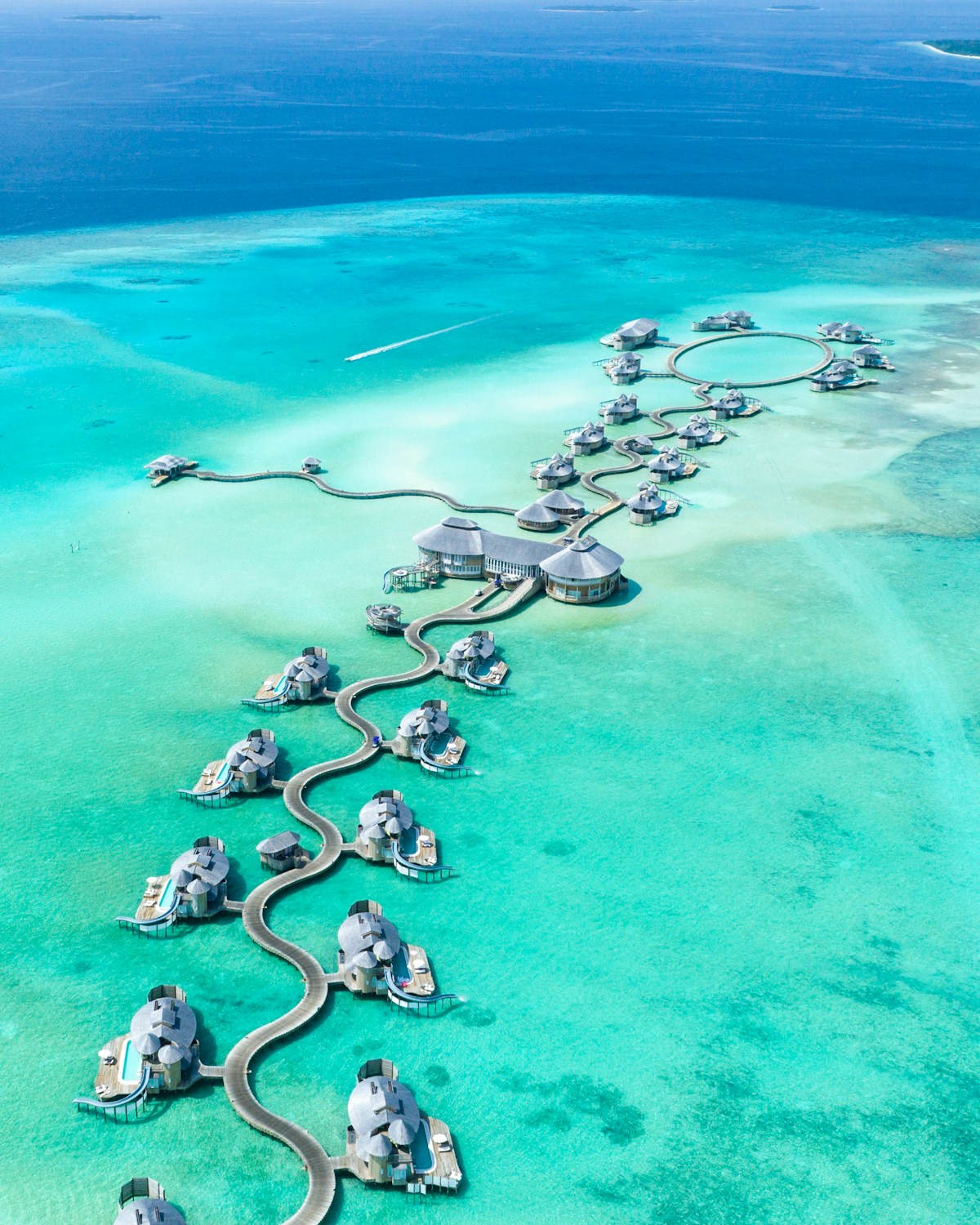
Maldives
Pristine atolls, manta rays, and world-class reef diving in crystal-clear waters
Explore destination
Philippines
7,641 Islands of Underwater Wonder
Explore destination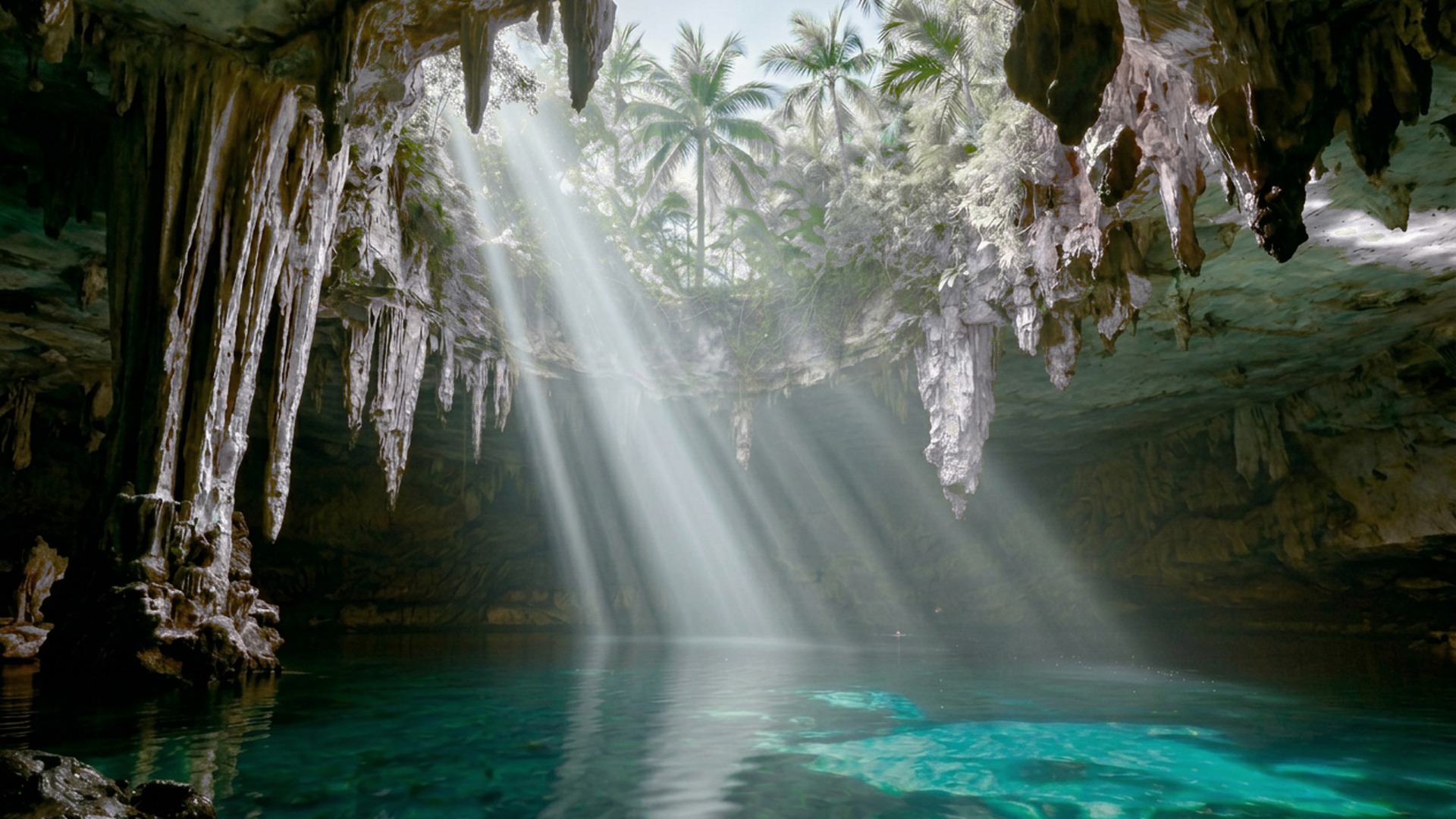
Mexico
Bull sharks, cenotes, and the world's best whale shark encounters
Explore destination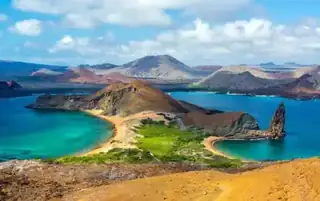
Galápagos
Darwin's Living Laboratory
Explore destination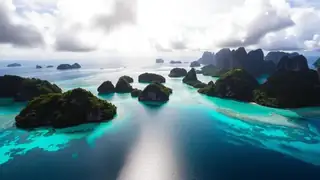
Indonesia
The Heart of the Coral Triangle — 17,000 Islands of Underwater Paradise
Explore destination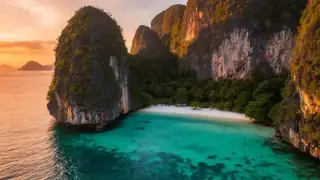
Thailand
Tropical Diving, Legendary Hospitality
Explore destinationFrequently Asked Questions
Is it safe to swim with whale sharks?
Yes. Whale sharks are filter feeders with no interest in humans; there has never been a fatal incident. The risks are practical — getting hit by the tail, boat propellers, and sunburn during long surface time.
Do you need to be a certified diver?
No. Most whale-shark encounters are snorkel only and any reasonable swimmer can join. Belize and the Galapagos are the main exceptions where scuba certification is required to see them at depth.
When is the best month overall?
July–August in Mexico delivers the largest numbers anywhere on Earth (often 50+ animals on a single trip). April–July at Ningaloo Reef in Australia is the most reliably regulated. February–April in Donsol is the best non-fed Asian option.
Why is Oslob controversial?
Operators in Oslob (Cebu, Philippines) feed whale sharks daily uyap shrimp to guarantee close encounters. This breaks natural migration patterns, causes boat-strike injuries from habituation, and changes the sharks' diet. Mainstream conservation science recommends boycotting Oslob and choosing Donsol, Leyte or any non-fed destination instead.
Are whale sharks endangered?
Yes. The IUCN lists Rhincodon typus as Endangered. Global numbers have declined more than 50% over the past 75 years from finning, ship strikes and bycatch. Well-managed tourism is now one of the strongest economic arguments for protecting them.
Related Searches
Popular searches related to this guide