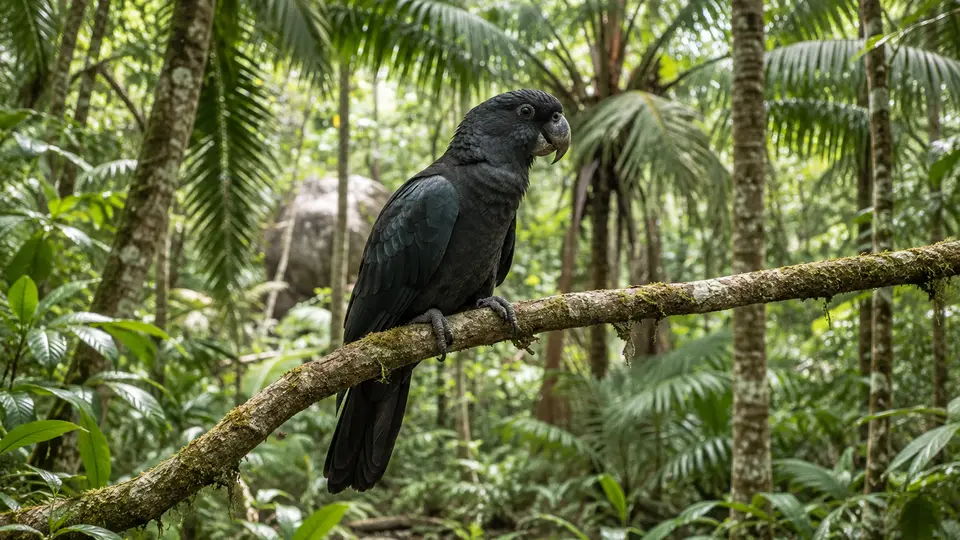
Seychelles Black Parrot in its natural habitat, AI illustration
Size30–35 cm body lengthLifespanNot reliably establishedStatusVulnerable

Seychelles Black Parrot: where and when to see them

Coracopsis barklyi

Seychelles Black Parrot at a glance

The Seychelles black parrot is a small, dark parrot whose breeding population is concentrated on Praslin. Despite its name, the plumage is generally smoky brown rather than jet black. Recognized as distinct from the lesser vasa parrot, it is closely tied to the island's wooded landscapes and mature palms. Its restricted range makes the protection of nesting cavities, feeding trees and suitable habitat especially important for long-term survival.

Behaviour & reproduction

Size
30–35 cm body length
Weight
Not reliably established
Lifespan
Not reliably established
Status
Vulnerable

Black parrots move between feeding trees in small groups or pairs, often revealing themselves first through clear whistling calls. They can be unobtrusive while feeding within foliage. Breeding takes place in deep cavities, frequently in decaying palm trunks, and females may compete for suitable nesting spaces. Seasonal changes in food availability influence movements, bringing birds into mixed woodland, gardens and cultivated areas as well as native palm forest. Black parrots move between feeding trees in small groups or pairs, often revealing themselves first through clear whistling calls. They can be unobtrusive while feeding within foliage. Breeding takes place in deep cavities, frequently in decaying palm trunks, and females may compete for suitable nesting spaces. Seasonal changes in food availability influence movements, bringing birds into mixed woodland, gardens and cultivated areas as well as native palm forest. Pairs are generally monogamous, with both parents involved in raising young. They are quite long-lived, contributing to their relatively stable population dynamics on Praslin.

Top wildlife locations

Seychelles wildlife habitat

Seychelles

Praslin's established palm-forest trails, including Vallée de Mai, offer appropriate viewing habitat. An inland excursion is usually required, and the species should not be expected at ordinary beach stops on other islands.

Adventure cruises in Seychelles
Destinations describe the species' habitat, not guaranteed cruise stops. Some animals require an optional inland excursion or are found in restricted reserves.

Fun facts about the Seychelles Black Parrot

  • Its naturally established breeding range is concentrated on a single island, Praslin.
  • Dead or decaying palms can provide essential nest cavities.
  • The English name exaggerates the darkness of its brownish plumage.
  • It was formerly treated as a subspecies of the lesser vasa parrot.

Best time to see the Seychelles Black Parrot

The species is resident, so there is no migration-based viewing season. April to May and October to November often provide comfortable walking conditions between stronger trade-wind periods. Fruiting patterns and local movements are more useful guides than assuming peak visibility during breeding. The species is resident, so there is no migration-based viewing season. April to May and October to November often provide comfortable walking conditions between stronger trade-wind periods. Fruiting patterns and local movements are more useful guides than assuming peak visibility during breeding. Breeding typically occurs from September to March, peaking after the wet season. However, breeding activity can be somewhat opportunistic, depending on food availability.

Seychelles Black Parrot: season matrix by destination

Travel and observation windows vary by region. Highlighted months are an orientation for planning, not confirmed sightings or a guarantee of access.

Seychelles

These are practical inter-monsoon walking windows; parrots are resident, and neither seasonal access nor a forest visit guarantees an observation.

JanFebMarAprMayJunJulAugSepOctNovDec
Cruise ships in Seychelles

Where the Seychelles Black Parrot lives

Native palm forest on Praslin is central to its ecology, but birds also use mixed woodland, fruiting gardens and agricultural edges. Mature and decaying trees provide nesting opportunities. Its main habitat is inland wooded terrain rather than exposed coastal beaches. Native palm forest on Praslin is central to its ecology, but birds also use mixed woodland, fruiting gardens and agricultural edges. Mature and decaying trees provide nesting opportunities. Its main habitat is inland wooded terrain rather than exposed coastal beaches. While historically found on other islands like Curieuse and La Digue, it is now almost exclusively restricted to Praslin. It particularly favors areas with abundant Lodoicea maldivica (coco de mer) and Phoenicophorium borsigianum (latannyen) palms.

What the Seychelles Black Parrot eats

Fruit, seeds, buds and flowers make up the diet, with both native and introduced plants used. Birds visit fruiting trees as crops become available. Their feeding can bring them into gardens, but deliberate provisioning is unnecessary and can create conflict or dependency. Fruit, seeds, buds and flowers make up the diet, with both native and introduced plants used. Birds visit fruiting trees as crops become available. Their feeding can bring them into gardens, but deliberate provisioning is unnecessary and can create conflict or dependency. Key food sources include the fruits of coco de mer and other native palms. They use their strong beaks to open hard seeds and fruits, a specialized feeding adaptation.

Species at a glance

Common name
Seychelles Black Parrot
Scientific name
Coracopsis barklyi
Animal group
Birds
Size
30–35 cm body length
Weight
Not reliably established
Lifespan
Not reliably established
Status
Vulnerable
Identification
Its smoky-brown body, stout parrot bill and whistled calls distinguish it from Seychelles bulbuls and mynas; other vasa parrots are not native to Seychelles. Its smoky-brown body, stout parrot bill and whistled calls distinguish it from Seychelles bulbuls and mynas; other vasa parrots are not native to Seychelles. The plumage can appear purplish black in certain lights, but it lacks the bright colors of many other parrot species. The bill is dark grey to black, and the eyes are dark.

Seychelles Black Parrot: frequently asked questions

Where can I see the Seychelles Black Parrot?
Seychelles. Walk established Praslin forest trails quietly and listen for whistles. Keep away from cavity entrances, avoid playback, and never tap trunks or linger beneath an occupied nest to provoke a visible response. Walk established Praslin forest trails quietly and listen for whistles. Keep away from cavity entrances, avoid playback, and never tap trunks or linger beneath an occupied nest to provoke a visible response. Early mornings and late afternoons are often the most active times for feeding and vocalizations. Look for them feeding high in the canopy or perched quietly in dense foliage.
When is the best time to see the Seychelles Black Parrot?
The species is resident, so there is no migration-based viewing season. April to May and October to November often provide comfortable walking conditions between stronger trade-wind periods. Fruiting patterns and local movements are more useful guides than assuming peak visibility during breeding. The species is resident, so there is no migration-based viewing season. April to May and October to November often provide comfortable walking conditions between stronger trade-wind periods. Fruiting patterns and local movements are more useful guides than assuming peak visibility during breeding. Breeding typically occurs from September to March, peaking after the wet season. However, breeding activity can be somewhat opportunistic, depending on food availability.
How big does the Seychelles Black Parrot get?
30–35 cm body length. Adult weight: Not reliably established. Size varies with age, sex and population.
How should I behave around the Seychelles Black Parrot?
Walk established Praslin forest trails quietly and listen for whistles. Keep away from cavity entrances, avoid playback, and never tap trunks or linger beneath an occupied nest to provoke a visible response. Walk established Praslin forest trails quietly and listen for whistles. Keep away from cavity entrances, avoid playback, and never tap trunks or linger beneath an occupied nest to provoke a visible response. Early mornings and late afternoons are often the most active times for feeding and vocalizations. Look for them feeding high in the canopy or perched quietly in dense foliage.
What does the Seychelles Black Parrot eat?
Fruit, seeds, buds and flowers make up the diet, with both native and introduced plants used. Birds visit fruiting trees as crops become available. Their feeding can bring them into gardens, but deliberate provisioning is unnecessary and can create conflict or dependency. Fruit, seeds, buds and flowers make up the diet, with both native and introduced plants used. Birds visit fruiting trees as crops become available. Their feeding can bring them into gardens, but deliberate provisioning is unnecessary and can create conflict or dependency. Key food sources include the fruits of coco de mer and other native palms. They use their strong beaks to open hard seeds and fruits, a specialized feeding adaptation.
Are wildlife sightings guaranteed on an adventure cruise?
No. Animals move freely and routes, weather, access restrictions and local conditions influence every outing. Confirm the actual itinerary and shore programme before booking.

Compare wildlife in the same destinations

Explore other birds recorded in these destinations. Similar surroundings do not mean the animals share the same habits or viewing season.

Species comparison by animal group and destination
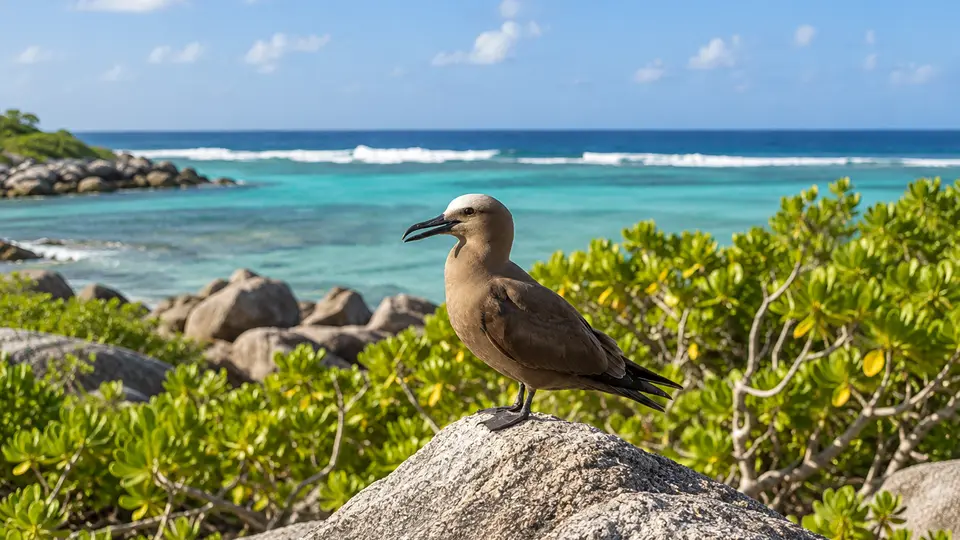
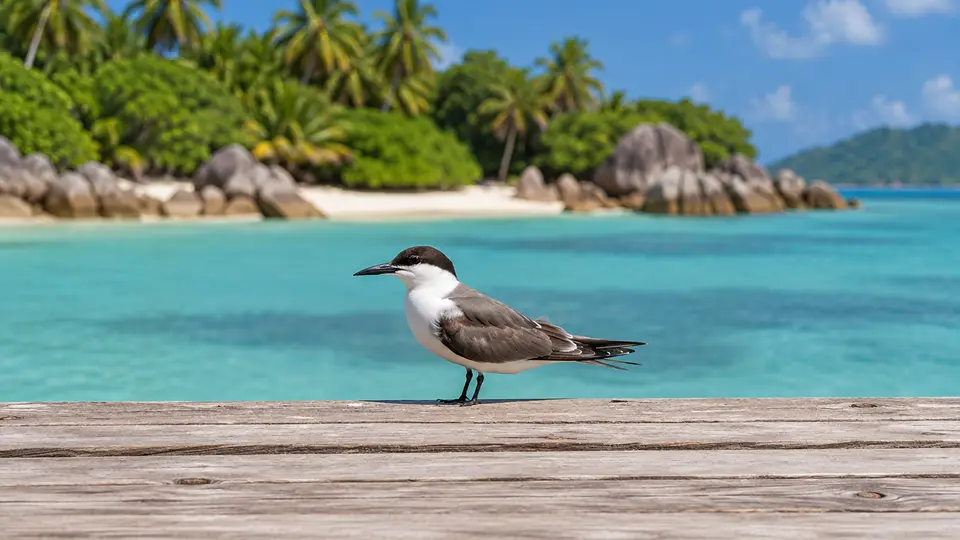
Seychelles Black ParrotSeychelles Black ParrotBridled TernBridled TernBrown NoddyBrown Noddy
Animal groupBirdsAnimal groupBirdsAnimal groupBirds
DestinationsSeychellesDestinationsSeychellesDestinationsSeychelles, Maldives, Fiji
All wildlife destinations
Plan your trip

Find your next wildlife adventure

Compare destinations, shore programmes and dates with the animals and habitats you would love to see.

  • Naturalist-led shore excursions
  • Responsible wildlife watching
  • Small expedition ships

Newsletter

Take Blue Rides with you

Adventure cruise offers, last-minute deals and trip inspiration.

Free, unsubscribe anytime. Details: Privacy Policy

Partner with Blue Rides

Affiliate Program

Recommend adventure cruises and earn commission on every confirmed booking.

Share. Track. Earn.