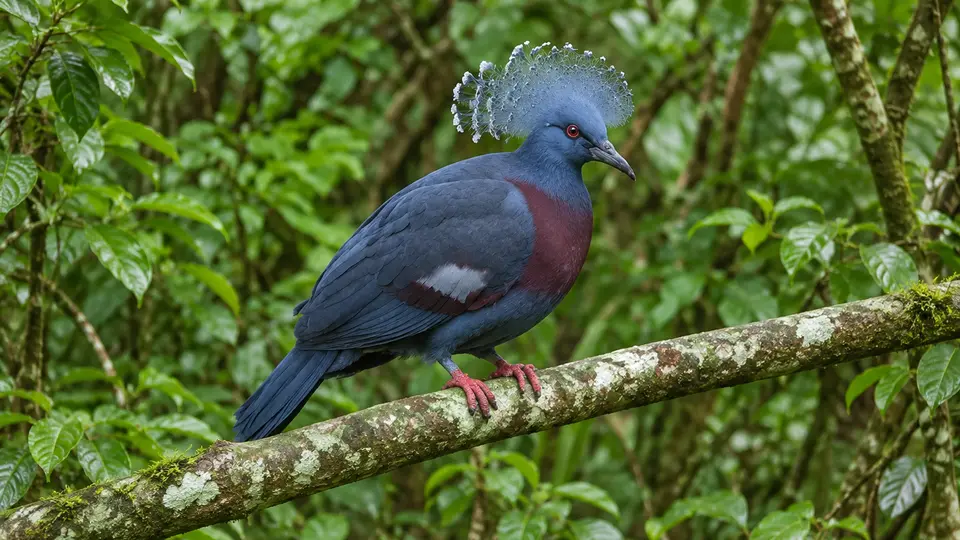
Seychelles Blue Pigeon in its natural habitatAI-modified

Seychelles Blue PigeonAlectroenas pulcherrimusWhere and when to see them

Seychelles Blue Pigeon at a glance

The Seychelles blue pigeon is an endemic fruit-eating bird of the archipelago's wooded islands. Its dark blue body, pale head and breast, and vivid red facial skin create a distinctive appearance when seen well. Although once reduced by hunting and habitat change, it has recovered in parts of its range. As a mobile consumer of fleshy fruits, it helps connect patches of vegetation by transporting seeds between feeding and resting places.

Behaviour & reproduction

Size
24–25 cm (9.4–9.8 in) body length
Weight
Not reliably established
Lifespan
Not reliably established
Status
Least Concern

Blue pigeons often sit quietly in the upper canopy, making a large bird surprisingly easy to overlook. They visit fruiting trees alone, in pairs or in small groups, and may cross open ground with direct flights between wooded patches. Courtship includes conspicuous aerial display. Nesting pairs construct a relatively simple twig platform in a tree, while daily movements respond to the changing availability of ripe fruit. They typically fly with rapid wingbeats and direct trajectories, making them appear quite fast when moving between trees. During breeding season, the male performs a display flight with conspicuous ascents and descents to attract a mate.

Top wildlife locations

Seychelles wildlife habitatAI-modified

Seychelles

Wooded coastal gardens and forest trails on islands such as Mahé, Praslin and La Digue provide plausible habitat. Inland walks can improve canopy views, although fruiting trees near shore may also attract birds.
Destinations describe the species' habitat, not guaranteed cruise stops. Some animals require an optional inland excursion or are found in restricted reserves.

Fun facts about the Seychelles Blue Pigeon

  • It belongs to a western Indian Ocean group of blue pigeons.
  • The red area above the bill is bare skin rather than red feathers.
  • Its fruit-eating habits make it a useful seed disperser.
  • Courting birds can perform aerial displays above the canopy.

Best time to see the Seychelles Blue Pigeon

Resident birds may be observed in any month where suitable trees are fruiting. April to May and October to November often suit woodland walks in relatively lighter winds. Local fruit crops are a better predictor of activity than a fixed annual birdwatching peak. Peak fruiting seasons, which vary slightly by island and tree species, are the best times to observe these pigeons. During these periods, they are more active and visible as they forage for food.

Seychelles Blue Pigeon: season matrix by destination

Travel and observation windows vary by region. Highlighted months are an orientation for planning, not confirmed sightings or a guarantee of access.

Seychelles

These months are convenient for coastal and forest walking, not a defined breeding or migration season; fruit availability influences local observations year-round.

JanFebMarAprMayJunJulAugSepOctNovDec
Cruise ships in Seychelles

Where the Seychelles Blue Pigeon lives

It occupies native forest, secondary woodland and tree-rich gardens from coastal lowlands to upland slopes. Fruiting trees are a key feature of usable habitat. Bare beaches and treeless shorelines offer little, although wooded coastal margins can support feeding or passing birds. While adaptable to altered habitats, the pigeon shows a strong preference for areas with an abundance of large, mature fruiting trees. It is often found near human settlements, particularly where gardens provide suitable food sources and cover.

What the Seychelles Blue Pigeon eats

Fleshy fruits and berries dominate its diet, including figs and fruits from various native and introduced trees. Food is generally plucked from branches and swallowed. By moving after feeding, pigeons can deposit seeds away from the parent plant. Its diet also includes flowers and occasional insects, providing essential protein and nutrients. These pigeons play a crucial ecological role as significant seed dispersers, aiding forest regeneration by spreading seeds of the fruits they consume.

Species at a glance

Common name
Seychelles Blue Pigeon
Scientific name
Alectroenas pulcherrimus
Animal group
Birds
Size
24–25 cm (9.4–9.8 in) body length
Weight
Not reliably established
Lifespan
Not reliably established
Status
Least Concern
Identification
The dark blue body, silvery head and breast, and bare red forehead distinguish it from Seychelles' smaller doves and introduced domestic pigeons. The deep red patches of bare skin around its eyes, extending to the cere, are a key distinguishing feature not present in other local doves. Its overall plump body and relatively short tail also help differentiate it from leaner, longer-tailed pigeon species.

Seychelles Blue Pigeon: frequently asked questions

Where can I see the Seychelles Blue Pigeon?
Seychelles. Scan fruiting treetops from paths or garden edges without standing beneath active nests. Avoid feeding birds or shaking branches for a photograph, and use binoculars rather than approaching exposed canopy perches. Focusing on the mid to upper canopy layers of large trees, especially Ficus species, often yields sightings. Patience is key, as they can remain motionless for extended periods, blending into the foliage.
When is the best time to see the Seychelles Blue Pigeon?
Resident birds may be observed in any month where suitable trees are fruiting. April to May and October to November often suit woodland walks in relatively lighter winds. Local fruit crops are a better predictor of activity than a fixed annual birdwatching peak. Peak fruiting seasons, which vary slightly by island and tree species, are the best times to observe these pigeons. During these periods, they are more active and visible as they forage for food.
How big does the Seychelles Blue Pigeon get?
24–25 cm (9.4–9.8 in) body length. Adult weight: Not reliably established. Size varies with age, sex and population.
How should I behave around the Seychelles Blue Pigeon?
Scan fruiting treetops from paths or garden edges without standing beneath active nests. Avoid feeding birds or shaking branches for a photograph, and use binoculars rather than approaching exposed canopy perches. Focusing on the mid to upper canopy layers of large trees, especially Ficus species, often yields sightings. Patience is key, as they can remain motionless for extended periods, blending into the foliage.
What does the Seychelles Blue Pigeon eat?
Fleshy fruits and berries dominate its diet, including figs and fruits from various native and introduced trees. Food is generally plucked from branches and swallowed. By moving after feeding, pigeons can deposit seeds away from the parent plant. Its diet also includes flowers and occasional insects, providing essential protein and nutrients. These pigeons play a crucial ecological role as significant seed dispersers, aiding forest regeneration by spreading seeds of the fruits they consume.
Are wildlife sightings guaranteed on an adventure cruise?
No. Animals move freely and routes, weather, access restrictions and local conditions influence every outing. Confirm the actual itinerary and shore program before booking.

Compare wildlife in the same destinations

Explore other birds recorded in these destinations. Similar surroundings do not mean the animals share the same habits or viewing season.

Species comparison by animal group and destination
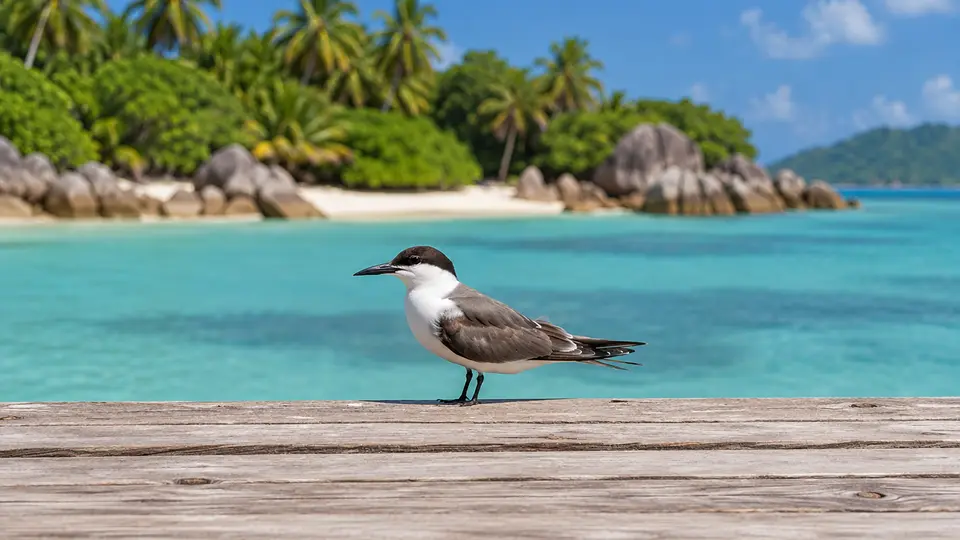
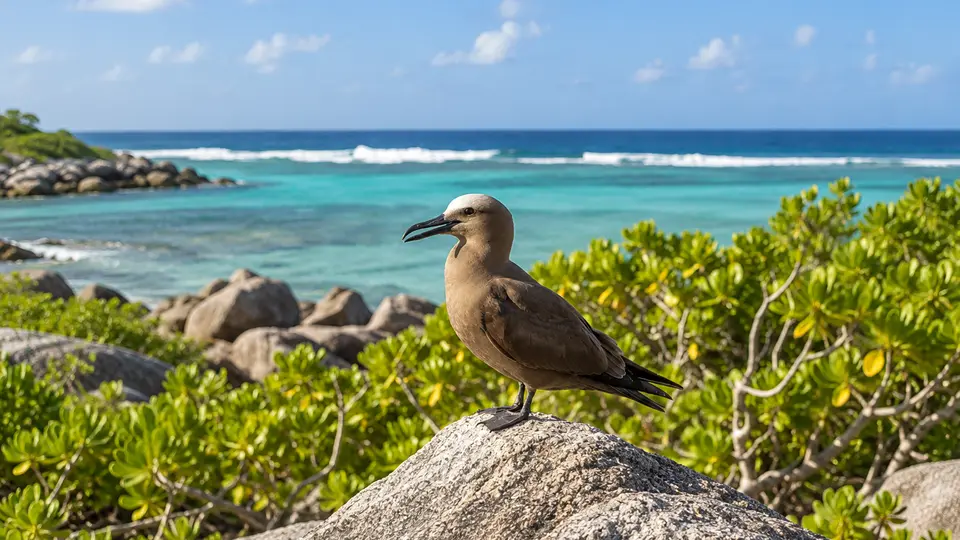
Seychelles Blue PigeonAI-modifiedSeychelles Blue PigeonBridled TernAI-modifiedBridled TernBrown NoddyAI-modifiedBrown Noddy
Animal groupBirdsAnimal groupBirdsAnimal groupBirds
DestinationsSeychellesDestinationsSeychellesDestinationsSeychelles, Maldives, Fiji
Scientific nameAlectroenas pulcherrimusScientific nameScientific name
All wildlife destinations
AI-modified
Plan your trip

Find your next wildlife adventure

Compare destinations, shore programs and dates with the animals and habitats you would love to see.

  • Naturalist-led shore excursions
  • Responsible wildlife watching
  • Small expedition ships