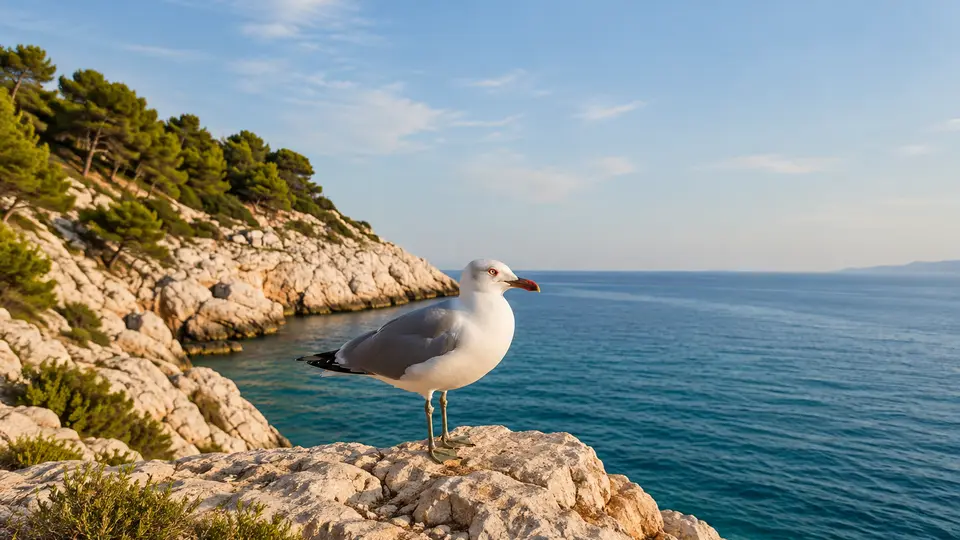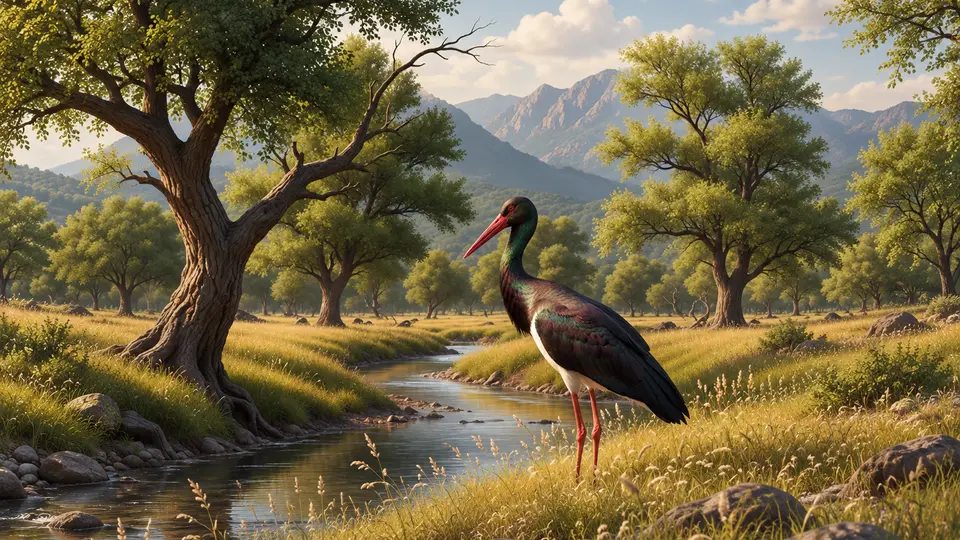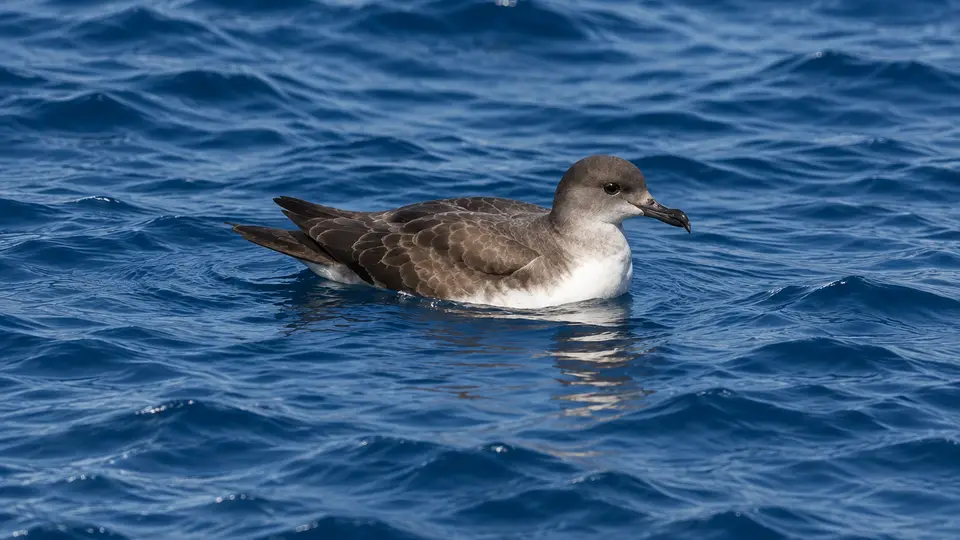
Scopoli's Shearwater in its natural habitat, AI illustration

Scopoli's Shearwater: where and when to see them

Calonectris diomedea

Scopoli's Shearwater at a glance

Scopoli's shearwater is a large Mediterranean seabird that spends most of its life at sea, coming ashore primarily to breed on islands and rocky coastal sites. Formerly grouped with Cory's shearwater, it is now generally recognized as a separate species. Its long, flexible-looking wings suit economical travel over open water. After breeding, many birds leave the Mediterranean and range widely through the Atlantic before returning the following spring.

Behaviour & reproduction

Size
45–52 cm body length; 112–122 cm wingspan
Weight
600–1,000 g
Lifespan
Not reliably established
Status
Least Concern

At sea, these shearwaters alternate shallow wingbeats with long glides, often following the contours of waves. They gather where food is concentrated but disperse widely between feeding opportunities. Breeding birds usually approach colonies after dark, reducing exposure to predators. Pairs occupy burrows, rock crevices or sheltered cavities, share incubation of a single egg, and make repeated feeding journeys while their chick remains at the colony. Courtship rituals involve nocturnal aerial displays and calls around the colony sites before pairs settle into their chosen nest cavities. Adults are highly vocal at night when at the colony, producing eerie wailing and cackling calls that are characteristic of the species.

Top wildlife locations

Croatia wildlife habitat

Croatia

Outer Adriatic island coasts and exposed headlands offer plausible offshore scanning habitat. Breeding islands can be protected or inaccessible, and birds may remain too distant for reliable identification from shore.

Adventure cruises in Croatia
Greece wildlife habitat

Greece

Exposed Aegean and Ionian headlands provide opportunities to scan open water from land. Nesting islets are often inaccessible or sensitive, and colony visits are unnecessary for responsible distant observation.

Adventure cruises in Greece
Turkey wildlife habitat

Turkey

Aegean and Mediterranean coastal headlands offer plausible distant viewing over open water. Shore records are uneven, and remote breeding habitat should not be treated as an accessible visitor destination.

Adventure cruises in Turkey

Destinations describe the species' habitat, not guaranteed cruise stops. Some animals require an optional inland excursion or are found in restricted reserves.

Fun facts about the Scopoli's Shearwater

  • A breeding pair normally lays just one egg in a season.
  • Many individuals cross the Strait of Gibraltar during migration.
  • Its tubular nostrils are characteristic of the seabird order Procellariiformes.
  • Adults produce striking, harsh calls at colonies despite often being quiet at sea.

Best time to see the Scopoli's Shearwater

April through October is the most useful broad Mediterranean viewing period, overlapping colony attendance and movements through nearby waters. Coastal passage varies by locality and weather. Winter observations are less dependable because much of the population disperses into the Atlantic. Peak breeding activity and chick rearing extend from June to September, making these months particularly productive for observing parent birds at sea. During spring and autumn migration, large rafts of shearwaters can be seen resting on the water's surface in sheltered bays and channels.

Scopoli's Shearwater: season matrix by destination

Travel and observation windows vary by region. Highlighted months are an orientation for planning, not confirmed sightings or a guarantee of access.

Croatia

This window overlaps Mediterranean colony attendance and practical coastal travel, but local passage and viewing distance vary substantially.

JanFebMarAprMayJunJulAugSepOctNovDec
Cruise ships in Croatia

Greece

Spring through autumn broadly overlaps Mediterranean presence; wind, local feeding conditions and island geography determine whether birds approach visible waters.

JanFebMarAprMayJunJulAugSepOctNovDec
Cruise ships in Greece

Turkey

These months provide a reasonable regional observation window, not confirmation of regular occurrence at any particular Turkish coastal stop.

JanFebMarAprMayJunJulAugSepOctNovDec
Cruise ships in Turkey

Where the Scopoli's Shearwater lives

The species feeds over Mediterranean coastal and offshore waters, with breeding colonies on islands, sea cliffs and rocky slopes offering protected cavities. Outside the breeding period it uses Atlantic marine habitats, sometimes far beyond any practical shore-based viewing distance. The species is a summer resident across the Mediterranean, preferring arid and semi-arid islands, often those with steep cliffs and limited human disturbance. Important breeding sites exist throughout the Aegean and Ionian Seas, including several islands within the proposed cruise destinations.

What the Scopoli's Shearwater eats

Small schooling fish, squid and crustaceans make up much of its diet. Birds take prey at or just below the surface and sometimes exploit fishery discards. Feeding distribution shifts with currents, prey movements and temporary concentrations of marine life. They are opportunistic feeders, often joining mixed flocks with other seabirds and cetaceans to exploit transient food sources. Their diet may also include offal and discarded fish from fishing vessels, which can impact their foraging behavior.

Species at a glance

Common name
Scopoli's Shearwater
Scientific name
Calonectris diomedea
Animal group
Birds
Size
45–52 cm body length; 112–122 cm wingspan
Weight
600–1,000 g
Lifespan
Not reliably established
Status
Least Concern
Identification
Compared with Cory's shearwater, Scopoli's usually shows more white extending into the underside of the outer primaries, although distant birds may be inseparable. Key distinguishing features from Cory's shearwater include a slightly smaller bill that is typically yellower, and the underwing pattern which shows more contrast between the white wing lining and the darker flight feathers. The primary patch of Scopoli's also appears to extend further onto the inner wing when seen from below.

Scopoli's Shearwater: frequently asked questions

Where can I see the Scopoli's Shearwater?
Croatia, Greece, Turkey. Scan offshore from a secure headland or vessel deck with binoculars. Avoid entering nesting crevices or illuminating colonies at night; these birds are sensitive to disturbance and artificial light around breeding sites. When viewing from a vessel, pay close attention to any fishing activity or aggregations of other marine life, as shearwaters are often drawn to these areas. For land-based observations in Croatia, Greece, or Turkey, look for viewpoints on high coastal cliffs overlooking open water, especially during early morning or late afternoon.
When is the best time to see the Scopoli's Shearwater?
April through October is the most useful broad Mediterranean viewing period, overlapping colony attendance and movements through nearby waters. Coastal passage varies by locality and weather. Winter observations are less dependable because much of the population disperses into the Atlantic. Peak breeding activity and chick rearing extend from June to September, making these months particularly productive for observing parent birds at sea. During spring and autumn migration, large rafts of shearwaters can be seen resting on the water's surface in sheltered bays and channels.
How big does the Scopoli's Shearwater get?
45–52 cm body length; 112–122 cm wingspan. Adult weight: 600–1,000 g. Size varies with age, sex and population.
How should I behave around the Scopoli's Shearwater?
Scan offshore from a secure headland or vessel deck with binoculars. Avoid entering nesting crevices or illuminating colonies at night; these birds are sensitive to disturbance and artificial light around breeding sites. When viewing from a vessel, pay close attention to any fishing activity or aggregations of other marine life, as shearwaters are often drawn to these areas. For land-based observations in Croatia, Greece, or Turkey, look for viewpoints on high coastal cliffs overlooking open water, especially during early morning or late afternoon.
What does the Scopoli's Shearwater eat?
Small schooling fish, squid and crustaceans make up much of its diet. Birds take prey at or just below the surface and sometimes exploit fishery discards. Feeding distribution shifts with currents, prey movements and temporary concentrations of marine life. They are opportunistic feeders, often joining mixed flocks with other seabirds and cetaceans to exploit transient food sources. Their diet may also include offal and discarded fish from fishing vessels, which can impact their foraging behavior.
Are wildlife sightings guaranteed on an adventure cruise?
No. Animals move freely and routes, weather, access restrictions and local conditions influence every outing. Confirm the actual itinerary and shore program before booking.

Compare wildlife in the same destinations

Explore other birds recorded in these destinations. Similar surroundings do not mean the animals share the same habits or viewing season.

Species comparison by animal group and destination
Scopoli's ShearwaterScopoli's ShearwaterAudouin's GullAudouin's GullBlack StorkBlack Stork
Animal groupBirdsAnimal groupBirdsAnimal groupBirds
DestinationsCroatia, Greece, TurkeyDestinationsCroatia, Greece, Portugal, TurkeyDestinationsPortugal, Turkey
All wildlife destinations
Plan your trip

Find your next wildlife adventure

Compare destinations, shore programs and dates with the animals and habitats you would love to see.

  • Naturalist-led shore excursions
  • Responsible wildlife watching
  • Small expedition ships

Newsletter

Take Blue Rides with you

Adventure cruise offers, last-minute deals and trip inspiration.

Free, unsubscribe anytime. Details: Privacy Policy

Partner with Blue Rides

Affiliate Program

Recommend adventure cruises and earn commission on every confirmed booking.

Share. Track. Earn.

Your footage, our stage

Send us your videos or pictures.

Captured beautiful landscapes or wildlife? Share your videos and pictures with us, we may feature them on Blue Rides.