Red-faced Cormorant in its natural habitat, AI illustration

Red-faced Cormorant: where and when to see them

Urile urile

Red-faced Cormorant at a glance

Red-faced cormorants are North Pacific seabirds associated with remote rocky coasts, especially the Aleutian region and neighbouring waters. Adults appear dark at a distance, but good light reveals greenish and purplish gloss. Breeding birds develop conspicuous red facial skin, paired crests and white flank patches. Their close resemblance to pelagic cormorants makes identification challenging from a moving deck, particularly outside the breeding season when facial colour and ornamental plumage become less obvious.

Behaviour & reproduction

Size
Length 71–89 cm
Weight
1.5–2.3 kg
Lifespan
Not reliably established
Status
Least Concern

These cormorants nest colonially on narrow cliff ledges, building nests from seaweed, grasses and other available material. Pairs defend small areas immediately around their nests rather than large feeding territories. They pursue fish beneath the sea surface and return to exposed rocks or ledges to rest. Flights along the coast are direct, with the neck extended. Seasonal movements occur, but many birds remain within the northern Pacific coastal region. Courtship rituals involve head bobbing, neck stretching, and mutual preening between mates on the nesting ledges. They are strong, powerful fliers, often flying in V-formations or single file low over the water surface when traveling between foraging areas and colonies.

Top wildlife locations

Alaska wildlife habitat

Alaska

Aleutian and other western Alaskan rocky coasts offer plausible deck views of ledges and roosts. Many colonies are remote and inaccessible, while standard southeastern coastal itineraries provide much less dependable opportunities.

Adventure cruises in Alaska
Destinations describe the species' habitat, not guaranteed cruise stops. Some animals require an optional inland excursion or are found in restricted reserves.

Fun facts about the Red-faced Cormorant

  • White flank patches are seasonal breeding ornaments.
  • Both sexes participate in nest building and parental care.
  • Its range spans both Asian and North American sides of the North Pacific.
  • The bare facial skin is more useful for identification than overall dark plumage.

Best time to see the Red-faced Cormorant

Late spring and summer provide the most practical Alaska viewing conditions, with longer daylight and breeding adults showing useful identification features. Colony activity varies by location and weather. Outside this period, birds may still occur coastally, but access and identification become harder. Prime viewing aligns with the breeding season, offering chances to see elaborate courtship displays and active chick rearing. During this period, their distinctive red facial skin is most vibrant, aiding identification.

Red-faced Cormorant: season matrix by destination

Travel and observation windows vary by region. Highlighted months are an orientation for planning, not confirmed sightings or a guarantee of access.

Alaska

A practical coastal travel window, with breeding plumage most useful earlier in the period; remote access remains weather-dependent.

JanFebMarAprMayJunJulAugSepOctNovDec
Cruise ships in Alaska

Where the Red-faced Cormorant lives

Rocky marine shorelines, offshore stacks and steep island cliffs provide breeding and roosting habitat. Feeding usually occurs in nearby coastal waters rather than inland lakes. In Alaska, the strongest association is with western and southern island coasts, not every accessible harbour. They prefer exposed outer coasts and offshore islands rather than sheltered bays or fjords. Colonies often form on very steep or vertical cliffs, making them inaccessible to terrestrial predators.

What the Red-faced Cormorant eats

The diet consists mainly of marine fishes, including bottom-associated species, with some crustaceans and other invertebrates. Prey composition changes with local conditions and availability. Birds capture food below the surface and carry nourishment back to chicks at crowded cliff colonies. They are opportunistic feeders, adjusting their diet based on the most abundant prey species available. Feeding dives can be surprisingly deep, reaching depths of over 50 meters in pursuit of fish.

Species at a glance

Common name
Red-faced Cormorant
Scientific name
Urile urile
Animal group
Birds
Size
Length 71–89 cm
Weight
1.5–2.3 kg
Lifespan
Not reliably established
Status
Least Concern
Identification
Breeding red-faced cormorants have a more extensive red face and paler bill than pelagic cormorants, which share their slender build and white flank patches. Beyond the red facial skin, look for a pale bill with an orange or yellowish base, which is distinct from the darker bills of other cormorant species. Immature birds have duller plumage and lack the prominent red facial markings.

Red-faced Cormorant: frequently asked questions

Where can I see the Red-faced Cormorant?
Alaska. Use a telescope from a stable coastal viewpoint or binoculars from deck. Keep clear of nesting cliffs and guano-covered rocks, and avoid boat approaches that make resting birds stretch their necks, shuffle away or take flight. When viewing from a boat, maintain a slow, steady speed and a respectful distance to minimize disturbance. Look for birds drying their wings in classic cormorant posture on exposed rocks after fishing bouts.
When is the best time to see the Red-faced Cormorant?
Late spring and summer provide the most practical Alaska viewing conditions, with longer daylight and breeding adults showing useful identification features. Colony activity varies by location and weather. Outside this period, birds may still occur coastally, but access and identification become harder. Prime viewing aligns with the breeding season, offering chances to see elaborate courtship displays and active chick rearing. During this period, their distinctive red facial skin is most vibrant, aiding identification.
How big does the Red-faced Cormorant get?
Length 71–89 cm. Adult weight: 1.5–2.3 kg. Size varies with age, sex and population.
How should I behave around the Red-faced Cormorant?
Use a telescope from a stable coastal viewpoint or binoculars from deck. Keep clear of nesting cliffs and guano-covered rocks, and avoid boat approaches that make resting birds stretch their necks, shuffle away or take flight. When viewing from a boat, maintain a slow, steady speed and a respectful distance to minimize disturbance. Look for birds drying their wings in classic cormorant posture on exposed rocks after fishing bouts.
What does the Red-faced Cormorant eat?
The diet consists mainly of marine fishes, including bottom-associated species, with some crustaceans and other invertebrates. Prey composition changes with local conditions and availability. Birds capture food below the surface and carry nourishment back to chicks at crowded cliff colonies. They are opportunistic feeders, adjusting their diet based on the most abundant prey species available. Feeding dives can be surprisingly deep, reaching depths of over 50 meters in pursuit of fish.
Are wildlife sightings guaranteed on an adventure cruise?
No. Animals move freely and routes, weather, access restrictions and local conditions influence every outing. Confirm the actual itinerary and shore programme before booking.

Compare wildlife in the same destinations

Explore other birds recorded in these destinations. Similar surroundings do not mean the animals share the same habits or viewing season.

Species comparison by animal group and destination
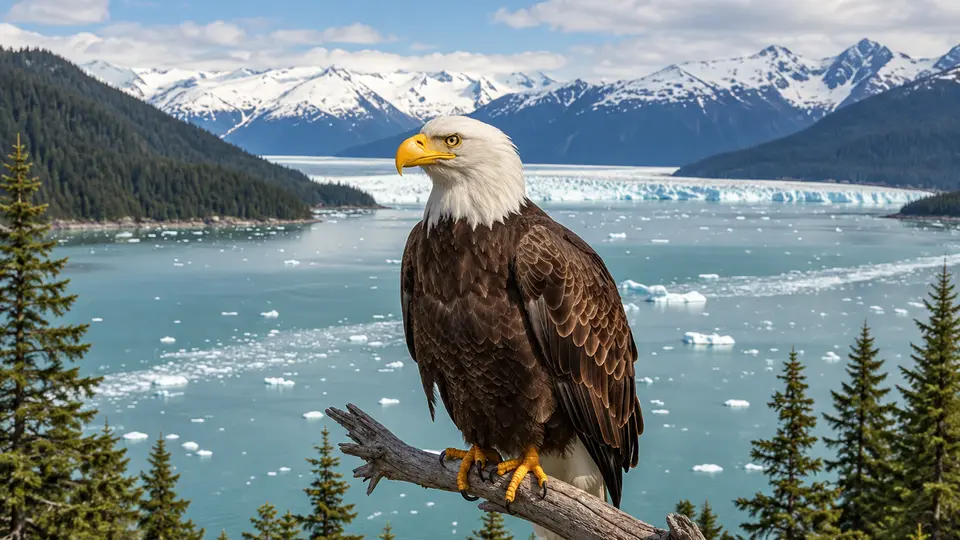
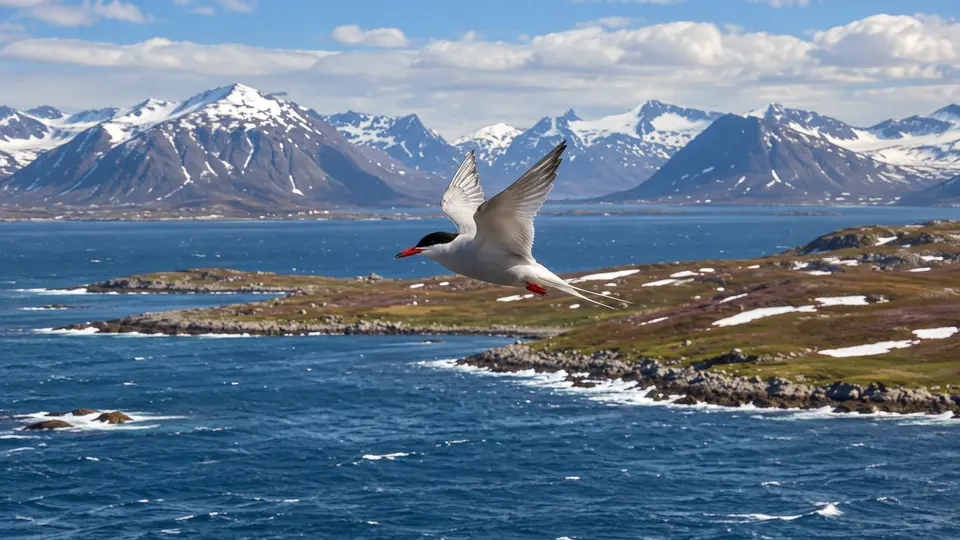
Red-faced CormorantRed-faced CormorantArctic TernArctic TernBald EagleBald Eagle
Animal groupBirdsAnimal groupBirdsAnimal groupBirds
DestinationsAlaskaDestinationsAlaska, Norway, ArcticDestinationsAlaska, Florida, New England
All wildlife destinations
Plan your trip

Find your next wildlife adventure

Compare destinations, shore programmes and dates with the animals and habitats you would love to see.

  • Naturalist-led shore excursions
  • Responsible wildlife watching
  • Small expedition ships

Newsletter

Take Blue Rides with you

Adventure cruise offers, last-minute deals and trip inspiration.

Free, unsubscribe anytime. Details: Privacy Policy

Partner with Blue Rides

Affiliate Program

Recommend adventure cruises and earn commission on every confirmed booking.

Share. Track. Earn.