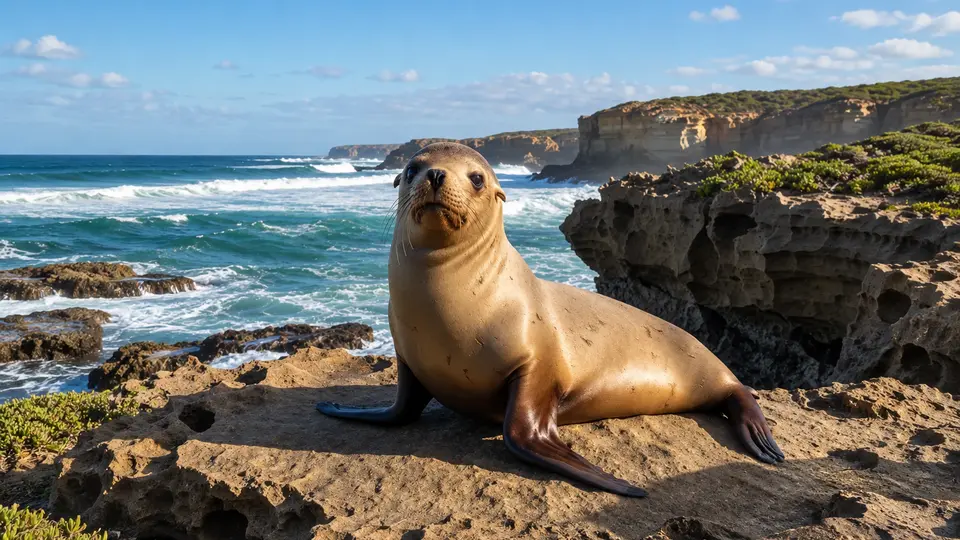
Quokka in its natural habitat, AI illustration
Size40–54 cm head-body lengthLifespanAbout 10–14 yearsStatusVulnerable

Quokka: where and when to see them

Setonix brachyurus

Quokka at a glance

The quokka is a small wallaby native to southwestern Australia, with particularly well-known populations on offshore islands. Rounded ears, a compact body and a short muzzle create its familiar appealing expression, but this is not evidence of human-like happiness. Mainland populations are much more restricted and difficult to observe than the approachable animals on Rottnest Island. Habitat change, introduced predators and altered fire regimes have contributed to its vulnerable conservation status.

Behaviour & reproduction

Size
40–54 cm head-body length
Weight
2.5–5 kg
Lifespan
About 10–14 years
Status
Vulnerable

Quokkas are mainly active from dusk through the night, spending hot daylight hours resting in shade or dense vegetation. They travel along runways through cover and can climb low vegetation to reach food. Social gatherings occur around favorable resources, but they do not form tightly coordinated herds. Females usually raise one young at a time in a pouch. Animals accustomed to visitors may approach people, which makes responsible avoidance of feeding especially important. Despite their nocturnal activity, quokkas are also crepuscular, often seen at dawn and dusk. They utilize established trails within dense vegetation, allowing efficient movement through their territories. They are known to exhibit allogrooming, suggesting social bonding within groups.

Top wildlife locations

Australia wildlife habitat

Australia

Rottnest Island has accessible coastal scrub and shaded paths where quokkas may be observed. Mainland animals are rare and secretive, usually requiring an inland wetland or forest excursion rather than casual beach viewing.

Adventure cruises in Australia
Destinations describe the species' habitat, not guaranteed cruise stops. Some animals require an optional inland excursion or are found in restricted reserves.

Fun facts about the Quokka

  • The quokka is the only living species in the genus Setonix.
  • It can climb low shrubs and small trees.
  • Females can delay development of an embryo.
  • The name Rottnest arose from an early European comparison of its quokkas to rats.

Best time to see the Quokka

On Rottnest Island, observation is possible throughout the year, with cooler months often providing more comfortable walking conditions. Early morning and late afternoon are preferable to midday heat. Seasonal reproduction differs between island and mainland populations, so no universal breeding window applies. During the cooler months, juvenile quokkas are more frequently seen emerging from pouches, adding another dimension to viewing opportunities. Early morning also offers the best chance to observe their natural foraging behaviors before they retreat for the day.

Quokka: season matrix by destination

Travel and observation windows vary by region. Highlighted months are an orientation for planning, not confirmed sightings or a guarantee of access.

Australia

These months generally avoid peak summer heat; quokkas remain present year-round, and the window is not a breeding-season claim.

JanFebMarAprMayJunJulAugSepOctNovDec
Cruise ships in Australia

Where the Quokka lives

Mainland quokkas favor dense, moist vegetation around swamps and drainage lines within southwestern forests. Island populations also occupy scrub and more open mosaics where shelter is available. Reliable cover is important for protection from heat, disturbance and predators. On the mainland, their range is now restricted to a few isolated populations, primarily within the Jarrah Forest Bioregion. These fragmented populations highlight the importance of protected areas for their survival.

What the Quokka eats

Quokkas eat grasses, leaves, stems and other plant material, selecting foods according to local and seasonal availability. They can obtain substantial moisture from vegetation, but this does not make water irrelevant. Bread, processed snacks and other visitor foods are unsuitable. They are hindgut fermenters, allowing them to digest fibrous plant matter efficiently. This digestive strategy means they spend a significant amount of time foraging to meet their energy needs.

Species at a glance

Common name
Quokka
Scientific name
Setonix brachyurus
Animal group
Mammals
Size
40–54 cm head-body length
Weight
2.5–5 kg
Lifespan
About 10–14 years
Status
Vulnerable
Identification
Unlike larger southwestern wallabies, the quokka has a compact rounded body, small rounded ears and a relatively short, sparsely furred tail. Their fur is typically a grizzled brown-grey, providing camouflage against the forest floor and scrub. The short, dark, hairless tail distinguishes them from other small macropods which often have longer, furred tails.

Quokka: frequently asked questions

Where can I see the Quokka?
Australia. Let quokkas choose their distance and keep bags and food secured. Do not touch, feed or surround them for photographs; bites and scratches are possible, and mothers need an unobstructed escape route. Maintaining a minimum distance of three meters protects both the quokka and the observer, allowing animals to move freely. Visitors should walk slowly and quietly, allowing quokkas to habituate to their presence rather than be startled.
When is the best time to see the Quokka?
On Rottnest Island, observation is possible throughout the year, with cooler months often providing more comfortable walking conditions. Early morning and late afternoon are preferable to midday heat. Seasonal reproduction differs between island and mainland populations, so no universal breeding window applies. During the cooler months, juvenile quokkas are more frequently seen emerging from pouches, adding another dimension to viewing opportunities. Early morning also offers the best chance to observe their natural foraging behaviors before they retreat for the day.
How big does the Quokka get?
40–54 cm head-body length. Adult weight: 2.5–5 kg. Size varies with age, sex and population.
How should I behave around the Quokka?
Let quokkas choose their distance and keep bags and food secured. Do not touch, feed or surround them for photographs; bites and scratches are possible, and mothers need an unobstructed escape route. Maintaining a minimum distance of three meters protects both the quokka and the observer, allowing animals to move freely. Visitors should walk slowly and quietly, allowing quokkas to habituate to their presence rather than be startled.
What does the Quokka eat?
Quokkas eat grasses, leaves, stems and other plant material, selecting foods according to local and seasonal availability. They can obtain substantial moisture from vegetation, but this does not make water irrelevant. Bread, processed snacks and other visitor foods are unsuitable. They are hindgut fermenters, allowing them to digest fibrous plant matter efficiently. This digestive strategy means they spend a significant amount of time foraging to meet their energy needs.
Are wildlife sightings guaranteed on an adventure cruise?
No. Animals move freely and routes, weather, access restrictions and local conditions influence every outing. Confirm the actual itinerary and shore programme before booking.

Compare wildlife in the same destinations

Explore other mammals recorded in these destinations. Similar surroundings do not mean the animals share the same habits or viewing season.

Species comparison by animal group and destination
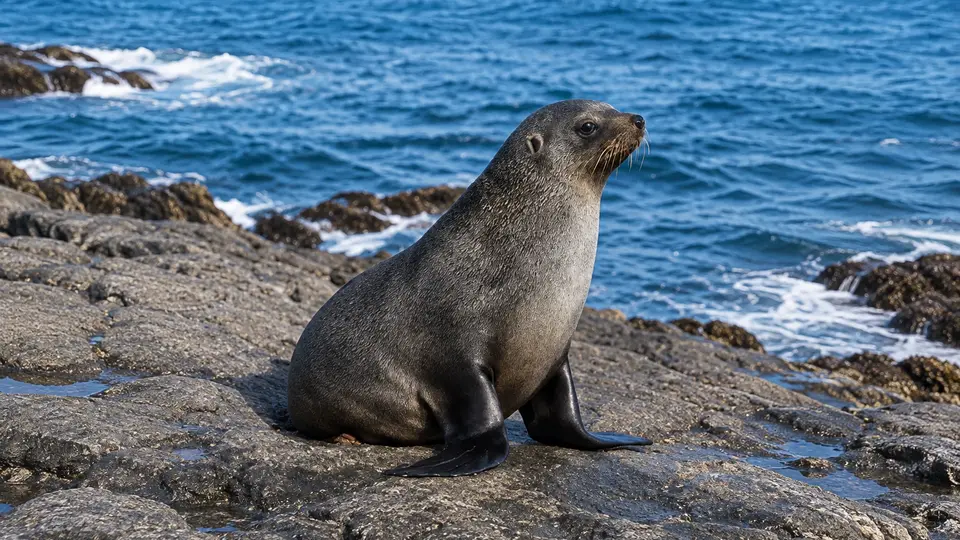
QuokkaQuokkaAustralian fur sealAustralian fur sealAustralian sea lionAustralian sea lion
Animal groupMammalsAnimal groupMammalsAnimal groupMammals
DestinationsAustraliaDestinationsAustraliaDestinationsAustralia
All wildlife destinations
Plan your trip

Find your next wildlife adventure

Compare destinations, shore programmes and dates with the animals and habitats you would love to see.

  • Naturalist-led shore excursions
  • Responsible wildlife watching
  • Small expedition ships

Newsletter

Take Blue Rides with you

Adventure cruise offers, last-minute deals and trip inspiration.

Free, unsubscribe anytime. Details: Privacy Policy

Partner with Blue Rides

Affiliate Program

Recommend adventure cruises and earn commission on every confirmed booking.

Share. Track. Earn.