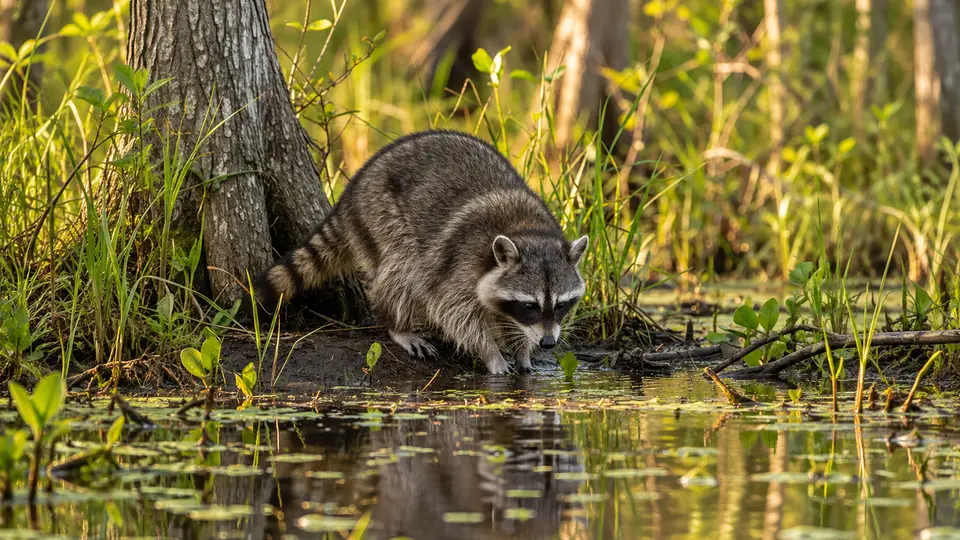
Raccoon in its natural habitat, AI illustration

Raccoon: where and when to see them

Procyon lotor

Raccoon at a glance

The raccoon is an adaptable North American mammal recognized by its black facial mask and ringed tail. Florida populations occupy wetlands, coastal woodland and developed areas, often using habitats close to water. Highly sensitive forepaws help raccoons investigate food and objects, while climbing ability provides access to resting sites and escape routes. Their success around people should not obscure their wild nature or the health risks associated with feeding and close contact.

Behaviour & reproduction

Size
40–70 cm head-body length
Weight
3.5–9 kg
Lifespan
About 2–5 years in the wild
Status
Least Concern

Raccoons are mostly nocturnal, although daytime activity can occur naturally, especially when females are feeding young. They search methodically along water margins, vegetation and human structures, using their forepaws to examine potential food. Individuals often den in tree cavities or sheltered structures. Social organization is flexible: mothers rear young together, and some males associate in groups. Familiarity with unsecured rubbish can lead to persistent approaches to campsites, picnic areas and waterfront facilities. Raccoons are known for their intelligence and curiosity, often leading them to investigate new objects or potential food sources with their sensitive paws. They exhibit a unique 'washing' behavior, manipulating food in water before eating, though the exact reason is debated.

Top wildlife locations

Florida wildlife habitat

Florida

Coastal hammocks, mangrove margins and wetland boardwalks offer plausible viewing without an inland excursion. Encounters are unpredictable, and animals approaching waterfront picnic areas should be avoided rather than encouraged with food.

Adventure cruises in Florida
Destinations describe the species' habitat, not guaranteed cruise stops. Some animals require an optional inland excursion or are found in restricted reserves.

Fun facts about the Raccoon

  • Its forepaws have an exceptionally developed sense of touch.
  • Food manipulation in water is not simply washing dirty meals.
  • Raccoons can descend trees headfirst by rotating their hind feet.
  • Florida raccoons generally remain active through winter rather than entering prolonged seasonal dormancy.

Best time to see the Raccoon

Raccoons may be active throughout the year in Florida's mild climate. Cooler months can make shore walks more comfortable, while dawn and dusk offer plausible observation opportunities. Local water levels, food availability and disturbance matter more than a distinct viewing season. Early mornings or late evenings are often the most fruitful times for sightings as raccoons prepare for or return from nightly foraging. Pay attention to areas near water bodies and dense vegetation for signs of activity.

Raccoon: season matrix by destination

Travel and observation windows vary by region. Highlighted months are an orientation for planning, not confirmed sightings or a guarantee of access.

Florida

These months offer generally milder shore-walking conditions; raccoons are active year-round, and sightings are not assured.

JanFebMarAprMayJunJulAugSepOctNovDec
Cruise ships in Florida

Where the Raccoon lives

Raccoons occupy forests, marshes, mangroves, river margins and suburban landscapes across much of North America. In Florida, coastal hammocks and wetland edges provide food and cover. Hollow trees and other secure shelters are valuable for daytime rest and raising young. They are highly adaptable, utilizing a wide range of habitats as long as water and shelter are available. In urban areas, raccoons commonly den in attics, chimneys, and storm sewers.

What the Raccoon eats

Their omnivorous diet includes fruits, nuts, insects, crustaceans, mollusks, eggs and small vertebrates. Coastal animals exploit foods along tidal margins. Human refuse is readily consumed but creates conflict and can harm health, so natural foraging should never be encouraged with handouts. Their diet is highly opportunistic and varies significantly with seasonal availability, reflecting their classification as an omnivore. During spring and summer, insects, earthworms, and crayfish are primary food sources.

Species at a glance

Common name
Raccoon
Scientific name
Procyon lotor
Animal group
Mammals
Size
40–70 cm head-body length
Weight
3.5–9 kg
Lifespan
About 2–5 years in the wild
Status
Least Concern
Identification
Its black eye mask, ringed bushy tail and dexterous forepaws distinguish it from opossums and the longer-snouted, more slender coatis. Beyond facial features, note their characteristic hunched posture when walking, which is due to their longer hind legs. Adult raccoons typically weigh between 8 and 20 pounds, with males generally larger than females.

Raccoon: frequently asked questions

Where can I see the Raccoon?
Florida. Observe from a distance and secure all food and rubbish. Never approach a raccoon acting unusually or entering personal space; bites, rabies exposure and contaminated droppings present genuine risks, particularly around feeding sites. Raccoons communicate through a variety of vocalizations, including chirps, whistles, and growls, which can sometimes be heard during nocturnal activity. Always respect wildlife and keep a safe distance to avoid disturbing their natural behaviors.
When is the best time to see the Raccoon?
Raccoons may be active throughout the year in Florida's mild climate. Cooler months can make shore walks more comfortable, while dawn and dusk offer plausible observation opportunities. Local water levels, food availability and disturbance matter more than a distinct viewing season. Early mornings or late evenings are often the most fruitful times for sightings as raccoons prepare for or return from nightly foraging. Pay attention to areas near water bodies and dense vegetation for signs of activity.
How big does the Raccoon get?
40–70 cm head-body length. Adult weight: 3.5–9 kg. Size varies with age, sex and population.
How should I behave around the Raccoon?
Observe from a distance and secure all food and rubbish. Never approach a raccoon acting unusually or entering personal space; bites, rabies exposure and contaminated droppings present genuine risks, particularly around feeding sites. Raccoons communicate through a variety of vocalizations, including chirps, whistles, and growls, which can sometimes be heard during nocturnal activity. Always respect wildlife and keep a safe distance to avoid disturbing their natural behaviors.
What does the Raccoon eat?
Their omnivorous diet includes fruits, nuts, insects, crustaceans, mollusks, eggs and small vertebrates. Coastal animals exploit foods along tidal margins. Human refuse is readily consumed but creates conflict and can harm health, so natural foraging should never be encouraged with handouts. Their diet is highly opportunistic and varies significantly with seasonal availability, reflecting their classification as an omnivore. During spring and summer, insects, earthworms, and crayfish are primary food sources.
Are wildlife sightings guaranteed on an adventure cruise?
No. Animals move freely and routes, weather, access restrictions and local conditions influence every outing. Confirm the actual itinerary and shore program before booking.

Compare wildlife in the same destinations

Explore other mammals recorded in these destinations. Similar surroundings do not mean the animals share the same habits or viewing season.

Species comparison by animal group and destination
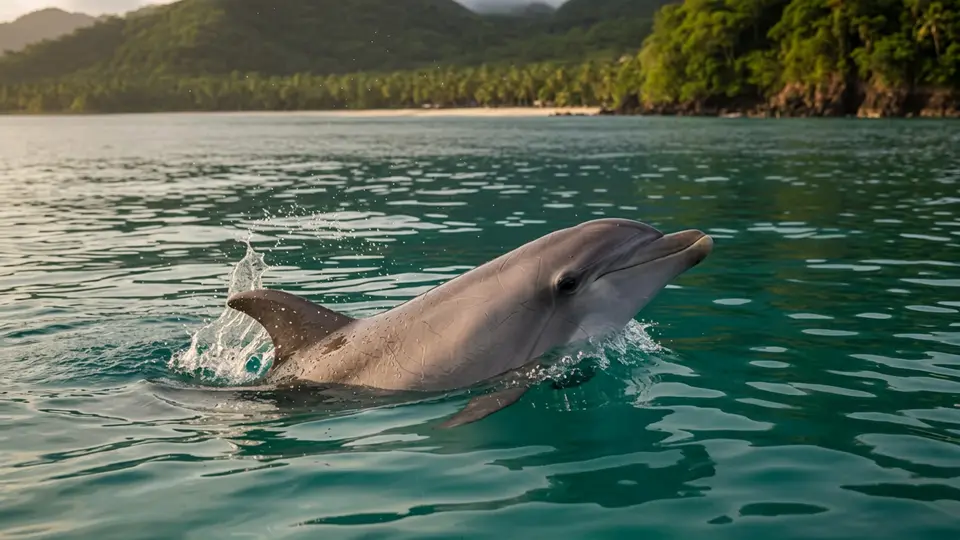
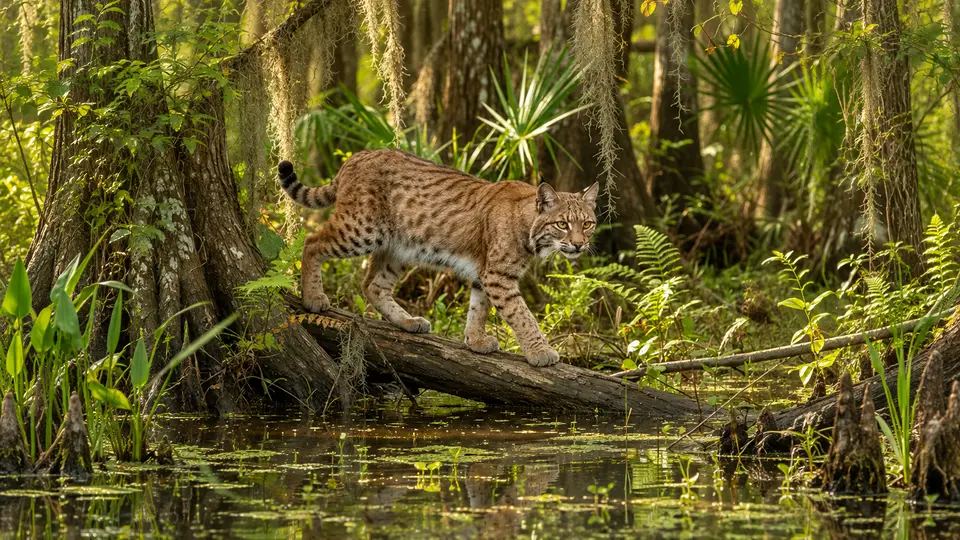
RaccoonRaccoonBobcatBobcatCommon Bottlenose DolphinCommon Bottlenose Dolphin
Animal groupMammalsAnimal groupMammalsAnimal groupMammals
DestinationsFloridaDestinationsFloridaDestinationsCosta Rica, Florida, Galapagos, Mexico, Cape Verde, Croatia, Greece, Portugal, Scotland, Seychelles, Turkey, Maldives, Australia, New Zealand
All wildlife destinations
Plan your trip

Find your next wildlife adventure

Compare destinations, shore programs and dates with the animals and habitats you would love to see.

  • Naturalist-led shore excursions
  • Responsible wildlife watching
  • Small expedition ships

Newsletter

Take Blue Rides with you

Adventure cruise offers, last-minute deals and trip inspiration.

Free, unsubscribe anytime. Details: Privacy Policy

Partner with Blue Rides

Affiliate Program

Recommend adventure cruises and earn commission on every confirmed booking.

Share. Track. Earn.

Your footage, our stage

Send us your videos or pictures.

Captured beautiful landscapes or wildlife? Share your videos and pictures with us, we may feature them on Blue Rides.