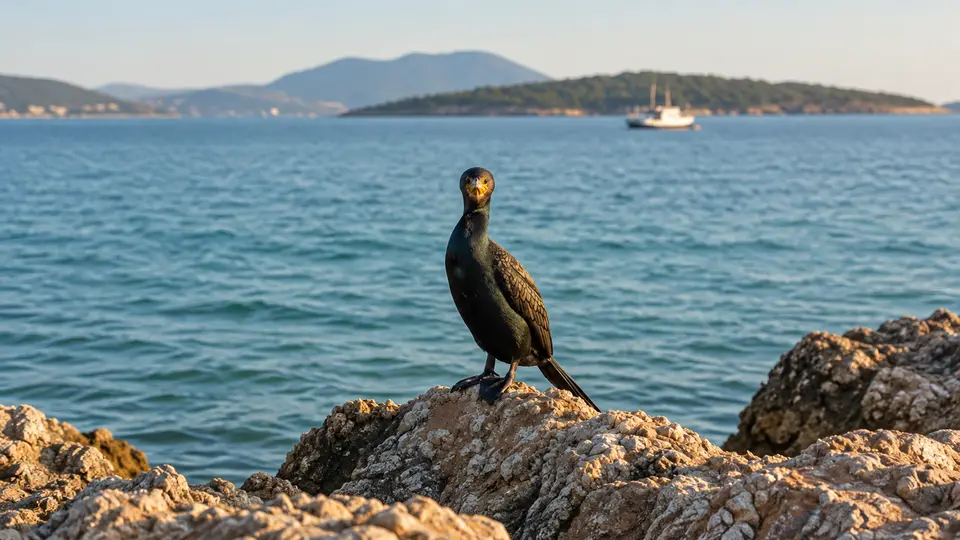
Pygmy Cormorant in its natural habitat, AI illustration

Pygmy CormorantMicrocarbo pygmaeusWhere and when to see them

Pygmy Cormorant at a glance

The pygmy cormorant is a small, long-tailed waterbird of southeastern Europe and parts of western Asia. It is strongly associated with shallow wetlands rather than exposed ocean coasts. Adults have dark bodies and browner heads, with fine pale feather markings becoming conspicuous in breeding plumage. Although globally assessed as Least Concern, it remains dependent on functioning marshes, reedbeds and waterside woodland, making wetland drainage and disturbance important regional conservation concerns.

Behaviour & reproduction

Size
45–55 cm body length
Weight
565–870 g
Lifespan
Not reliably established
Status
Least Concern

Pygmy cormorants often feed socially and gather at communal resting places on branches, posts or emergent vegetation. They catch fish in shallow water and frequently perch afterward with wings spread. Breeding colonies occupy reeds, shrubs or trees and may include herons and other wetland birds. Some populations remain near breeding areas year-round, while others move to milder waters in winter, especially when inland feeding sites freeze or become unsuitable. Pygmy cormorants are generally gregarious, frequently seen in small flocks or larger concentrations outside the breeding season. They exhibit typical cormorant behavior of 'wing spreading' to dry their plumage, as their feathers are not fully waterproof. Their flight pattern is direct and strong, often low over the water, with rapid wing beats interspersed with short glides.

Top wildlife locations

Croatia wildlife habitat

Croatia

Shallow coastal wetlands and reed-fringed waters, including the Neretva delta region, offer plausible bank-side viewing. Distribution is localized, and an inland wetland excursion may be needed rather than observation from an exposed seafront.

Greece wildlife habitat

Greece

Northern Greek deltas, lagoons and lake margins offer suitable habitat viewed from banks or hides. Many important sites require an inland excursion, and the species is not expected along every island coastline.

Destinations describe the species' habitat, not guaranteed cruise stops. Some animals require an optional inland excursion or are found in restricted reserves.

Fun facts about the Pygmy Cormorant

  • Breeding adults develop fine whitish feather tufts across the head and body.
  • Its tail looks disproportionately long when it perches.
  • Colonies may be shared with herons and egrets.
  • It can nest in reeds as well as bushes and trees.

Best time to see the Pygmy Cormorant

Spring and early summer offer opportunities around breeding wetlands, provided colonies are watched from designated viewpoints. Autumn and winter can bring concentrations to suitable lagoons and lakes. The best period differs between resident sites and wetlands used primarily outside breeding. In Croatia and Greece, spring offers the best viewing opportunities as birds are actively breeding and forming conspicuous colonies. Early autumn can also be productive, with post-breeding dispersal leading to larger concentrations in suitable lagoons before winter movements. Winter observation can be rewarding in mild coastal areas where birds congregate to avoid frozen inland waters.

Pygmy Cormorant: season matrix by destination

Travel and observation windows vary by region. Highlighted months are an orientation for planning, not confirmed sightings or a guarantee of access.

Croatia

These are practical wetland travel windows; local presence varies, and they do not imply breeding at every site.

JanFebMarAprMayJunJulAugSepOctNovDec
Cruise ships in Croatia

Greece

Spring and autumn provide practical viewing conditions; some wetlands support birds year-round, while local numbers change seasonally.

JanFebMarAprMayJunJulAugSepOctNovDec
Cruise ships in Greece

Where the Pygmy Cormorant lives

Preferred habitats include shallow lakes, river backwaters, floodplain marshes, deltas and sheltered coastal lagoons. Reedbeds and flooded shrubs provide nesting and roosting cover. Although it can use brackish waters, it is less characteristic of open rocky seashores than larger cormorants. The species shows a strong preference for warm, often eutrophic, freshwater systems. It is particularly common in areas with dense emergent vegetation along the water's edge, offering both food and shelter. In Greece and Croatia, these conditions are prevalent in many coastal wetlands and river deltas.

What the Pygmy Cormorant eats

Small fish form the bulk of the diet, captured in shallow freshwater or brackish wetlands. Aquatic invertebrates may supplement fish meals. The species relies on accessible prey in productive water, so water levels and wetland management influence feeding conditions. They typically dive for short periods, often less than 30 seconds, in shallow waters to catch prey. Their diet primarily consists of small, slow-moving fish like carp, perch, and cyprinids. This efficient feeding strategy allows them to thrive in varied wetland environments across their range.

Species at a glance

Common name
Pygmy Cormorant
Scientific name
Microcarbo pygmaeus
Animal group
Birds
Size
45–55 cm body length
Weight
565–870 g
Lifespan
Not reliably established
Status
Least Concern
Identification
It is much smaller than the great cormorant, with a shorter bill, relatively longer tail and a rounded, often brownish head. Beyond size, its short, thick neck and relatively small head are key distinguishing features. Adults are dark glossy green and black, often with a brownish head and neck, especially in non-breeding plumage. Juveniles appear duller and browner overall, lacking the adult's glossy sheen.

Pygmy Cormorant: frequently asked questions

Where can I see the Pygmy Cormorant?
Croatia, Greece. Watch from wetland hides, banks or established lagoon viewpoints. Keep well away from nesting reeds and communal roosts, as repeated flushing can expose eggs or cause birds to abandon resting places. When viewing from shore excursions, maintaining a quiet demeanor and using binoculars or a spotting scope are crucial for undisturbed observation. Look for them perched on dead branches or snags partially submerged in water, where they often dry their wings. From a cruise deck, watch for individuals flying low over water or feeding near the edges of estuaries and sheltered bays, particularly in Greek and Croatian island archipelagos.
When is the best time to see the Pygmy Cormorant?
Spring and early summer offer opportunities around breeding wetlands, provided colonies are watched from designated viewpoints. Autumn and winter can bring concentrations to suitable lagoons and lakes. The best period differs between resident sites and wetlands used primarily outside breeding. In Croatia and Greece, spring offers the best viewing opportunities as birds are actively breeding and forming conspicuous colonies. Early autumn can also be productive, with post-breeding dispersal leading to larger concentrations in suitable lagoons before winter movements. Winter observation can be rewarding in mild coastal areas where birds congregate to avoid frozen inland waters.
How big does the Pygmy Cormorant get?
45–55 cm body length. Adult weight: 565–870 g. Size varies with age, sex and population.
How should I behave around the Pygmy Cormorant?
Watch from wetland hides, banks or established lagoon viewpoints. Keep well away from nesting reeds and communal roosts, as repeated flushing can expose eggs or cause birds to abandon resting places. When viewing from shore excursions, maintaining a quiet demeanor and using binoculars or a spotting scope are crucial for undisturbed observation. Look for them perched on dead branches or snags partially submerged in water, where they often dry their wings. From a cruise deck, watch for individuals flying low over water or feeding near the edges of estuaries and sheltered bays, particularly in Greek and Croatian island archipelagos.
What does the Pygmy Cormorant eat?
Small fish form the bulk of the diet, captured in shallow freshwater or brackish wetlands. Aquatic invertebrates may supplement fish meals. The species relies on accessible prey in productive water, so water levels and wetland management influence feeding conditions. They typically dive for short periods, often less than 30 seconds, in shallow waters to catch prey. Their diet primarily consists of small, slow-moving fish like carp, perch, and cyprinids. This efficient feeding strategy allows them to thrive in varied wetland environments across their range.
Are wildlife sightings guaranteed on an adventure cruise?
No. Animals move freely and routes, weather, access restrictions and local conditions influence every outing. Confirm the actual itinerary and shore program before booking.

Compare wildlife in the same destinations

Explore other birds recorded in these destinations. Similar surroundings do not mean the animals share the same habits or viewing season.

Species comparison by animal group and destination
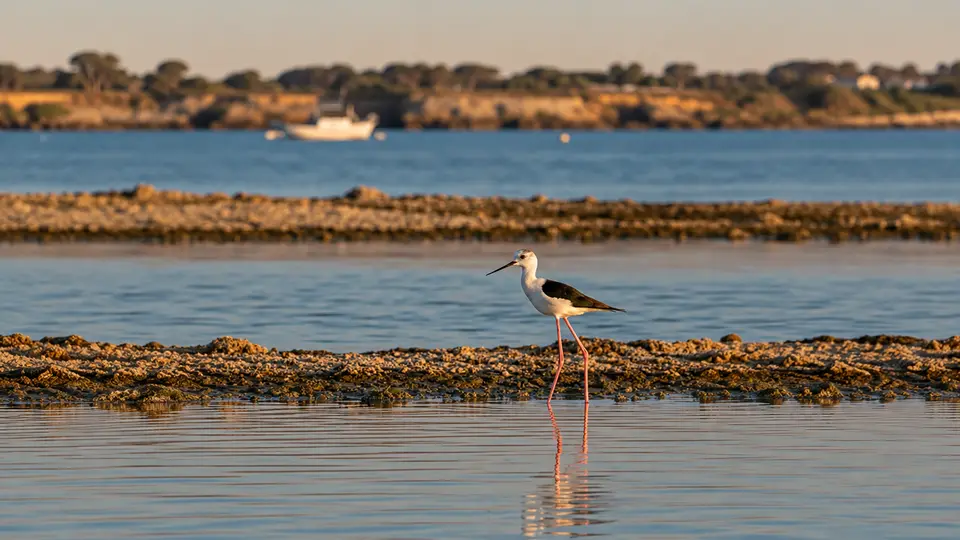
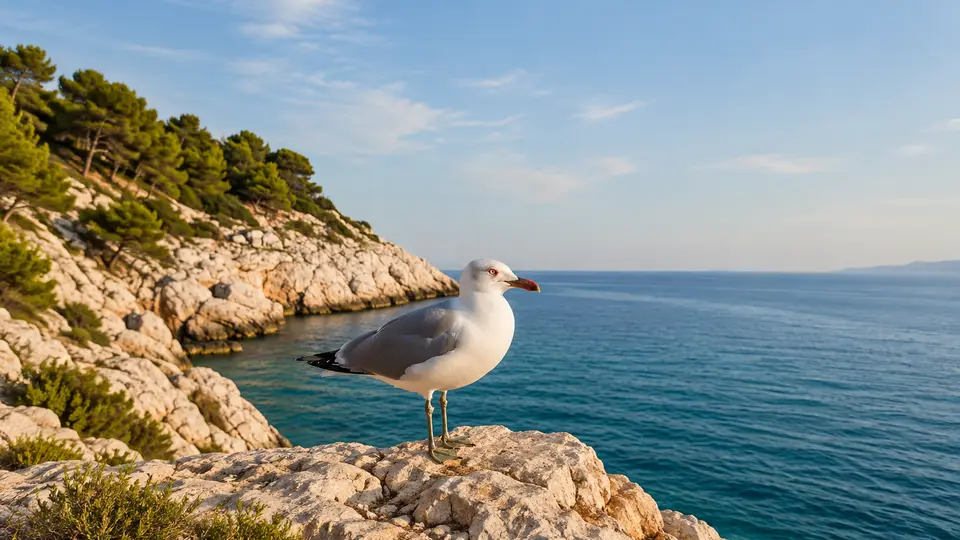
Pygmy CormorantPygmy CormorantAudouin's GullAudouin's GullBlack-winged StiltBlack-winged Stilt
Animal groupBirdsAnimal groupBirdsAnimal groupBirds
DestinationsCroatia, GreeceDestinationsCroatia, Greece, Portugal, TurkeyDestinationsCroatia, Greece
All wildlife destinations
Plan your trip

Find your next wildlife adventure

Compare destinations, shore programs and dates with the animals and habitats you would love to see.

  • Naturalist-led shore excursions
  • Responsible wildlife watching
  • Small expedition ships

Newsletter

Take Blue Rides with you

Adventure cruise offers, last-minute deals and trip inspiration.

Free, unsubscribe anytime. Details: Privacy Policy

Partner with Blue Rides

Affiliate Program

Recommend adventure cruises and earn commission on every confirmed booking.

Share. Track. Earn.

Your footage, our stage

Send us your videos or pictures.

Captured remarkable nature or wildlife on your journey? Share it with us, we may feature it on Blue Rides.