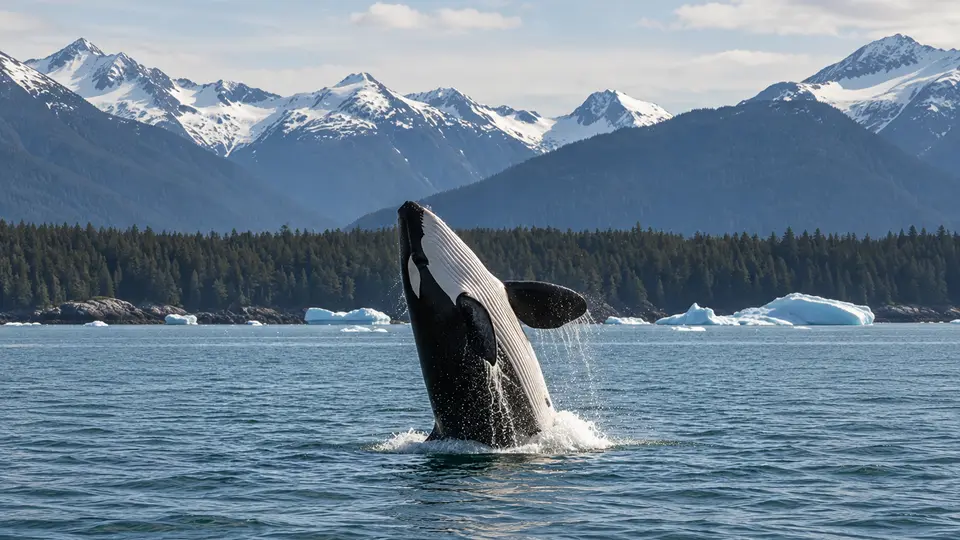
Killer Whale in its natural habitat, AI illustration

Killer Whale: where and when to see them

Orcinus orca

Killer Whale at a glance

The killer whale, or orca, is the largest member of the dolphin family and a highly adaptable marine predator. Its black-and-white pattern and tall dorsal fin can sometimes be recognized from distant headlands or vessel decks. Different populations have distinctive diets, social traditions and movement patterns, so observations in one region should not be generalized worldwide. Some populations are severely threatened even though the species occurs across all major oceans.

Behaviour & reproduction

Size
5-8 m long
Weight
3-6 tonnes
Lifespan
30-80 years, varying by sex and population
Status
Data Deficient

Orcas live in structured social groups whose relationships vary among populations. In some fish-eating communities, offspring remain closely associated with their mothers throughout life. Groups coordinate movements and may cooperate during hunting, using learned techniques suited to particular prey. Vocal traditions can differ between family groups. From shore or a deck, observers usually see only brief surfacing sequences, which reveal little of the animals' activity beneath the surface. Communication within a pod is complex, involving clicks, whistles, and pulsed calls, often specific to their dialect. Pods can number from a few individuals to dozens, and their social structures are among the most complex known for non-human mammals.

Top wildlife locations

Alaska wildlife habitat

Alaska

Coastal channels and headlands overlooking productive nearshore waters allow distant shore or deck watching. Access to suitable viewpoints may require regional travel, and different orca populations move unpredictably through these large marine areas.

Adventure cruises in Alaska
Norway wildlife habitat

Norway

Northern fjords and coastal straits can support distant watching from accessible shores or vessel decks when herring gather. Productive areas shift between years, and some locations are remote or inaccessible during severe winter weather.

Adventure cruises in Norway
Scotland wildlife habitat

Scotland

Northern island headlands, especially around Shetland and Orkney, offer distant views across coastal channels. Sightings remain unpredictable, remote viewpoints may require dedicated excursions, and mainland west-coast animals should not be assumed equally observable.

Adventure cruises in Scotland
Antarctica wildlife habitat

Antarctica

Watch distant channels and ice margins from permitted coastal viewpoints or vessel decks. Orcas range widely, shore access is tightly managed, and most opportunities depend on the route rather than any dependable landing locality.

Adventure cruises in Antarctica

Destinations describe the species' habitat, not guaranteed cruise stops. Some animals require an optional inland excursion or are found in restricted reserves.

Fun facts about the Killer Whale

  • Orcas are dolphins, not members of the baleen-whale group.
  • Adult males develop much taller dorsal fins than females.
  • Some populations maintain distinctive vocal dialects.
  • Older females can play important leadership roles in family groups.

Best time to see the Killer Whale

Useful viewing windows differ sharply by destination: summer coastal travel in Alaska and Scotland, winter herring-associated movements in northern Norway, and the austral expedition season around Antarctica. These are practical observation periods, not universal breeding seasons, and prey shifts can change opportunities between years. In Alaska, summer offers extended daylight hours for sightings, especially near productive fishing grounds or channels. Arctic voyages in spring and autumn can also provide opportunities to spot them amidst sea ice, particularly when following migrating prey.

Killer Whale: season matrix by destination

Travel and observation windows vary by region. Highlighted months are an orientation for planning, not confirmed sightings or a guarantee of access.

Alaska

Longer daylight and seasonal coastal travel make this a practical window; orcas may occur outside it, and sightings depend on prey and movements.

JanFebMarAprMayJunJulAugSepOctNovDec
Cruise ships in Alaska

Norway

This window reflects recent winter herring-associated opportunities in northern Norway, not guaranteed presence; darkness, weather and changing fish distribution limit observation.

JanFebMarAprMayJunJulAugSepOctNovDec
Cruise ships in Norway

Scotland

Long summer daylight supports coastal watching; occurrence varies, and this window does not represent a fixed breeding or migration season.

JanFebMarAprMayJunJulAugSepOctNovDec
Cruise ships in Scotland

Antarctica

The austral travel season provides access and daylight; ice, weather, prey and itinerary determine opportunities rather than a guaranteed orca season.

JanFebMarAprMayJunJulAugSepOctNovDec
Cruise ships in Antarctica

Where the Killer Whale lives

Orcas occupy coastal and offshore seas from polar regions to the tropics, with especially conspicuous populations in productive cool waters. Channels, continental shelves, fjords and ice margins may concentrate prey. Their presence near any particular shore depends on population movements and changing food distribution. They are the most widely distributed marine mammal, found in every ocean basin globally. Specific types or ecotypes often show fidelity to certain habitats, like offshore or inshore waters, correlating with their specialized diets.

What the Killer Whale eats

Diet is population-specific. Some orcas specialize in fish, including salmon or herring, while others hunt marine mammals, sharks or other prey. Learned specializations can persist across generations. A group seen near a seal colony should not automatically be assumed to be hunting seals. Despite their 'killer whale' moniker, their diet is incredibly diverse; some populations primarily consume fish, while others focus on marine mammals. They are apex predators, sitting at the top of the food chain in all their environments and have no natural predators.

Species at a glance

Common name
Killer Whale
Scientific name
Orcinus orca
Animal group
Mammals
Size
5-8 m long
Weight
3-6 tonnes
Lifespan
30-80 years, varying by sex and population
Status
Data Deficient
Identification
Unlike most other dolphins, an orca has a bold white eye patch, a pale saddle behind the dorsal fin and, in adult males, an exceptionally tall upright dorsal fin. The shape of the dorsal fin, the size and shape of the eye patch, and any nicks or scratches on the fin or saddle patch are unique to individuals and can be used for photo identification. Different ecotypes can also be distinguished by subtle variations in their body shape, size, and markings.

Killer Whale: frequently asked questions

Where can I see the Killer Whale?
Alaska, Norway, Scotland, Antarctica. Use binoculars from stable coastal viewpoints or a compliant vessel's deck. Never request pursuit, interception or closer approaches. Stay behind railings and away from exposed cliff edges; distant fins may be brief and identification uncertain. Be alert for characteristic blows, which are less bushy than those of baleen whales. Maintaining a respectful distance is crucial for their welfare and for observing natural behaviors without disturbance, as sudden changes can stress them.
When is the best time to see the Killer Whale?
Useful viewing windows differ sharply by destination: summer coastal travel in Alaska and Scotland, winter herring-associated movements in northern Norway, and the austral expedition season around Antarctica. These are practical observation periods, not universal breeding seasons, and prey shifts can change opportunities between years. In Alaska, summer offers extended daylight hours for sightings, especially near productive fishing grounds or channels. Arctic voyages in spring and autumn can also provide opportunities to spot them amidst sea ice, particularly when following migrating prey.
How big does the Killer Whale get?
5-8 m long. Adult weight: 3-6 tonnes. Size varies with age, sex and population.
How should I behave around the Killer Whale?
Use binoculars from stable coastal viewpoints or a compliant vessel's deck. Never request pursuit, interception or closer approaches. Stay behind railings and away from exposed cliff edges; distant fins may be brief and identification uncertain. Be alert for characteristic blows, which are less bushy than those of baleen whales. Maintaining a respectful distance is crucial for their welfare and for observing natural behaviors without disturbance, as sudden changes can stress them.
What does the Killer Whale eat?
Diet is population-specific. Some orcas specialize in fish, including salmon or herring, while others hunt marine mammals, sharks or other prey. Learned specializations can persist across generations. A group seen near a seal colony should not automatically be assumed to be hunting seals. Despite their 'killer whale' moniker, their diet is incredibly diverse; some populations primarily consume fish, while others focus on marine mammals. They are apex predators, sitting at the top of the food chain in all their environments and have no natural predators.
Are wildlife sightings guaranteed on an adventure cruise?
No. Animals move freely and routes, weather, access restrictions and local conditions influence every outing. Confirm the actual itinerary and shore program before booking.

Compare wildlife in the same destinations

Explore other mammals recorded in these destinations. Similar surroundings do not mean the animals share the same habits or viewing season.

Species comparison by animal group and destination
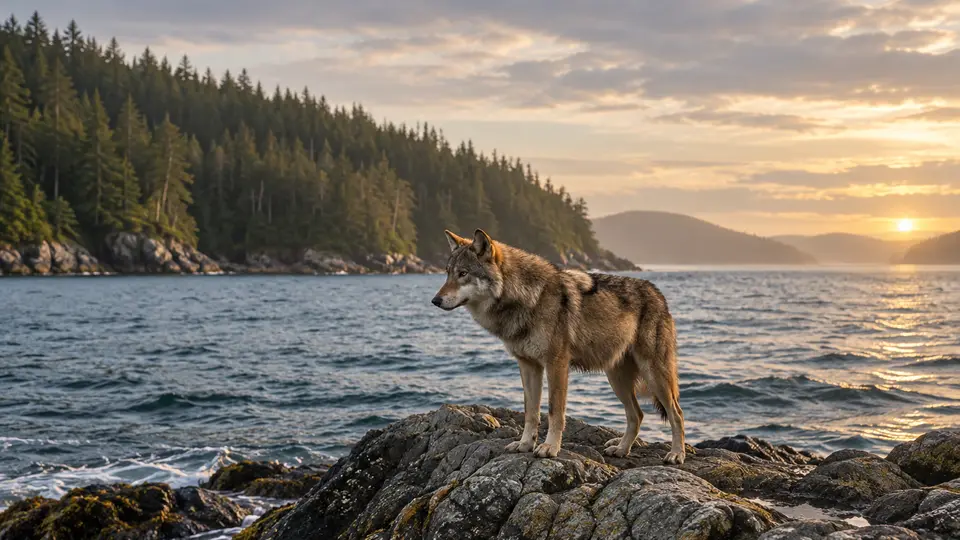
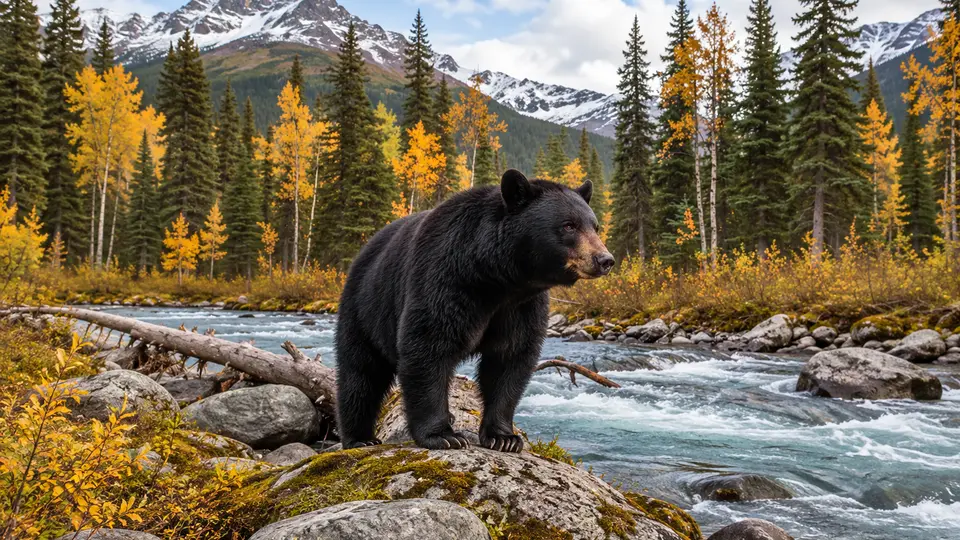
Killer WhaleKiller WhaleAlexander Archipelago WolfAlexander Archipelago WolfAmerican Black BearAmerican Black Bear
Animal groupMammalsAnimal groupMammalsAnimal groupMammals
DestinationsAlaska, Norway, Scotland, AntarcticaDestinationsAlaskaDestinationsAlaska, New England
All wildlife destinations
Plan your trip

Find your next wildlife adventure

Compare destinations, shore programs and dates with the animals and habitats you would love to see.

  • Naturalist-led shore excursions
  • Responsible wildlife watching
  • Small expedition ships

Newsletter

Take Blue Rides with you

Adventure cruise offers, last-minute deals and trip inspiration.

Free, unsubscribe anytime. Details: Privacy Policy

Partner with Blue Rides

Affiliate Program

Recommend adventure cruises and earn commission on every confirmed booking.

Share. Track. Earn.

Your footage, our stage

Send us your videos or pictures.

Captured beautiful landscapes or wildlife? Share your videos and pictures with us, we may feature them on Blue Rides.