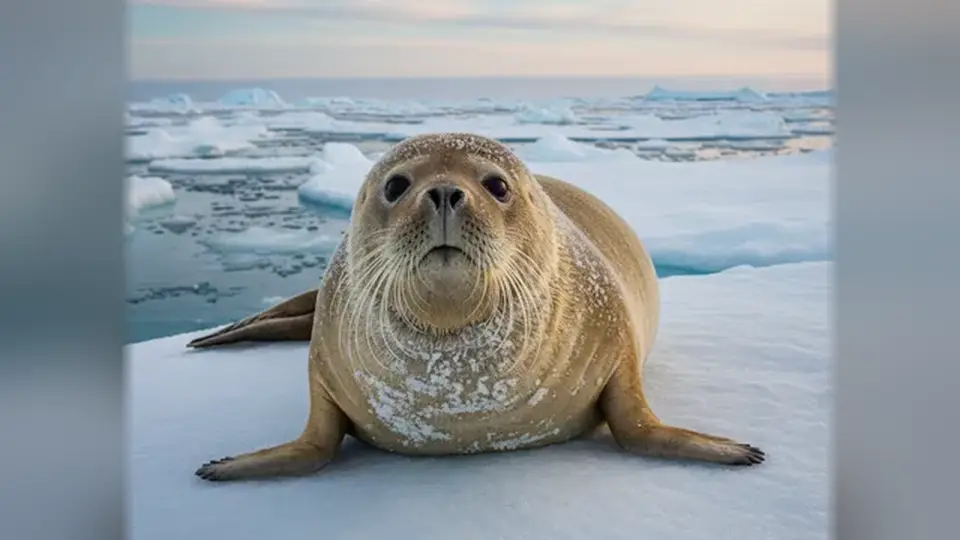
Grey Seal in its natural habitat, AI illustration
Size1.6–2.6 m longLifespan25–35 yearsStatusLeast Concern

Grey Seal: where and when to see them

Halichoerus grypus

Grey Seal at a glance

The grey seal is a large North Atlantic marine mammal with a long muzzle and pronounced differences between males and females. Males are generally larger, darker and heavier-headed, while females often show lighter coats with dark blotches. Scotland and Norway both support colonies on exposed coasts and islands. Seals resting ashore are carrying out essential activities, including digestion, moulting and breeding, rather than waiting to return immediately to the sea.

Behaviour & reproduction

Size
1.6–2.6 m long
Weight
100–300 kg
Lifespan
25–35 years
Status
Least Concern

Grey seals alternate marine feeding trips with periods resting ashore on rocks, sand or shingle. They may gather densely at suitable haul-outs but retain individual spacing through vocalizations and defensive movements. During breeding, males compete for access to females, and mothers nurse pups on land for a short, intensive period. Young pups initially have white coats. Disturbance can cause sudden movement toward the water, risking injury or separation in crowded groups. Grey seals alternate marine feeding trips with periods resting ashore on rocks, sand or shingle. They may gather densely at suitable haul-outs but retain individual spacing through vocalizations and defensive movements. During breeding, males compete for access to females, and mothers nurse pups on land for a short, intensive period. Young pups initially have white coats. Disturbance can cause sudden movement toward the water, risking injury or separation in crowded groups. Pups are weaned rapidly, typically within three weeks, after which they are left to fend for themselves. Adult seals are known to migrate considerable distances between feeding grounds and breeding colonies.

Top wildlife locations

Norway wildlife habitat

Norway

Outer-coast skerries and exposed rocky shores provide haul-out habitat visible from some mainland viewpoints or passing decks. Many colonies are inaccessible or protected, and inner fjords should not be assumed equally suitable.

Adventure cruises in Norway
Scotland wildlife habitat

Scotland

Rocky headlands, island shores and designated coastal viewpoints can overlook resting seals. Some breeding beaches close seasonally, while offshore colonies remain inaccessible without authorized transport; distant mainland views avoid disturbing crowded haul-outs.

Adventure cruises in Scotland

Destinations describe the species' habitat, not guaranteed cruise stops. Some animals require an optional inland excursion or are found in restricted reserves.

Fun facts about the Grey Seal

  • Males can weigh substantially more than females.
  • Pups are born with a pale, woolly coat that is shed before normal marine life.
  • Females nurse pups with exceptionally fat-rich milk.
  • Individual coat patterns can help researchers recognize returning animals.

Best time to see the Grey Seal

Both destinations offer potential year-round coastal observation, but colony use changes with tides, breeding and moult. Scottish pupping generally occurs in autumn, with regional variation, while Norwegian timing also varies geographically. Summer may offer easier travel without representing the peak breeding period. Both destinations offer potential year-round coastal observation, but colony use changes with tides, breeding and moult. Scottish pupping generally occurs in autumn, with regional variation, while Norwegian timing also varies geographically. Summer may offer easier travel without representing the peak breeding period. The post-breeding moult period in spring and early summer also sees large numbers of seals ashore, offering good viewing opportunities. During autumn, particularly in Scotland, visitors may witness the dramatic breeding season with thousands of seals on land.

Grey Seal: season matrix by destination

Travel and observation windows vary by region. Highlighted months are an orientation for planning, not confirmed sightings or a guarantee of access.

Norway

Longer daylight and generally easier coastal travel support observation; regional breeding dates extend beyond this practical travel window.

JanFebMarAprMayJunJulAugSepOctNovDec
Cruise ships in Norway

Scotland

This window combines accessible spring-summer watching with autumn pupping at some sites; local closures and tides take precedence.

JanFebMarAprMayJunJulAugSepOctNovDec
Cruise ships in Scotland

Where the Grey Seal lives

They occupy temperate and subarctic coastal waters, using rocky skerries, offshore islands, beaches and sandbanks for resting and breeding. Reliable access between land and sea is important. Exposed colony sites may be visible from distant headlands but inaccessible or closed to visitors. They occupy temperate and subarctic coastal waters, using rocky skerries, offshore islands, beaches and sandbanks for resting and breeding. Reliable access between land and sea is important. Exposed colony sites may be visible from distant headlands but inaccessible or closed to visitors. These seals often use remote, uninhabited islands and islets as primary breeding and resting locations. Their preferred haul-out sites are typically sheltered from strong wave action but remain close to rich foraging areas.

What the Grey Seal eats

Grey seals eat a varied range of fish, including sandeels, cod-family fishes and flatfish, with cephalopods and other marine prey taken locally. Diet reflects regional availability and individual specialization. Their feeding grounds can lie well beyond the coast where observers see them resting. Grey seals eat a varied range of fish, including sandeels, cod-family fishes and flatfish, with cephalopods and other marine prey taken locally. Diet reflects regional availability and individual specialization. Their feeding grounds can lie well beyond the coast where observers see them resting. They are opportunistic predators, often foraging close to the seabed. Adult seals consume several kilograms of food daily, highlighting their role as apex predators in coastal ecosystems.

Species at a glance

Common name
Grey Seal
Scientific name
Halichoerus grypus
Animal group
Mammals
Size
1.6–2.6 m long
Weight
100–300 kg
Lifespan
25–35 years
Status
Least Concern
Identification
Compared with the harbour seal, it has a longer, straighter muzzle and more widely separated nostrils rather than a compact, catlike face with a clear V-shaped nostril pattern. Compared with the harbour seal, it has a longer, straighter muzzle and more widely separated nostrils rather than a compact, catlike face with a clear V-shaped nostril pattern. Adult males, known as bulls, are generally larger and often have darker pelage with fewer spots than females. Grey seals also possess a distinctive Roman nose profile, particularly noticeable in older males.

Grey Seal: frequently asked questions

Where can I see the Grey Seal?
Norway, Scotland. Use a telescope from established viewpoints and keep dogs leashed well away. Never stand between seals and the water or approach a lone pup; its mother may be nearby. Retreat if animals become alert. Use a telescope from established viewpoints and keep dogs leashed well away. Never stand between seals and the water or approach a lone pup; its mother may be nearby. Retreat if animals become alert. From a boat, maintain a respectful distance of at least 100 meters, approaching slowly and never directly. Look for groups hauled out on low-lying rocks or sandbanks that become exposed at low tide, often identifiable by their cigar-like shape.
When is the best time to see the Grey Seal?
Both destinations offer potential year-round coastal observation, but colony use changes with tides, breeding and moult. Scottish pupping generally occurs in autumn, with regional variation, while Norwegian timing also varies geographically. Summer may offer easier travel without representing the peak breeding period. Both destinations offer potential year-round coastal observation, but colony use changes with tides, breeding and moult. Scottish pupping generally occurs in autumn, with regional variation, while Norwegian timing also varies geographically. Summer may offer easier travel without representing the peak breeding period. The post-breeding moult period in spring and early summer also sees large numbers of seals ashore, offering good viewing opportunities. During autumn, particularly in Scotland, visitors may witness the dramatic breeding season with thousands of seals on land.
How big does the Grey Seal get?
1.6–2.6 m long. Adult weight: 100–300 kg. Size varies with age, sex and population.
How should I behave around the Grey Seal?
Use a telescope from established viewpoints and keep dogs leashed well away. Never stand between seals and the water or approach a lone pup; its mother may be nearby. Retreat if animals become alert. Use a telescope from established viewpoints and keep dogs leashed well away. Never stand between seals and the water or approach a lone pup; its mother may be nearby. Retreat if animals become alert. From a boat, maintain a respectful distance of at least 100 meters, approaching slowly and never directly. Look for groups hauled out on low-lying rocks or sandbanks that become exposed at low tide, often identifiable by their cigar-like shape.
What does the Grey Seal eat?
Grey seals eat a varied range of fish, including sandeels, cod-family fishes and flatfish, with cephalopods and other marine prey taken locally. Diet reflects regional availability and individual specialization. Their feeding grounds can lie well beyond the coast where observers see them resting. Grey seals eat a varied range of fish, including sandeels, cod-family fishes and flatfish, with cephalopods and other marine prey taken locally. Diet reflects regional availability and individual specialization. Their feeding grounds can lie well beyond the coast where observers see them resting. They are opportunistic predators, often foraging close to the seabed. Adult seals consume several kilograms of food daily, highlighting their role as apex predators in coastal ecosystems.
Are wildlife sightings guaranteed on an adventure cruise?
No. Animals move freely and routes, weather, access restrictions and local conditions influence every outing. Confirm the actual itinerary and shore programme before booking.

Compare wildlife in the same destinations

Explore other mammals recorded in these destinations. Similar surroundings do not mean the animals share the same habits or viewing season.

Species comparison by animal group and destination
Grey SealGrey SealArctic FoxArctic FoxBearded SealBearded Seal
Animal groupMammalsAnimal groupMammalsAnimal groupMammals
DestinationsNorway, ScotlandDestinationsNorway, ArcticDestinationsNorway, Arctic
All wildlife destinations
Plan your trip

Find your next wildlife adventure

Compare destinations, shore programmes and dates with the animals and habitats you would love to see.

  • Naturalist-led shore excursions
  • Responsible wildlife watching
  • Small expedition ships

Newsletter

Take Blue Rides with you

Adventure cruise offers, last-minute deals and trip inspiration.

Free, unsubscribe anytime. Details: Privacy Policy

Partner with Blue Rides

Affiliate Program

Recommend adventure cruises and earn commission on every confirmed booking.

Share. Track. Earn.