Grey-headed Kingfisher in its natural habitat, AI illustration
Size21–23 cm longLifespanNot reliably establishedStatusLeast Concern

Grey-headed Kingfisher: where and when to see them

Halcyon leucocephala

Grey-headed Kingfisher at a glance

The grey-headed kingfisher is a vividly colored bird of Africa and parts of Arabia, with an established island form in Cape Verde. A grey head, chestnut belly, blue wings and red bill create a distinctive combination. Despite its family name, it often hunts well away from water and relies heavily on terrestrial prey. In Cape Verde, cultivated valleys and wooded ravines are more relevant viewing habitats than open beaches or exposed seacliffs.

Behaviour & reproduction

Size
21–23 cm long
Weight
40–55 g
Lifespan
Not reliably established
Status
Least Concern

This kingfisher typically hunts from a low exposed perch, watching the ground before dropping onto prey and returning to a branch or wire. It may beat larger prey against the perch before swallowing. Pairs excavate nesting tunnels in earthen banks, where eggs and young remain concealed from view. Some mainland populations migrate, but that pattern should not be applied automatically to Cape Verde's resident island birds or used to predict their local abundance. This species exhibits a characteristic 'head-bobbing' display when alert or before striking prey. Pairs often maintain small territories, communicating with their distinctive calls to mark their presence.

Top wildlife locations

Cape Verde wildlife habitat

Cape Verde

Vegetated ravines, cultivated valleys and gardens on suitable islands offer habitat, sometimes near coastal settlements. A dedicated inland valley excursion is often needed; open beaches and arid port surroundings are poor substitutes.

Adventure cruises in Cape Verde
Destinations describe the species' habitat, not guaranteed cruise stops. Some animals require an optional inland excursion or are found in restricted reserves.

Fun facts about the Grey-headed Kingfisher

  • Cape Verde birds are generally assigned to the endemic subspecies acteon.
  • It often hunts insects rather than fish.
  • The nest lies at the end of a tunnel excavated in an earthen bank.
  • Its bright blue wings can be much more conspicuous in flight than when perched.

Best time to see the Grey-headed Kingfisher

Cape Verde's resident birds may be observed throughout the year in suitable habitat. Cooler, generally drier months can make valley walks more comfortable. Rainfall influences vegetation and prey, but a simple travel-season recommendation should not be interpreted as a verified island-wide breeding schedule. Breeding activity in Cape Verde is typically aligned with the rainy season, when insect abundance peaks to support growing young. This makes the late wet season and early dry season particularly productive for observing family groups.

Grey-headed Kingfisher: season matrix by destination

Travel and observation windows vary by region. Highlighted months are an orientation for planning, not confirmed sightings or a guarantee of access.

Cape Verde

These generally comfortable walking months are a travel window; resident birds may occur year-round and breeding timing needs local confirmation.

JanFebMarAprMayJunJulAugSepOctNovDec
Cruise ships in Cape Verde

Where the Grey-headed Kingfisher lives

It occupies open woodland, savanna, cultivated ground and wooded watercourses rather than depending exclusively on aquatic habitats. In Cape Verde, vegetated valleys, gardens and agricultural areas with perches and earthen banks are relevant. Barren coastal stretches usually offer limited habitat and poor viewing prospects. While adaptable, a preference for areas with scattered trees or shrubs and access to soft soil for nesting is often noted. In Cape Verde, the presence of mature trees provides vital perching and nesting sites, even in disturbed areas.

What the Grey-headed Kingfisher eats

Large terrestrial insects, including grasshoppers and beetles, are major foods. Spiders, scorpions and small vertebrates may also be taken. It generally captures prey from the ground after watching from a perch, making the term kingfisher a poor guide to its usual feeding habits. It is an opportunistic feeder and will readily consume orthopterans such as crickets and locusts, which are common in many terrestrial habitats. Its diet reflects the local availability of ground-dwelling invertebrates, rather than aquatic species.

Species at a glance

Common name
Grey-headed Kingfisher
Scientific name
Halcyon leucocephala
Animal group
Birds
Size
21–23 cm long
Weight
40–55 g
Lifespan
Not reliably established
Status
Least Concern
Identification
Its grey head, chestnut underparts and vivid blue wings distinguish it from woodland kingfishers, which have much paler underparts and lack the same chestnut belly. The deep chestnut belly is a key field mark that immediately sets it apart from other kingfisher species that might occur in similar open habitats. Note the relatively large head and sturdy bill, typical of a terrestrial hunter.

Grey-headed Kingfisher: frequently asked questions

Where can I see the Grey-headed Kingfisher?
Cape Verde. Search quietly from established valley paths, watching wires and low branches. Keep clear of earthen banks with nest entrances, and do not use playback or inspect tunnels. Carry water on hot, exposed walks. Listen for its distinctive, trilling call, which can often betray its presence before it is seen. A patient approach and scanning open areas from a vantage point are often rewarded.
When is the best time to see the Grey-headed Kingfisher?
Cape Verde's resident birds may be observed throughout the year in suitable habitat. Cooler, generally drier months can make valley walks more comfortable. Rainfall influences vegetation and prey, but a simple travel-season recommendation should not be interpreted as a verified island-wide breeding schedule. Breeding activity in Cape Verde is typically aligned with the rainy season, when insect abundance peaks to support growing young. This makes the late wet season and early dry season particularly productive for observing family groups.
How big does the Grey-headed Kingfisher get?
21–23 cm long. Adult weight: 40–55 g. Size varies with age, sex and population.
How should I behave around the Grey-headed Kingfisher?
Search quietly from established valley paths, watching wires and low branches. Keep clear of earthen banks with nest entrances, and do not use playback or inspect tunnels. Carry water on hot, exposed walks. Listen for its distinctive, trilling call, which can often betray its presence before it is seen. A patient approach and scanning open areas from a vantage point are often rewarded.
What does the Grey-headed Kingfisher eat?
Large terrestrial insects, including grasshoppers and beetles, are major foods. Spiders, scorpions and small vertebrates may also be taken. It generally captures prey from the ground after watching from a perch, making the term kingfisher a poor guide to its usual feeding habits. It is an opportunistic feeder and will readily consume orthopterans such as crickets and locusts, which are common in many terrestrial habitats. Its diet reflects the local availability of ground-dwelling invertebrates, rather than aquatic species.
Are wildlife sightings guaranteed on an adventure cruise?
No. Animals move freely and routes, weather, access restrictions and local conditions influence every outing. Confirm the actual itinerary and shore programme before booking.

Compare wildlife in the same destinations

Explore other birds recorded in these destinations. Similar surroundings do not mean the animals share the same habits or viewing season.

Species comparison by animal group and destination
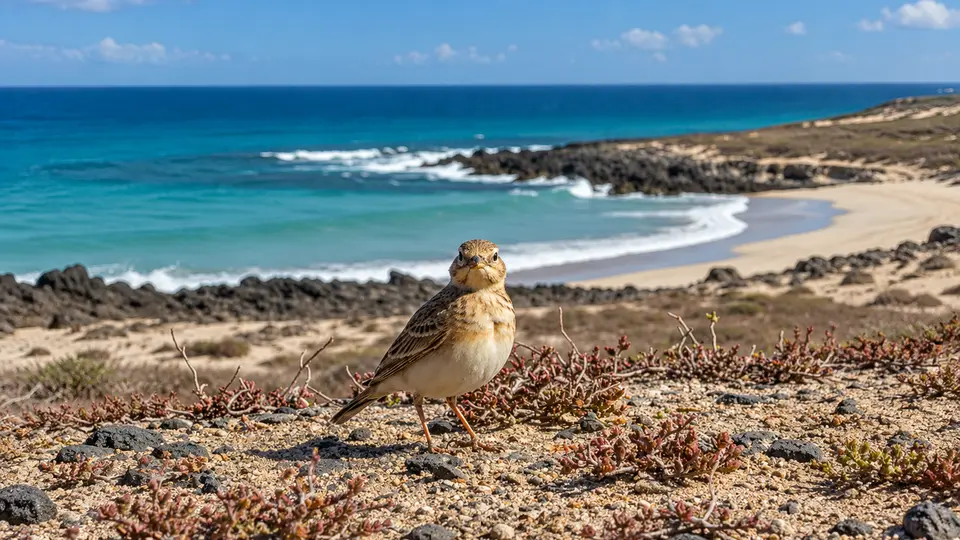
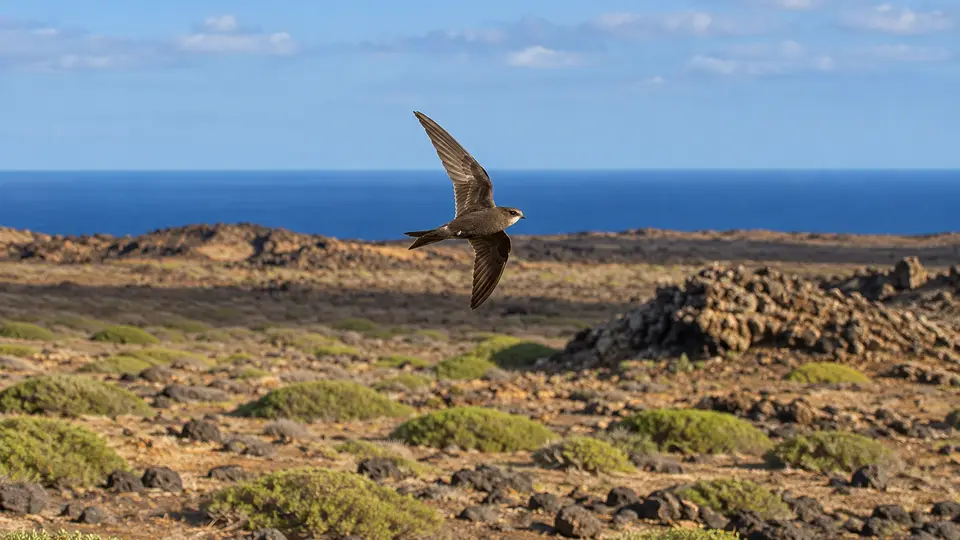
Grey-headed KingfisherGrey-headed KingfisherAlexander's SwiftAlexander's SwiftBar-tailed LarkBar-tailed Lark
Animal groupBirdsAnimal groupBirdsAnimal groupBirds
DestinationsCape VerdeDestinationsCape VerdeDestinationsCape Verde
All wildlife destinations
Plan your trip

Find your next wildlife adventure

Compare destinations, shore programmes and dates with the animals and habitats you would love to see.

  • Naturalist-led shore excursions
  • Responsible wildlife watching
  • Small expedition ships

Newsletter

Take Blue Rides with you

Adventure cruise offers, last-minute deals and trip inspiration.

Free, unsubscribe anytime. Details: Privacy Policy

Partner with Blue Rides

Affiliate Program

Recommend adventure cruises and earn commission on every confirmed booking.

Share. Track. Earn.