Fishing cat in its natural habitat, AI illustration

Fishing cat: where and when to see them

Prionailurus viverrinus

Fishing cat at a glance

The fishing cat is a robust, wetland-associated small cat of South and Southeast Asia. Its spotted grey-brown coat, broad head and relatively short tail suit a predator that often works along muddy banks and dense waterside vegetation. Distribution is fragmented, and apparent habitat suitability does not prove that a population survives locally. Wetland drainage, persecution and accidental capture threaten the species, making careful verification especially important in countries where recent evidence is scarce.

Behaviour & reproduction

Size
57–85 cm head-and-body length
Weight
5–16 kg
Lifespan
Not reliably established
Status
Vulnerable

Fishing cats are generally solitary and most active at night or around twilight. They patrol wetland edges, investigate shallow water and seize prey with their jaws or forefeet. Capable swimmers, they also travel and hunt on land, using dense vegetation for concealment. Individuals communicate through scent marks and vocalisations. Females raise kittens in sheltered sites. Their secretive habits mean tracks and camera-trap records reveal far more than casual observation usually does. They possess an unusual hunting technique involving 'fishing' with their paws, scooping fish out of the water. Mothers are fiercely protective of their young, which typically number two or three kittens per litter.

Top wildlife locations

Thailand wildlife habitat

Thailand

Coastal marshes and fishpond landscapes around confirmed populations, including the Khao Sam Roi Yot region, provide plausible habitat. Sightings are rare, and a separately arranged wetland excursion is needed rather than a routine beach visit.

Adventure cruises in Thailand
Vietnam wildlife habitat

Vietnam

Southern coastal wetlands and mangroves resemble suitable habitat, but current fishing-cat presence is poorly resolved. Any investigation would require a specialist inland or wetland excursion; ordinary shore viewing is not a credible expectation.

Adventure cruises in Vietnam

Destinations describe the species' habitat, not guaranteed cruise stops. Some animals require an optional inland excursion or are found in restricted reserves.

Fun facts about the Fishing cat

  • Fishing cats are accomplished swimmers.
  • Their claws are not completely concealed when retracted.
  • They have dense fur suited to frequent contact with water.
  • Despite the name, they also hunt terrestrial animals.

Best time to see the Fishing cat

There is no dependable tourist viewing season. In Thailand, November to February can offer more comfortable wetland walking conditions, but sightings remain rare. For Vietnam, current local occurrence requires verification before any seasonal advice would be meaningful; general travel seasons are not species evidence. In general, the dry season (typically November to April) in Southeast Asia might concentrate prey in fewer water bodies, potentially increasing activity near permanent wetlands. However, their elusive nature means chances of a sighting remain exceptionally low even under ideal conditions.

Fishing cat: season matrix by destination

Travel and observation windows vary by region. Highlighted months are an orientation for planning, not confirmed sightings or a guarantee of access.

Thailand

A generally comfortable wetland travel window, not a proven peak in cat activity; use current local conservation advice.

JanFebMarAprMayJunJulAugSepOctNovDec
Cruise ships in Thailand

Vietnam

Uncertain contemporary occurrence prevents a defensible species-viewing window; countrywide travel seasons cannot resolve that uncertainty.

JanFebMarAprMayJunJulAugSepOctNovDec
Cruise ships in Vietnam

Where the Fishing cat lives

Marshes, reedbeds, mangroves, floodplain vegetation and other densely covered wetlands provide important habitat. Some cats use modified coastal landscapes, including fishpond margins, where food and refuge persist. Suitable-looking wetlands may nevertheless lack cats because of hunting, isolation or historical habitat loss. They are often found near freshwater sources like rivers, oxbow lakes, and coastal lagoons. Habitat loss and degradation due to human encroachment, agriculture, and aquaculture are major threats across their range.

What the Fishing cat eats

Fish are important prey, but the diet also includes crustaceans, amphibians, rodents and birds. Hunting is opportunistic rather than exclusively aquatic. Around working wetlands, access to stocked ponds can create conflict with people, making non-lethal protection of livelihoods important for conservation. In some areas, they are known to consume snakes and even small mammals like deer fawns. Their diet reflects the local availability of prey, demonstrating significant dietary plasticity.

Species at a glance

Common name
Fishing cat
Scientific name
Prionailurus viverrinus
Animal group
Mammals
Size
57–85 cm head-and-body length
Weight
5–16 kg
Lifespan
Not reliably established
Status
Vulnerable
Identification
Its heavy build, broad muzzle, short ringed tail and rows of dark spots distinguish it from the smaller, longer-tailed leopard cat. Their pelage is typically grizzled grey to brown with distinctive dark spots arranged in longitudinal rows. Unlike many other cat species, their paws are partially webbed, aiding their aquatic lifestyle.

Fishing cat: frequently asked questions

Where can I see the Fishing cat?
Thailand, Vietnam. Watch quietly from approved wetland paths with a local conservation guide. Never bait cats, approach dens or trespass around fishponds. Keep distance from any animal and avoid exposed muddy banks, where unstable footing creates additional risk. Be aware that fishing cats are crepuscular and nocturnal, making daytime sightings highly improbable. Ethical wildlife viewing prioritizes minimal disturbance; never use spotlights or call devices to attract them.
When is the best time to see the Fishing cat?
There is no dependable tourist viewing season. In Thailand, November to February can offer more comfortable wetland walking conditions, but sightings remain rare. For Vietnam, current local occurrence requires verification before any seasonal advice would be meaningful; general travel seasons are not species evidence. In general, the dry season (typically November to April) in Southeast Asia might concentrate prey in fewer water bodies, potentially increasing activity near permanent wetlands. However, their elusive nature means chances of a sighting remain exceptionally low even under ideal conditions.
How big does the Fishing cat get?
57–85 cm head-and-body length. Adult weight: 5–16 kg. Size varies with age, sex and population.
How should I behave around the Fishing cat?
Watch quietly from approved wetland paths with a local conservation guide. Never bait cats, approach dens or trespass around fishponds. Keep distance from any animal and avoid exposed muddy banks, where unstable footing creates additional risk. Be aware that fishing cats are crepuscular and nocturnal, making daytime sightings highly improbable. Ethical wildlife viewing prioritizes minimal disturbance; never use spotlights or call devices to attract them.
What does the Fishing cat eat?
Fish are important prey, but the diet also includes crustaceans, amphibians, rodents and birds. Hunting is opportunistic rather than exclusively aquatic. Around working wetlands, access to stocked ponds can create conflict with people, making non-lethal protection of livelihoods important for conservation. In some areas, they are known to consume snakes and even small mammals like deer fawns. Their diet reflects the local availability of prey, demonstrating significant dietary plasticity.
Are wildlife sightings guaranteed on an adventure cruise?
No. Animals move freely and routes, weather, access restrictions and local conditions influence every outing. Confirm the actual itinerary and shore programme before booking.

Compare wildlife in the same destinations

Explore other mammals recorded in these destinations. Similar surroundings do not mean the animals share the same habits or viewing season.

Species comparison by animal group and destination
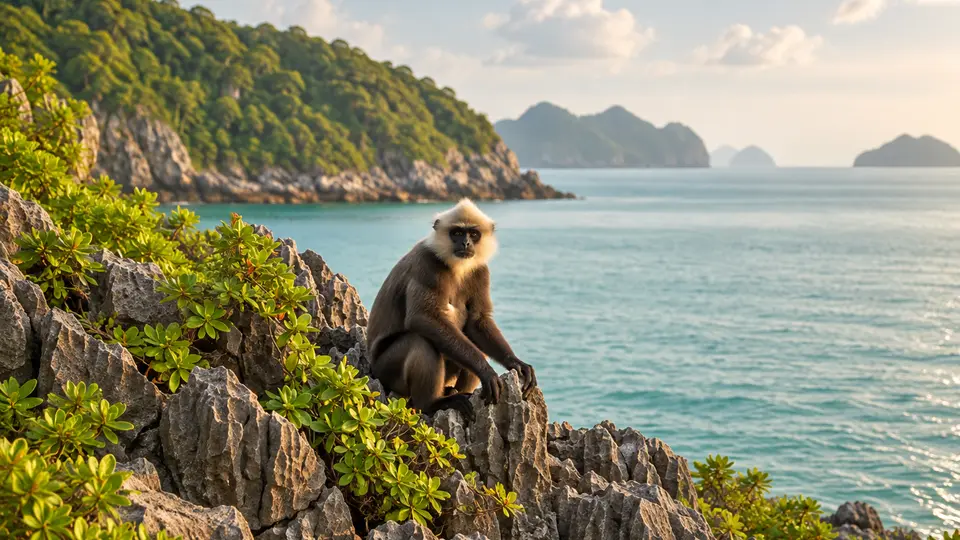
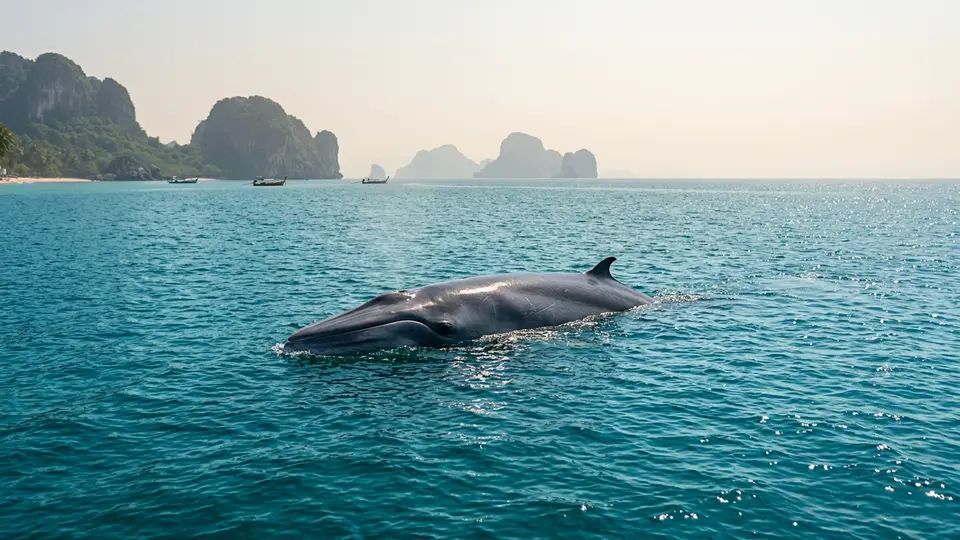
Fishing catFishing catBryde's WhaleBryde's WhaleCat Ba langurCat Ba langur
Animal groupMammalsAnimal groupMammalsAnimal groupMammals
DestinationsThailand, VietnamDestinationsGalapagos, Mexico, Egypt, Thailand, VietnamDestinationsVietnam
All wildlife destinations
Plan your trip

Find your next wildlife adventure

Compare destinations, shore programmes and dates with the animals and habitats you would love to see.

  • Naturalist-led shore excursions
  • Responsible wildlife watching
  • Small expedition ships

Newsletter

Take Blue Rides with you

Adventure cruise offers, last-minute deals and trip inspiration.

Free, unsubscribe anytime. Details: Privacy Policy

Partner with Blue Rides

Affiliate Program

Recommend adventure cruises and earn commission on every confirmed booking.

Share. Track. Earn.