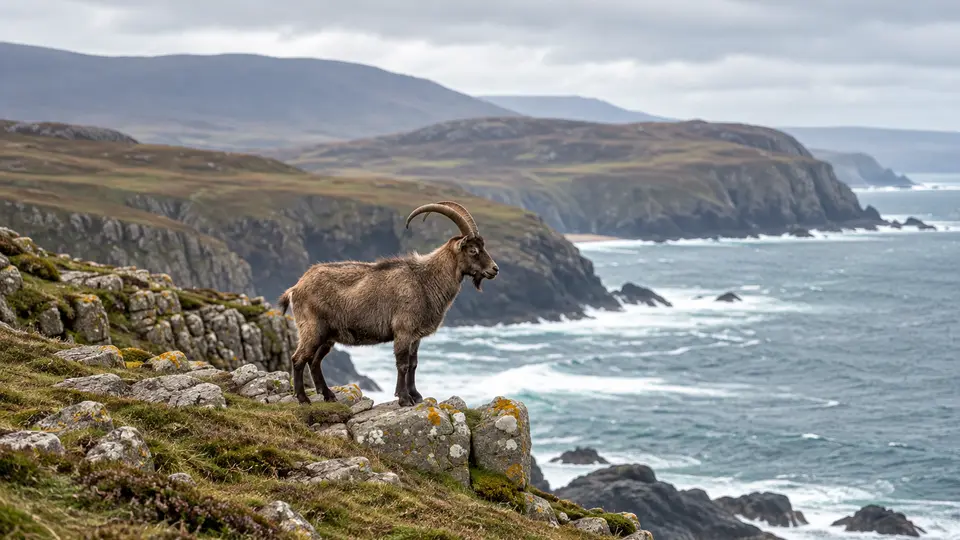
Feral Goat in its natural habitat, AI illustration

Feral GoatCapra hircusWhere and when to see them

Feral Goat at a glance

Scotland’s feral goats descend from domestic stock that established free-ranging populations, sometimes with long local histories. They are not a separate native wild goat species. Shaggy coats, sweeping horns and considerable variation in colour distinguish many Scottish herds. These adaptable herbivores occupy rugged landscapes where grazing animals have shaped vegetation for centuries. Their cultural interest sits alongside conservation concerns, because concentrated browsing can prevent woodland regeneration and damage sensitive plant communities.

Behaviour & reproduction

Size
60–90 cm at shoulder
Weight
25–80 kg
Lifespan
10–15 years
Status
Assessment varies

Females and young usually form social groups, while mature males may associate separately outside the autumn rut. During breeding, males display, scent-mark and clash horns to establish access to females. Goats move confidently over rocky slopes and switch between grazing and browsing as food availability changes. They often rest and ruminate in sheltered places during poor weather. Herds can become accustomed to people, but familiarity does not make horned adults safe to approach. Goats are highly agile climbers, using their cloven hooves and powerful leg muscles to navigate treacherous terrain with ease. They are active during the day, often seen grazing in the early morning and late afternoon.

Top wildlife locations

Scotland wildlife habitat

Scotland

Rocky coastal hillsides and open ground above sea lochs can support established herds. View from public paths where access is permitted; some populations occupy remote estates or islands requiring separate arrangements.
Destinations describe the species' habitat, not guaranteed cruise stops. Some animals require an optional inland excursion or are found in restricted reserves.

Fun facts about the Feral Goat

  • Both male and female goats can carry horns.
  • Their horizontal pupils help monitor a broad field around them while feeding.
  • Goats are ruminants with four stomach compartments.
  • Scottish feral herds may retain coat patterns and other traits inherited from historical domestic populations.

Best time to see the Feral Goat

Late spring through early autumn offers longer daylight and generally easier walking conditions in Scotland. Goats remain present throughout the year, although weather and herd movements affect visibility. Autumn rutting activity may be conspicuous, but observers should give competing males extra space. The late spring and summer months also offer the best chance to see young kids, typically born between March and June. Be mindful that changing weather can affect visibility at any time, requiring appropriate gear.

Feral Goat: season matrix by destination

Travel and observation windows vary by region. Highlighted months are an orientation for planning, not confirmed sightings or a guarantee of access.

Scotland

These months favour daylight and walking access, not a restricted period of goat presence; local herd distribution should be checked.

JanFebMarAprMayJunJulAugSepOctNovDec
Cruise ships in Scotland

Where the Feral Goat lives

Scottish populations use rocky coasts, sea cliffs, open hills, scrub and woodland margins. Access to varied vegetation and shelter matters more than a single habitat type. Some herds occupy remote peninsulas or islands, while others range across managed mainland estates. They often show a preference for south-facing slopes, which offer warmer conditions and earlier spring growth. While hardy, they seek natural shelters like caves or dense thickets during severe weather.

What the Feral Goat eats

Feral goats eat grasses, sedges, heather, leaves, shoots and woody browse. Their flexible feeding allows them to exploit steep, exposed ground, but repeated browsing of seedlings and stripping of bark can seriously restrict tree regeneration where goat densities are high. In coastal areas, they may consume seaweed, especially when other forage is scarce. Their ability to digest tough, fibrous plants contributes to their success in marginal environments.

Species at a glance

Common name
Feral Goat
Scientific name
Capra hircus
Animal group
Mammals
Size
60–90 cm at shoulder
Weight
25–80 kg
Lifespan
10–15 years
Status
Assessment varies
Identification
Compared with sheep, feral goats usually have backward-sweeping horns, a beard, a more upright tail and a browsing rather than predominantly grazing posture. Many Scottish feral goats exhibit a wide variety of coat colors and patterns, not just the common white or brown. Mature males, or 'billies', develop particularly impressive, often curved and ridged, horns that can exceed 60 cm in length.

Feral Goat: frequently asked questions

Where can I see the Feral Goat?
Scotland. Scan rocky coastal slopes from established paths with binoculars. Keep well clear of horned males and females with kids, never feed animals, and avoid pushing a herd toward cliffs or blocking its route to shelter. A spotting scope can enhance viewing of distant herds, allowing for detailed observation without disturbance. Look for white, brown, black, or pied coats against the rugged terrain, as their coloration provides effective camouflage.
When is the best time to see the Feral Goat?
Late spring through early autumn offers longer daylight and generally easier walking conditions in Scotland. Goats remain present throughout the year, although weather and herd movements affect visibility. Autumn rutting activity may be conspicuous, but observers should give competing males extra space. The late spring and summer months also offer the best chance to see young kids, typically born between March and June. Be mindful that changing weather can affect visibility at any time, requiring appropriate gear.
How big does the Feral Goat get?
60–90 cm at shoulder. Adult weight: 25–80 kg. Size varies with age, sex and population.
How should I behave around the Feral Goat?
Scan rocky coastal slopes from established paths with binoculars. Keep well clear of horned males and females with kids, never feed animals, and avoid pushing a herd toward cliffs or blocking its route to shelter. A spotting scope can enhance viewing of distant herds, allowing for detailed observation without disturbance. Look for white, brown, black, or pied coats against the rugged terrain, as their coloration provides effective camouflage.
What does the Feral Goat eat?
Feral goats eat grasses, sedges, heather, leaves, shoots and woody browse. Their flexible feeding allows them to exploit steep, exposed ground, but repeated browsing of seedlings and stripping of bark can seriously restrict tree regeneration where goat densities are high. In coastal areas, they may consume seaweed, especially when other forage is scarce. Their ability to digest tough, fibrous plants contributes to their success in marginal environments.
Are wildlife sightings guaranteed on an adventure cruise?
No. Animals move freely and routes, weather, access restrictions and local conditions influence every outing. Confirm the actual itinerary and shore program before booking.

Compare wildlife in the same destinations

Explore other mammals recorded in these destinations. Similar surroundings do not mean the animals share the same habits or viewing season.

Species comparison by animal group and destination
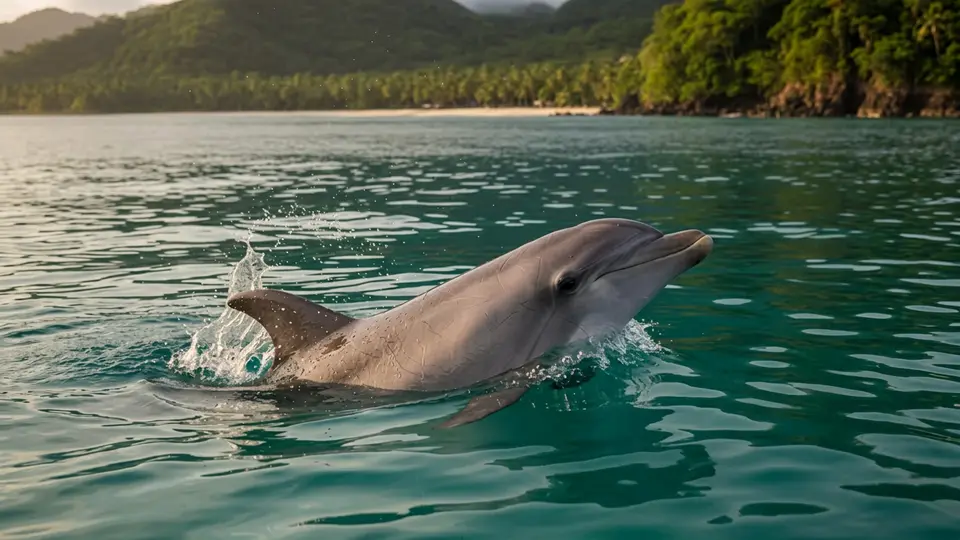
Feral GoatFeral GoatCommon Bottlenose DolphinCommon Bottlenose DolphinEurasian OtterEurasian Otter
Animal groupMammalsAnimal groupMammalsAnimal groupMammals
DestinationsScotlandDestinationsCosta Rica, Florida, Galapagos, Mexico, Cape Verde, Croatia, Greece, Portugal, Scotland, Seychelles, Turkey, Maldives, Australia, New ZealandDestinationsScotland, Turkey
All wildlife destinations
Plan your trip

Find your next wildlife adventure

Compare destinations, shore programs and dates with the animals and habitats you would love to see.

  • Naturalist-led shore excursions
  • Responsible wildlife watching
  • Small expedition ships

Newsletter

Take Blue Rides with you

Adventure cruise offers, last-minute deals and trip inspiration.

Free, unsubscribe anytime. Details: Privacy Policy

Partner with Blue Rides

Affiliate Program

Recommend adventure cruises and earn commission on every confirmed booking.

Share. Track. Earn.

Your footage, our stage

Send us your videos or pictures.

Captured remarkable nature or wildlife on your journey? Share it with us, we may feature it on Blue Rides.