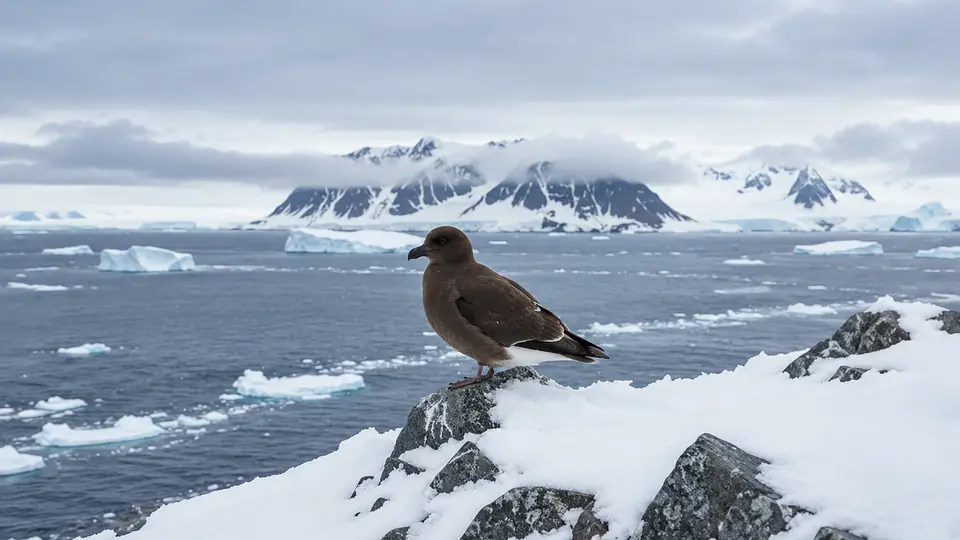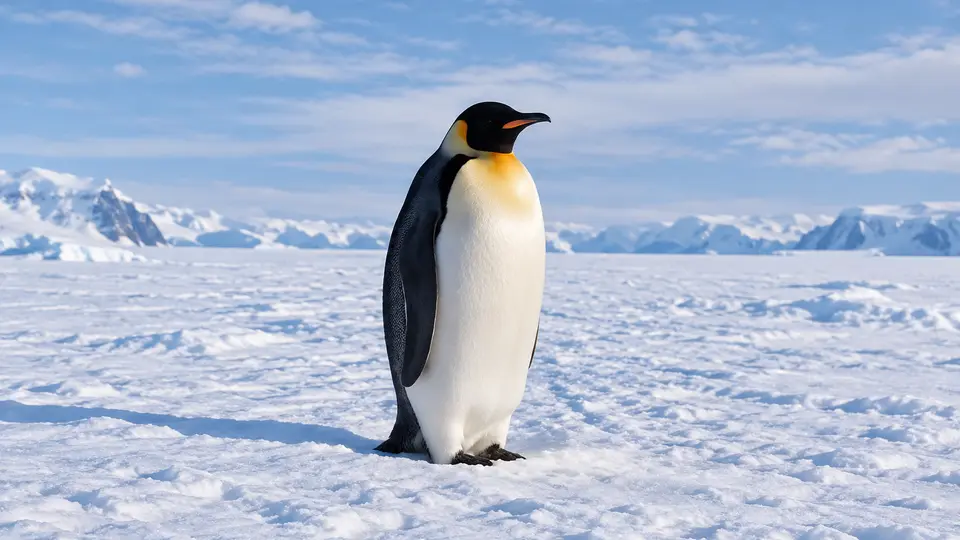
Emperor Penguin in its natural habitat, AI illustration

Emperor Penguin: where and when to see them

Aptenodytes forsteri

Emperor Penguin at a glance

The emperor penguin is the largest living penguin and the only one whose breeding cycle regularly spans the Antarctic winter. Most colonies depend on stable sea ice that remains intact long enough for chicks to develop. Adults have dark heads, pale bellies and yellow-orange neck patches. Their remarkable cold tolerance does not make them immune to environmental change: loss or early breakup of breeding ice can cause severe reproductive failure across affected colonies.

Behaviour & reproduction

Size
110-120 cm tall
Weight
22-45 kg
Lifespan
15-20 years
Status
Near Threatened

After the female lays a single egg, the male balances it on his feet beneath a warm fold of skin while she returns to feed at sea. Incubating males fast and form shifting huddles that reduce heat loss. Parents later alternate feeding journeys and chick care. Chicks eventually gather in groups while adults forage. Vocal recognition helps partners and young locate one another within a crowded colony, where individual calls are especially important. Emperor penguins exhibit remarkable diving adaptations, including solid bones to resist pressure and the ability to reduce their heart rate during extended dives. Their huddling behavior is a highly coordinated effort where individuals constantly rotate from the outside to the warmer interior of the group.

Top wildlife locations

Antarctica wildlife habitat

Antarctica

Remote fast-ice colonies are generally inaccessible on standard coastal visits and are not routine landings. Occasional birds may be visible from distant decks or authorized shore viewpoints, but encounters are rare and ice-dependent.

Adventure cruises in Antarctica
Destinations describe the species' habitat, not guaranteed cruise stops. Some animals require an optional inland excursion or are found in restricted reserves.

Fun facts about the Emperor Penguin

  • The male incubates the single egg on his feet.
  • Breeding males can fast for several months.
  • Huddles continually rearrange as birds adjust their positions.
  • Chicks must develop suitable juvenile plumage before leaving the breeding ice.

Best time to see the Emperor Penguin

October through December overlaps with late chick development and the beginning of the Antarctic visitor season, but most colonies remain beyond ordinary itineraries. Standard summer coastal travel offers only occasional distant encounters. Ice conditions, permits and logistics determine access, not a predictable public viewing season. Early summer trips might encounter adults returning to sea or newly hatched chicks huddled together. The challenging logistics of reaching their remote breeding grounds mean most encounters are distant, either from ice-breaking vessels or during helicopter excursions to specific sites, if permitted.

Emperor Penguin: season matrix by destination

Travel and observation windows vary by region. Highlighted months are an orientation for planning, not confirmed sightings or a guarantee of access.

Antarctica

These months overlap Antarctic coastal travel and late breeding or dispersal, not dependable access to emperor colonies; specialized permissions and suitable ice may be essential.

JanFebMarAprMayJunJulAugSepOctNovDec
Cruise ships in Antarctica

Where the Emperor Penguin lives

Emperors inhabit Antarctic coastal seas and breed predominantly on landfast sea ice, with a few colonies using other ice settings. Colonies can lie far from navigable water. Their dependence on suitable ice makes distribution and visitor access highly sensitive to annual conditions. These ice-dependent birds are uniquely adapted to the harsh Antarctic environment, living their entire lives in the Southern Ocean region. Their breeding colonies are often found in areas protected from strong winds, such as bays or behind icebergs.

What the Emperor Penguin eats

They feed on fish, Antarctic krill and squid, with proportions varying among colonies and seasons. Adults bring food back internally and regurgitate it for chicks. Their marine feeding grounds may be distant from breeding colonies, requiring lengthy journeys across ice and open sea. They are skilled deep divers, often reaching depths of over 500 meters in search of prey. This species uses its powerful flippers to 'fly' through the water at speeds up to 12 km/h during pursuit.

Species at a glance

Common name
Emperor Penguin
Scientific name
Aptenodytes forsteri
Animal group
Birds
Size
110-120 cm tall
Weight
22-45 kg
Lifespan
15-20 years
Status
Near Threatened
Identification
Its enormous size and softer yellow upper-chest shading distinguish it from the smaller king penguin, which has brighter orange neck patches and a longer-looking bill. Juveniles initially have a grey head with a white chin and throat, gradually acquiring the adult black head and yellow chest markings over several years. Their distinctive upright posture and large, streamlined body shape are unmistakable.

Emperor Penguin: frequently asked questions

Where can I see the Emperor Penguin?
Antarctica. Use only authorized distant shore, ice-edge or deck viewpoints under qualified guidance. Never approach huddles or block routes between colony and sea. Keep prescribed distances, and do not follow isolated birds across unsafe or restricted ice. Be mindful that these birds are highly sensitive to disturbance, especially during breeding. Always remain quiet and avoid sudden movements when observing them, even from a distance.
When is the best time to see the Emperor Penguin?
October through December overlaps with late chick development and the beginning of the Antarctic visitor season, but most colonies remain beyond ordinary itineraries. Standard summer coastal travel offers only occasional distant encounters. Ice conditions, permits and logistics determine access, not a predictable public viewing season. Early summer trips might encounter adults returning to sea or newly hatched chicks huddled together. The challenging logistics of reaching their remote breeding grounds mean most encounters are distant, either from ice-breaking vessels or during helicopter excursions to specific sites, if permitted.
How big does the Emperor Penguin get?
110-120 cm tall. Adult weight: 22-45 kg. Size varies with age, sex and population.
How should I behave around the Emperor Penguin?
Use only authorized distant shore, ice-edge or deck viewpoints under qualified guidance. Never approach huddles or block routes between colony and sea. Keep prescribed distances, and do not follow isolated birds across unsafe or restricted ice. Be mindful that these birds are highly sensitive to disturbance, especially during breeding. Always remain quiet and avoid sudden movements when observing them, even from a distance.
What does the Emperor Penguin eat?
They feed on fish, Antarctic krill and squid, with proportions varying among colonies and seasons. Adults bring food back internally and regurgitate it for chicks. Their marine feeding grounds may be distant from breeding colonies, requiring lengthy journeys across ice and open sea. They are skilled deep divers, often reaching depths of over 500 meters in search of prey. This species uses its powerful flippers to 'fly' through the water at speeds up to 12 km/h during pursuit.
Are wildlife sightings guaranteed on an adventure cruise?
No. Animals move freely and routes, weather, access restrictions and local conditions influence every outing. Confirm the actual itinerary and shore program before booking.

Compare wildlife in the same destinations

Explore other birds recorded in these destinations. Similar surroundings do not mean the animals share the same habits or viewing season.

Species comparison by animal group and destination
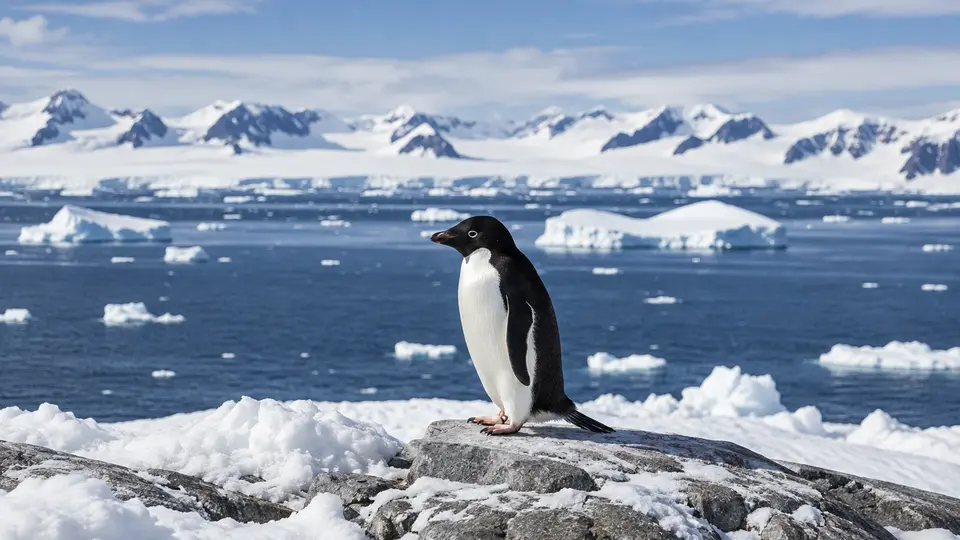
Emperor PenguinEmperor PenguinAdélie PenguinAdélie PenguinAntarctic PetrelAntarctic Petrel
Animal groupBirdsAnimal groupBirdsAnimal groupBirds
DestinationsAntarcticaDestinationsAntarcticaDestinationsAntarctica
All wildlife destinations
Plan your trip

Find your next wildlife adventure

Compare destinations, shore programs and dates with the animals and habitats you would love to see.

  • Naturalist-led shore excursions
  • Responsible wildlife watching
  • Small expedition ships

Newsletter

Take Blue Rides with you

Adventure cruise offers, last-minute deals and trip inspiration.

Free, unsubscribe anytime. Details: Privacy Policy

Partner with Blue Rides

Affiliate Program

Recommend adventure cruises and earn commission on every confirmed booking.

Share. Track. Earn.

Your footage, our stage

Send us your videos or pictures.

Captured beautiful landscapes or wildlife? Share your videos and pictures with us, we may feature them on Blue Rides.