Elliot's Storm Petrel in its natural habitat, AI illustration

Elliot's Storm Petrel: where and when to see them

Oceanites gracilis

Elliot's Storm Petrel at a glance

Elliot's storm petrel, also called the white-vented storm petrel, is a tiny seabird associated with the eastern Pacific. It has dark plumage relieved by white on the rump and belly, and often appears to dance across the sea surface. The Galapagos population has traditionally been included within this species, although some taxonomies separate it as the Galapagos storm petrel. This taxonomic variation matters when interpreting distribution, measurements and conservation assessments for the catalog name.

Behaviour & reproduction

Size
15-17 cm long
Weight
Not reliably established
Lifespan
Not reliably established
Status
Assessment varies

These storm petrels forage with light, fluttering flight, frequently lowering their feet to patter against the surface while picking up small prey. They can appear almost suspended in place when facing a breeze. Feeding birds may gather where currents concentrate food, but their low profile makes them difficult to follow from shore. Breeding biology remains poorly documented compared with many larger seabirds, so detailed claims about nesting schedules or colony attendance should be treated cautiously. Courtship displays and pair bonding are likely to occur at sea, given their pelagic nature, but details are largely unknown. Their small size makes them susceptible to predation by gulls or frigatebirds if they approach shore too closely during breeding.

Top wildlife locations

Galapagos wildlife habitat

Galapagos

Island channels and productive coastal waters offer possible distant deck views, with shore sightings harder because birds are tiny and low-flying. Breeding locations are poorly documented and are not standard visitor landing attractions.

Adventure cruises in Galapagos
Destinations describe the species' habitat, not guaranteed cruise stops. Some animals require an optional inland excursion or are found in restricted reserves.

Fun facts about the Elliot's Storm Petrel

  • Its surface-pattering feeding style gives storm petrels their characteristic dancing appearance.
  • The Galapagos population is separated as its own species in some taxonomic treatments.
  • Its breeding biology is unusually poorly known for a regularly observed seabird.
  • White belly markings can be more useful than the white rump when distinguishing similar storm petrels.

Best time to see the Elliot's Storm Petrel

A single reliable shore-viewing season cannot be specified for the Galapagos population. Birds may be encountered during different parts of the year, but local distribution and small size make observation unpredictable. Sea state, light and proximity to feeding concentrations are more useful than calendar assumptions. Peak breeding activity in the Galapagos is thought to occur during the cool, dry season from June to December, but observations are sporadic. The El Niño Southern Oscillation can significantly impact food availability and, consequently, breeding success and distribution.

Elliot's Storm Petrel: season matrix by destination

Travel and observation windows vary by region. Highlighted months are an orientation for planning, not confirmed sightings or a guarantee of access.

Galapagos

No sufficiently reliable species-specific shore-viewing window is established here; taxonomy, local movements, sea state and identification uncertainty complicate seasonal advice.

JanFebMarAprMayJunJulAugSepOctNovDec
Cruise ships in Galapagos

Where the Elliot's Storm Petrel lives

This is a marine bird of coastal and offshore waters, not a land animal encountered on ordinary walks. Around the Galapagos, channels and current-influenced coastal waters provide plausible viewing habitat. Nesting places and colony distribution remain incompletely understood and are not standard visitor attractions. Though primarily marine, nesting may occur in burrows on remote, uninhabited islands, often in areas with soft soil or rock crevices. Their pelagic existence means they are rarely associated with specific landforms outside of breeding.

What the Elliot's Storm Petrel eats

Small planktonic crustaceans and other tiny marine organisms form the main known food base, with small fish also taken. Prey is collected at or close to the surface. Feeding opportunities shift with currents and productivity rather than with a fixed shoreline food source. They employ a distinctive 'pattering' behavior, walking on the surface of the water with wings held high, to snatch small organisms. This surface feeding makes them vulnerable to oil spills and microplastic ingestion.

Species at a glance

Common name
Elliot's Storm Petrel
Scientific name
Oceanites gracilis
Animal group
Birds
Size
15-17 cm long
Weight
Not reliably established
Lifespan
Not reliably established
Status
Assessment varies
Identification
White belly and vent markings help separate Elliot's storm petrel from the mostly dark-bellied storm petrels nearby, although tiny size and distant views often prevent confident identification. Beyond the white belly, look for a dark cap and back with a contrasting white rump, though the latter can be hard to discern at a distance. Their flight is often described as erratic and butterfly-like, differing from the more direct flight of some other petrels.

Elliot's Storm Petrel: frequently asked questions

Where can I see the Elliot's Storm Petrel?
Galapagos. Observe only at a distance from shore or a stable deck position, using binoculars in manageable sea conditions. Do not attract birds with food or lights, and avoid leaning over rails to follow their low flight. Because of their small size and rapid movements, a good pair of binoculars or a spotting scope is essential for any meaningful observation from a vessel. Maintaining a steady platform is crucial, as even slight vessel movement can make tracking these birds challenging.
When is the best time to see the Elliot's Storm Petrel?
A single reliable shore-viewing season cannot be specified for the Galapagos population. Birds may be encountered during different parts of the year, but local distribution and small size make observation unpredictable. Sea state, light and proximity to feeding concentrations are more useful than calendar assumptions. Peak breeding activity in the Galapagos is thought to occur during the cool, dry season from June to December, but observations are sporadic. The El Niño Southern Oscillation can significantly impact food availability and, consequently, breeding success and distribution.
How big does the Elliot's Storm Petrel get?
15-17 cm long. Adult weight: Not reliably established. Size varies with age, sex and population.
How should I behave around the Elliot's Storm Petrel?
Observe only at a distance from shore or a stable deck position, using binoculars in manageable sea conditions. Do not attract birds with food or lights, and avoid leaning over rails to follow their low flight. Because of their small size and rapid movements, a good pair of binoculars or a spotting scope is essential for any meaningful observation from a vessel. Maintaining a steady platform is crucial, as even slight vessel movement can make tracking these birds challenging.
What does the Elliot's Storm Petrel eat?
Small planktonic crustaceans and other tiny marine organisms form the main known food base, with small fish also taken. Prey is collected at or close to the surface. Feeding opportunities shift with currents and productivity rather than with a fixed shoreline food source. They employ a distinctive 'pattering' behavior, walking on the surface of the water with wings held high, to snatch small organisms. This surface feeding makes them vulnerable to oil spills and microplastic ingestion.
Are wildlife sightings guaranteed on an adventure cruise?
No. Animals move freely and routes, weather, access restrictions and local conditions influence every outing. Confirm the actual itinerary and shore program before booking.

Compare wildlife in the same destinations

Explore other birds recorded in these destinations. Similar surroundings do not mean the animals share the same habits or viewing season.

Species comparison by animal group and destination
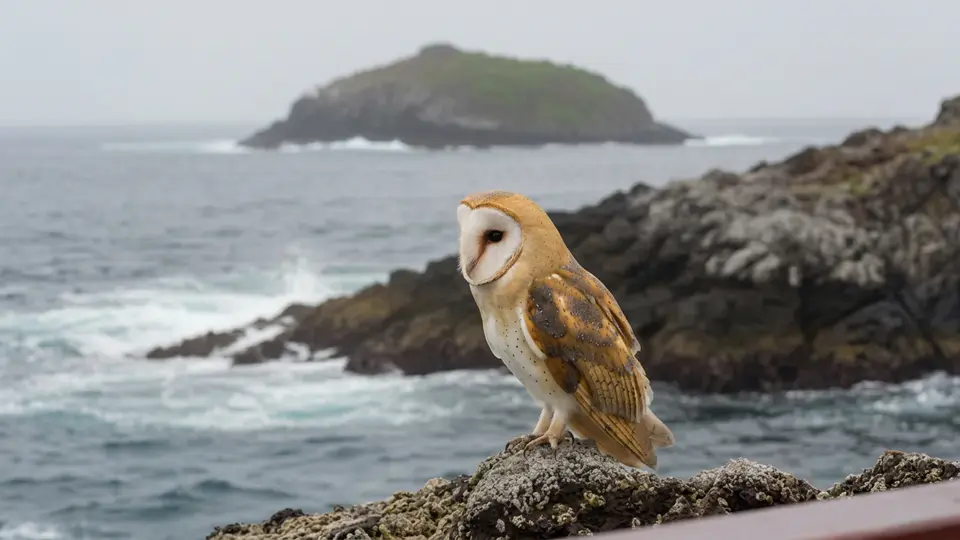
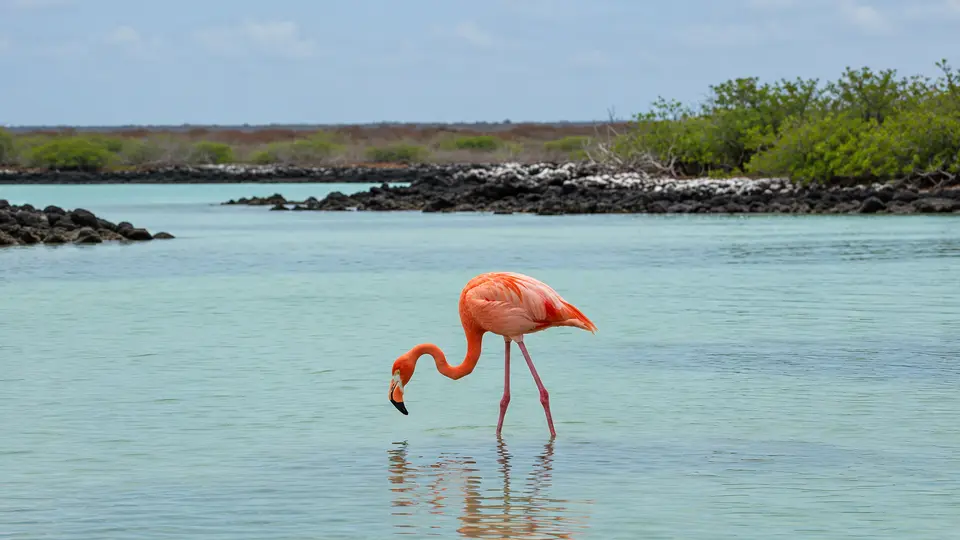
Elliot's Storm PetrelElliot's Storm PetrelAmerican FlamingoAmerican FlamingoBarn OwlBarn Owl
Animal groupBirdsAnimal groupBirdsAnimal groupBirds
DestinationsGalapagosDestinationsGalapagos, MexicoDestinationsGalapagos
All wildlife destinations
Plan your trip

Find your next wildlife adventure

Compare destinations, shore programs and dates with the animals and habitats you would love to see.

  • Naturalist-led shore excursions
  • Responsible wildlife watching
  • Small expedition ships

Newsletter

Take Blue Rides with you

Adventure cruise offers, last-minute deals and trip inspiration.

Free, unsubscribe anytime. Details: Privacy Policy

Partner with Blue Rides

Affiliate Program

Recommend adventure cruises and earn commission on every confirmed booking.

Share. Track. Earn.

Your footage, our stage

Send us your videos or pictures.

Captured beautiful landscapes or wildlife? Share your videos and pictures with us, we may feature them on Blue Rides.