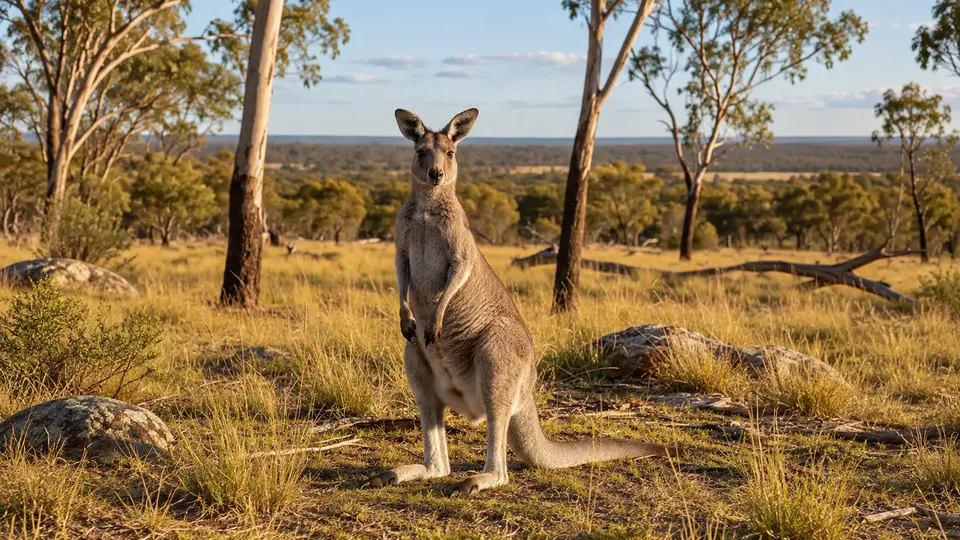
Eastern grey kangaroo in its natural habitat, AI illustration

Eastern grey kangaroo: where and when to see them

Macropus giganteus

Eastern grey kangaroo at a glance

The eastern grey kangaroo is a large grazing marsupial of eastern Australia, including Tasmania. Its soft grey-brown coat, long hind legs and muscular tail suit a life moving between grassy feeding areas and sheltered resting places. Males are substantially larger than females. Familiar around some coastal parks and rural clearings, it remains a powerful wild animal. Local abundance can fluctuate with rainfall, food supply, land use and the availability of safe daytime cover.

Behaviour & reproduction

Size
Body 95-140 cm; tail 65-100 cm
Weight
17-66 kg
Lifespan
8-15 years
Status
Least Concern

Eastern greys gather in loose, changing groups called mobs rather than fixed herds. They feed most actively around dusk, night and dawn, resting in shade during warm daylight hours. At slow speed, the tail and forelimbs support the body while the hind legs swing forward; faster travel uses bounding hops. Males establish dominance through displays and sparring. Young continue nursing after first leaving the pouch and gradually become independent while remaining near their mothers. Communication among individuals includes soft vocalizations and thumping of their hind feet as an alarm signal. Males engage in 'boxing' or ritualized combat, typically involving kicking and pushing, to establish dominance hierarchy.

Top wildlife locations

Australia wildlife habitat

Australia

Grassy clearings beside eastern and southeastern coastal woodland provide plausible land-based viewing. Some populations occur near public park paths, while others require inland excursions; animals are absent from much of western and arid Australia.

Adventure cruises in Australia
Destinations describe the species' habitat, not guaranteed cruise stops. Some animals require an optional inland excursion or are found in restricted reserves.

Fun facts about the Eastern grey kangaroo

  • Its muscular tail acts as a propulsive limb during slow walking.
  • Females can produce milk of different composition for young at different developmental stages.
  • Mob membership changes as animals move among feeding patches.
  • Large males may be more than twice the weight of adult females.

Best time to see the Eastern grey kangaroo

Eastern grey kangaroos can be observed throughout the year where suitable habitat is publicly accessible. Cooler mornings and late afternoons are generally preferable to midday heat. Spring may bring greener feeding areas in southern regions, but rainfall patterns and local conditions vary considerably. The presence of joeys, particularly in their mothers' pouches or at foot, can add to viewing opportunities during the spring and summer months. However, their year-round presence means reliable sightings depend more on local habitat quality and accessibility than seasonal cycles.

Eastern grey kangaroo: season matrix by destination

Travel and observation windows vary by region. Highlighted months are an orientation for planning, not confirmed sightings or a guarantee of access.

Australia

Resident populations permit year-round possibilities, but heat, rainfall, park access and daily feeding movements affect observation.

JanFebMarAprMayJunJulAugSepOctNovDec
Cruise ships in Australia

Where the Eastern grey kangaroo lives

They favor grasslands adjoining woodland, open forest, pasture and grassy coastal clearings. The combination of grazing space and nearby shade is more important than proximity to the sea. In developed landscapes, roads and fences can interrupt movement between feeding and resting areas. They are highly adaptable and thrive in disturbed environments, often found near human habitation and agricultural land. Their range extends across much of eastern Australia, from Queensland through New South Wales and Victoria to southeastern South Australia.

What the Eastern grey kangaroo eats

Grasses dominate the diet, with some herbs and other low vegetation taken according to availability. Microbial fermentation helps extract nutrients from fibrous plants. Kangaroos select fresh growth when available, and bread or other visitor-provided food can harm health and alter natural behavior. They re-ingest and re-chew fibrous material, similar to cud-chewing in ruminants, to maximize nutrient extraction. Water is primarily obtained from vegetation, allowing them to survive long periods without direct access to water sources.

Species at a glance

Common name
Eastern grey kangaroo
Scientific name
Macropus giganteus
Animal group
Mammals
Size
Body 95-140 cm; tail 65-100 cm
Weight
17-66 kg
Lifespan
8-15 years
Status
Least Concern
Identification
A softly furred muzzle, grey-brown coat and lack of bold facial markings help distinguish it from red kangaroos, while western greys are generally browner with darker faces. Adult males can grow significantly larger than females, often reaching over 2 meters when standing upright. The species typically has white or pale underparts and larger ears than western greys.

Eastern grey kangaroo: frequently asked questions

Where can I see the Eastern grey kangaroo?
Australia. Watch quietly from a path and give large males, mothers and young plenty of room. Never feed or approach a kangaroo that squares up or rises tall. Keep dogs controlled and avoid blocking its retreat. Be mindful of your shadow and sudden movements, as these can startle them. Look for signs of recent grazing or flattened grass to locate resting or feeding kangaroos.
When is the best time to see the Eastern grey kangaroo?
Eastern grey kangaroos can be observed throughout the year where suitable habitat is publicly accessible. Cooler mornings and late afternoons are generally preferable to midday heat. Spring may bring greener feeding areas in southern regions, but rainfall patterns and local conditions vary considerably. The presence of joeys, particularly in their mothers' pouches or at foot, can add to viewing opportunities during the spring and summer months. However, their year-round presence means reliable sightings depend more on local habitat quality and accessibility than seasonal cycles.
How big does the Eastern grey kangaroo get?
Body 95-140 cm; tail 65-100 cm. Adult weight: 17-66 kg. Size varies with age, sex and population.
How should I behave around the Eastern grey kangaroo?
Watch quietly from a path and give large males, mothers and young plenty of room. Never feed or approach a kangaroo that squares up or rises tall. Keep dogs controlled and avoid blocking its retreat. Be mindful of your shadow and sudden movements, as these can startle them. Look for signs of recent grazing or flattened grass to locate resting or feeding kangaroos.
What does the Eastern grey kangaroo eat?
Grasses dominate the diet, with some herbs and other low vegetation taken according to availability. Microbial fermentation helps extract nutrients from fibrous plants. Kangaroos select fresh growth when available, and bread or other visitor-provided food can harm health and alter natural behavior. They re-ingest and re-chew fibrous material, similar to cud-chewing in ruminants, to maximize nutrient extraction. Water is primarily obtained from vegetation, allowing them to survive long periods without direct access to water sources.
Are wildlife sightings guaranteed on an adventure cruise?
No. Animals move freely and routes, weather, access restrictions and local conditions influence every outing. Confirm the actual itinerary and shore program before booking.

Compare wildlife in the same destinations

Explore other mammals recorded in these destinations. Similar surroundings do not mean the animals share the same habits or viewing season.

Species comparison by animal group and destination
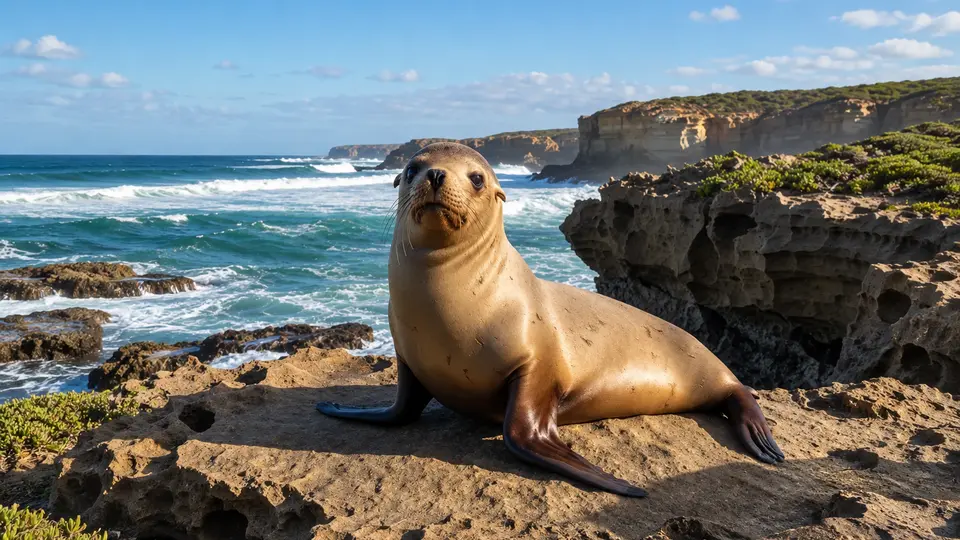
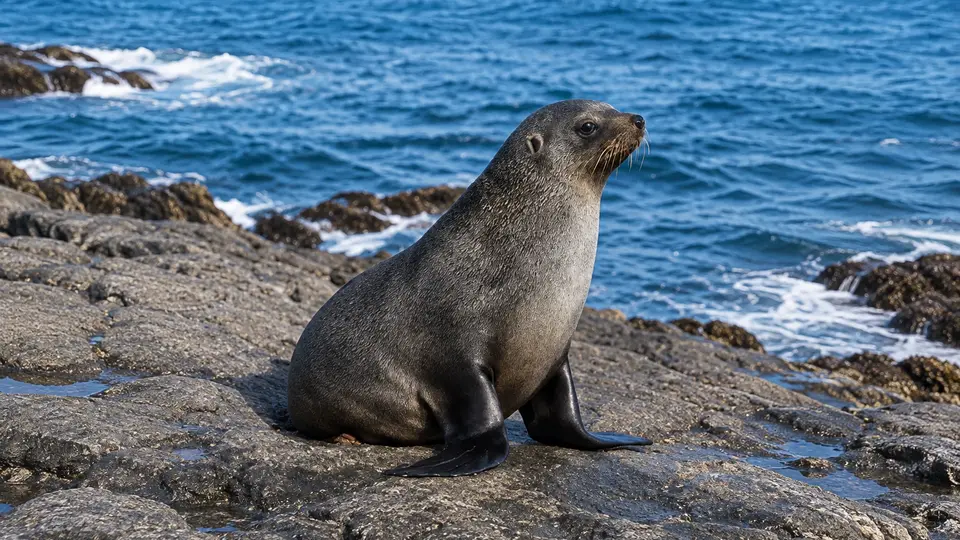
Eastern grey kangarooEastern grey kangarooAustralian fur sealAustralian fur sealAustralian sea lionAustralian sea lion
Animal groupMammalsAnimal groupMammalsAnimal groupMammals
DestinationsAustraliaDestinationsAustraliaDestinationsAustralia
All wildlife destinations
Plan your trip

Find your next wildlife adventure

Compare destinations, shore programs and dates with the animals and habitats you would love to see.

  • Naturalist-led shore excursions
  • Responsible wildlife watching
  • Small expedition ships

Newsletter

Take Blue Rides with you

Adventure cruise offers, last-minute deals and trip inspiration.

Free, unsubscribe anytime. Details: Privacy Policy

Partner with Blue Rides

Affiliate Program

Recommend adventure cruises and earn commission on every confirmed booking.

Share. Track. Earn.