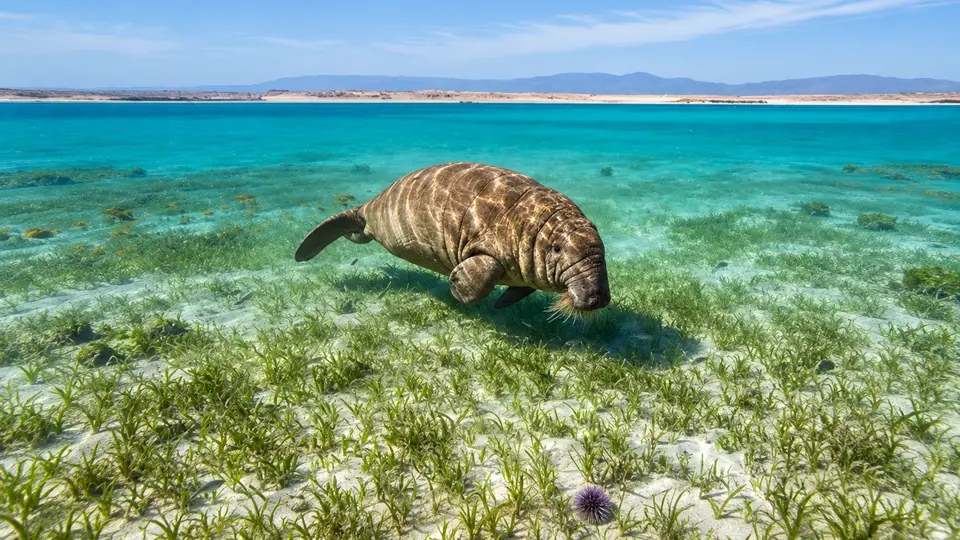
Dugong in its natural habitat, AI illustration

Dugong: where and when to see them

Dugong dugon

Dugong at a glance

The dugong is a fully marine herbivorous mammal associated with shallow seagrass habitats across parts of the Indo-Pacific. Its heavy body, downturned muzzle and fluked tail reflect a life spent feeding and travelling in coastal waters, not on land. Populations are often fragmented, and apparently suitable bays may hold very few animals. Seagrass loss, fishing-gear entanglement, vessel strikes and hunting have contributed to declines across much of its range.

Behaviour & reproduction

Size
2.4–3 m long
Weight
250–450 kg
Lifespan
Not reliably established
Status
Vulnerable

Dugongs often occur alone or in small parties, although larger gatherings can form where feeding conditions are favourable. They uproot or crop seagrass with muscular lips, sometimes leaving recognizable feeding trails. Mothers maintain long associations with their calves, which learn movements and feeding areas while accompanying them. At the surface, a quiet breath and a small section of back may be all that is visible before the animal submerges again. Dugongs are long-lived, with individuals potentially reaching 70 years of age, reflecting their slow reproductive rate. Females give birth to a single calf after a gestation period of about 13 months. Social structures can vary, with some populations exhibiting more solitary habits while others form larger, temporary aggregations when food is abundant.

Top wildlife locations

Egypt wildlife habitat

Egypt

Sheltered Red Sea bays with seagrass offer plausible distant shore or deck habitat. Animals are localized and unpredictable; use authorized coastal access and never assume a named bay currently holds a dugong.

Adventure cruises in Egypt
Indonesia wildlife habitat

Indonesia

Seagrass-fringed island coasts provide potential habitat, but dugongs are scarce across much of Indonesia. Shore observation is exceptional, and many areas require specialist local advice or additional travel beyond ordinary coastal stops.

Adventure cruises in Indonesia
Thailand wildlife habitat

Thailand

Protected Andaman seagrass coasts offer plausible habitat for distant observation from authorized viewpoints or decks. Remaining animals are highly vulnerable, local access may be restricted, and ordinary beach visits rarely produce sightings.

Adventure cruises in Thailand
Vietnam wildlife habitat

Vietnam

Seagrass waters around protected southern islands provide potential habitat, but dugongs are extremely rare. Dedicated travel and authorized access may be necessary, and no routine coastal viewpoint should be presented as reliable.

Adventure cruises in Vietnam
Australia wildlife habitat

Australia

Northern coastal seagrass bays and parts of Shark Bay provide plausible distant shore or deck habitat. Some viewpoints are remote, and tides, turbidity and local animal movements often prevent useful land-based views.

Adventure cruises in Australia

Destinations describe the species' habitat, not guaranteed cruise stops. Some animals require an optional inland excursion or are found in restricted reserves.

Fun facts about the Dugong

  • The dugong is the only living member of the family Dugongidae.
  • Its closest extinct relative was Steller's sea cow.
  • Adult males commonly develop visible tusks from enlarged upper incisors.
  • Females usually produce a single calf, with long intervals between successful births.

Best time to see the Dugong

There is no single viewing season across the dugong's broad range. Calm water, clear visibility and locally suitable tides matter most for distant shore or deck observation. Regional dry-season travel windows should not be mistaken for breeding seasons or confirmed presence. In tropical regions like northern Australia and Southeast Asia, the dry season often coincides with calmer seas, improving viewing conditions from boats. However, dugong presence can also be influenced by the availability of flowering seagrass, which varies seasonally. Understanding local seagrass growth cycles can provide better clues than generalized seasonal advice.

Dugong: season matrix by destination

Travel and observation windows vary by region. Highlighted months are an orientation for planning, not confirmed sightings or a guarantee of access.

Egypt

Comfortable coastal travel months rather than a species season; wind, water clarity, tides and changing local seagrass use control viewing prospects.

JanFebMarAprMayJunJulAugSepOctNovDec
Cruise ships in Egypt

Indonesia

Indonesia's regional monsoon patterns and highly uneven dugong distribution do not support one defensible countrywide shore-observation window without a specific locality.

JanFebMarAprMayJunJulAugSepOctNovDec
Cruise ships in Indonesia

Thailand

A general Andaman fair-weather travel window, not evidence of seasonal presence; current local conservation advice and sea conditions should guide any observation.

JanFebMarAprMayJunJulAugSepOctNovDec
Cruise ships in Thailand

Vietnam

Sparse, highly localized occurrence and differing island weather patterns make a general Vietnamese shore-observation window unsupported; seek current protected-area guidance.

JanFebMarAprMayJunJulAugSepOctNovDec
Cruise ships in Vietnam

Australia

Primarily a practical northern dry-season travel window; Australia spans multiple climates, and this is neither a universal presence window nor a breeding season.

JanFebMarAprMayJunJulAugSepOctNovDec
Cruise ships in Australia

Where the Dugong lives

Shallow coastal waters with productive seagrass meadows are essential feeding habitat. Sheltered bays, channels and island margins may be used, but animals also travel between feeding areas. Water clarity, tides, disturbance and seagrass condition strongly affect whether shore observation is feasible. Dugongs prefer water depths between 1 and 5 meters, which supports optimal seagrass growth and allows them to surface for air. Their preference for these shallow areas makes them vulnerable to habitat degradation and human activities. They may also utilize deeper channels for movement between feeding grounds or for protection during adverse weather.

What the Dugong eats

Seagrasses form the overwhelming majority of the diet, including leaves, roots and rhizomes. Dugongs often favour nutritious, relatively low-fibre species. Small invertebrates may be consumed incidentally or occasionally deliberately, but healthy seagrass ecosystems remain central to their survival. Their specialized diet as marine herbivores means dugongs play a vital role in seagrass ecosystem health, helping to cycle nutrients. They can consume up to 40 kg of seagrass daily to support their large body size. Different seagrass species offer varying nutritional value, influencing feeding preferences and patch usage.

Species at a glance

Common name
Dugong
Scientific name
Dugong dugon
Animal group
Mammals
Size
2.4–3 m long
Weight
250–450 kg
Lifespan
Not reliably established
Status
Vulnerable
Identification
Its dolphin-like fluked tail and strongly downturned muzzle distinguish it from manatees, which have rounded paddle-shaped tails. Their large, cylindrical body tapers to the distinctive fluked tail. Adults can reach lengths of up to 3 meters and weigh over 400 kg. Unlike seals or dolphins, dugongs do not leap or engage in acrobatic displays, typically maintaining a slow, deliberate movement.

Dugong: frequently asked questions

Where can I see the Dugong?
Egypt, Indonesia, Thailand, Vietnam, Australia. Use elevated shore viewpoints or watch quietly from an existing deck. Never pursue, feed or encourage close vessel approaches, particularly around mothers and calves. Follow local speed restrictions and keep sensitive feeding locations confidential. Scanning calm water surfaces from a distance with binoculars can reveal surfacing animals, often marked by a ripple or slick. Patience is key, as dugongs can remain submerged for several minutes between breaths. Look for specific clues such as 'dugong trails' or 'feeding scars' on the seabed, indicating recent activity.
When is the best time to see the Dugong?
There is no single viewing season across the dugong's broad range. Calm water, clear visibility and locally suitable tides matter most for distant shore or deck observation. Regional dry-season travel windows should not be mistaken for breeding seasons or confirmed presence. In tropical regions like northern Australia and Southeast Asia, the dry season often coincides with calmer seas, improving viewing conditions from boats. However, dugong presence can also be influenced by the availability of flowering seagrass, which varies seasonally. Understanding local seagrass growth cycles can provide better clues than generalized seasonal advice.
How big does the Dugong get?
2.4–3 m long. Adult weight: 250–450 kg. Size varies with age, sex and population.
How should I behave around the Dugong?
Use elevated shore viewpoints or watch quietly from an existing deck. Never pursue, feed or encourage close vessel approaches, particularly around mothers and calves. Follow local speed restrictions and keep sensitive feeding locations confidential. Scanning calm water surfaces from a distance with binoculars can reveal surfacing animals, often marked by a ripple or slick. Patience is key, as dugongs can remain submerged for several minutes between breaths. Look for specific clues such as 'dugong trails' or 'feeding scars' on the seabed, indicating recent activity.
What does the Dugong eat?
Seagrasses form the overwhelming majority of the diet, including leaves, roots and rhizomes. Dugongs often favour nutritious, relatively low-fibre species. Small invertebrates may be consumed incidentally or occasionally deliberately, but healthy seagrass ecosystems remain central to their survival. Their specialized diet as marine herbivores means dugongs play a vital role in seagrass ecosystem health, helping to cycle nutrients. They can consume up to 40 kg of seagrass daily to support their large body size. Different seagrass species offer varying nutritional value, influencing feeding preferences and patch usage.
Are wildlife sightings guaranteed on an adventure cruise?
No. Animals move freely and routes, weather, access restrictions and local conditions influence every outing. Confirm the actual itinerary and shore program before booking.

Compare wildlife in the same destinations

Explore other mammals recorded in these destinations. Similar surroundings do not mean the animals share the same habits or viewing season.

Species comparison by animal group and destination
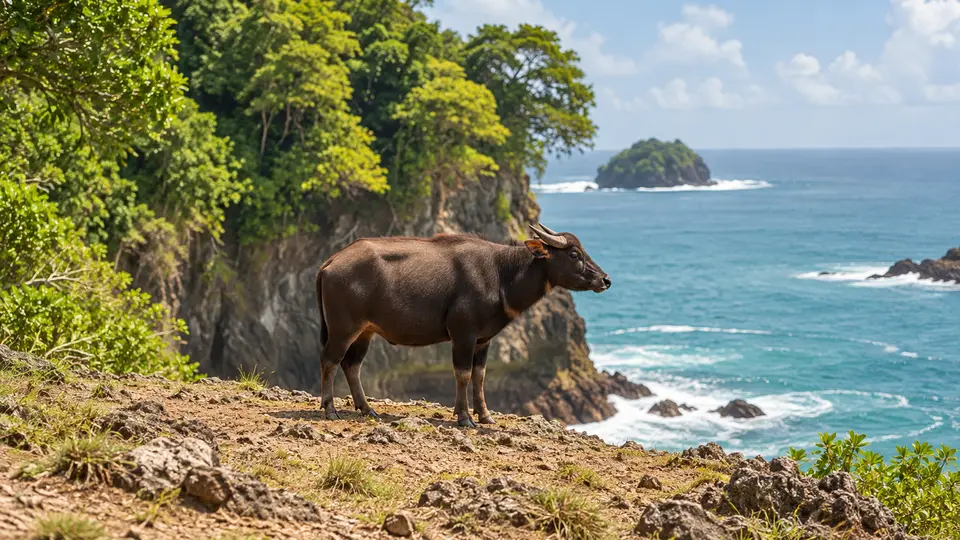
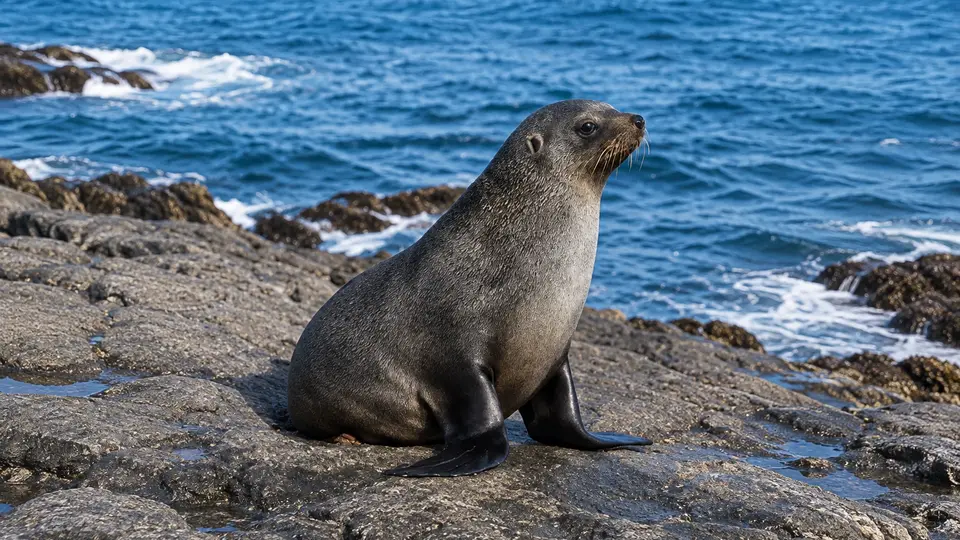
DugongDugongAnoaAnoaAustralian fur sealAustralian fur seal
Animal groupMammalsAnimal groupMammalsAnimal groupMammals
DestinationsEgypt, Indonesia, Thailand, Vietnam, AustraliaDestinationsIndonesiaDestinationsAustralia
All wildlife destinations
Plan your trip

Find your next wildlife adventure

Compare destinations, shore programs and dates with the animals and habitats you would love to see.

  • Naturalist-led shore excursions
  • Responsible wildlife watching
  • Small expedition ships

Newsletter

Take Blue Rides with you

Adventure cruise offers, last-minute deals and trip inspiration.

Free, unsubscribe anytime. Details: Privacy Policy

Partner with Blue Rides

Affiliate Program

Recommend adventure cruises and earn commission on every confirmed booking.

Share. Track. Earn.

Your footage, our stage

Send us your videos or pictures.

Captured beautiful landscapes or wildlife? Share your videos and pictures with us, we may feature them on Blue Rides.