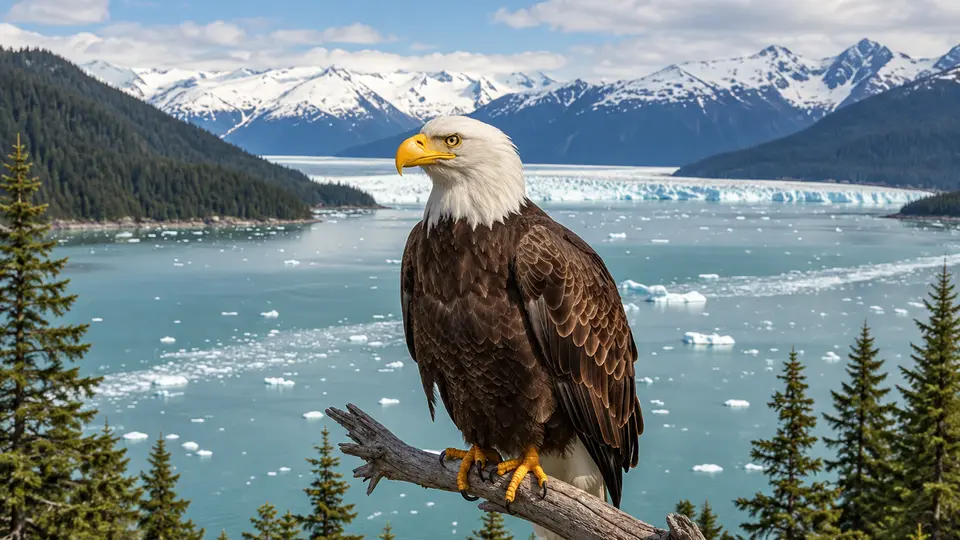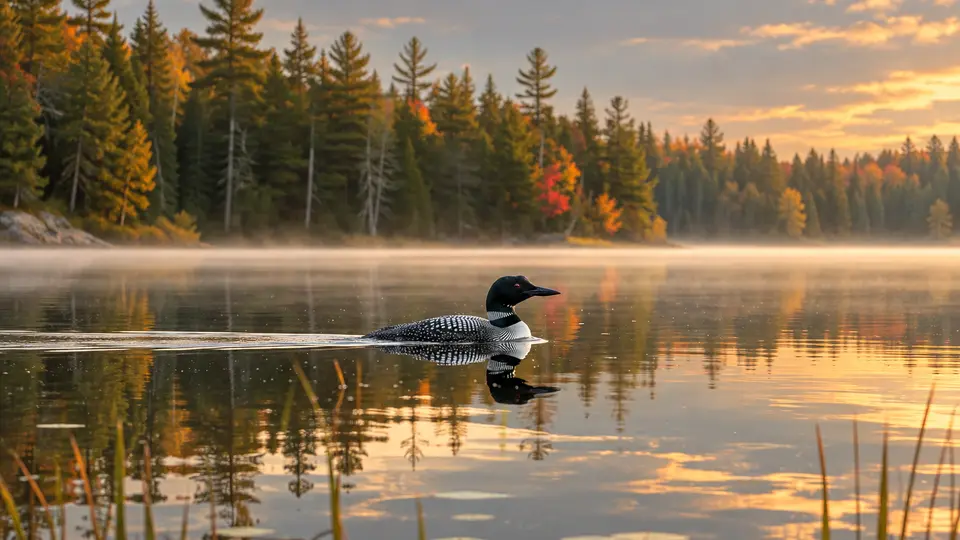
Common Loon in its natural habitat, AI illustration

Common Loon: where and when to see them

Gavia immer

Common Loon at a glance

The common loon is a large northern waterbird with a powerful bill and a haunting voice associated with forest lakes. Breeding adults wear a black head, white necklace markings and a strikingly checked back. In winter they become much greyer and move to marine waters, where coastal observers may know them better than lake visitors do. Their legs sit far back on the body, making them effective swimmers but awkward walkers.

Behaviour & reproduction

Size
66-91 cm long
Weight
2.5-6 kg
Lifespan
20-30 years
Status
Least Concern

Breeding pairs defend lake territories and communicate with several distinctive calls, including wails, tremolos and the male's yodel. Nests sit close to the water because movement on land is difficult. Small chicks sometimes ride on an adult's back, gaining warmth and protection. After breeding, loons move toward larger waters and coastal wintering areas. They can remain out of sight while pursuing prey, then surface far from their previous position. Loons are long-lived birds, sometimes reaching ages over 20 years in the wild, often returning to the same breeding territories annually. They are proficient swimmers and divers, using their powerful webbed feet for propulsion underwater, steering with their wings.

Top wildlife locations

New England wildlife habitat

New England

Coastal bays, harbour mouths and headlands provide plausible winter viewing from shore. Breeding adults generally require inland lake excursions, where nesting shorelines need generous buffers and sightings remain dependent on territory occupancy.

Adventure cruises in New England

Destinations describe the species' habitat, not guaranteed cruise stops. Some animals require an optional inland excursion or are found in restricted reserves.

Fun facts about the Common Loon

  • Small chicks may ride on their parents' backs.
  • Only males give the territorial yodel.
  • The feet are positioned so far back that walking is difficult.
  • Breeding black-and-white plumage is replaced by a much greyer winter appearance.

Best time to see the Common Loon

October to April is a useful broad window for New England coastal observation, when migrants and wintering birds occupy salt water. Late spring and summer are better for breeding plumage on northern inland lakes. Freeze-up, storms and migration timing cause substantial local variation. In New England, the peak of fall migration often occurs from late October through November, offering excellent opportunities to see many individuals. Conversely, spring migration back to breeding grounds typically happens from late March to May, with birds often in full breeding plumage.

Common Loon: season matrix by destination

Travel and observation windows vary by region. Highlighted months are an orientation for planning, not confirmed sightings or a guarantee of access.

New England

These months favour coastal wintering and migration observation; inland breeding visits follow a different seasonal pattern.

JanFebMarAprMayJunJulAugSepOctNovDec
Cruise ships in New England

Where the Common Loon lives

Breeding habitat is mainly clear northern lakes with fish, sheltered nesting edges and sufficient open water for takeoff. Winter habitat includes coastal bays, sounds and nearshore marine waters. In New England, lakeside breeding observation usually requires an inland excursion. Breeding lakes must be large enough to support a long "runway" for takeoff and landing. Their heavy bones make loons less buoyant than other water birds, an adaptation for diving which also means they cannot take off directly from land.

What the Common Loon eats

Fish dominate the diet, supplemented by crustaceans and other aquatic animals. Prey is captured through active pursuit beneath the surface and usually swallowed before the bird resurfaces. Adults providing for chicks may bring small fish to the surface for transfer. Young chicks are often fed invertebrates during their first week, gradually switching to small fish. Loons typically hunt by sight, so clear water is essential for successful foraging.

Species at a glance

Common name
Common Loon
Scientific name
Gavia immer
Animal group
Birds
Size
66-91 cm long
Weight
2.5-6 kg
Lifespan
20-30 years
Status
Least Concern
Identification
Its large, straight, daggerlike bill distinguishes it from the slimmer red-throated loon, which often holds its finer bill tilted upward. The common loon displays a distinctive black head and white-striped collar in breeding plumage, contrasting with its dark back and white belly. In winter, its plumage is duller, featuring a gray-brown back and a white chin and throat.

Common Loon: frequently asked questions

Where can I see the Common Loon?
New England. Watch from stable shore viewpoints and keep well away from nesting lake edges. Never imitate calls to draw birds closer or approach chicks; winter birds may be difficult to relocate after submerging. When viewing loons from a boat, maintain a respectful distance to avoid disturbing their hunting or resting. Consider scanning large water bodies with binoculars or a spotting scope from a distance to minimize impact on these sensitive birds.
When is the best time to see the Common Loon?
October to April is a useful broad window for New England coastal observation, when migrants and wintering birds occupy salt water. Late spring and summer are better for breeding plumage on northern inland lakes. Freeze-up, storms and migration timing cause substantial local variation. In New England, the peak of fall migration often occurs from late October through November, offering excellent opportunities to see many individuals. Conversely, spring migration back to breeding grounds typically happens from late March to May, with birds often in full breeding plumage.
How big does the Common Loon get?
66-91 cm long. Adult weight: 2.5-6 kg. Size varies with age, sex and population.
How should I behave around the Common Loon?
Watch from stable shore viewpoints and keep well away from nesting lake edges. Never imitate calls to draw birds closer or approach chicks; winter birds may be difficult to relocate after submerging. When viewing loons from a boat, maintain a respectful distance to avoid disturbing their hunting or resting. Consider scanning large water bodies with binoculars or a spotting scope from a distance to minimize impact on these sensitive birds.
What does the Common Loon eat?
Fish dominate the diet, supplemented by crustaceans and other aquatic animals. Prey is captured through active pursuit beneath the surface and usually swallowed before the bird resurfaces. Adults providing for chicks may bring small fish to the surface for transfer. Young chicks are often fed invertebrates during their first week, gradually switching to small fish. Loons typically hunt by sight, so clear water is essential for successful foraging.
Are wildlife sightings guaranteed on an adventure cruise?
No. Animals move freely and routes, weather, access restrictions and local conditions influence every outing. Confirm the actual itinerary and shore programme before booking.

Compare wildlife in the same destinations

Explore other birds recorded in these destinations. Similar surroundings do not mean the animals share the same habits or viewing season.

Species comparison by animal group and destination
Common LoonCommon LoonAtlantic PuffinAtlantic PuffinBald EagleBald Eagle
Animal groupBirdsAnimal groupBirdsAnimal groupBirds
DestinationsNew EnglandDestinationsNew England, Norway, Scotland, ArcticDestinationsAlaska, Florida, New England
All wildlife destinations
Plan your trip

Find your next wildlife adventure

Compare destinations, shore programmes and dates with the animals and habitats you would love to see.

  • Naturalist-led shore excursions
  • Responsible wildlife watching
  • Small expedition ships

Newsletter

Take Blue Rides with you

Adventure cruise offers, last-minute deals and trip inspiration.

Free, unsubscribe anytime. Details: Privacy Policy

Partner with Blue Rides

Affiliate Program

Recommend adventure cruises and earn commission on every confirmed booking.

Share. Track. Earn.