Bluerides – Blue Rides - Rezerwuj safari nurkowe na całym świecieOCEAN ADVENTURES
Rejsy przygodowe

Kierunki rejsów przygodowych

Kameralne statki, niezwykłe miejsca i niezapomniana dzika przyroda.

  • AlaskaAlaskaAmericas
  • KostarykaKostarykaAmericas
  • FlorydaFlorydaAmericas
  • GalápagosGalápagosAmeryki
  • MeksykMeksykAmeryki
  • Nowa AngliaNowa AngliaAmeryki
  • Wyspy Zielonego PrzylądkaWyspy Zielonego PrzylądkaEMEA
  • ChorwacjaChorwacjaEMEA
Rejsy przygodoweWyszukiwarka rejsów przygodowych
PromocjePrzyroda i zwierzętaNasza obietnicaKontakt
Rejsy przygodowePromocjePrzyroda i zwierzętaNasza obietnicaKontaktZaloguj się

Kontakt

Skontaktuj się z nami

Napisz do nas w każdej chwili, chętnie pomożemy wybrać rejs i odpowiemy na pytania.

E-mailNapisz do nas, zwykle odpowiadamy w kilka godzin.
contact@bluerides.com
WhatsAppNapisz na WhatsAppie, pon–pt 10:00–16:00 (CET).
Rozpocznij czat na WhatsApp
TelefonZadzwoń, chętnie pomożemy.
Połączenie bezpłatne, pon–pt 10:00–20:00 (CET).
Europa+49 800 1144 990USA+1 888 557 7735Wielka Brytania+44 800 707 4152Australia+61 2 8599 6113Kanada+1 888 557 7735
Która ekspedycja jest dla ciebie?Odpowiedz na 8 krótkich pytań i znajdź rejs wyprawowy, który do ciebie pasuje.
8 pytań, 1 minuta·Plus prezent
Bezpieczne metody płatnościTwoje płatności są w pełni zabezpieczone szyfrowaniem AES-256.
Obsługiwane przezStripeWiseAMEXPayGoogle PaySEPABank
Impressum·Regulamin·Polityka prywatności·O nas·Kontakt·Zrzeczenie się odpowiedzialności·Program partnerski·
Obserwuj nas tutaj

© 2026 Blue Rides. Wszelkie prawa zastrzeżone.·

Bluerides – Blue Rides - Rezerwuj safari nurkowe na całym świecieOCEAN ADVENTURES
Rejsy przygodowe

Kierunki rejsów przygodowych

Kameralne statki, niezwykłe miejsca i niezapomniana dzika przyroda.

  • AlaskaAlaskaAmericas
  • KostarykaKostarykaAmericas
  • FlorydaFlorydaAmericas
  • GalápagosGalápagosAmeryki
  • MeksykMeksykAmeryki
  • Nowa AngliaNowa AngliaAmeryki
  • Wyspy Zielonego PrzylądkaWyspy Zielonego PrzylądkaEMEA
  • ChorwacjaChorwacjaEMEA
Rejsy przygodoweWyszukiwarka rejsów przygodowych
PromocjePrzyroda i zwierzętaNasza obietnicaKontakt
Rejsy przygodowePromocjePrzyroda i zwierzętaNasza obietnicaKontaktZaloguj się
Small-ship adventure cruise scenery in New Zealand
Strona główna›Adventure Cruises›New Zealand
New Zealand · Small-ship exploration

New Zealand Cruises

Fiordy, rodzime lasy i południowe wyspy

Small ships

Personal, guided voyages

Choose your season

Nov – Mar

Shore experiences

On your confirmed itinerary

Nature & wildlife

Coasts, trails & island habitats

Fiordy, rodzime lasy i południowe wyspy

The destination is the experience

Nowozelandzkie trasy ekspedycyjne pozwalają odkrywać Fiordland, przybrzeżne siedliska dzikiej przyrody i wyspy subantarktyczne. Miejsce rozpoczęcia rejsu i sezon zależą od konkretnego regionu, a lądowania na obszarach chronionych często wymagają specjalnych zezwoleń i rygorystycznych środków bezpieczeństwa biologicznego.
AI-generated illustration of Milford Sound

Podróż przez Milford Sound i okoliczny region pozwala z bliska przyjrzeć się krajobrazom. Twój statek przemieszcza się między nadmorskimi zakątkami, a wycieczki z przewodnikiem ukazują detale, które łatwo przeoczyć z pokładu.

Zwracaj uwagę na konkretne przystanki w programie, a nie tylko na nazwę kierunku. Trasy obejmujące Doubtful Sound mogą oferować inne proporcje między naturą a kulturą niż te skupione wokół południowych portów przybrzeżnych. Dostępne aktywności, wymagane zezwolenia i poziom trudności pieszych wędrówek różnią się w zależności od rejsu.

When to go

Best time to travel: seasons & weather

Match your New Zealand route to the season, the shore experiences you want and local conditions. Coastal regions can differ considerably within the same destination.

Shore-excursion season in New Zealand at a glance

JanFebMarAprMayJunJulAugSepOctNovDec
ExcellentGoodOff-season

Excellent, peak season (Nov – Mar)

Summer: fjord walks, native bird sanctuaries, sub-Antarctic island landings and long daylight.

Good, shoulder season (Apr & Oct)

Autumn and spring bring crisp air and fewer visitors.

Off-season (May – Sep)

Winter weather in the south; few expedition cruises.

Typical patterns for planning shore excursions; weather varies year to year and is never guaranteed.

Peak season · Nov – Mar

Summer: fjord walks, native bird sanctuaries, sub-Antarctic island landings and long daylight.

Shoulder season · Apr & Oct

Autumn and spring bring crisp air and fewer visitors.

Season & shore-walk conditions

Jan
Peak
304 mm
Seasonal
Feb
Peak
310 mm
Seasonal
Mar
Peak
260 mm
Seasonal
Apr
Variable
282 mm
Seasonal
May
Limited
341 mm
Limited
Jun
Limited
231 mm
Limited
Jul
Limited
288 mm
Limited
Aug
Limited
267 mm
Limited
Sep
Limited
369 mm
Limited
Oct
Variable
322 mm
Seasonal
Nov
Peak
303 mm
Seasonal
Dec
Peak
316 mm
Seasonal
Season & shore-walk conditions
Typical patternJanFebMarAprMayJunJulAugSepOctNovDec
Shore conditionsPeakPeakPeakVariableLimitedLimitedLimitedLimitedLimitedVariablePeakPeak
Rain / snow · mm304310260282341231288267369322303316
CruisesSeasonalSeasonalSeasonalSeasonalLimitedLimitedLimitedLimitedLimitedSeasonalSeasonalSeasonal

Temperatures describe the Milford Sound area. Subantarctic islands and northern New Zealand differ. Cruise operation depends on the published itinerary, not the weather rating.

Air temperatures through the year

Average daily highAverage daily low
-5°C4°C13°C21°C30°CJanFebMarAprMayJunJulAugSepOctNovDec

Temperatures in Milford Sound shift clearly through the year: January is the warmest month with average highs near 22°C, while July is the coolest at around 10°C, a swing of roughly 12°C. Nights typically run about 9°C below the daytime high, so a layer for evenings is worth packing. The months between these extremes warm up and cool down gradually rather than abruptly.

Milford Sound · 2015–2024. Monthly averages, rounded for planning; not a forecast or a local station measurement. Rainfall includes water-equivalent snowfall where relevant.

Wildlife on land & along the coast

Meet the locals

The most memorable encounters often happen at walking pace. Animals live in specific habitats, so the places on your route matter as much as the month. Follow local wildlife distances and your guide.
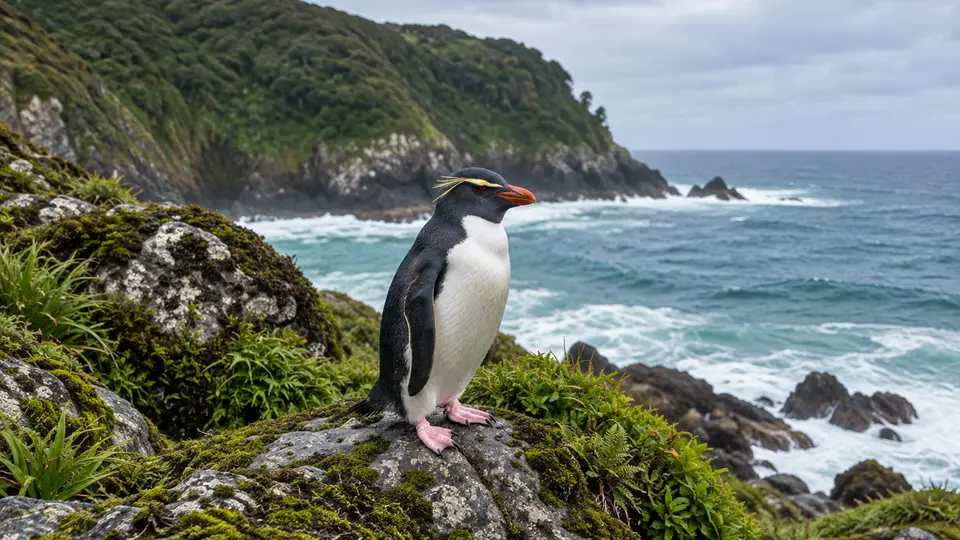
AI-generated illustration of Pingwin grubodzioby

Breeding season, access-dependent

Pingwin grubodzioby

Południowo-zachodnia South Island i Stewart Island

Odwiedź wyznaczone punkty widokowe nad zalesionymi brzegami, gdzie rozmnażają się tawaki.

AI-generated illustration of Nowozelandzki lew morski

Year-round (mainland)

Nowozelandzki lew morski

Południowe plaże i wydmy głównego lądu

Wypatruj tego rzadkiego lwa morskiego na południowych plażach głównego lądu; dostęp do kolonii subantarktycznych wymaga pozwoleń.

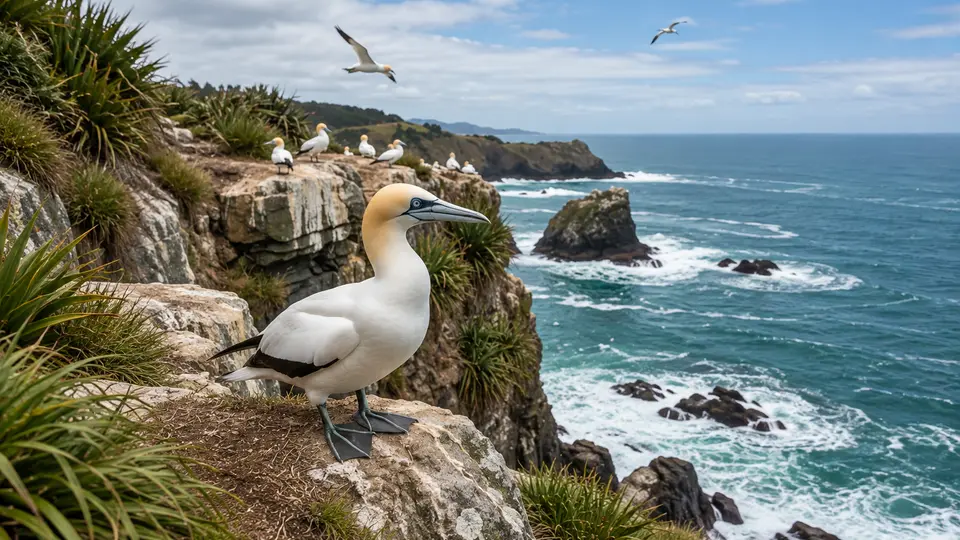
AI-generated illustration of Głuptak australijski

Spring–summer (nesting)

Głuptak australijski

Stałe przybrzeżne kolonie głuptaków

Odwiedź nadzorowane kolonie na przylądkach, by obserwować gniazdujące głuptaki o złotych głowach.

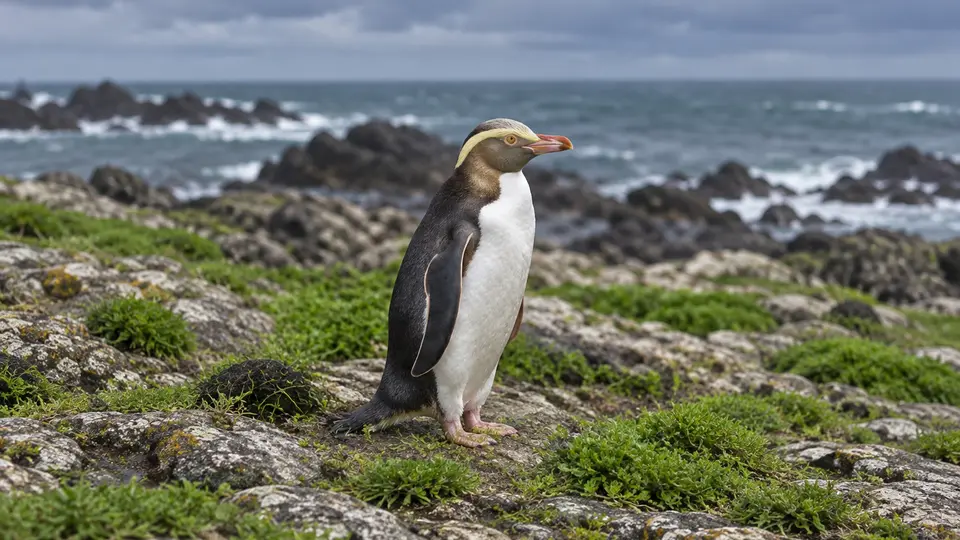
AI-generated illustration of Pingwin żółtooki

Check current local access

Pingwin żółtooki

Punkty widokowe w południowo-wschodniej części South Island

Wypatruj tego rzadkiego, jasnookiego pingwina z wyznaczonych punktów widokowych na wybrzeżach lęgowych.

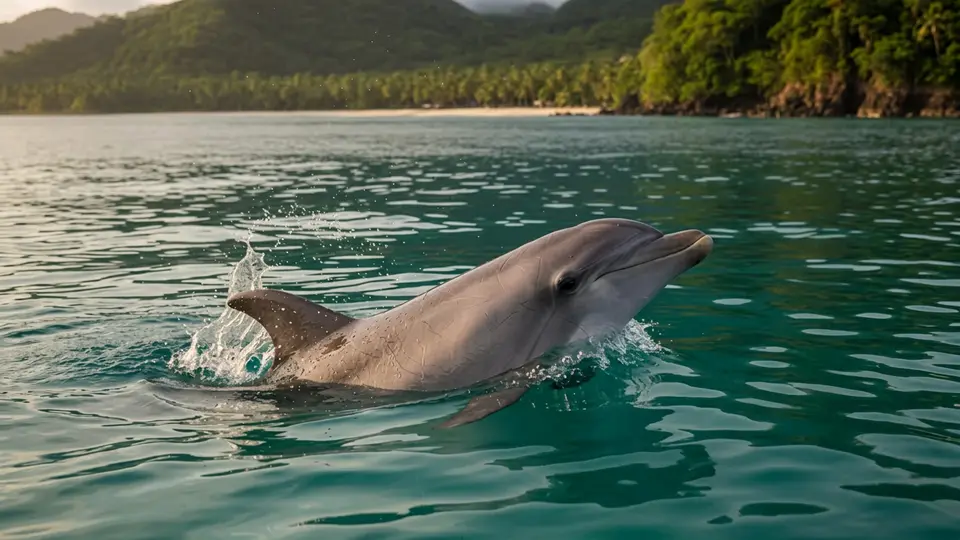
AI-generated illustration of Delfin butlonosy

Austral summer

Delfin butlonosy

Północne zatoki i południowe fiordy

Wypatruj osiadłych stad delfinów w północnych zatokach przybrzeżnych i wodach południowych fiordów.

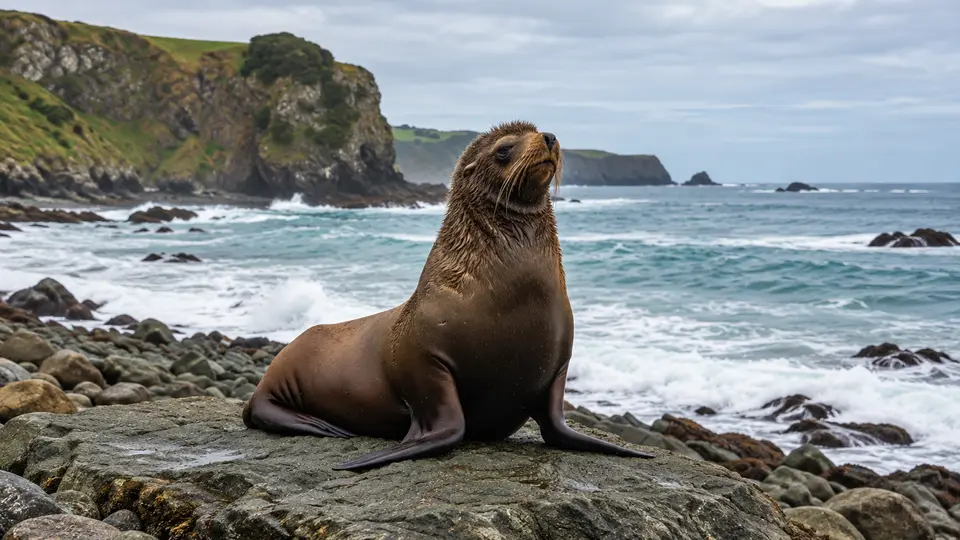
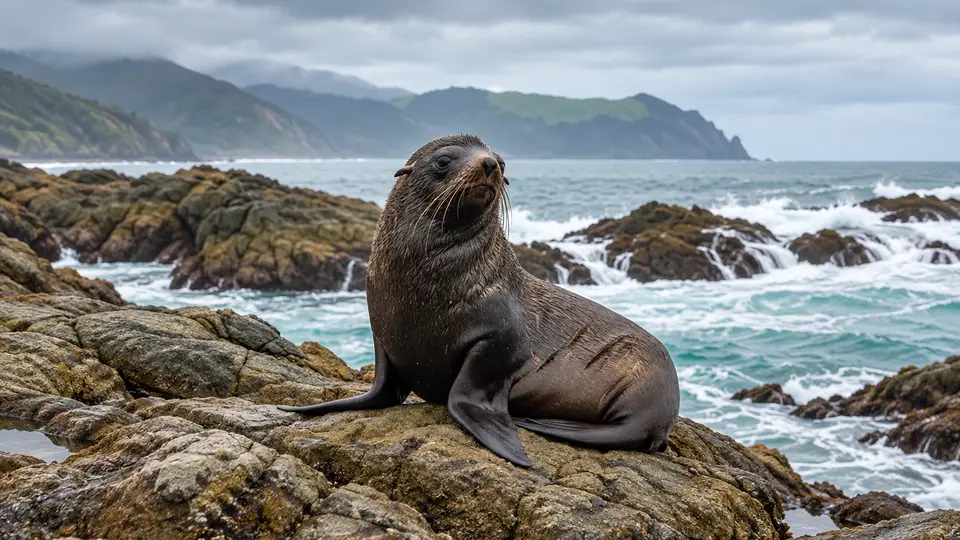
AI-generated illustration of Kotik nowozelandzki

Year-round, breeding in summer

Kotik nowozelandzki

Skaliste punkty widokowe na wybrzeżu

Obserwuj skaliste punkty widokowe na wybrzeżu, by dostrzec wylegujące się foki i kolonie rozrodcze.

Wildlife is wild: sightings, courtship displays and nesting activity cannot be guaranteed. Species occur in different parts of the region, not at every landing.

Show all other animals

Every shore tells a different story

Shore excursions worth planning around

These are examples of places and experiences, not a promised itinerary. Look for the actual landing names and included transfers in your ship’s day-by-day program.

01 · Nadmorskie krajobrazy

Milford Sound

Strome górskie zbocza i wodospady tworzą spektakularną scenerię fiordu. Możliwość wizyty zależy od trasy rejsu.

Sprawdź dostępność, poziom aktywności i świadczenia w swoim potwierdzonym planie podróży.

02 · Lokalne dziedzictwo

Doubtful Sound

Bardziej odległy fiord z zalesionymi zboczami i osłoniętymi zatoczkami.

Sprawdź dostępność, poziom aktywności i świadczenia w swoim potwierdzonym planie podróży.

03 · Eksploracja z przewodnikiem

Lasy Fiordland

Wilgotny, rodzimy las jest domem dla paproci, mchów i endemicznych ptaków, które można zobaczyć na wyznaczonych szlakach.

Sprawdź dostępność, poziom aktywności i świadczenia w swoim potwierdzonym planie podróży.

04 · Przyroda na lądzie

Wyspy subantarktyczne

Specjalistyczne rejsy mogą docierać do chronionych południowych archipelagów, gdzie obowiązują kontrolowane zejścia na ląd i zasady bioasekuracji.

Sprawdź dostępność, poziom aktywności i świadczenia w swoim potwierdzonym planie podróży.

05 · Wyspiarskie doświadczenia

Południowe porty przybrzeżne

Porty takie jak Dunedin czy Bluff stanowią bramy wypadowe dla południowych programów ekspedycyjnych.

Sprawdź dostępność, poziom aktywności i świadczenia w swoim potwierdzonym planie podróży.

06 · Najważniejsze punkty trasy

Naturalne siedliska wyspiarskie

Wyspiarskie rezerwaty chronią rodzimą dziką przyrodę

Sprawdź dostępność, poziom aktywności i świadczenia w swoim potwierdzonym planie podróży.

AI-generated illustration of Fiordy polodowcowe

Fiordy polodowcowe

Lód wyrzeźbił głębokie doliny, które teraz wypełnia morze, a otaczają je strome górskie ściany.

AI-generated illustration of Rodzime lasy strefy umiarkowanej

Rodzime lasy strefy umiarkowanej

Obfite opady deszczu sprzyjają rozwojowi rodzimych lasów, mchów i paproci, zwłaszcza w regionie Fiordland.

AI-generated illustration of Bezpieczeństwo biologiczne i rezerwaty

Bezpieczeństwo biologiczne i rezerwaty

Chronione wyspy mają rygorystyczne zasady bezpieczeństwa biologicznego. Oczyść cały sprzęt i zachowaj odległość od dzikich zwierząt ustaloną przez przewodnika.

Choose places before cabins

Which New Zealand route is right for you?

Route labels vary between operators. Compare the actual ports, landings and shore programs, not just the regional name.
AI-generated illustration of Fiordland

Fiordland

Wybieraj konkretne fiordy i dozwolone spacery po lądzie zamiast ogólnego określenia South Island.

AI-generated illustration of Południowe trasy przybrzeżne

Południowe trasy przybrzeżne

Podróże przybrzeżne łączą porty, siedliska dzikiej przyrody i wycieczki lądowe specyficzne dla danej trasy.

AI-generated illustration of Ekspedycje subantarktyczne

Ekspedycje subantarktyczne

Dłuższe rejsy oceaniczne wymagają pozwoleń, rygorystycznych kontroli czystości i odporności na wzburzone morze.

View New Zealand cruise departures

Your base between shore days

New Zealand cruise ships

Explore the cruise ships already in our collection. Compare cabins, guest numbers and day-by-day routes; daily prices appear only when current pricing is available.

Loading New Zealand cruise ships…

Flights & arrival

How to get to New Zealand

Fly into Auckland (AKL), Christchurch (CHC) or Queenstown (ZQN), depending on the route.
AKL

Flight gateway

Auckland Airport

Subantarctic voyages often depart from Bluff or Dunedin (DUD). Confirm the onward flight or harbour transfer from Auckland Airport with your operator before booking.

CHC

Flight gateway

Christchurch International

Subantarctic voyages often depart from Bluff or Dunedin (DUD). Confirm the onward flight or harbour transfer from Christchurch International with your operator before booking.

ZQN

Flight gateway

Queenstown Airport

An inland arrival option. Confirm the complete road journey to the embarkation town and plan to reach that town at least a day before departure.

DUD

Flight gateway

Dunedin Airport

Subantarctic voyages often depart from Bluff or Dunedin (DUD). Confirm the onward flight or harbour transfer from Dunedin Airport with your operator before booking.

Connections & onward transfers

Onward journey

Subantarctic voyages often depart from Bluff or Dunedin (DUD).

Before departure

Arrive one day early.

Arrive early, protect your departure

We recommend reaching the embarkation town at least one day before departure. Allow more time for remote destinations, separate flights, ferries or long transfers, and follow any earlier arrival or briefing required by your operator.

  • Confirm the embarkation town, harbour meeting point and check-in time before buying flights.
  • Ask which airport transfer, ferry or domestic connection is included in the cruise.
  • Book flexible connections where possible and allow extra time for remote routes.
  • The airports listed are alternatives for different routes, not confirmed flights for this ship. Check the port, meeting time and transfers in your final travel documents.

Flight schedules and entry requirements change. Confirm current arrangements with your operator before booking.

Before you set sail

A little preparation makes a big difference

Pack for the landings

  • Grippy walking shoes and suitable footwear for wet landings
  • Sun hat, high-protection sunscreen and refillable water bottle
  • Light rain jacket and a wind layer for boat transfers
  • Binoculars and a camera, with no flash around wildlife
  • Personal medication and motion-sickness advice before departure

Respect the destination

  • Follow local guides, landing permissions and protected-area rules
  • Keep the required distance from wildlife and avoid nesting or resting areas
  • Never feed or touch animals; do not collect natural objects
  • Clean footwear and equipment before sensitive island landings
  • Respect local dress, community invitations and photography permission
AI-generated illustration of Naturalne siedliska wyspiarskie

Discuss health, mobility and dietary needs before choosing a route. Remote areas may have limited medical facilities; travel insurance should cover your activities and any necessary evacuation.

Good to know

New Zealand cruise questions

When is the best time for a New Zealand cruise?
Summer: fjord walks, native bird sanctuaries, sub-Antarctic island landings and long daylight. Autumn and spring bring crisp air and fewer visitors. The climate chart describes Milford Sound; conditions elsewhere on the route can differ.
Which New Zealand route should I choose?
Fiordland: Wybieraj konkretne fiordy i dozwolone spacery po lądzie zamiast ogólnego określenia South Island. Południowe trasy przybrzeżne: Podróże przybrzeżne łączą porty, siedliska dzikiej przyrody i wycieczki lądowe specyficzne dla danej trasy. Ekspedycje subantarktyczne: Dłuższe rejsy oceaniczne wymagają pozwoleń, rygorystycznych kontroli czystości i odporności na wzburzone morze.
Are shore excursions included?
Check the inclusions and actual day-by-day program. Visits such as Milford Sound or Doubtful Sound require the right route; park entry, transfers and optional activities may cost extra.
What wildlife can I see in New Zealand?
The region supports species such as Pingwin grubodzioby, Nowozelandzki lew morski, Głuptak australijski. Different species use different habitats; not every animal occurs at every port. Sightings are never guaranteed.
Do I need to be an experienced hiker?
Not necessarily, but uneven paths, steps and wet transfers can be demanding. Ask about the exact walking distances, terrain and assistance before choosing your voyage.
Can the itinerary change?
Yes. Weather, sea state, tides, ice, permits and wildlife protection can change landings. Your captain and expedition team determine safe alternatives.
What entry documents do I need for New Zealand?
Your cruise visits New Zealand. Visa requirements, electronic travel authorisations and passport-validity rules depend on your nationality and travel documents. Check the current official guidance linked below, including transit-country rules, before travelling.Official entry guidance
When should I arrive before the cruise?
Reach the confirmed embarkation town at least one day early, or earlier if your operator requires briefing nights. Allow extra time for domestic flights, ferries and remote gateways.
On this page
  • 01Why this destination
  • 02Seasons & weather
  • 03Wildlife on land
  • 04Shore excursions
  • 05Choose your route
  • 06Cruise ships
  • 07Getting there
  • 08Plan your visit
  • 09Questions & answers

Znajdź swój rejs ekspedycyjny

Zaplanuj podróż

Your New Zealand story starts here

Find the ship, route and travel dates that suit you.

  • Small-ship exploration
  • Individual shore programs
  • Routes for your travel season
Search New Zealand cruises