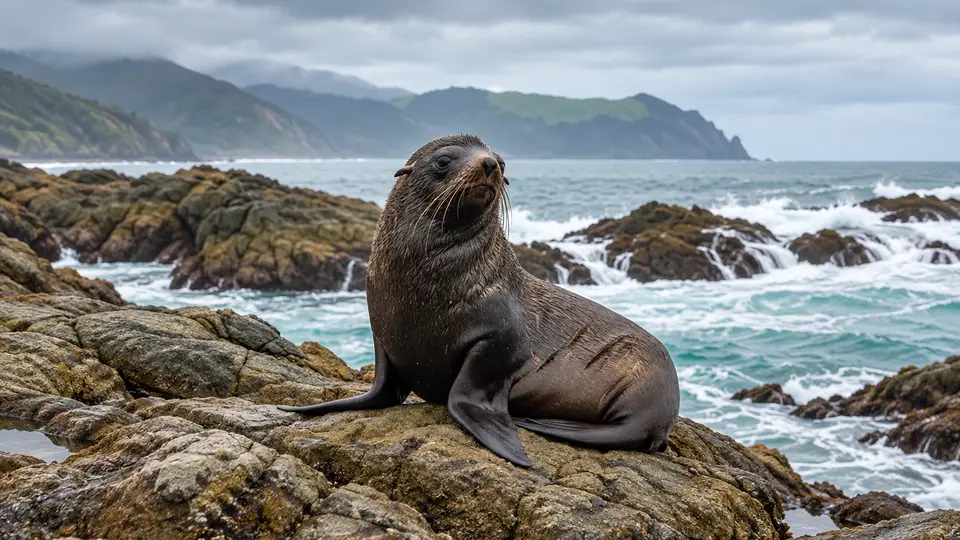
New Zealand fur seal in its natural habitatAI-modified

New Zealand fur sealArctocephalus forsteriWhere and when to see them

New Zealand fur seal at a glance

The New Zealand fur seal, also called kekeno, is a long-whiskered eared seal found around New Zealand and southern Australia. Rocky coasts provide resting and breeding places, while its food comes from the sea. Males are substantially larger than females and develop heavy necks. Once greatly reduced by sealing, the species has recovered across much of its range, though fishing interactions, disturbance and changing marine conditions remain important concerns.

Behaviour & reproduction

Size
1.2-2.5 m (3.9-8.2 ft) body length
Weight
30-180 kg (66-397 lb)
Lifespan
15-25 years
Status
Least Concern

Breeding males establish coastal territories in late spring and compete for access to females. Females give birth, mate again soon afterward, and alternate feeding trips with periods nursing their pups ashore. Young animals explore tide pools and rocky terrain as they develop. Outside breeding, seals gather at haul-outs that can include many juveniles. Despite an apparently sleepy manner, they move quickly over rocks and can react defensively when surprised. Pups are highly playful, often seen mock fighting and practicing foraging skills in shallow waters. Outside the breeding season, large bachelor groups of males and subadults can be found at haul-outs, sometimes quite far from breeding colonies.

Top wildlife locations

New Zealand wildlife habitatAI-modified

New Zealand

Rocky coastal viewpoints around New Zealand can overlook established haul-outs and breeding areas. Many are accessible from shore paths, but some colonies occupy inaccessible islands or closed sections of coast; obey local signs.
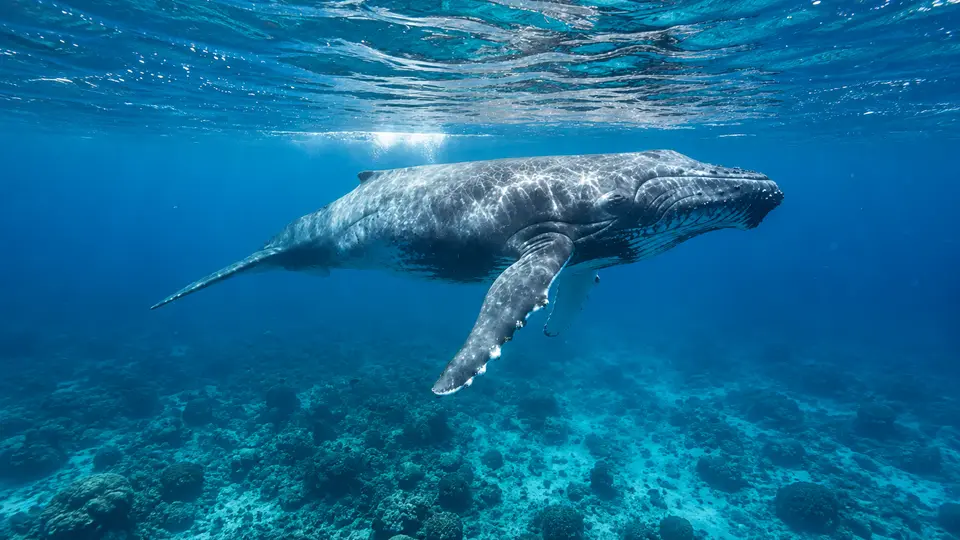
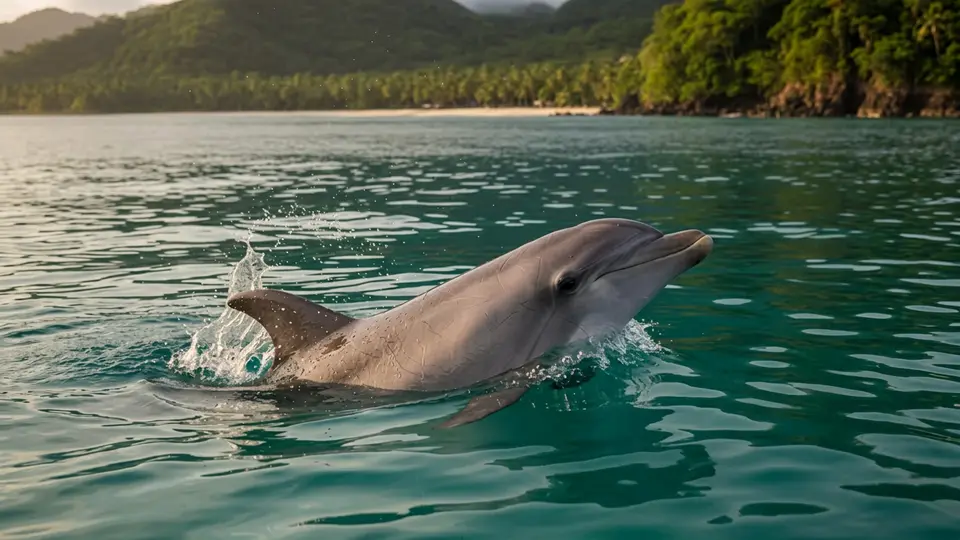
Destinations describe the species' habitat, not guaranteed cruise stops. Some animals require an optional inland excursion or are found in restricted reserves.

Fun facts about the New Zealand fur seal

  • Kekeno is its Māori name.
  • Females delay embryo implantation after mating.
  • Both sexes have external ear flaps.
  • Pups are born with a dark coat that changes as they mature.

Best time to see the New Zealand fur seal

Shore observation is possible year-round at established haul-outs. November through February overlaps breeding activity and the presence of young pups, but also requires especially careful distancing. Cooler months can still provide useful viewing of resting animals without representing a separate guaranteed encounter season. Prime breeding season, from December to February, sees peak activity with pups and territorial males. This period also offers excellent opportunities to observe interactions within the colony from a safe distance.

New Zealand fur seal: season matrix by destination

Travel and observation windows vary by region. Highlighted months are an orientation for planning, not confirmed sightings or a guarantee of access.

New Zealand

Haul-outs can be used year-round; breeding is concentrated from late spring into summer, and weather or site closures may restrict access.

JanFebMarAprMayJunJulAugSepOctNovDec
Cruise ships in New Zealand

Where the New Zealand fur seal lives

Exposed rocky shores, boulder beaches, offshore islands and coastal platforms are characteristic resting habitats. Breeding colonies need suitable spaces above ordinary wave wash. Animals forage in coastal and offshore waters, while nonbreeding individuals sometimes rest on beaches or in unexpected places near settlements. Coastal caves are also frequently used as resting and breeding sites, offering protection from harsh weather and predators. They are common around the mainland and offshore islands of New Zealand, including Stewart Island and the Chatham Islands.

What the New Zealand fur seal eats

Fish and squid form most of the diet, with prey varying by region, season and individual. Lanternfish and other offshore fishes can be important, alongside coastal species. Occasional birds are also taken. Nursing females must balance feeding opportunities against returning regularly to dependent pups. In New Zealand, their diet often includes hoki, barracouta, and arrow squid. Opportunistic predation on various small fish and crustaceans also occurs, especially among younger seals.

Species at a glance

Common name
New Zealand fur seal
Scientific name
Arctocephalus forsteri
Animal group
Mammals
Size
1.2-2.5 m (3.9-8.2 ft) body length
Weight
30-180 kg (66-397 lb)
Lifespan
15-25 years
Status
Least Concern
Identification
Its pointed muzzle, long pale whiskers and visible ear flaps distinguish it from the blunter-faced New Zealand sea lion and from earless true seals. Their sleek, dark brown coat appears almost black when wet, lightening to a grizzled brown when dry. Males are significantly larger than females, often weighing over twice as much.

New Zealand fur seal: frequently asked questions

Where can I see the New Zealand fur seal?
New Zealand. Use established coastal viewpoints and follow posted distances, generally staying at least 20 metres away. Never block the route to water, climb among resting seals, or bring dogs close to adults or pups. Always maintain a quiet demeanor, as loud noises can disturb seals, especially pups. Binoculars are highly recommended for detailed observation without approaching too closely.
When is the best time to see the New Zealand fur seal?
Shore observation is possible year-round at established haul-outs. November through February overlaps breeding activity and the presence of young pups, but also requires especially careful distancing. Cooler months can still provide useful viewing of resting animals without representing a separate guaranteed encounter season. Prime breeding season, from December to February, sees peak activity with pups and territorial males. This period also offers excellent opportunities to observe interactions within the colony from a safe distance.
How big does the New Zealand fur seal get?
1.2-2.5 m (3.9-8.2 ft) body length. Adult weight: 30-180 kg (66-397 lb). Size varies with age, sex and population.
How should I behave around the New Zealand fur seal?
Use established coastal viewpoints and follow posted distances, generally staying at least 20 metres away. Never block the route to water, climb among resting seals, or bring dogs close to adults or pups. Always maintain a quiet demeanor, as loud noises can disturb seals, especially pups. Binoculars are highly recommended for detailed observation without approaching too closely.
What does the New Zealand fur seal eat?
Fish and squid form most of the diet, with prey varying by region, season and individual. Lanternfish and other offshore fishes can be important, alongside coastal species. Occasional birds are also taken. Nursing females must balance feeding opportunities against returning regularly to dependent pups. In New Zealand, their diet often includes hoki, barracouta, and arrow squid. Opportunistic predation on various small fish and crustaceans also occurs, especially among younger seals.
Are wildlife sightings guaranteed on an adventure cruise?
No. Animals move freely and routes, weather, access restrictions and local conditions influence every outing. Confirm the actual itinerary and shore program before booking.

Compare wildlife in the same destinations

Explore other mammals recorded in these destinations. Similar surroundings do not mean the animals share the same habits or viewing season.

Species comparison by animal group and destination
New Zealand fur sealAI-modifiedNew Zealand fur sealBlue WhaleAI-modifiedBlue WhaleCommon Bottlenose DolphinAI-modifiedCommon Bottlenose Dolphin
Animal groupMammalsAnimal groupMammalsAnimal groupMammals
DestinationsNew ZealandDestinationsMexico, Norway, Portugal, Antarctica, Arctic, Maldives, New ZealandDestinationsCosta Rica, Florida, Galapagos, Mexico, Cape Verde, Croatia, Greece, Portugal, Scotland, Seychelles, Turkey, Maldives, Australia, New Zealand
Scientific nameArctocephalus forsteriScientific nameScientific name
All wildlife destinations
AI-modified
Plan your trip

Find your next wildlife adventure

Compare destinations, shore programs and dates with the animals and habitats you would love to see.

  • Naturalist-led shore excursions
  • Responsible wildlife watching
  • Small expedition ships