01 · Coastal landscapes
Milford Sound
Steep mountain walls and waterfalls create a dramatic fiord setting. Visits depend on the voyage route.
Check access, activity level and inclusion on your confirmed itinerary.

Fiords, native forest and southern islands
Small ships
Personal, guided voyages
Choose your season
Nov – Mar
Shore experiences
On your confirmed itinerary
Nature & wildlife
Coasts, trails & island habitats
Fiords, native forest and southern islands

A journey through Milford Sound and the surrounding region brings the landscape into focus. Your ship connects the coastal places while guided excursions reveal the details that are easy to miss from the deck.
Choose the actual stops on the program, not just the destination name. Routes that include Doubtful Sound can offer a different balance of nature and culture from those centred on Southern coastal harbours. Activities, permits and walking demands vary by voyage.
When to go
Summer: fjord walks, native bird sanctuaries, sub-Antarctic island landings and long daylight.
Autumn and spring bring crisp air and fewer visitors.
Winter weather in the south; few expedition cruises.
Typical patterns for planning shore excursions; weather varies year to year and is never guaranteed.
Summer: fjord walks, native bird sanctuaries, sub-Antarctic island landings and long daylight.
Autumn and spring bring crisp air and fewer visitors.
| Typical pattern | Jan | Feb | Mar | Apr | May | Jun | Jul | Aug | Sep | Oct | Nov | Dec |
|---|---|---|---|---|---|---|---|---|---|---|---|---|
| Shore conditions | Peak | Peak | Peak | Variable | Limited | Limited | Limited | Limited | Limited | Variable | Peak | Peak |
| Rain / snow · mm | 304 | 310 | 260 | 282 | 341 | 231 | 288 | 267 | 369 | 322 | 303 | 316 |
| Cruises | Seasonal | Seasonal | Seasonal | Seasonal | Limited | Limited | Limited | Limited | Limited | Seasonal | Seasonal | Seasonal |
Temperatures describe the Milford Sound area. Subantarctic islands and northern New Zealand differ. Cruise operation depends on the published itinerary, not the weather rating.
Temperatures in Milford Sound shift clearly through the year: January is the warmest month with average highs near 22°C, while July is the coolest at around 10°C, a swing of roughly 12°C. Nights typically run about 9°C below the daytime high, so a layer for evenings is worth packing. The months between these extremes warm up and cool down gradually rather than abruptly.
Milford Sound · 2015–2024. Monthly averages, rounded for planning; not a forecast or a local station measurement. Rainfall includes water-equivalent snowfall where relevant.
Wildlife on land & along the coast
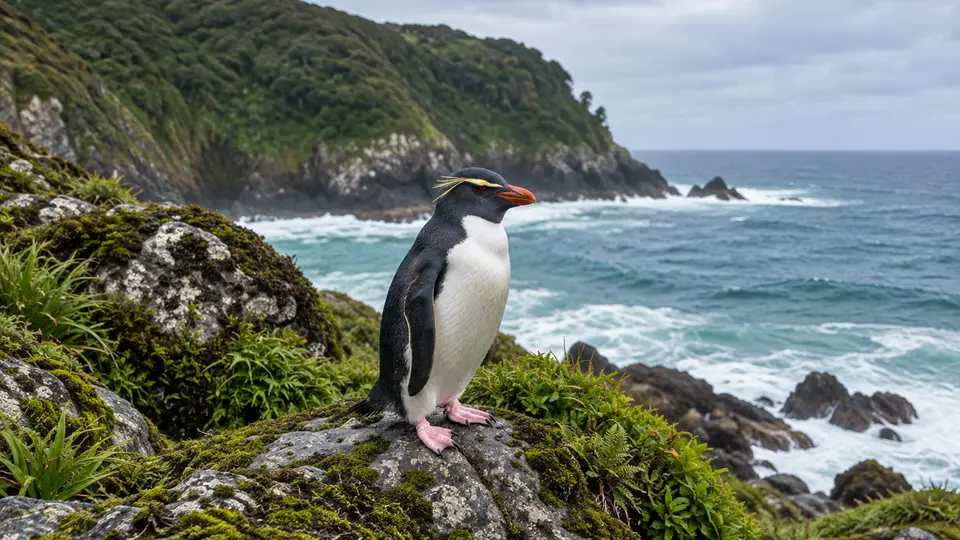 AI-modified
Breeding season, access-dependent
Southwestern South Island & Stewart Island
Visit approved viewing areas over forest-backed shores where tawaki breed.
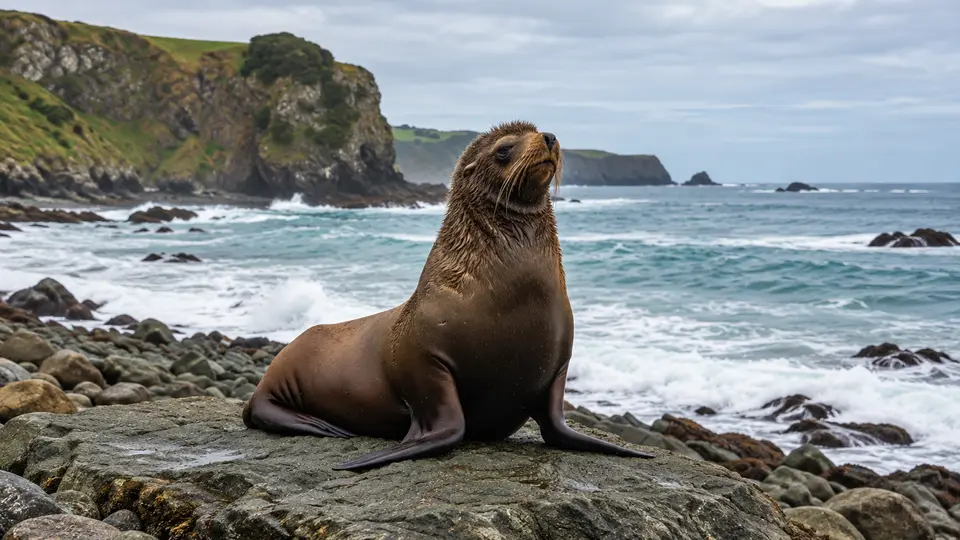 AI-modified
Year-round (mainland)
Southern mainland beaches & dunes
Watch southern mainland beaches for this rare sea lion; subantarctic colonies need permits.
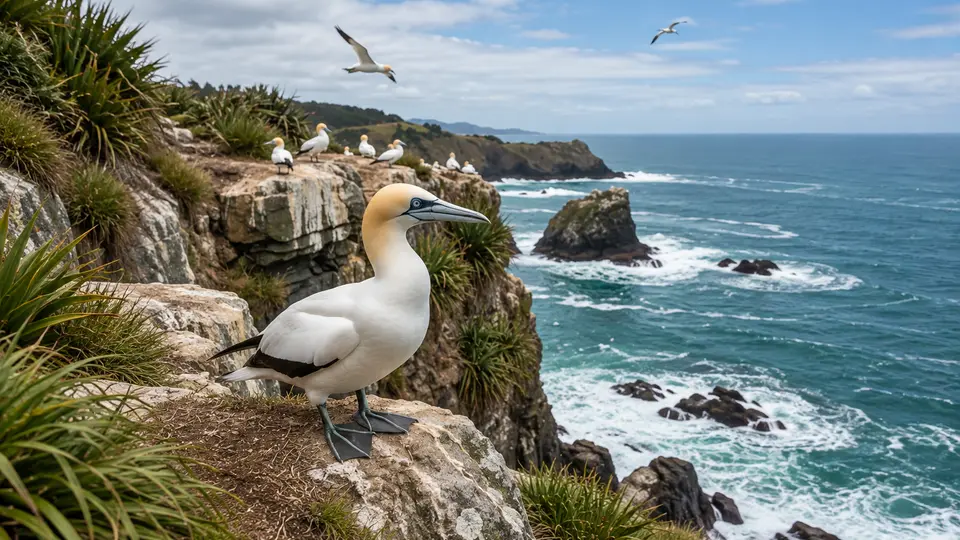 AI-modified
Spring–summer (nesting)
Established coastal gannet colonies
Visit managed headland colonies to watch nesting gannets with their golden heads.
 AI-modified
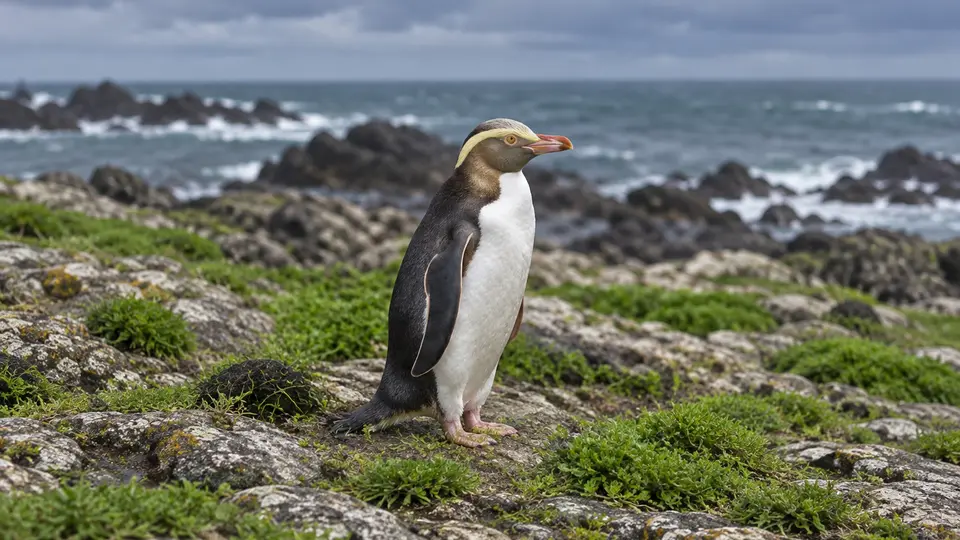
Check current local access
Southeastern South Island viewpoints
Watch managed viewpoints over nesting coasts for this rare, pale-eyed penguin.
 AI-modified
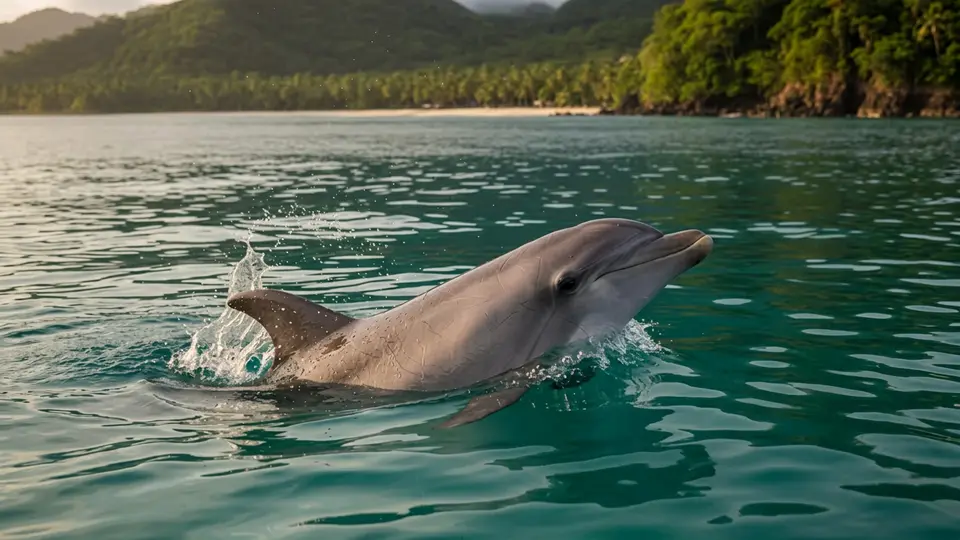
Austral summer
Northern bays & southern fiords
Scan northern coastal bays and southern fiord waters for resident dolphin pods.
 AI-modified
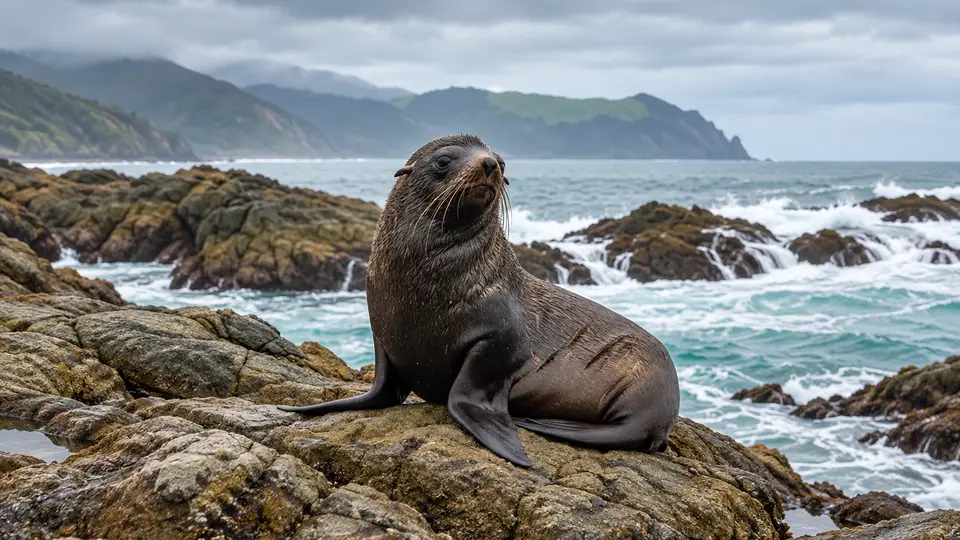
Year-round, breeding in summer
Rocky coastal viewpoints
Watch rocky coastal viewpoints for hauled-out seals and breeding colonies.
Wildlife is wild: sightings, courtship displays and nesting activity cannot be guaranteed. Species occur in different parts of the region, not at every landing.
Show all other animalsEvery shore tells a different story
01 · Coastal landscapes
Steep mountain walls and waterfalls create a dramatic fiord setting. Visits depend on the voyage route.
Check access, activity level and inclusion on your confirmed itinerary.
02 · Local heritage
A more remote fiord with forested slopes and sheltered inlets.
Check access, activity level and inclusion on your confirmed itinerary.
03 · Guided exploration
Wet native forest supports ferns, mosses and endemic birds, seen on authorised trails.
Check access, activity level and inclusion on your confirmed itinerary.
04 · Nature ashore
Specialist voyages may reach protected southern island groups with controlled landings and biosecurity.
Check access, activity level and inclusion on your confirmed itinerary.
05 · Island experiences
Ports such as Dunedin or Bluff provide gateways for southern expedition programs.
Check access, activity level and inclusion on your confirmed itinerary.
06 · Route highlights
Island sanctuaries protect native wildlife
Check access, activity level and inclusion on your confirmed itinerary.

Ice carved deep valleys, now filled by the sea and bordered by steep mountain walls.

High rainfall supports native forest, mosses and ferns, especially in Fiordland.

Protected islands have strict biosecurity. Clean all equipment and keep wildlife distances set by the guide.
Choose places before cabins

Choose the actual sounds and permitted shore walks rather than a generic South Island label.

Coastal journeys combine ports, wildlife habitats and route-specific land visits.

Longer ocean voyages require permits, strict cleaning checks and tolerance for rougher seas.
Your base between shore days
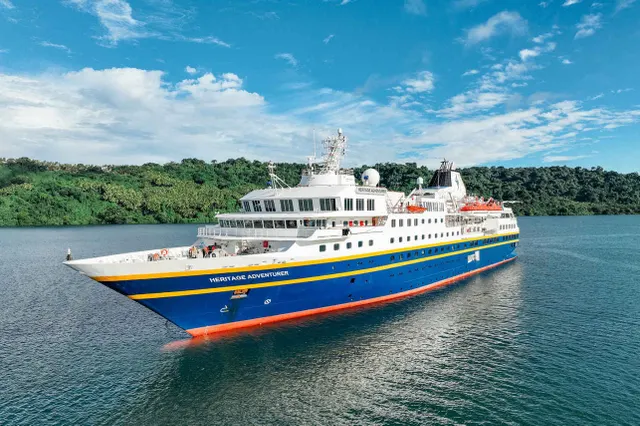
1 published cruise ships. Ships remain listed even when departure dates are not yet available.
Ready to compare ships and dates?
Open the adventure cruise search to filter every published expedition ship by destination and travel month.
Flights & arrival
Flight gateway
Subantarctic voyages often depart from Bluff or Dunedin (DUD). Confirm the onward flight or harbour transfer from Auckland Airport with your operator before booking.
Flight gateway
Subantarctic voyages often depart from Bluff or Dunedin (DUD). Confirm the onward flight or harbour transfer from Christchurch International with your operator before booking.
Flight gateway
An inland arrival option. Confirm the complete road journey to the embarkation town and plan to reach that town at least a day before departure.
Flight gateway
Subantarctic voyages often depart from Bluff or Dunedin (DUD). Confirm the onward flight or harbour transfer from Dunedin Airport with your operator before booking.
Onward journey
Subantarctic voyages often depart from Bluff or Dunedin (DUD).
Before departure
Arrive one day early.
We recommend reaching the embarkation town at least one day before departure. Allow more time for remote destinations, separate flights, ferries or long transfers, and follow any earlier arrival or briefing required by your operator.
Flight schedules and entry requirements change. Confirm current arrangements with your operator before booking.
Before you set sail

Discuss health, mobility and dietary needs before choosing a route. Remote areas may have limited medical facilities; travel insurance should cover your activities and any necessary evacuation.
Good to know
Find the ship, route and travel dates that suit you.