
Alcyonacea
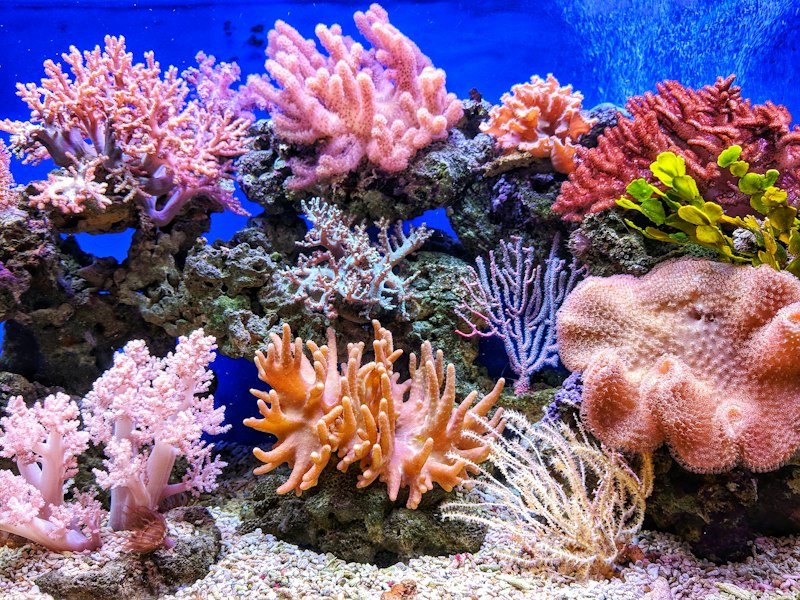
Soft corals, members of the order Alcyonacea, paint a vibrant and dynamic picture across the world's underwater landscapes, offering divers an unparalleled spectacle of form and colour. Unlike their stony cousins, these invertebrates forgo a rigid calcium carbonate skeleton, instead maintaining their structural integrity through tiny, spiny sclerites embedded within their fleshy tissues. This unique composition lends them a remarkable flexibility and often a tree-like, fan-like, or encrusting appearance that sways gracefully with the ocean’s currents. Their diversity is truly astonishing, ranging from delicate, feathery colonies that seem to pulse with life to robust, branching structures that stand tall against the reef. These captivating organisms are especially prolific and varied in the Indo-Pacific region, where iconic dive destinations boast an incredible array of species, contributing significantly to the breathtaking beauty of these underwater realms. Observing the behaviour of soft corals is a fascinating experience for any diver. These animals are primarily filter feeders, utilising their numerous eight-tentacled polyps to capture microscopic food particles suspended in the water column. Each polyp, armed with stinging cells known as nematocysts, expertly snags passing plankton – everything from tiny zooplankton and larval crustaceans to phytoplankton and organic detritus. The tentacles then guide this bounty towards the polyp’s mouth, a miniature yet highly efficient feeding mechanism. Many soft coral species also forge a crucial symbiotic relationship with zooxanthellae, photosynthetic algae residing within their tissues. These microscopic partners convert sunlight into energy, providing the coral with vital nutrients, especially in sunlit shallow waters. This dual feeding strategy means that while filter feeding is constant, the reliance on zooxanthellae can shift depending on light availability, with deeper-dwelling soft corals often exhibiting a greater dependence on capturing food directly. Their preference for areas with moderate to strong currents is no coincidence; these currents act as a conveyor belt, continuously delivering fresh food supplies to their waiting polyps. The social structure of soft corals is typically colonial, with individual polyps forming a larger, interconnected organism. While they don't display complex social behaviours akin to vertebrates, the coordination within a colony allows for efficient resource acquisition and reproduction. When it comes to propagation, soft corals employ a variety of methods. They can reproduce asexually through budding or fragmentation, where pieces break off and establish new colonies. Sexual reproduction involves the release of sperm and eggs into the water column, a process known as broadcast spawning. Fertilised eggs develop into larvae that drift with the currents before settling on a suitable substrate to begin a new colony. This combination of reproductive strategies contributes to their ability to colonise new areas and maintain robust populations across diverse habitats. Ecologically, soft corals are indispensable architects of the reef ecosystem. They form extensive gardens and vibrant living tapestries that provide crucial shelter and foraging grounds for countless other marine species. Juvenile fish, small crustaceans, and a multitude of invertebrates seek refuge among their intricate branches and folds, protected from predators. Furthermore, they contribute to the overall biodiversity and structural complexity of the reef, enriching the habitat for the entire marine community. Divers often encounter these magnificent creatures adorning rocky substrates, wrecks, and even growing over hard corals, creating mesmerising underwater landscapes that are a delight to explore. For divers, encountering soft corals is an absolute highlight. You'll often find them thriving in tropical and subtropical waters, though some species extend their range into cooler temperate zones. The best conditions for observing them in their full glory are typically during drift dives, where the current showcases their graceful swaying and allows for effortless gliding past their vibrant displays. Their colours can be spectacular, ranging from brilliant yellows and oranges to deep purples, reds, and even fluorescent greens, often becoming even more vivid under dive lights. When diving around soft corals, remember to maintain excellent buoyancy control; their delicate, fleshy tissues are easily damaged by accidental contact. While their conservation status varies widely by species, healthy soft coral populations are indicative of a thriving reef ecosystem, making their protection paramount for the health of our oceans. These captivating invertebrates truly embody the beauty and resilience of marine life, offering a truly immersive and unforgettable experience for any underwater explorer.
Size
Colonies from 5 cm to over 3 metres
Weight
Varies by colony (sessile organisms)
Lifespan
Individual polyps live years; colonies can persist for decades
Status
Varies by species
Fiji is known as the 'Soft Coral Capital of the World'
Soft corals can produce toxic chemicals to deter predators
Many soft coral species are bioluminescent under UV light
Some compounds are being researched for anti-cancer medicines
Explore our liveaboard expeditions to the best diving destinations