Dive dramatic walls patrolled by sharks and migrating humpbacks from the comfort of a world-class liveaboard.
Perched on a vast underwater plateau that plunges thousands of feet into the Atlantic, the Turks and Caicos Islands offer some of the most spectacular wall diving in the Caribbean. A liveaboard here isn't just a convenience; it's essential for reaching the premier, uninhabited dive areas like French Cay and West Caicos. These sites are famous for their sheer drop-offs, adorned with massive sponges and healthy corals, and patrolled by Caribbean reef sharks, nurse sharks, and graceful eagle rays. From January to March, the deep-water channels also become a highway for migrating humpback whales, offering a truly unforgettable encounter.
To help you find the right vessel for this unique adventure, we've carefully curated this list of the best Turks & Caicos liveaboards. We didn’t look for fluff; we focused on what truly matters to divers. Our selections are based on boats with proven safety records, highly experienced crews who know these waters intimately, excellent diver-focused amenities, and itineraries that deliver the best possible underwater experience for your money. These are the boats we'd book for ourselves.
 #1
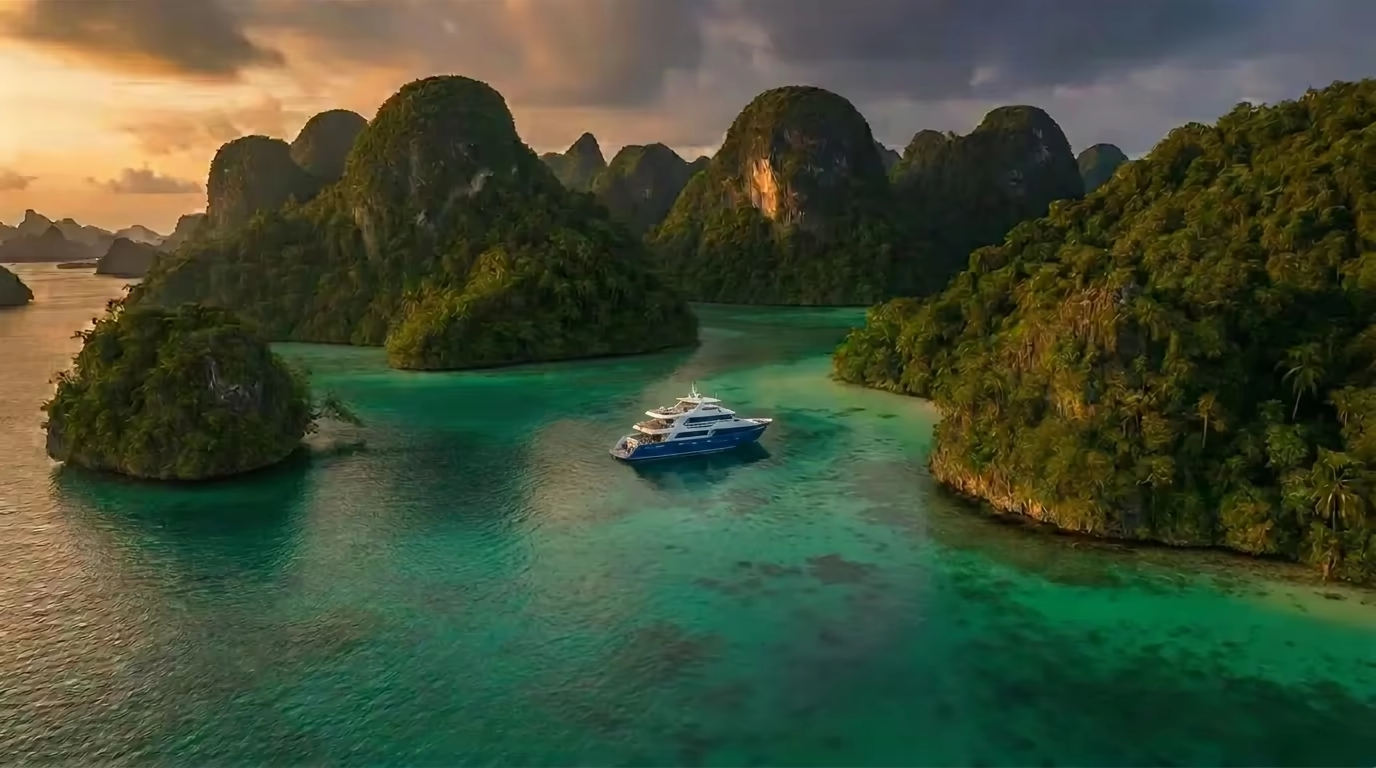
#1This purpose-built liveaboard explores the dramatic wall dives and rich biodiversity of Turks & Caicos, offering exceptional encounters with sharks and whales in comfort.
 #2
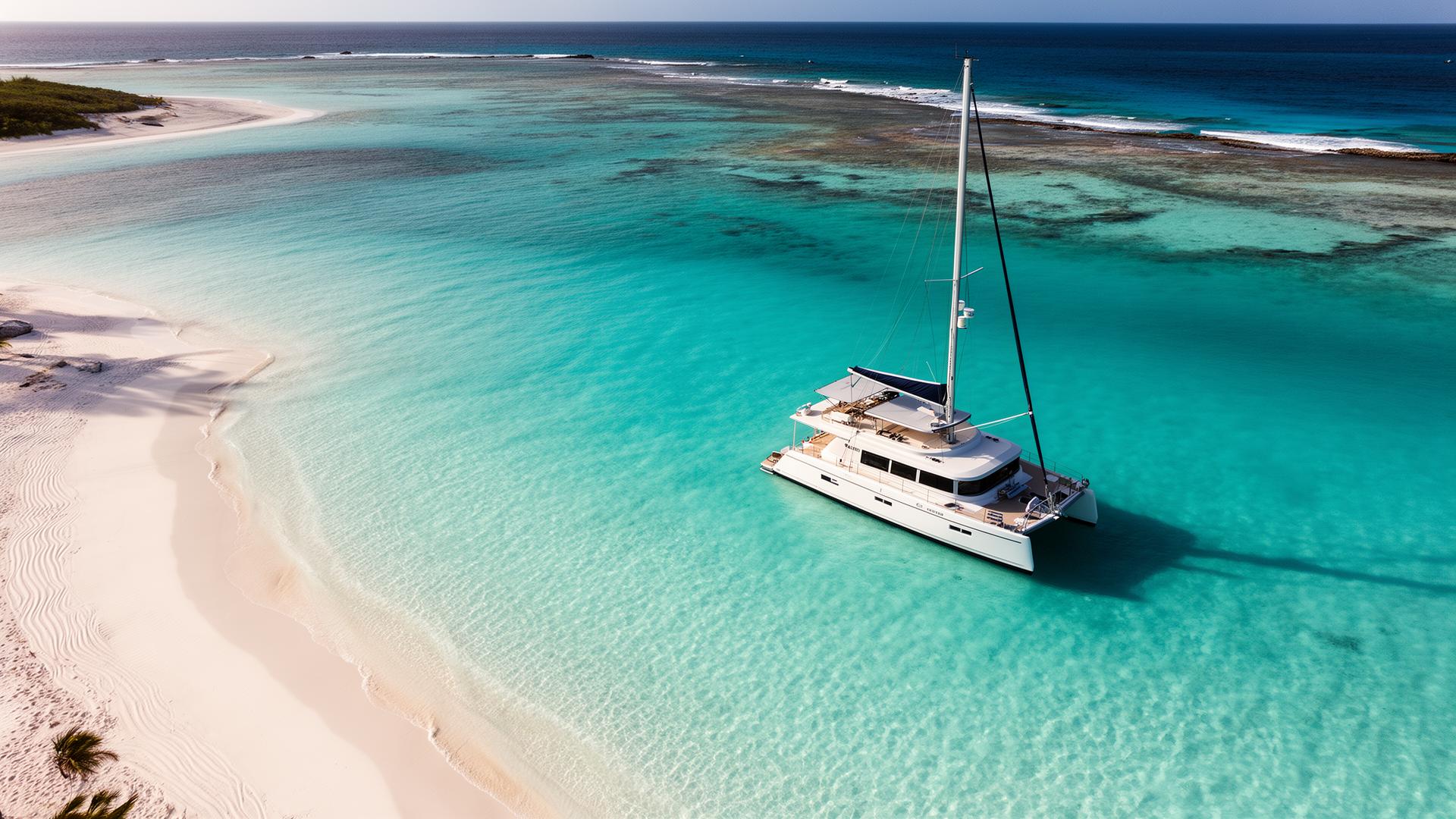
#2This vessel offers premier, all-inclusive scuba voyages, featuring professional training, sophisticated safety technology, and tailor-made camera amenities for an unparalleled diving experience.
The best time to dive Turks & Caicos depends on your priorities. Diving is excellent year-round, with water temperatures ranging from 74-78°F (23-26°C) in the winter to a balmy 82-84°F (28-29°C) in the summer. For the calmest seas and best visibility, plan your trip during the dry season from December to May. The main event, however, is the humpback whale migration, which peaks from late January through March. The summer and fall months offer warmer water and fewer crowds, but this is also hurricane season, making comprehensive travel insurance non-negotiable.
When choosing a vessel, look for one built for open-water stability, as the crossings to remote sites like French Cay can get choppy. Since much of the diving is done directly from the 'mothership,' a large, well-organized dive deck is crucial for a comfortable experience. Sturdy dive tenders (or RIBs) are also essential for dropping divers with precision along the stunning walls. Given the multi-dive, multi-day nature of a liveaboard, having Nitrox available is a massive benefit, allowing you to safely extend your bottom time and reduce surface intervals. It's a must-have for serious divers here.
Nearly all Turks & Caicos liveaboard itineraries are 7 nights long, typically running from Saturday to Saturday. A standard trip explores the dramatic walls and reefs of Providenciales, West Caicos, and French Cay. Prices generally fall between $2,900 and $3,600 per person. This typically covers your accommodation, all meals, and up to five dives per day. Be prepared for extra costs, which always include port and park fees (around $125), gear rentals, Nitrox fills, and crew gratuity. Flights into Providenciales (PLS) are never included.
A common mistake is underestimating the Caribbean sun and potential for seasickness. Pack reef-safe sunscreen, a hat, and motion sickness medication even if you're a seasoned sailor. Another pro tip: don't book based on cabin photos alone. Prioritize the reputation of the dive operator and the experience of the crew—they make or break the trip. Finally, remember to budget for gratuity (10-15% of the trip cost is standard) and book your trip 9-12 months in advance, especially if you want to travel during the coveted whale season, as these spots sell out fast.
Turks & Caicos is defined by its incredible wall diving. The islands sit on a submerged plateau that drops off thousands of feet, creating breathtaking vertical walls covered in sponges and gorgonians. Visibility is often exceptional, exceeding 100 feet (30m). The main attractions are the healthy reefs and marine life, including an abundance of Caribbean reef sharks, eagle rays, turtles, and large schools of fish. It’s dramatic topography at its best.
Yes, a wetsuit is recommended year-round. In the winter months (Dec-Apr), water temperatures can dip to 74°F (23°C), making a 5mm wetsuit a comfortable choice for most. During the warmer summer months (May-Nov), the water heats up to 82-84°F (28-29°C), where a 3mm wetsuit or even a dive skin is often sufficient. A 3mm suit is a safe and versatile choice for any time of year.
While there are some calm sites, TCI liveaboard diving is best suited for intermediate to advanced divers. The signature dives are deep walls, often with mild currents, and a typical day involves multiple dives. To fully enjoy the experience, you should be a confident diver, comfortable with buoyancy, and certified to dive to 100 feet (30m). An Advanced Open Water certification is highly recommended to get the most out of your trip.
The peak season for encountering migrating humpback whales is from late January through the end of March. During this window, you have a high chance of spotting them from the boat as they travel through the deep-water channels. If conditions are right, some operators offer passive in-water snorkeling encounters during surface intervals. These incredible moments are a bonus, not a guarantee, and are always conducted respectfully.
You are almost guaranteed to see Caribbean reef sharks on nearly every dive, especially at sites around French Cay and West Caicos where they are very common. Gentle nurse sharks are also frequently spotted resting on sandy patches or under ledges. While much rarer, occasional encounters with hammerheads, lemon sharks, or even tiger sharks are possible, but these should be considered a lucky bonus rather than an expectation.