
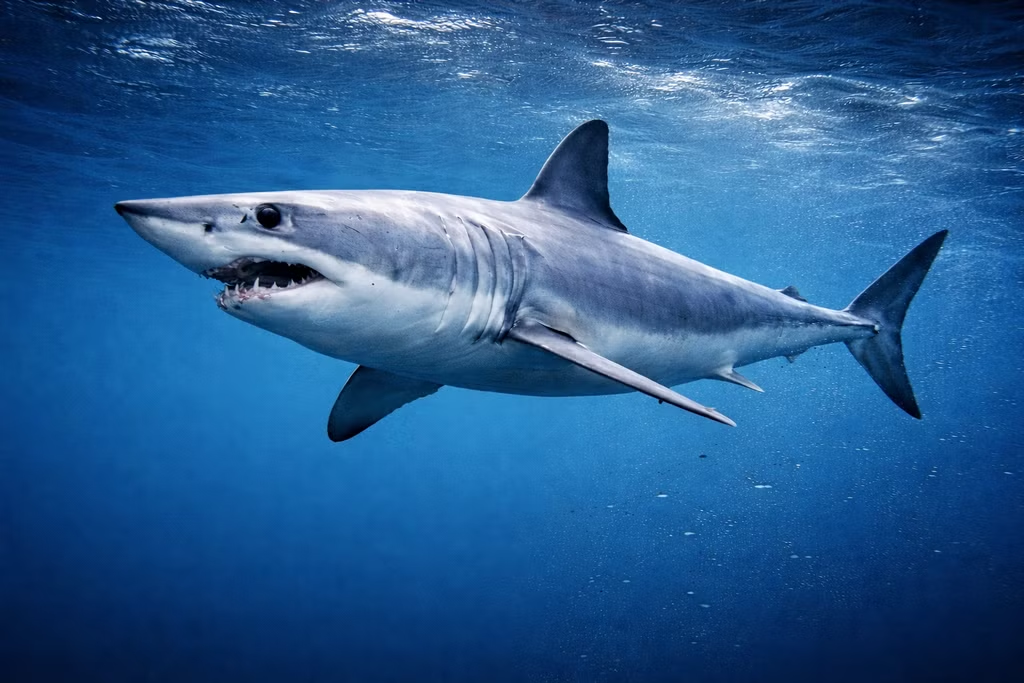
Dive with the world's fastest shark from liveaboards designed for remote, open-ocean pelagic encounters.
Seeing a Mako Shark in its element is the ultimate prize for many divers. These incredibly fast pelagic predators are best encountered in the deep blue, far from shore, making liveaboards the ideal platform. The most reliable destinations for liveaboard-based Mako encounters are the offshore waters of Baja California, Mexico, particularly during autumn bait ball season, and the Azores archipelago in Portugal during the summer months. Dedicated expeditions in these areas focus on finding the temperature breaks and food sources that attract these apex predators.
A liveaboard gives you the range and patience required for Mako diving. You can travel far offshore and stay for days, waiting for the right conditions and maximizing your chances. Onboard experts provide crucial briefings on Mako behavior and safety protocols for blue-water diving. The vessels on this list were chosen for their proven itineraries in Mako hotspots, experienced crews who prioritize safe and ethical encounters, and their suitability for challenging open-ocean conditions, ensuring you have the best possible opportunity to meet this legendary shark.
The best regions for encountering Mako Sharks from a liveaboard are highly seasonal. For the Azores, Portugal, the peak window is from July through September, when warmer waters attract both Mako and Blue Sharks. In Baja California, Mexico, specialized expeditions run from October to November, capitalizing on the massive bait balls that draw in a variety of predators, including Makos. While other pelagic hotspots like the Sardine Run in South Africa (June/July) can yield opportunistic sightings, they are less reliable if Makos are your primary goal. Always book a trip specifically targeting pelagic sharks for the highest probability of success.
When selecting a vessel, prioritize one built for open-ocean travel. Look for a sturdy, seaworthy boat that offers a stable ride in offshore conditions. A spacious, well-organized dive deck is critical for managing gear, especially with bulky wetsuits and camera equipment. The boat must also operate fast, rigid inflatable boats (RIBs or skiffs) to quickly get divers to the action. Because these are often deeper or repetitive dives in cool water, on-board nitrox is essential for extending your time in the blue and increasing safety margins. Most importantly, choose an operator with experienced guides who understand Mako behavior and responsible chumming techniques.
itineraries focused on Mako Sharks are true expeditions and typically last between 7 and 10 nights. This length provides a buffer for weather days and allows enough time to travel far offshore and wait for the animals. These are not budget trips; due to high fuel consumption, permit costs, and the need for expert guides, prices generally range from $3,500 to over $6,000 USD per person. This investment reflects the logistical complexity and specialized nature of targeting elusive, open-ocean sharks.
Ethical encounters are paramount. Your crew will conduct all chumming and attractant activities; never deploy your own. Follow the dive guide’s instructions precisely, which typically involve staying in a group, remaining vertical in the water column, and never chasing a shark. Common mistakes include underestimating the water temperature—a 7mm wetsuit or even a drysuit is recommended—and impatience. Pelagic diving is a waiting game. Be prepared with your gear assembled to deploy at a moment's notice, as opportunities can be brief. Your calm, respectful presence in the water is key to a meaningful encounter.
The most reliable liveaboard destinations are the Azores (Portugal) and Baja California (Mexico). The Azores is a summer hotspot for both Mako and Blue Sharks in the open Atlantic. Baja California offers specialized fall expeditions that focus on bait ball aggregations, which attract Makos and other pelagic predators. Both locations feature operators with years of experience in finding these elusive sharks in a vast, blue-water environment.
Timing is critical. The peak season for Mako encounters in the Azores is during the summer months of July, August, and September. For liveaboard trips off Baja California, Mexico, the prime window is later in the year, generally from October through November. These periods align with favorable water temperatures and the presence of food sources that draw the sharks closer to diveable areas. Booking within these specific seasons is essential for maximizing your chances.
Yes, absolutely. Mako diving is a form of 'blue water' diving, conducted in the open ocean with no visible bottom. Operators require divers to have an Advanced Open Water certification and a significant number of logged dives (often 50+). You must be comfortable with potential currents, cool water, and diving without a reference point. These trips are for experienced, self-sufficient divers who can remain calm and aware in a challenging environment.
Mako-focused liveaboard trips are specialized expeditions and are priced accordingly. Expect to pay between $3,500 and $6,000+ USD per person for a 7-10 night trip. The cost reflects the significant fuel needed to travel far offshore, the expertise of the crew, potential permit fees, and the overall logistics of operating in remote, open-ocean environments. Prices vary based on the vessel's luxury level and the trip's duration.
No, sightings are never guaranteed. Mako Sharks are wild, highly migratory animals in an enormous ocean. Reputable operators will never promise an encounter. Instead, they use their extensive experience to take you to the right places at the right time to give you the highest possible probability. A Mako expedition is about the thrill of the search and the privilege of a potential encounter, and divers should book with this mindset.