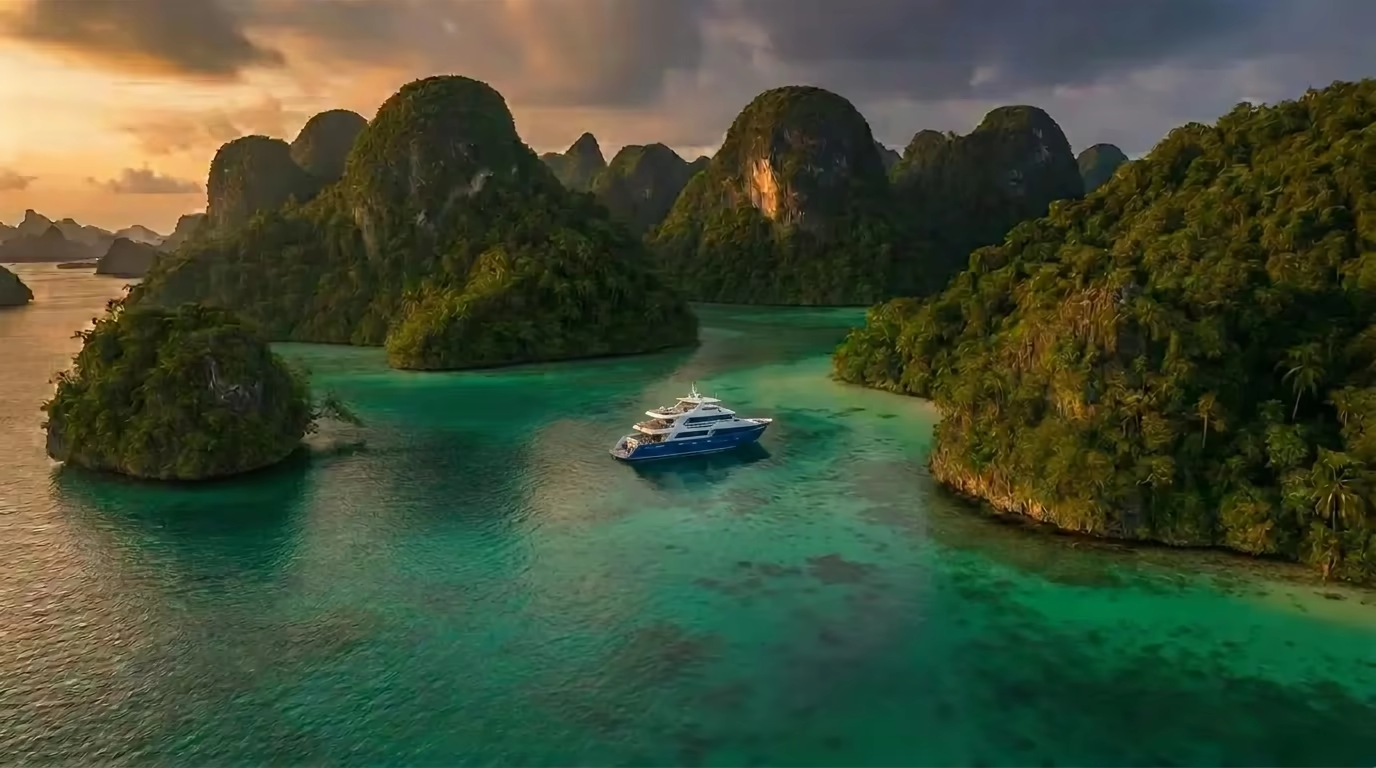
Dive the 'Island of the Sharks' for adrenaline-pumping encounters with massive schools of hammerheads and other pelagics.
Welcome to the deep blue heart of the Eastern Tropical Pacific. Cocos Island isn't just a dive trip; it's an expedition. This remote, uninhabited volcanic island, a 36-hour voyage from mainland Costa Rica, is a magnet for the ocean's largest inhabitants. The main draw? Schooling scalloped hammerheads, hundreds strong, gathering at legendary cleaning stations like Bajo Alcyone. But the action doesn't stop there. Expect fly-bys from tiger sharks, whale sharks, galapagos sharks, marble rays, and massive schools of jacks. The diving here is raw, challenging, and profoundly rewarding.
Because a trip to Cocos is a serious undertaking, choosing the right liveaboard is critical. Your vessel is your home, your dive center, and your lifeline for 10+ days. The boats on this list have been selected by our team of experienced divers for their proven safety records on the long crossing, the expertise of their dive guides in managing Cocos's demanding conditions, overall comfort, and commitment to delivering a world-class diving adventure. We've weighed the pros and cons to help you find the perfect platform for your trip of a lifetime.
 #1
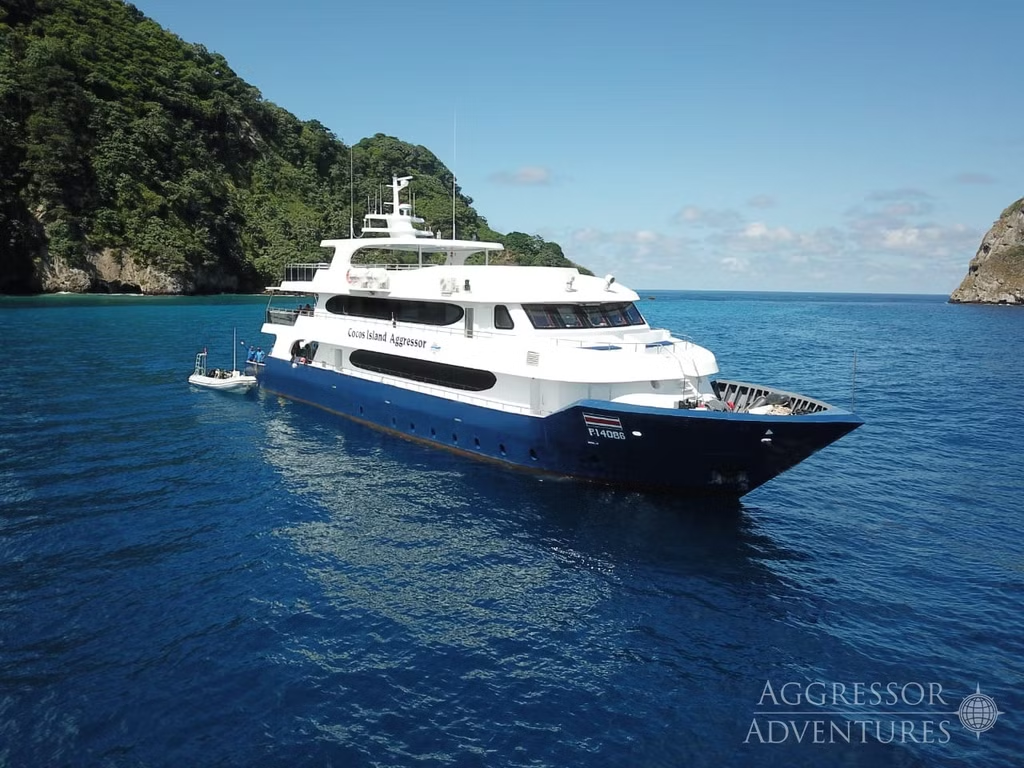
#1The Cocos Aggressor specializes in premier expeditions to Cocos Island, offering unparalleled access to its nutrient-rich waters for incredible encounters with hammerhead sharks and other large marine predators.
 #2
#2The Okeanos Aggressor II offers all-inclusive luxury and a dedicated platform to discover Cocos Island's unique pelagic marine life, including immense schools of hammerheads.
 #3
#3The Sea Hunter offers unmatched support for serious divers exploring Cocos Island's rich marine life. Its professional diving platform and rental options make deep-sea exploration seamless.
The first question is always 'when to go?'. Cocos has two distinct seasons. The rainy season, from June to November, is widely considered the best time for hammerhead action. Nutrient-rich runoff fuels the food chain, bait balls attract predators, and shark numbers peak. The trade-off is rougher sea crossings and potentially lower visibility. Conversely, the dry season from December to May offers calmer seas, sunnier skies, and often better visibility, making for a more comfortable journey. While shark encounters are still excellent, the mega-schools might be slightly smaller.
For a destination this remote, your liveaboard is everything. Look for a vessel built for open-ocean travel—typically a sturdy steel-hulled ship with a long range. Since you’ll be diving from tenders, not the main boat, check that they use large, stable RIBs (Rigid Inflatable Boats) or pangas that can handle choppy water. Onboard nitrox is non-negotiable; the diving profile at Cocos involves multiple deep dives daily, and enriched air will increase your safety margins and reduce fatigue. A spacious, well-organized dive deck is also crucial for managing your gear, especially if you're a photographer.
A typical Cocos Island itinerary lasts 10 or 11 nights, with 7 full days of diving. The extended duration is necessary to account for the 72-hour round-trip crossing from Puntarenas. This is a premium, bucket-list destination, and the price reflects the logistics involved. Expect to pay between $5,500 and $8,000+ USD per person. This usually includes accommodation, all meals, diving, and tanks/weights, but park fees, nitrox, and crew gratuities are typically extra.
Two common mistakes divers make are underestimating the crossing and overestimating their experience. The 36-hour journey can be rough; pack effective seasickness medication even if you don't usually need it. Secondly, Cocos is not for beginners. You must be an Advanced Open Water diver, comfortable with deep dives (to 30m/100ft), strong currents, negative entries, and diving in blue water. A pro tip is to book far in advance—with only a few boats serving the island, spots fill up 1-2 years out. Also, consider renting a personal locator beacon like a Nautilus Lifeline for ultimate peace of mind.
Yes, for the most part. The dive sites are deep, often exceeding 30m (100ft), and are exposed to strong, unpredictable currents and surge. Most liveaboards require an Advanced Open Water certification with a minimum of 50-100 logged dives, plus experience in deep and current-heavy environments. This is for your safety and to ensure you can fully enjoy the challenging but rewarding conditions.
The crossing from Puntarenas, Costa Rica, takes approximately 36 hours each way. It's an open-ocean journey that can be rough, especially during the rainy season (June-November). The liveaboards that service this route are large, stable vessels designed for these conditions. However, it's highly recommended to bring seasickness medication. Think of it as part of the expedition adventure to reach one of the world's most pristine dive locations.
Absolutely. Mainland Costa Rica offers its own great diving, particularly in the Pacific. The Bat Islands (Islas Murciélagos) are famous for thrilling encounters with bull sharks, while Caño Island offers a rich variety of reef fish, rays, and white-tip sharks. However, the experience is different. For the legendary, massive schools of hammerheads and the sheer density of pelagic life, the expedition to Cocos Island is unparalleled.
The rainy season (June-Nov) is often preferred by divers seeking maximum pelagic action. The nutrient upwellings create bait balls that attract huge schools of hammerheads and other predators, though seas can be rougher. The dry season (Dec-May) offers calmer crossings, more sunshine, and better visibility. Diving is still fantastic, but the famous mega-schools of hammerheads might be slightly less concentrated.
Yes, we strongly recommend it. A typical day involves three deep dives, often to 30m/100ft. Using Enriched Air Nitrox allows for longer no-decompression limits, shorter surface intervals, and reduced fatigue over a week of intensive diving. It significantly enhances your safety and enjoyment. Most boats offer it, and on many, it's either included or considered a mandatory add-on for a reason.