
Dive the heart of the Coral Triangle, from Tubbataha's shark-filled walls to the vibrant macro life of the Visayas.
The Philippines is an archipelago of over 7,000 islands, sitting squarely in the apex of the Coral Triangle. This incredible biodiversity makes it a world-class liveaboard destination. A boat is simply the best way to access its most prized, remote jewels. Imagine diving the protected, pelagic-rich waters of Tubbataha Reefs Natural Park, a UNESCO World Heritage site only reachable for three months a year. Or exploring the vast coral walls of Apo Reef, the country's largest contiguous reef system. From sought-after thresher sharks in Malapascua to battalions of barracuda, the Philippines delivers non-stop action.
Choosing the right vessel is key to unlocking these experiences. We've curated this list by focusing on boats with proven track records for safety and service. We analyzed itineraries that maximize dive time at premier sites and read hundreds of diver reviews to gauge crew expertise and overall value. These are the boats that consistently deliver unforgettable trips, balancing comfort, adventure, and a deep respect for the marine environment.
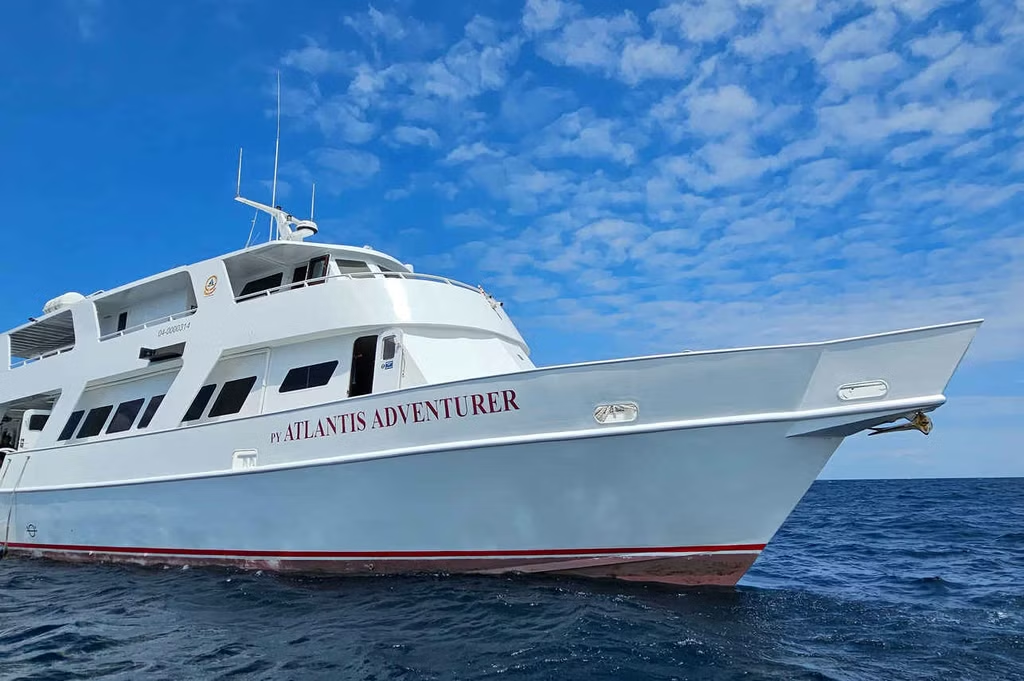
 #1
#1The Atlantis Adventurer offers a luxurious and dedicated platform for exploring the Philippines' premier dive sites, from Tubbataha to the Visayas, with unparalleled comfort and access.
 #2
#2The MV Dolphin is your gateway to explore the Philippines' underwater wonders, including the globally renowned Tubbataha Reef and Apo Reef.
 #3
#3The Infiniti offers a luxurious and intimate base to explore the Philippines' best dive sites year-round, from Malapascua to Tubbataha. It's ideal for experiencing the region's unmatched biodiversity.
 #4
#4MY Gypsy offers discerning divers an exclusive, luxurious safari to explore the Philippines' world-class dive sites, from thresher sharks to vibrant reefs.
 #6
#6The Navis 1 offers a unique catamaran experience, blending comfort and adventure. It's an ideal base to explore the Philippines' incredible underwater diversity.
 #7
#7DEDICATED to Philippine diving, Palau Sport offers comfort while exploring key sites like Tubbataha Reef and Coron's wrecks, making it ideal for marine biodiversity enthusiasts.
 #8
#8The Philippine Siren offers bespoke diving with high-end imaging facilities and twin tenders. It's perfectly positioned to explore the Philippines' unparalleled marine biodiversity and unique endemic species.
 #9
#9This vessel explores the Philippines' dramatic underwater topography. Experience steep walls, vibrant coral gardens, and incredible biodiversity, making it a top pick for divers seeking dramatic contrasts.
 #10
#10This liveaboard masterfully navigates diverse underwater topographies, from sheltered coral gardens blossoming with macro life to exposed walls attracting large pelagics, providing unparalleled access to the Philippines' rich marine biodiversity.
The best time for a Philippines liveaboard is during the dry season, from November to May. This window offers the calmest seas and best visibility. Critically, the world-renowned Tubbataha Reefs are only accessible from mid-March to mid-June, with spots often selling out over a year in advance. Outside of this short season, most liveaboards focus on the Visayas (Cebu, Malapascua, Bohol) and Apo Reef, where diving is excellent but can be impacted by the typhoon season from June to October.
For a destination this diverse, the vessel matters. Trips to Tubbataha require a long open-ocean crossing, so look for larger, steel-hulled boats built for range and stability. For any itinerary, reliable and spacious dive tenders (RIBs) are essential for reaching the best parts of the reefs. Given the multi-dive-a-day schedule, Nitrox is a huge advantage, so check if it's available (and if it's included or an extra fee). A well-organized, uncrowded dive deck is another sign of a well-run operation, making kitting up a pleasure, not a pain.
Philippines liveaboard itineraries typically range from 6 to 10 nights. Tubbataha trips are almost always 6 nights due to the strict park schedule and travel time from Puerto Princesa. Visayas trips offer more flexibility, often running for 7 to 10 nights to cover multiple islands and dive hotspots. Price-wise, you can find budget-friendly options starting around $2,800 for a week, while premium vessels with more spacious cabins and amenities can range from $4,000 to $5,500+ for a similar duration.
One common mistake is underestimating the travel logistics. The Philippines is a large country, and you'll likely need a domestic flight to your port of departure (e.g., Cebu or Puerto Princesa). Always book a flight that arrives the day before your liveaboard departs to avoid stress from delays. Another pro tip: book Tubbataha trips at least 12-18 months in advance. Finally, always factor in extra costs. Marine park and port fees, especially for Tubbataha, can add a few hundred dollars to your total bill and are rarely included in the base price.
Yes, absolutely. Tubbataha Reefs Natural Park is located in the middle of the Sulu Sea, about 150km from the nearest inhabited island. Its extreme remoteness means it is only accessible via a liveaboard vessel during the short diving season from mid-March to mid-June. There are no hotels or land-based operations.
Tubbataha is pure, isolated, big-animal diving. Expect steep walls, strong currents, and encounters with sharks, turtles, and huge schools of fish in a pristine UNESCO site. Visayas itineraries offer much more variety. You can see thresher sharks in Malapascua, incredible macro life near Dauin, whale sharks in Sogod Bay, and vibrant reefs around Bohol, often with shorter travel times between sites.
Most Philippines liveaboards require an Advanced Open Water certification. This is due to dive sites often exceeding the 18-meter (60-foot) limit and the presence of currents, especially in Tubbataha and Apo Reef. Many operators also recommend a minimum of 30-50 logged dives. Being Nitrox certified is highly beneficial for extending bottom time on repetitive dives.
Typically, no. The listed liveaboard price usually covers your cabin, meals, and diving. You should budget separately for domestic flights to the port, marine park fees (which can be significant for Tubbataha), equipment rental, Nitrox fills, and crew gratuities. Always check the 'what's not included' section when booking.
A 3mm wetsuit is sufficient for most of the year, as water temperatures are warm. Bring reef-safe sunscreen, a hat, and polarized sunglasses. A light rain jacket is wise, even in the dry season. Also pack any personal medications, a reusable water bottle, and some local currency (Philippine Pesos) for tips and small purchases, though USD is often accepted for gratuities.
