Explore a world of vibrant coral reefs, historic WWII wrecks, and blissfully few crowds.
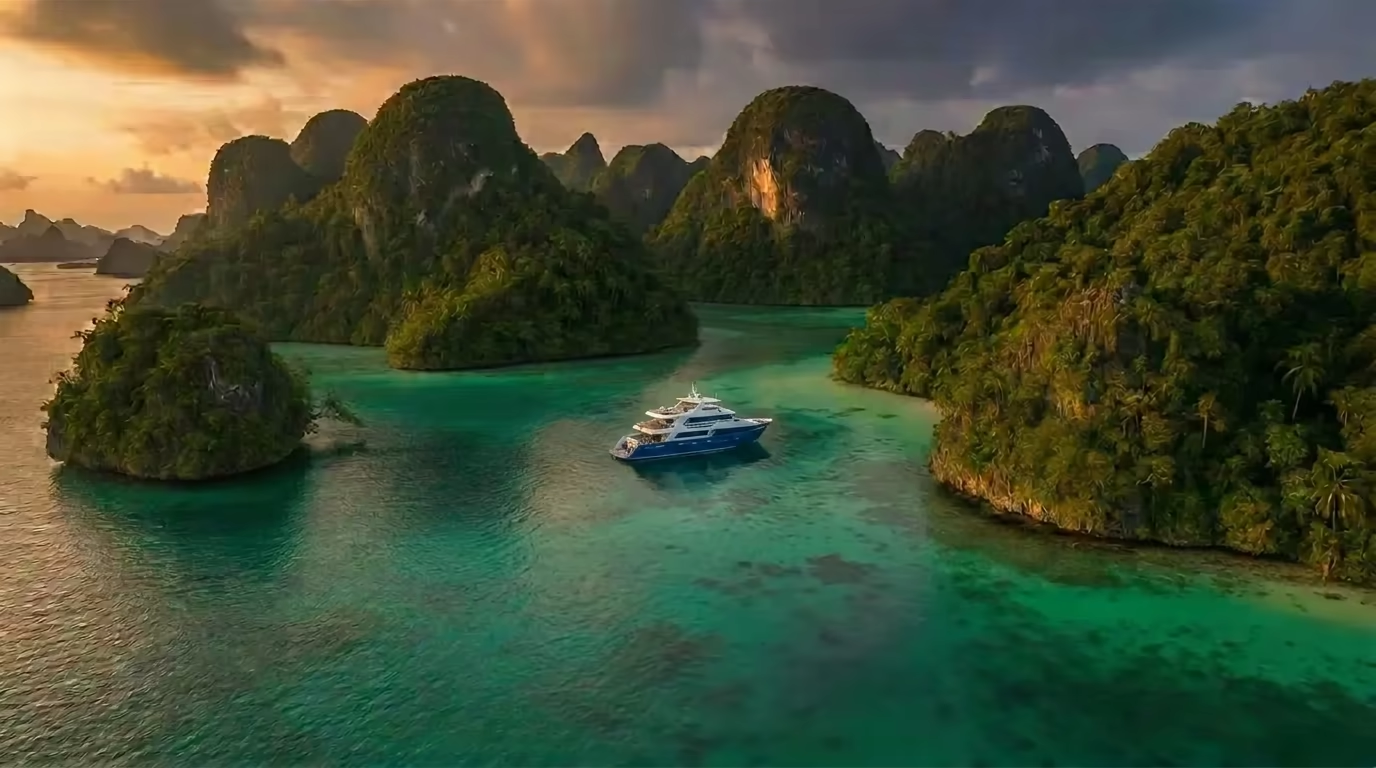
Solomon Islands diving is the real deal—a journey to the heart of the Coral Triangle with none of the hordes. Picture this: cruising through volcanic islands blanketed in rainforest, then dropping onto reefs teeming with life. You'll explore everything from dazzling hard coral gardens and dramatic walls in the Russell Islands to critter-rich muck sites. Of course, the history here is palpable; the region is a world-class wreck diving destination, with sunken WWII ships and aircraft scattered across "Iron Bottom Sound."
A liveaboard isn't just the best way to dive the Solomons, it's really the only way. The vast distances between island groups and the sheer remoteness of the best sites make land-based operations impractical. To help you choose, we’ve evaluated the few, exclusive vessels that operate here, focusing on their safety records, dive operation quality, local expertise, and ability to deliver a genuine expedition-style adventure.
 #1
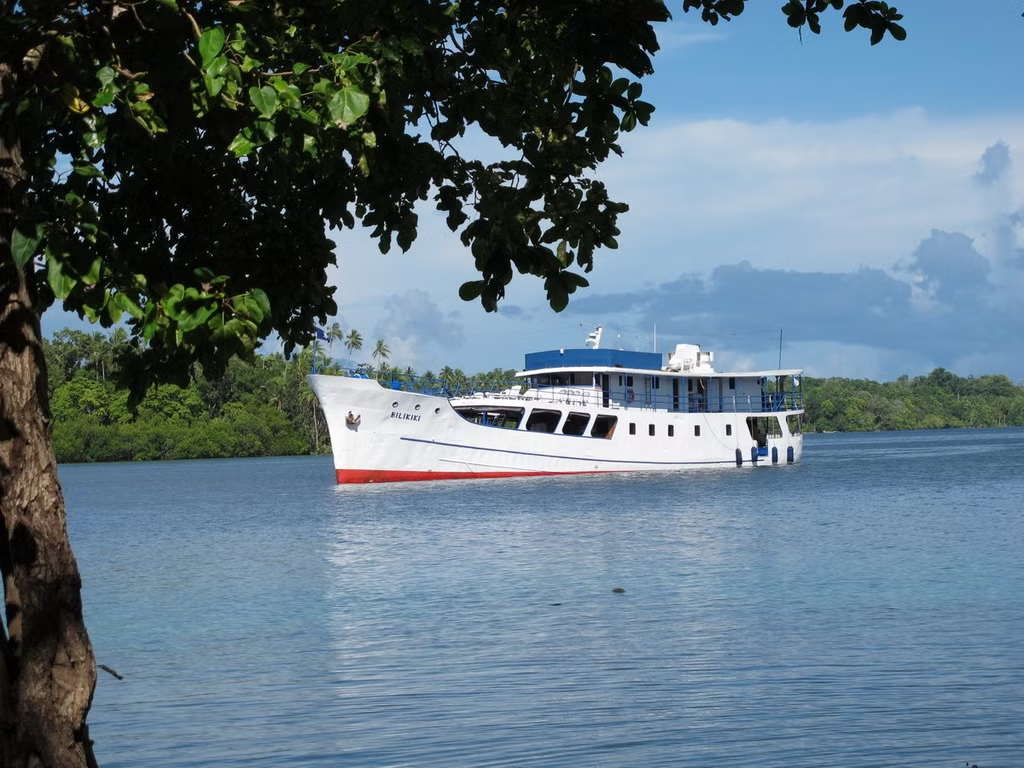
#1For divers fascinated by history, the Emperor Bilikiki offers unparalleled access to numerous WWII wrecks alongside vibrant coral gardens, making it truly unique.
 #2
#2The Pacific Master explores the Solomon's unique blend of WWII wrecks and vibrant reefs, offering professional-grade voyages to suit all diving passions.
 #3
#3The Solomons Master offers premium hospitality and a stable platform explicitly designed for extensive, professional-grade exploration of the Solomon Islands' diverse underwater landscape, from wrecks to coral gardens.
The Solomon Islands offer great diving year-round, with water temperatures a balmy 28-30°C (82-86°F). The main consideration is the surface condition and rainfall. The drier season runs from April to November, generally offering calmer seas and sunnier skies, making it the most popular time. The wetter season, from December to March, can bring more rain and occasional wind, but diving remains excellent. Visibility is consistently good, often ranging from 20 to 40 meters, though it can be affected by plankton blooms which, in turn, attract larger marine life like manta rays.
Given the exploratory nature of Solomons itineraries, your liveaboard choice matters. Look for a vessel with a good cruising range and robust, twin-engine dive tenders (RIBs) for accessing remote sites and navigating channels safely. Due to the multi-dive-a-day schedule, Nitrox is a must-have to maximize bottom time and reduce fatigue; check if it's included or available. A well-organized, spacious dive deck is also crucial for comfort when gearing up. Finally, an experienced crew with deep local knowledge is invaluable for finding the best, un-dived spots.
Itineraries in the Solomon Islands are typically longer than in other regions, reflecting the travel time and vast area to cover. Expect trips to be a minimum of 7 nights, with 10 to 14-night expeditions being common for those wanting a comprehensive experience. This is not a budget destination; the logistics of operating in such a remote area mean prices are higher. A standard 10-night trip will generally fall in the $4,500 to $7,000 USD range per person, representing a true investment in a unique, crowd-free dive adventure.
A common mistake is underestimating the travel logistics. Plan to arrive in Honiara at least one full day before your liveaboard departure to buffer against flight delays. Another oversight is not packing essential spares for your dive gear—there are no dive shops to pop into. A pro tip is to embrace the unexpected; itineraries can change due to weather or new discoveries, which is part of the adventure. Also, bring some local currency (Solomon Islands Dollar) for purchasing handicrafts during village visits, which are a common and rewarding part of the trip.
It's an incredible mix. As part of the Coral Triangle, you get staggering biodiversity on pristine hard and soft coral reefs, dramatic walls, and current-swept points. The area is also famous for its WWII history, offering some of the world's best wreck diving on sunken ships and planes. Add in muck diving for macro critters and occasional encounters with sharks and mantas, and there's something for everyone, usually without another boat in sight.
An Advanced Open Water certification is highly recommended to get the most out of your trip. While many sites are suitable for all levels, some of the best wrecks and deeper reefs are below 18m/60ft. More importantly, conditions can be varied, with currents present at some sites. Being a comfortable and experienced diver will allow you to enjoy the full range of what the Solomons have to offer without stress.
You'll fly into Honiara International Airport (HIR) on Guadalcanal. Most liveaboards depart from or provide transfers from Honiara. International flights typically connect through Brisbane (Australia), Nadi (Fiji), or Port Moresby (Papua New Guinea). It's crucial to book flights that allow you to arrive at least one day before your boat's departure to account for any potential travel delays, as this is a remote destination.
Yes, most Solomon Islands liveaboards offer nitrox, and it is absolutely worth it. Itineraries typically feature 3-4 dives per day on incredible sites you'll want to explore thoroughly. Using nitrox allows for longer bottom times, significantly reduces surface intervals, and helps mitigate fatigue over a multi-day trip. Given the remote location, it's also an added layer of safety. Always confirm availability and pricing when you book.
No, and that's the magic of it. The Solomon Islands are home to a very small and exclusive fleet of liveaboards. This means you will very rarely, if ever, share a dive site with another group. The sense of remoteness and exploration is genuine. You are not following a crowded 'milk run' but are truly off the beaten path, which is one of the destination's biggest draws for seasoned divers.